
The famous stone
Twelve matching angles.
W. Bulach — CC BY-SA 4.0 · David Stanley from Nanaimo, Canada — CC BY 2.0 · Draceane — CC BY-SA 4.0 · Draceane — CC BY-SA 4.0
A narrow pedestrian street in old Cusco whose Quechua name means «street of the great stone», running between two walls, one an original Inca wall of huge, irregularly shaped stones cut to fit together with astonishing precision and no mortar at all; it was part of a palace of an Inca ruler. The wall's most famous block is the «Twelve-Angled Stone», a large stone carved so that its twelve angles match the stones around it perfectly; it has become a symbol of the Inca builders' skill, and visitors gather in front of it for photos. The street is part of an old route climbing from the main square to San Blas, the craftsmen's quarter, with narrow uphill lanes, white houses with blue doors, carving and painting workshops, small cafés and fine views over the city. It is free and always open, and crowded by day. A man in Inca costume sometimes stands by the stone offering photos for a tip. Do not handle the stones much; they are protected heritage.
Twelve matching angles.
Mortarless stonework.
Workshops and views.
Between the Plaza de Armas and the San Blas quarter, central Cusco
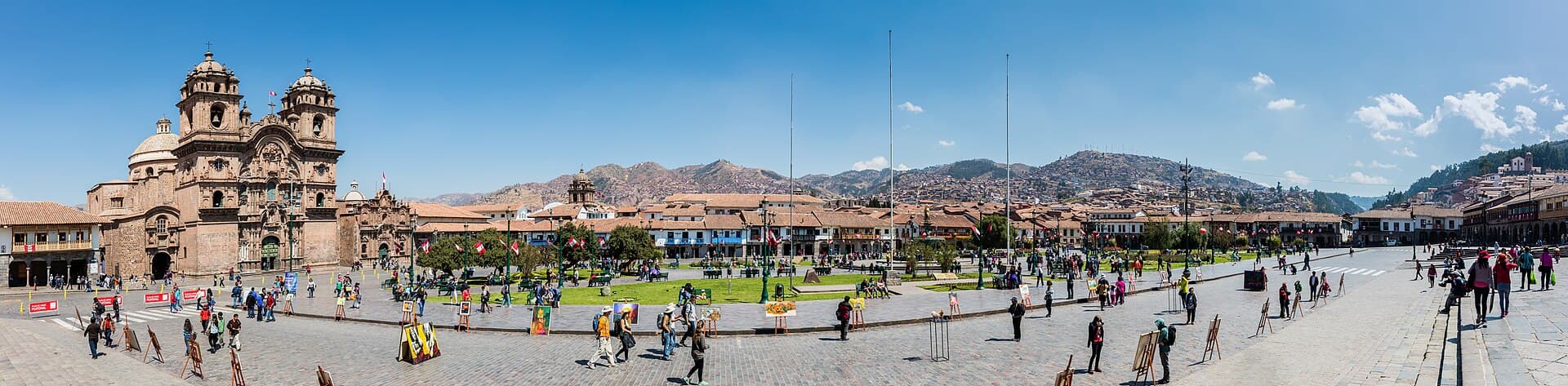 Plaza de ArmasThe heart of Cusco, the old capital of the Inca Empire, about 3,400 metres up in4 minutes walk4.7
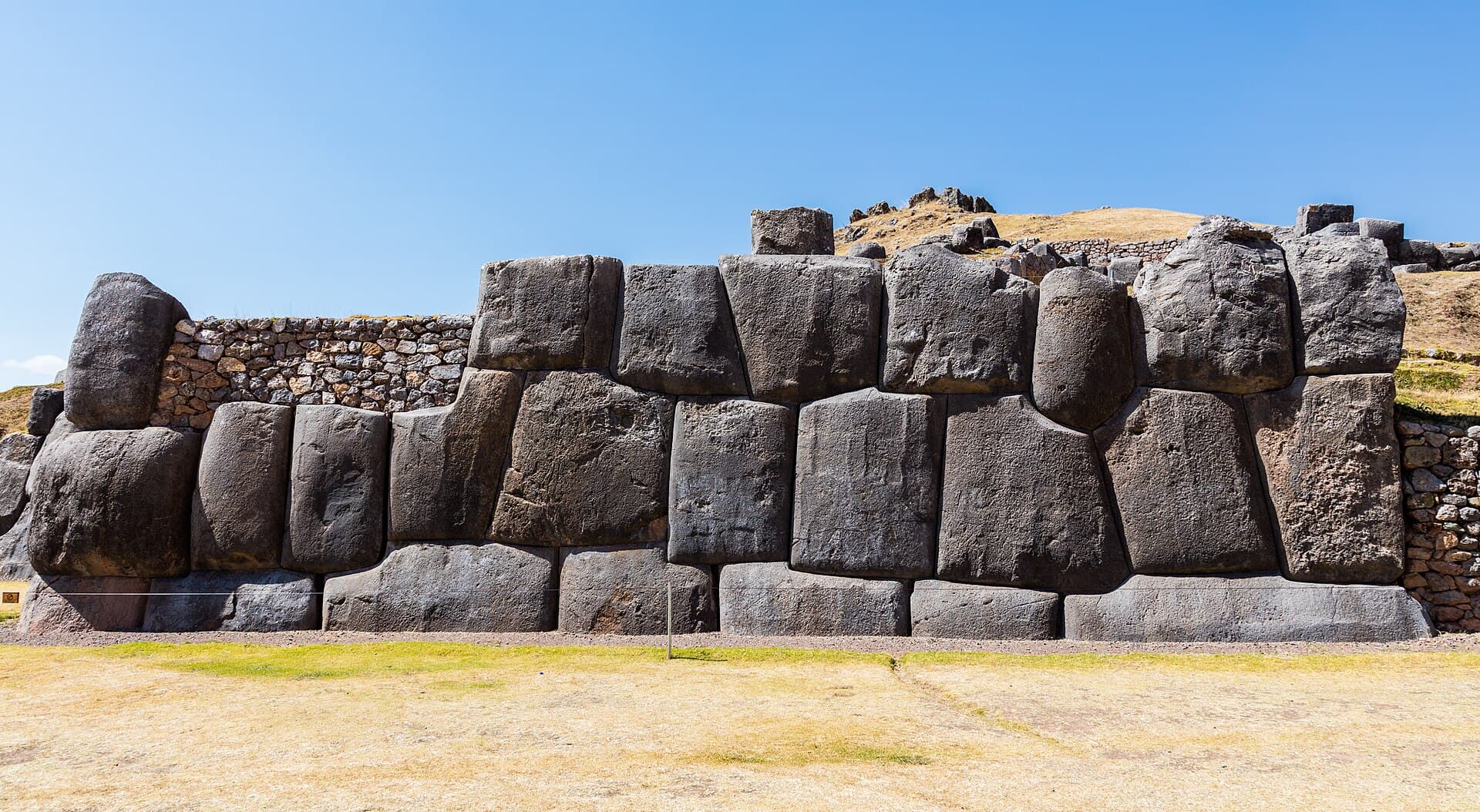 SacsayhuamánA huge Inca fortress on a hill above Cusco, about 3,700 metres up, whose Quechua11 minutes walk4.8
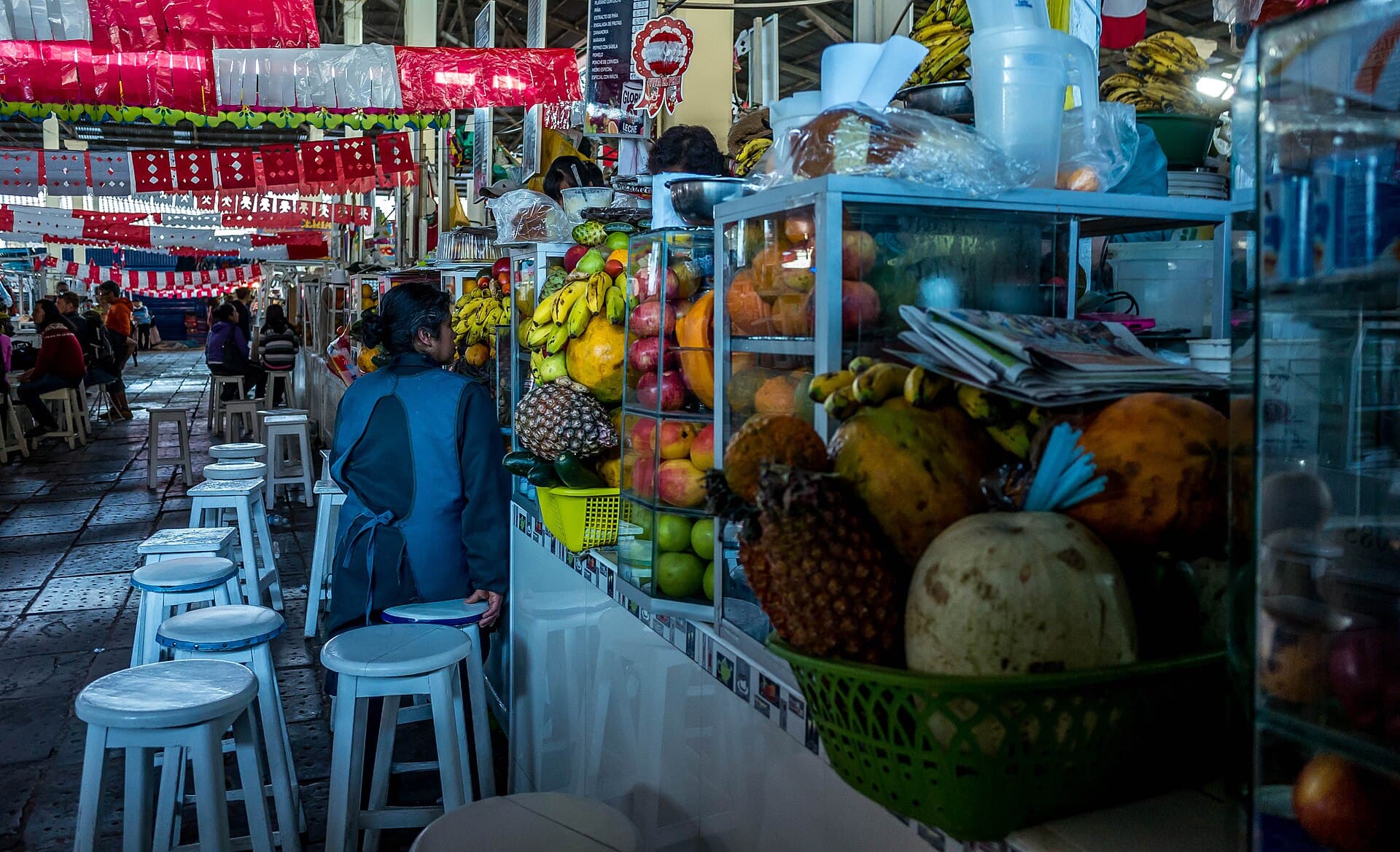 San Pedro Central MarketCusco's big central market, under a broad iron roof, where townspeople shop ever12 minutes walk4.2
In the wall of Hatun Rumiyoc Street, a few minutes' walk from the Plaza de Armas towards San Blas. It is free and always open.