
Stone arcades
Cafés on Inca bases.
Diego Delso — CC BY-SA 4.0 · W. Bulach — CC BY-SA 4.0 · Diego Delso — CC BY-SA 4.0 · Sucram Yef — CC BY 2.0
The heart of Cusco, the old capital of the Inca Empire, about 3,400 metres up in the Andes. Under the Incas it was a great ceremonial square, far larger than today; the Spanish then built around it on Inca stone foundations, making the city a unique blend of the two civilisations, on UNESCO's list. The square is framed by stone arcades housing cafés and restaurants, and carved wooden balconies, with a garden and fountain in the middle. The brown-stone fronts of the cathedral and the Jesuit church overlook it, with hills and red-tiled houses climbing behind. The square is where Cusco lives: people sit on benches, women pass in colourful traditional dress, and processions and festivals are held here, the best known being Inti Raymi, the festival of the sun, in June. In the evening the façades are lit and the square looks finest. Cusco is very high, so take the first day slowly, drink plenty of water and try the local coca-leaf tea offered to visitors against altitude sickness. Watch your bags in crowds, and politely decline photos with animals for money if you do not want them.
Cafés on Inca bases.
The June sun festival.
Lit façades.
Heart of historic Cusco
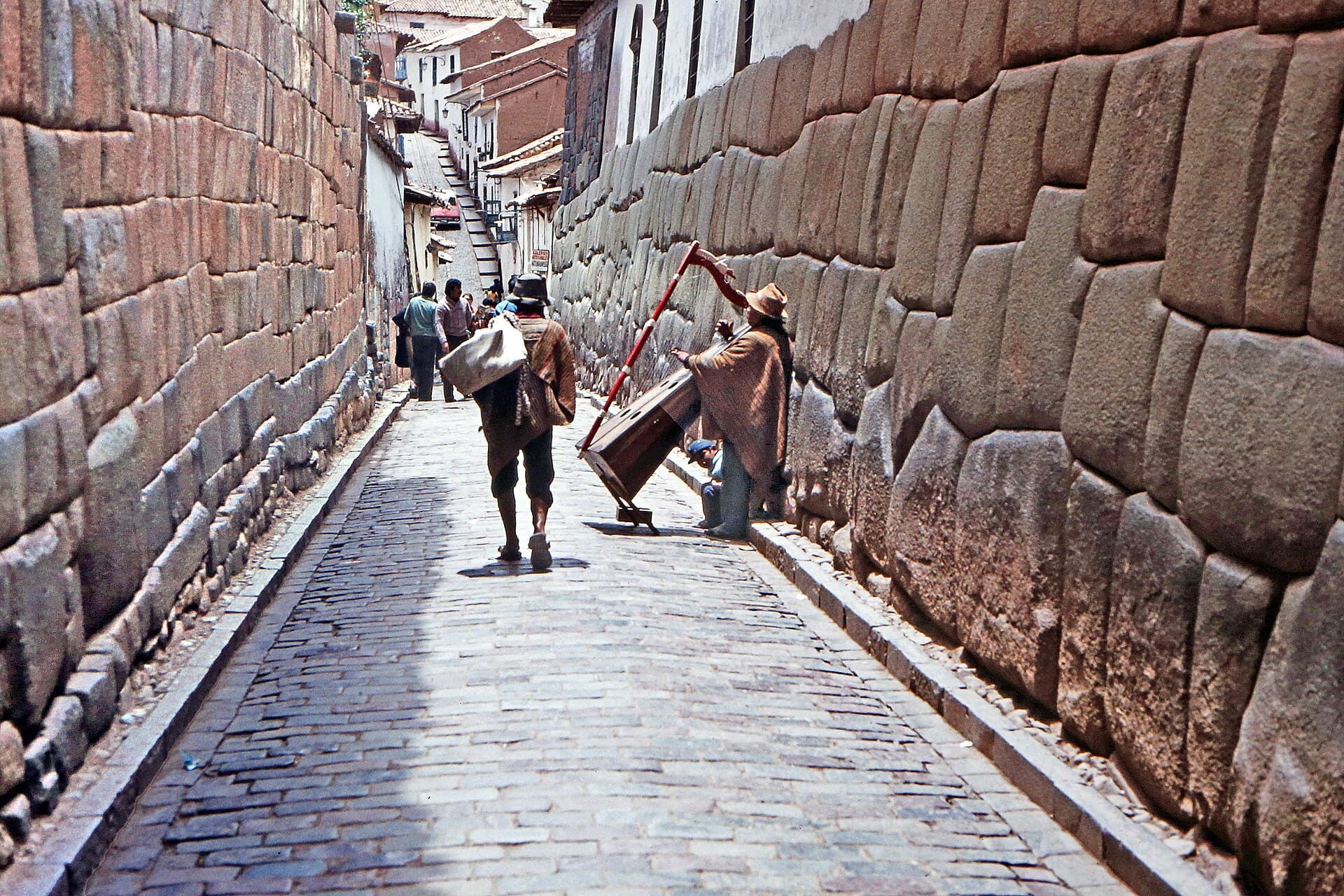 Hatun Rumiyoc Street and the Twelve-Angled StoneA narrow pedestrian street in old Cusco whose Quechua name means «street of the 4 minutes walk4.6
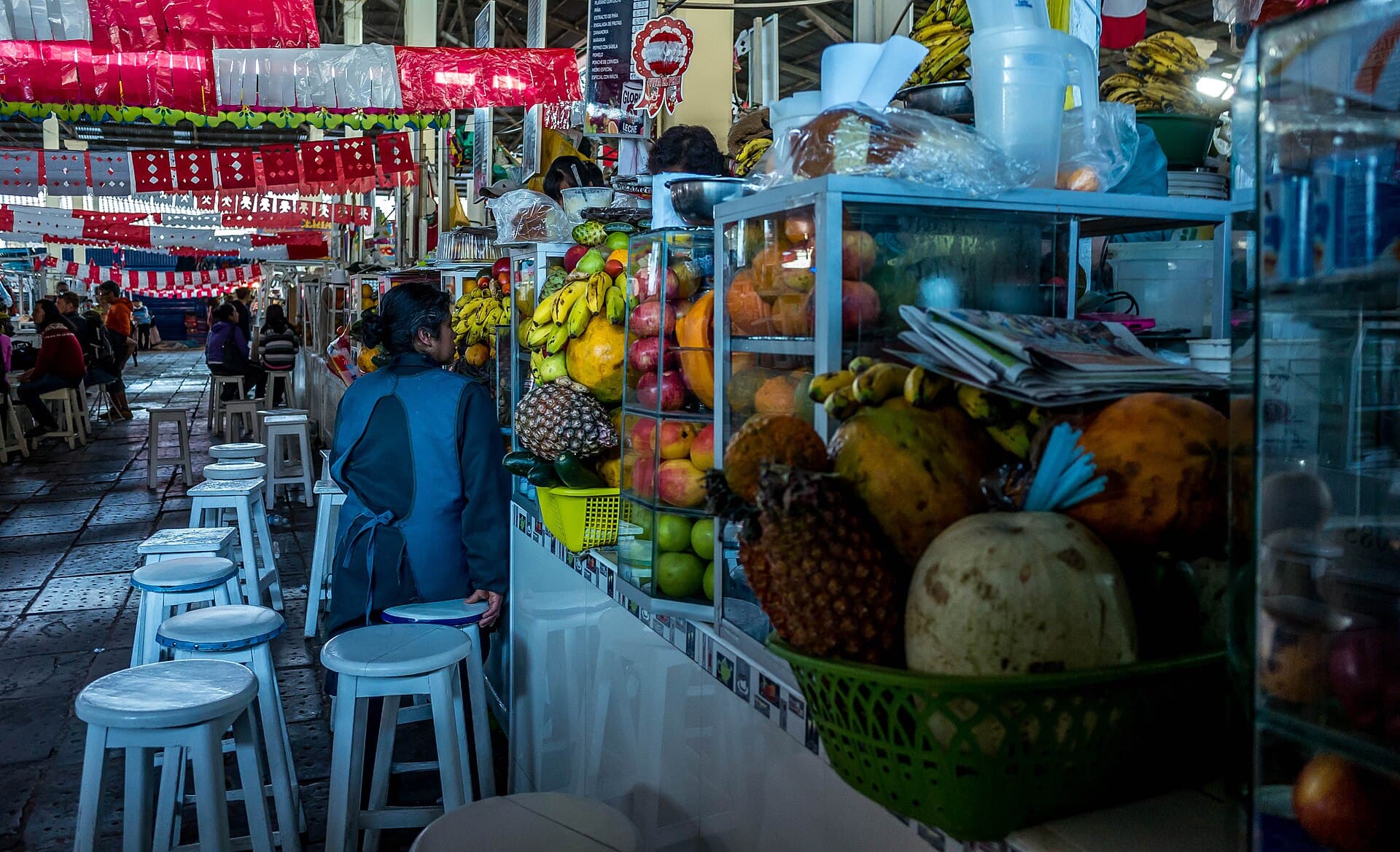 San Pedro Central MarketCusco's big central market, under a broad iron roof, where townspeople shop ever8 minutes walk4.2
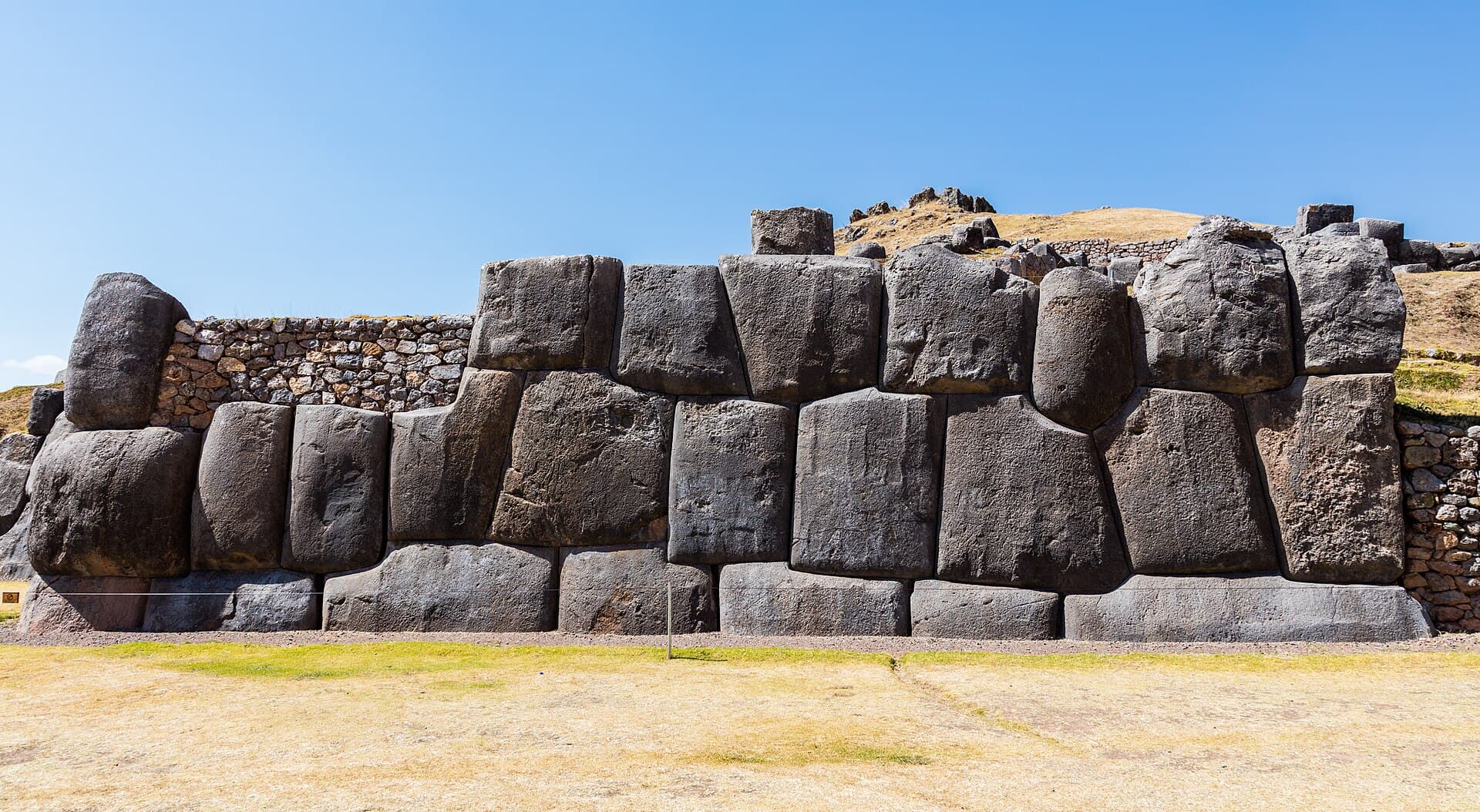 SacsayhuamánA huge Inca fortress on a hill above Cusco, about 3,700 metres up, whose Quechua10 minutes walk4.8
Take the first day or two gently, drink plenty of water and avoid heavy meals. Some visitors start in the lower Sacred Valley and move up to Cusco; ask your doctor before you travel.