
Juice stalls
Highland and tropical fruit.
sergejf — CC BY 2.0 · JustEMV — CC BY-SA 4.0 · Roger Otoni — CC BY-SA 4.0 · Thayne Tuason — CC BY 4.0 · Ashim D’Silva — CC0
Cusco's big central market, under a broad iron roof, where townspeople shop every day and visitors see Andean life and produce in one place. The building dates from the early 20th century, its sections arranged by trade. Its best-known corner is the fresh fruit-juice stalls, blending juices in front of you from many tropical and highland fruits. There are sections for the big round local bread, cheeses, dozens of kinds of potatoes and the coloured maize the Peruvian highlands are famous for, plus herbs and spices. The market also has sections of textiles, hats and local crafts, often cheaper than the shops on the square, and simple eateries where locals eat. The meat section may not suit every visitor, and the meat is not halal. Come in the morning, when the market is at its busiest. Watch your bag and phone in the crowded aisles, and ask the price before you buy.
Highland and tropical fruit.
Dozens of coloured kinds.
Crafts for less.
South-west of the Plaza de Armas, about ten minutes' walk, central Cusco
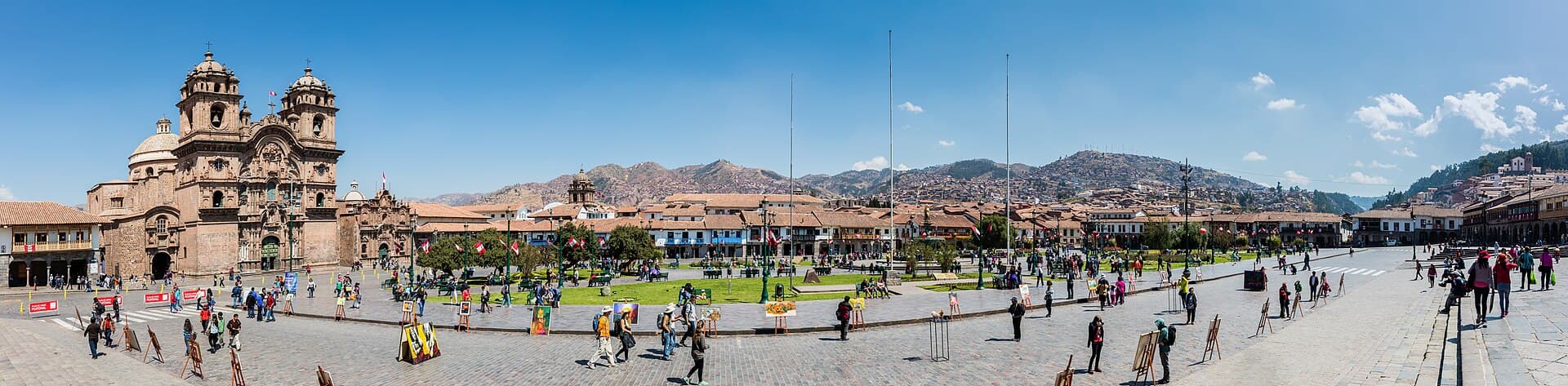 Plaza de ArmasThe heart of Cusco, the old capital of the Inca Empire, about 3,400 metres up in8 minutes walk4.7
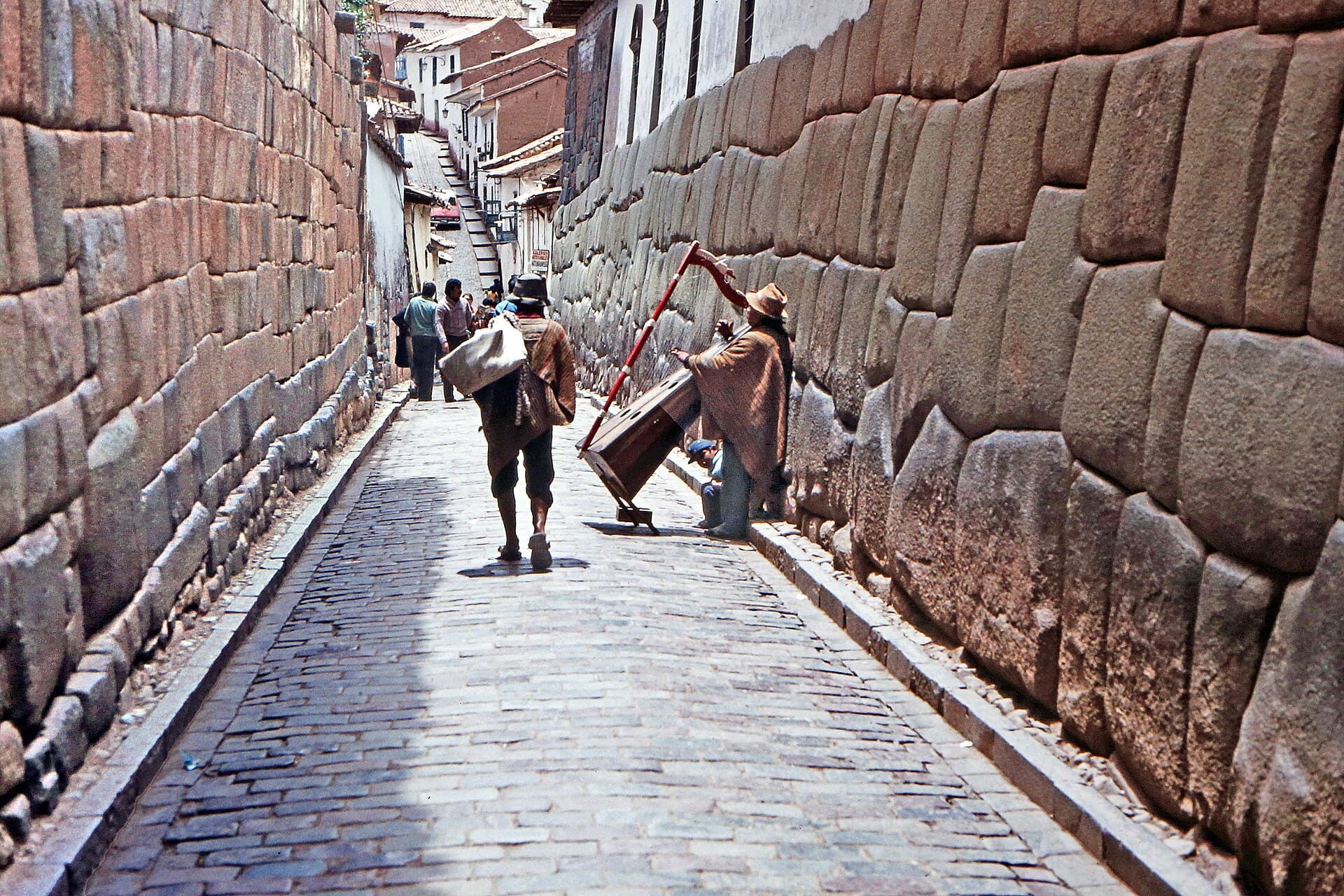 Hatun Rumiyoc Street and the Twelve-Angled StoneA narrow pedestrian street in old Cusco whose Quechua name means «street of the 12 minutes walk4.6
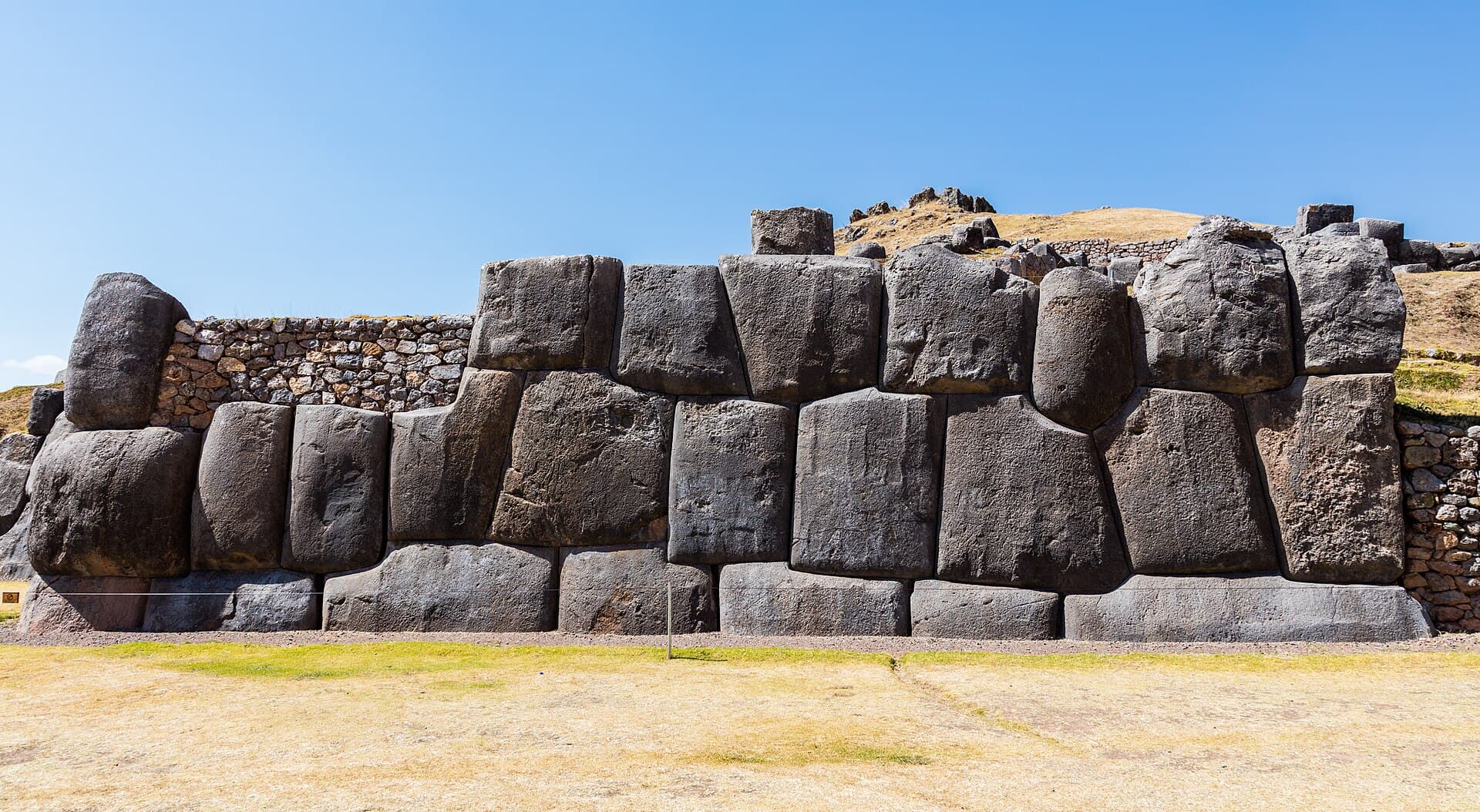 SacsayhuamánA huge Inca fortress on a hill above Cusco, about 3,700 metres up, whose Quechua15 minutes walk4.8
The meat is not halal. Fresh juices, fruit, bread and cheese are safe choices; ask about ingredients in cooked dishes.