
The zigzag walls
Mortarless giant stones.
Diego Delso — CC BY-SA 4.0 · Martin St-Amant (S23678) — CC BY-SA 3.0 · Martin St-Amant (S23678) — CC BY-SA 3.0 · Martin St-Amant (S23678) — CC BY-SA 3.0
A huge Inca fortress on a hill above Cusco, about 3,700 metres up, whose Quechua name means «fortress of the royal falcon». It was built under the emperor Pachacuti and his successors and is one of the greatest examples of Inca architecture, on UNESCO's list together with Cusco. Its best-known feature is three parallel zigzag walls built of enormous stones, some weighing tens of tonnes, cut so precisely that they fit together without mortar, with nothing passing between them even today. Visitors stand before them wondering how the Incas moved and raised such blocks without wheels or iron. In front of the walls is a broad grassy esplanade where the biggest Inti Raymi performances are staged every June in Inca costume. From the top of the hill you see all of Cusco and its red roofs in the valley. Entry is with the Cusco tourist ticket, which also covers nearby sites such as Q'enqo and Tambomachay. The climb from town is hard at altitude, so take it slowly or go by taxi.
Mortarless giant stones.
Red roofs below.
The great June festival.
The northern hill above Cusco, about a 20-minute uphill walk from the Plaza de Armas
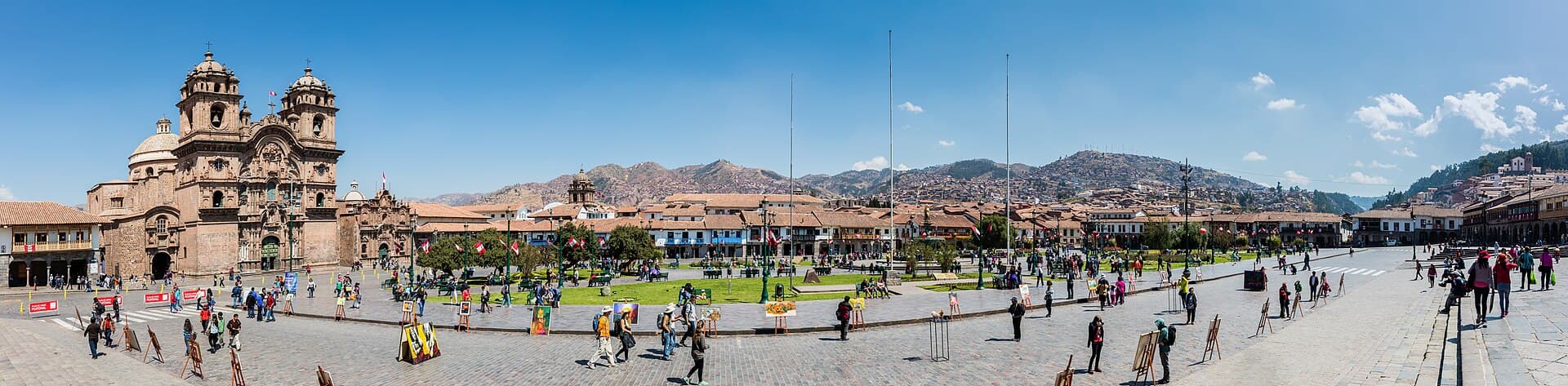 Plaza de ArmasThe heart of Cusco, the old capital of the Inca Empire, about 3,400 metres up in10 minutes walk4.7
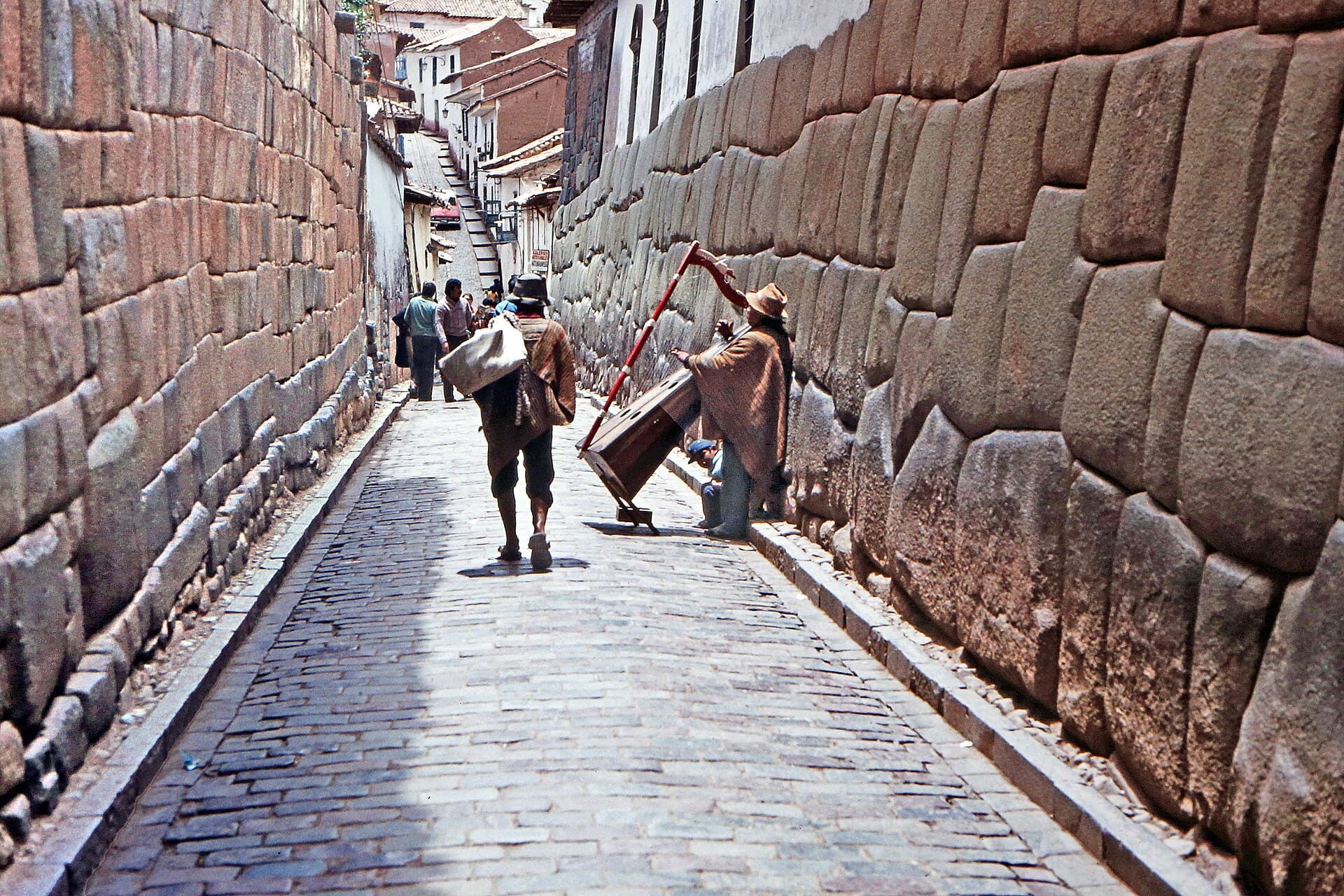 Hatun Rumiyoc Street and the Twelve-Angled StoneA narrow pedestrian street in old Cusco whose Quechua name means «street of the 11 minutes walk4.6
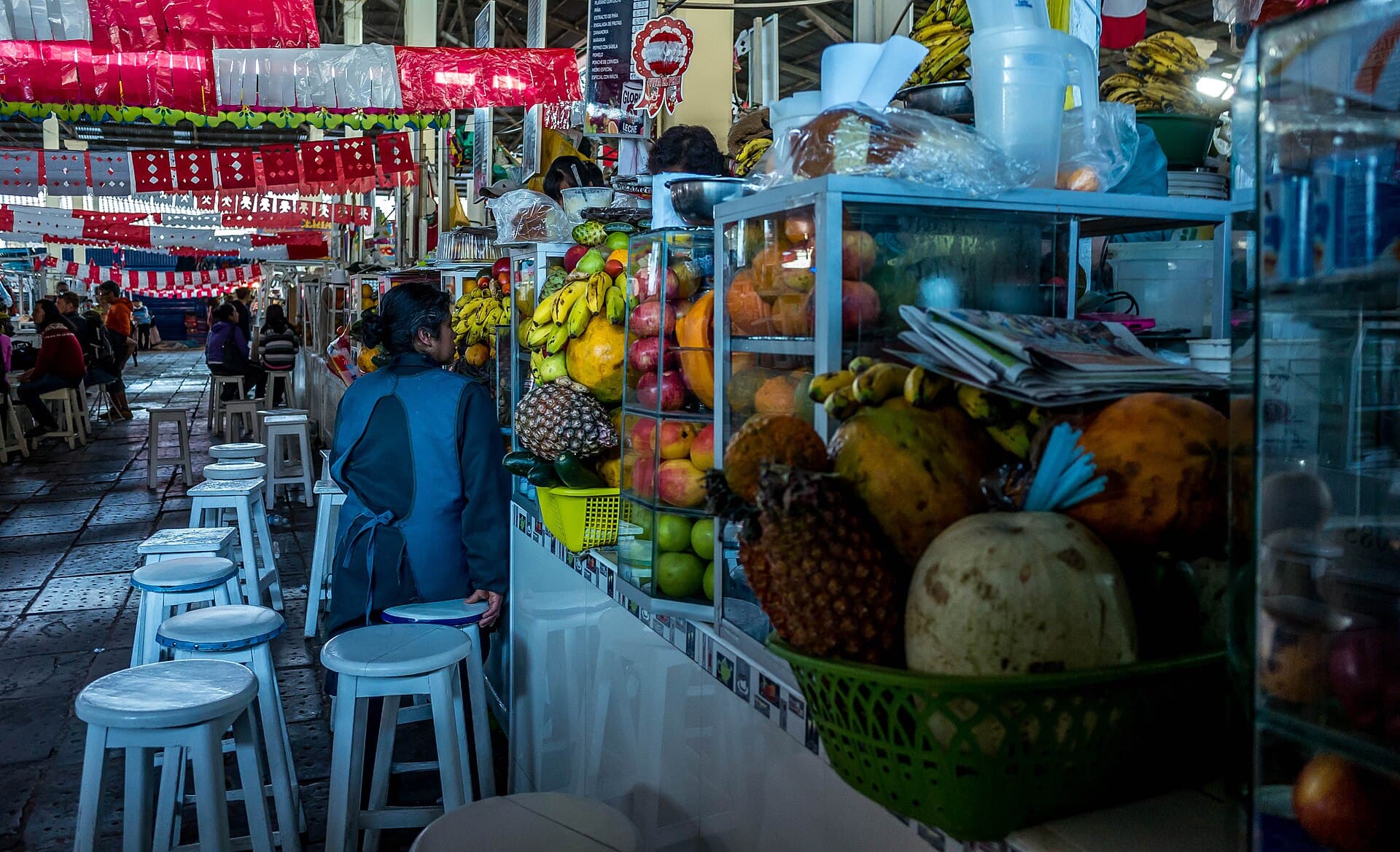 San Pedro Central MarketCusco's big central market, under a broad iron roof, where townspeople shop ever15 minutes walk4.2
No, entry is only with the Cusco tourist ticket, full or the first-circuit partial, which also covers nearby sites. The partial ticket is valid for one day.