
The zigzag channel
Cut in the rock.
Nina Reicer — CC BY-SA 4.0 · Nina Reicer — CC BY-SA 4.0 · Nina Reicer — CC BY-SA 4.0 · Nina Reicer — CC BY-SA 4.0
A huge limestone outcrop that the Incas carved almost entirely into a sacred place, or «huaca» in their language, one of the largest shrines in the Cusco region. Its Quechua name means «zigzag», after a winding channel cut into its top, probably for liquids poured in rituals. The rock's surface carries steps, seats and carvings cut into the living stone, and inside a narrow passage leads to a carved chamber holding a smooth stone altar, lit by sunlight through a small opening. In front of the rock is a semicircular plaza ringed by a niched wall, with a standing stone block in the middle. The site is small and takes half an hour, but it shows how the Incas revered rocks and mountains, not only building on them but carving the stone itself. It lies on the road between Sacsayhuamán and Tambomachay, and you can walk to it from Sacsayhuamán in about twenty minutes. The inner passage is narrow and low, so mind your head. The site sits at about 3,700 metres, so acclimatise for a day or two in Cusco first.
Cut in the rock.
A smooth altar.
A niched wall.
Sacsayhuamán road, about 4 km north-east of central Cusco
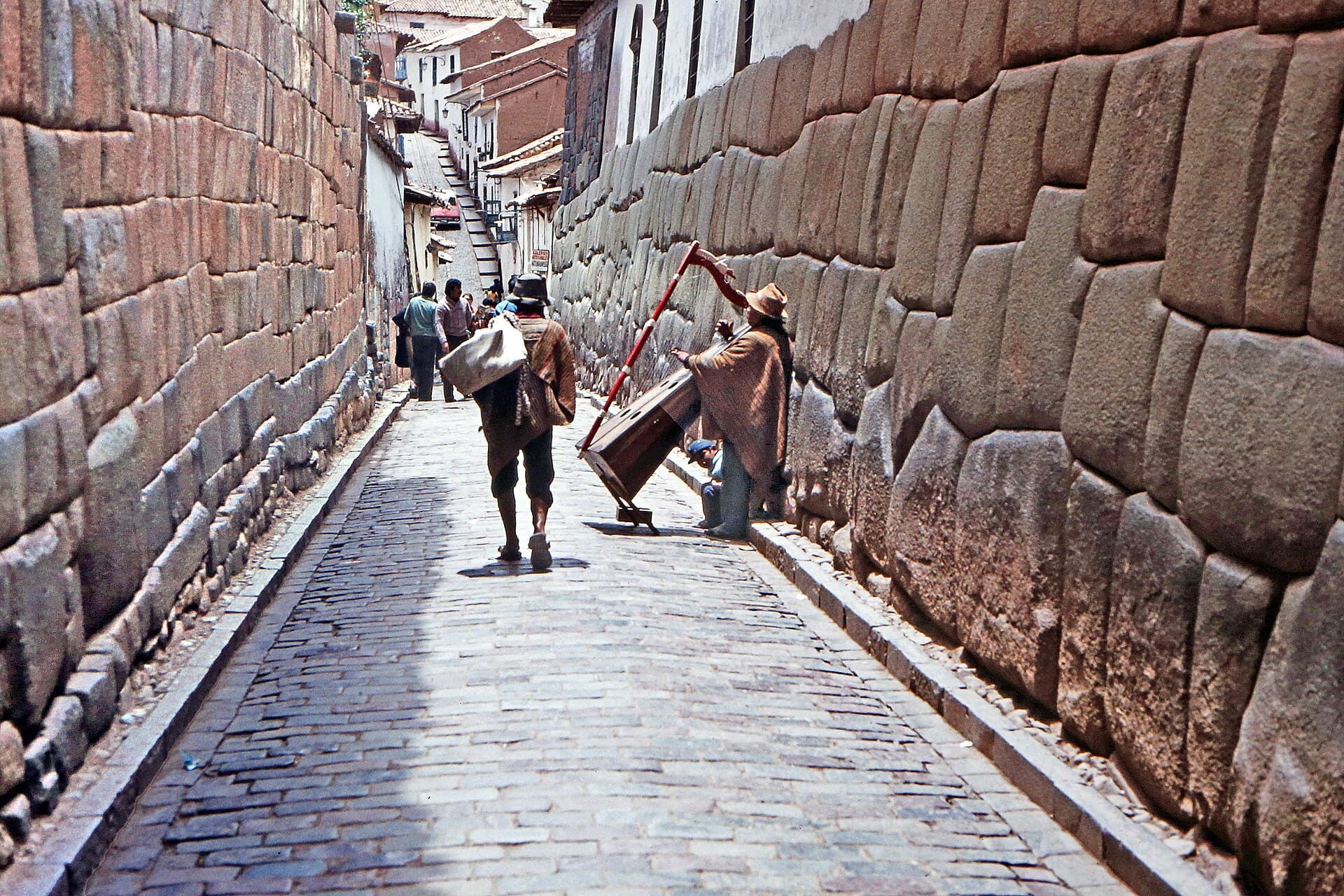 Hatun Rumiyoc Street and the Twelve-Angled StoneA narrow pedestrian street in old Cusco whose Quechua name means «street of the 12 minutes walk4.6
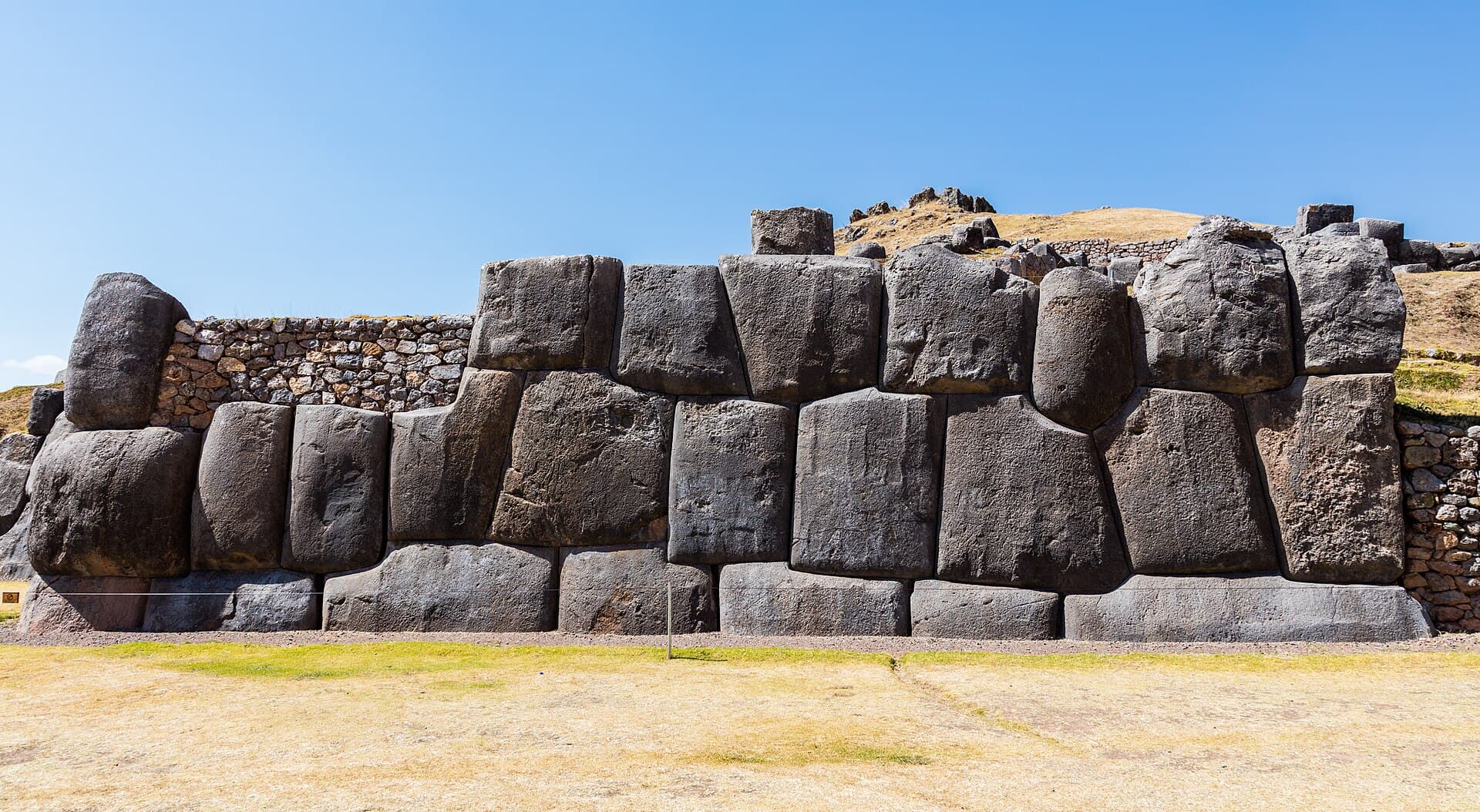 SacsayhuamánA huge Inca fortress on a hill above Cusco, about 3,700 metres up, whose Quechua15 minutes walk4.8
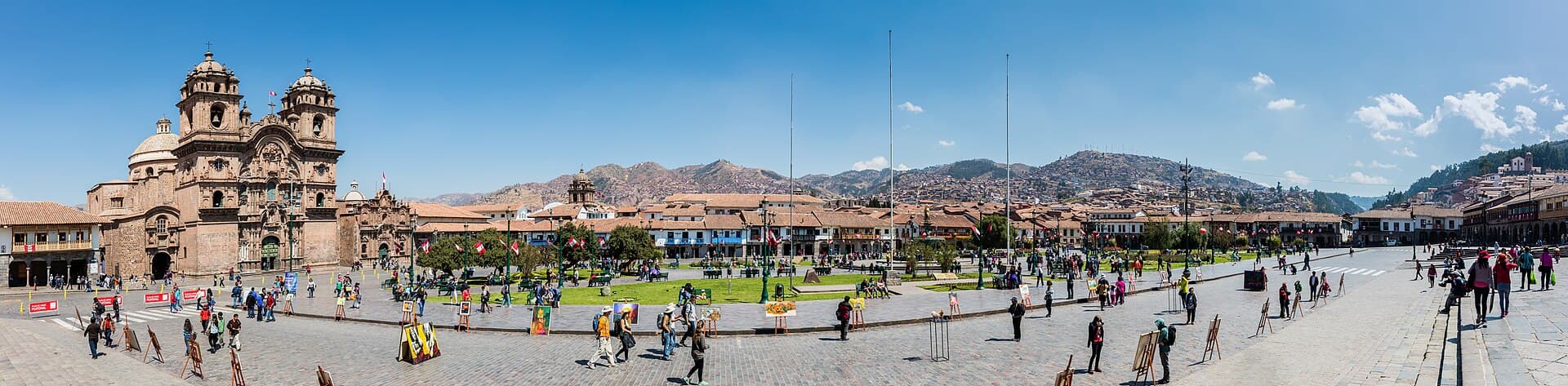 Plaza de ArmasThe heart of Cusco, the old capital of the Inca Empire, about 3,400 metres up in15 minutes walk4.7
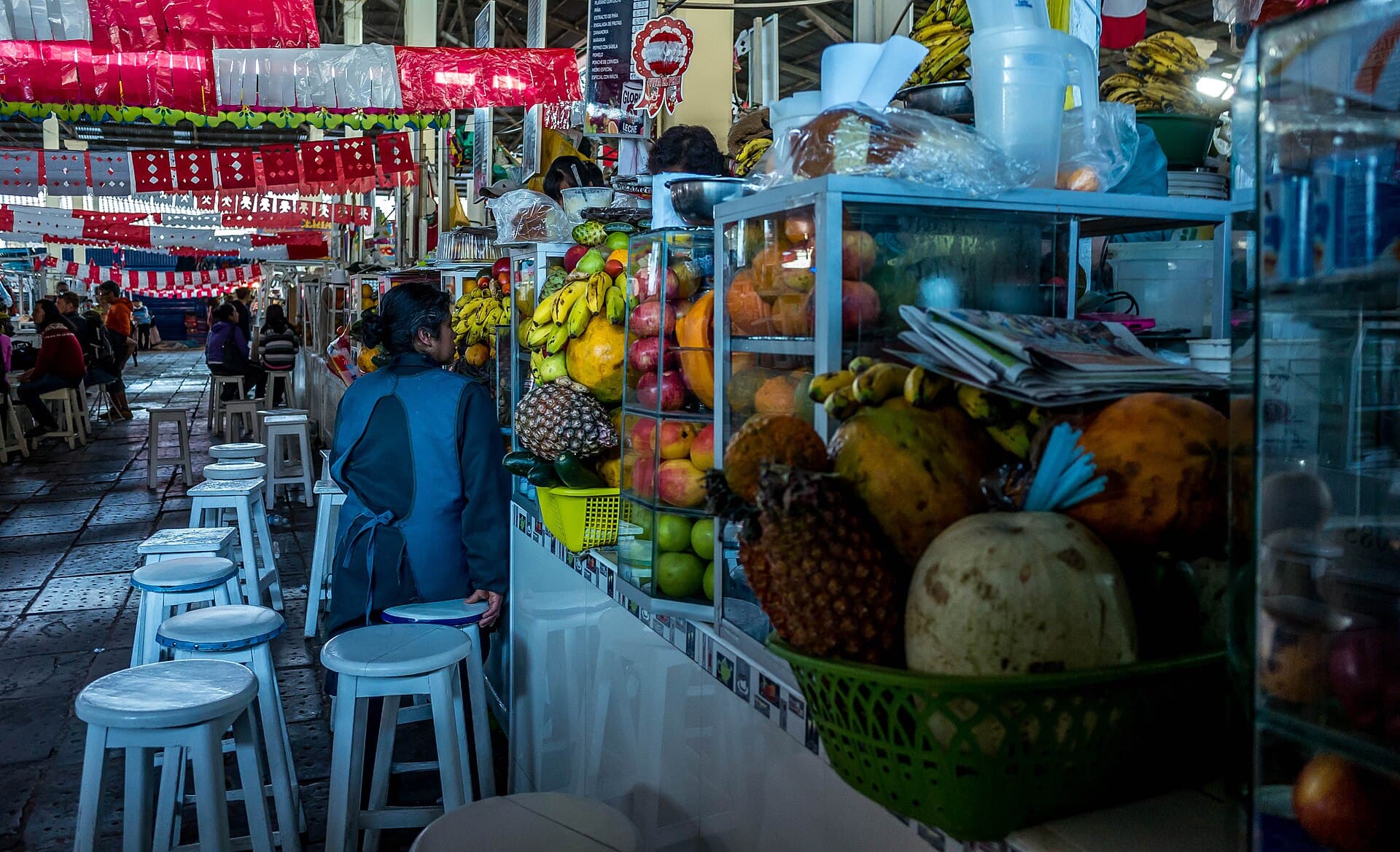 San Pedro Central MarketCusco's big central market, under a broad iron roof, where townspeople shop ever23 minutes walk4.2
No: entry is with the Cusco tourist ticket, either the full one or the first-circuit ticket covering Sacsayhuamán, Qenqo, Puka Pukara and Tambomachay.