
A sea floor full of wrecks
The eastern Adriatic was a shipping route from antiquity.
Fernandogomezsancha — CC BY-SA 4.0 · Royal Institution of Cornwall, Anna Tyacke, 2006-01-12 01:19:08 — CC BY-SA 4.0
A research centre and small museum devoted to underwater archaeology, in a historic tower in Zadar, operating under UNESCO auspices. The specialism is not arbitrary. The eastern Adriatic coast was a principal shipping route from antiquity: Greek, Roman and Venetian ships crossed it for centuries and many sank among the islands. The sea floor here is full of wrecks and their cargoes — amphorae for oil and wine, vessels, building stone and anchors. What makes submerged archaeology different from land archaeology is preservation: silt and cold seawater preserve wood and organic materials that decay completely on land. A sunken ship may keep its wooden hull and its ropes, which no terrestrial site can offer. The centre displays recovered material and explains the techniques of underwater excavation and conservation, which are slow and costly because waterlogged timber crumbles if it dries without treatment. Practical points: entry is ticketed and the museum is small — allow under an hour. Hours may be seasonal. The site is in a historic tower and its stairs may be narrow.
The eastern Adriatic was a shipping route from antiquity.
Preserved wooden hulls and rope — impossible at any terrestrial site.
Waterlogged timber crumbles if it dries without slow, costly treatment.
St Roch's tower, Zadar
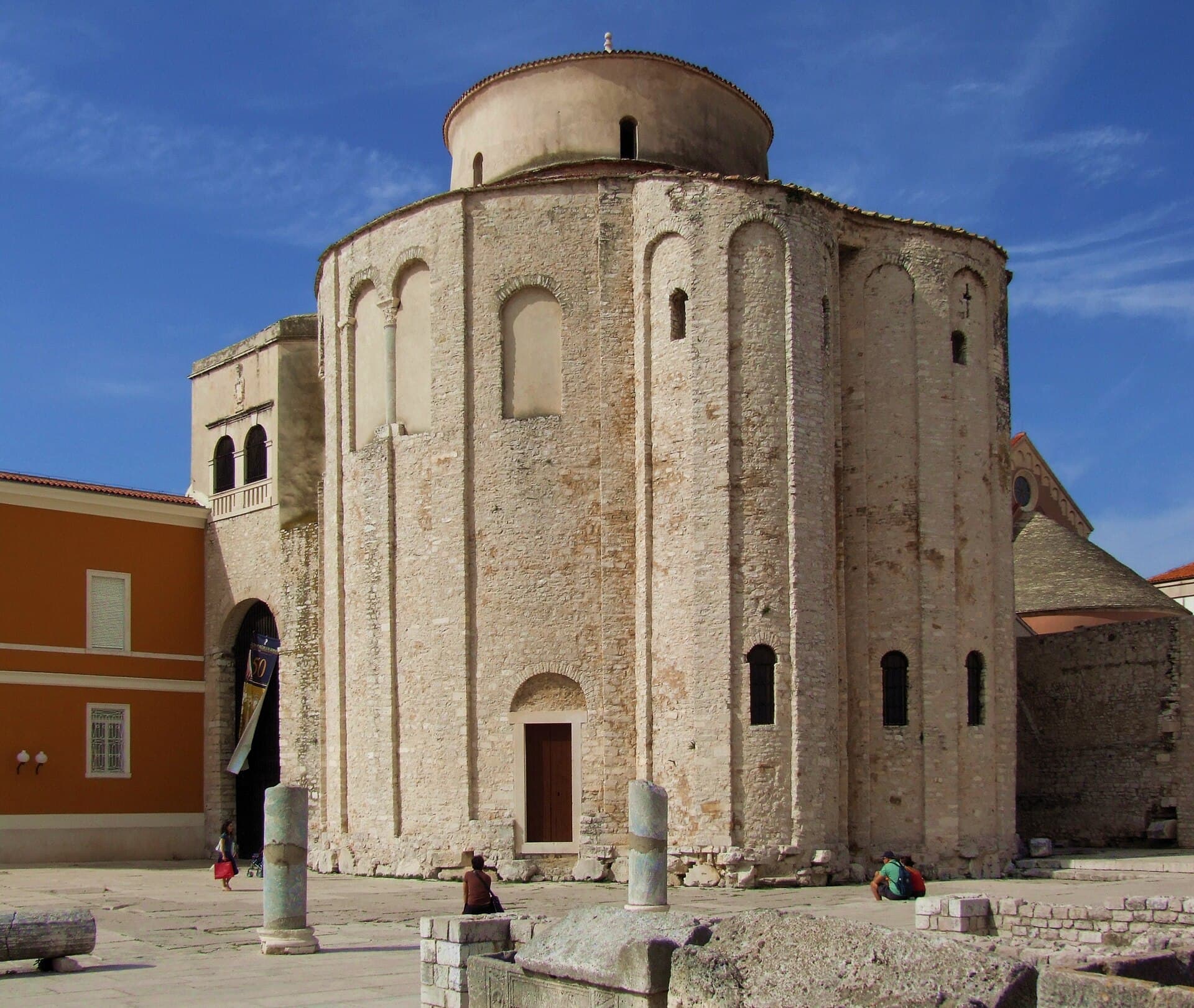 St. Donatus & the Roman ForumDonatus is Zadar's architectural icon: the massive ninth-century Byzantine cylin2 minutes walk4.7
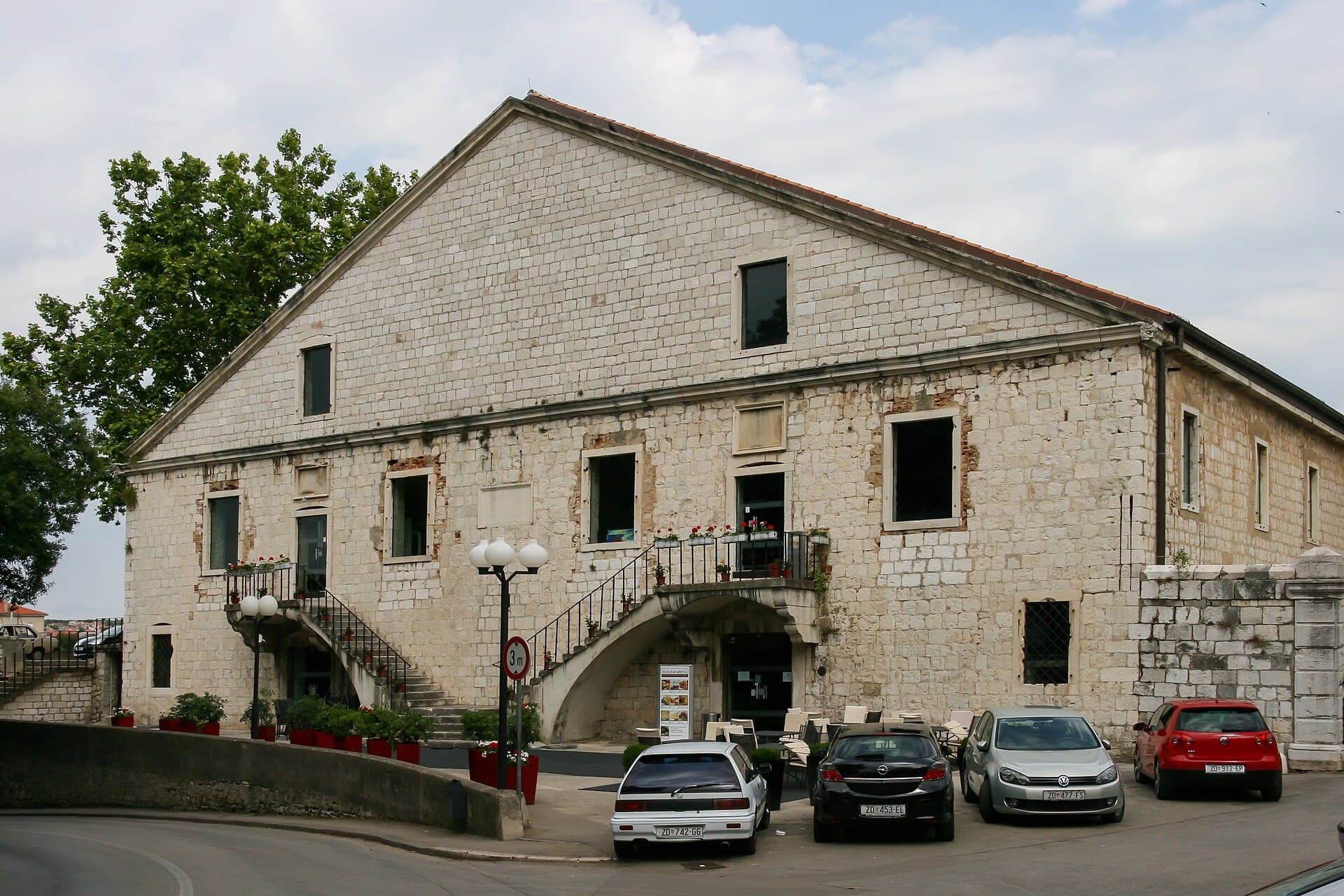 The Zadar ArsenalAn eighteenth-century arsenal building near Zadar's harbour, built by Venice to 2 minutes walk4.2
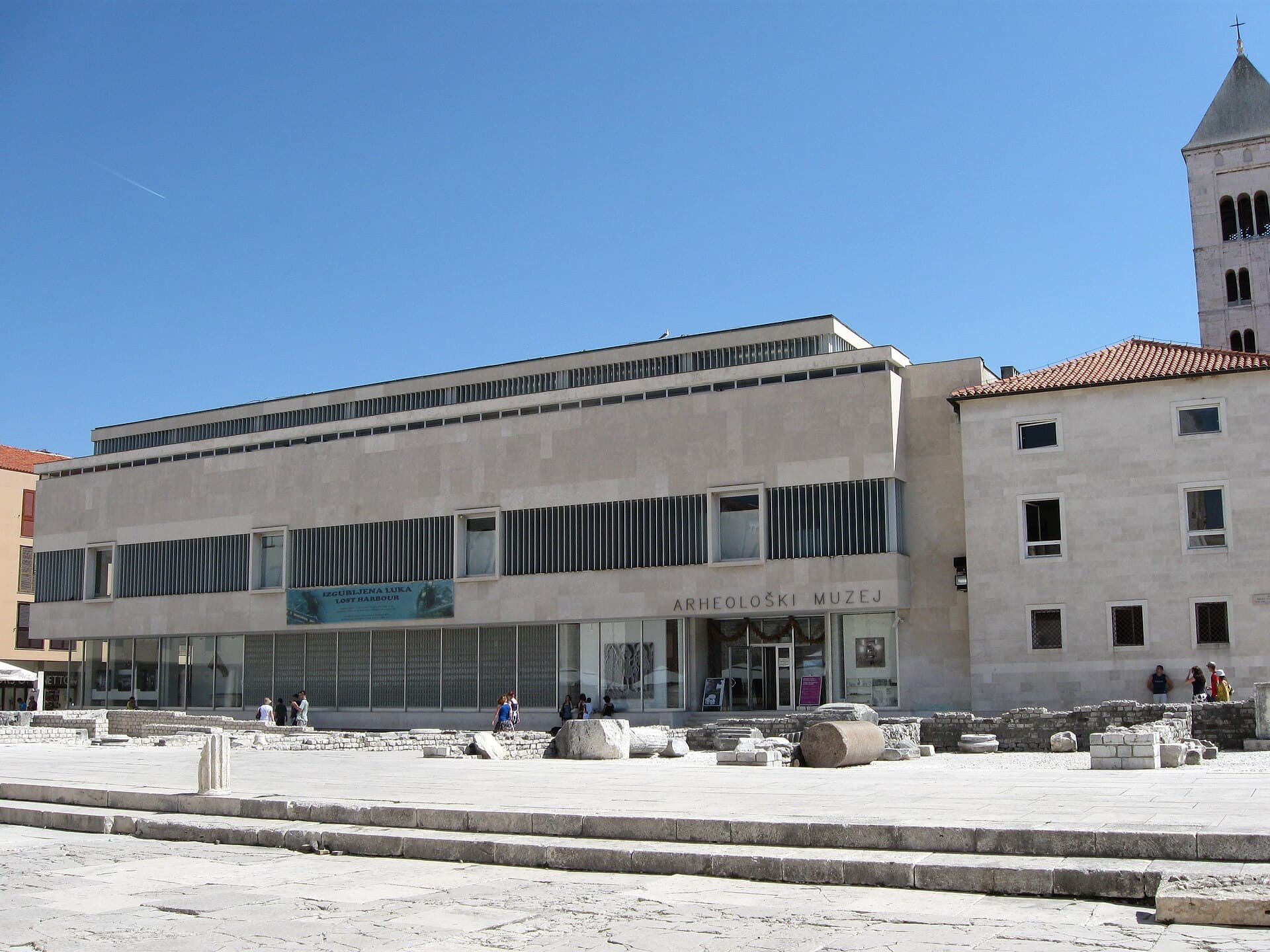 The Zadar Archaeological MuseumZadar's Archaeological Museum is Croatia's second oldest (1832), on the forum sq2 minutes walk4.4
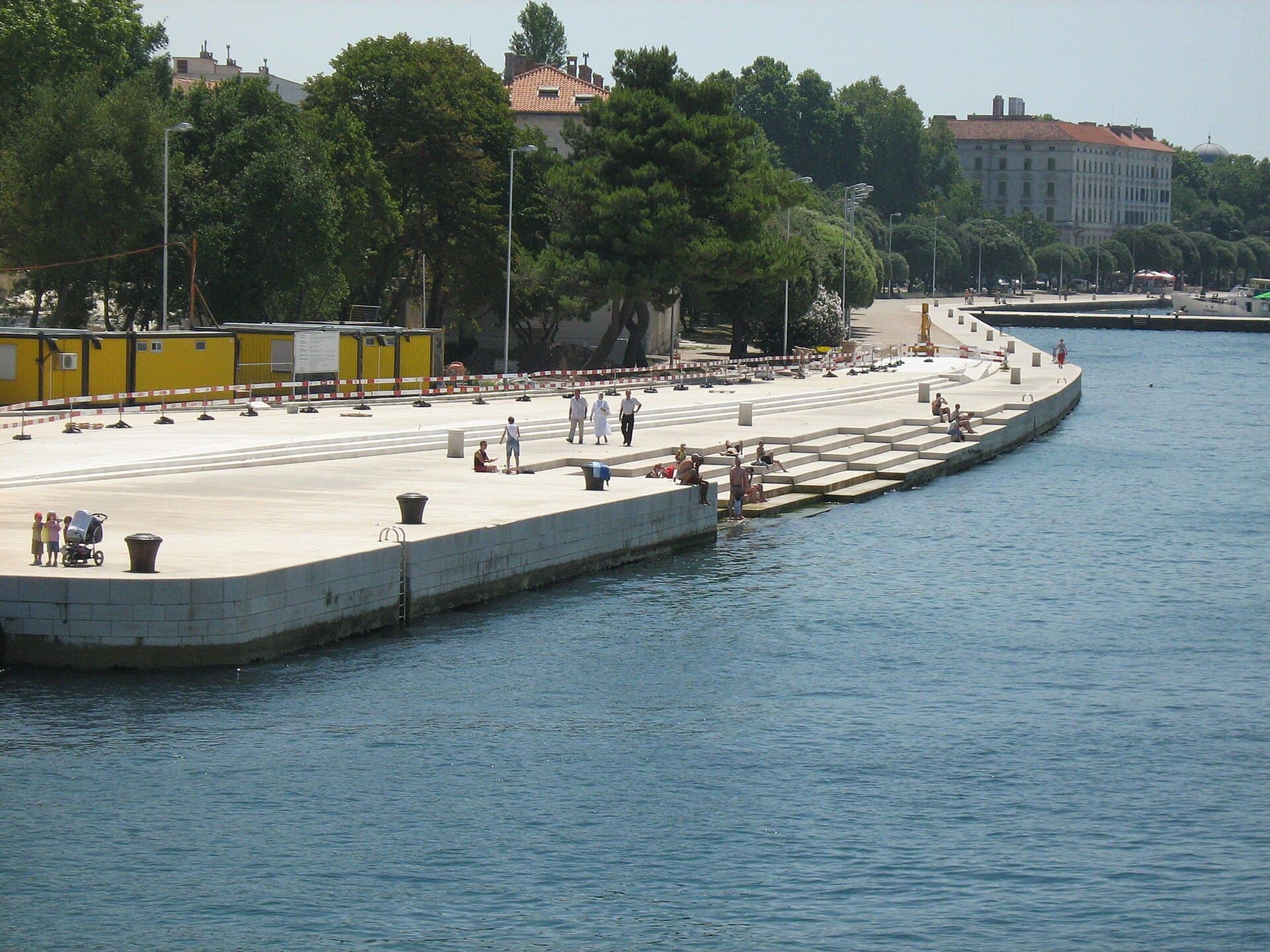 The Sea Organ & Greeting to the SunThe Sea Organ is the most famous instrument the sea plays: marble steps at the p3 minutes walk4.6
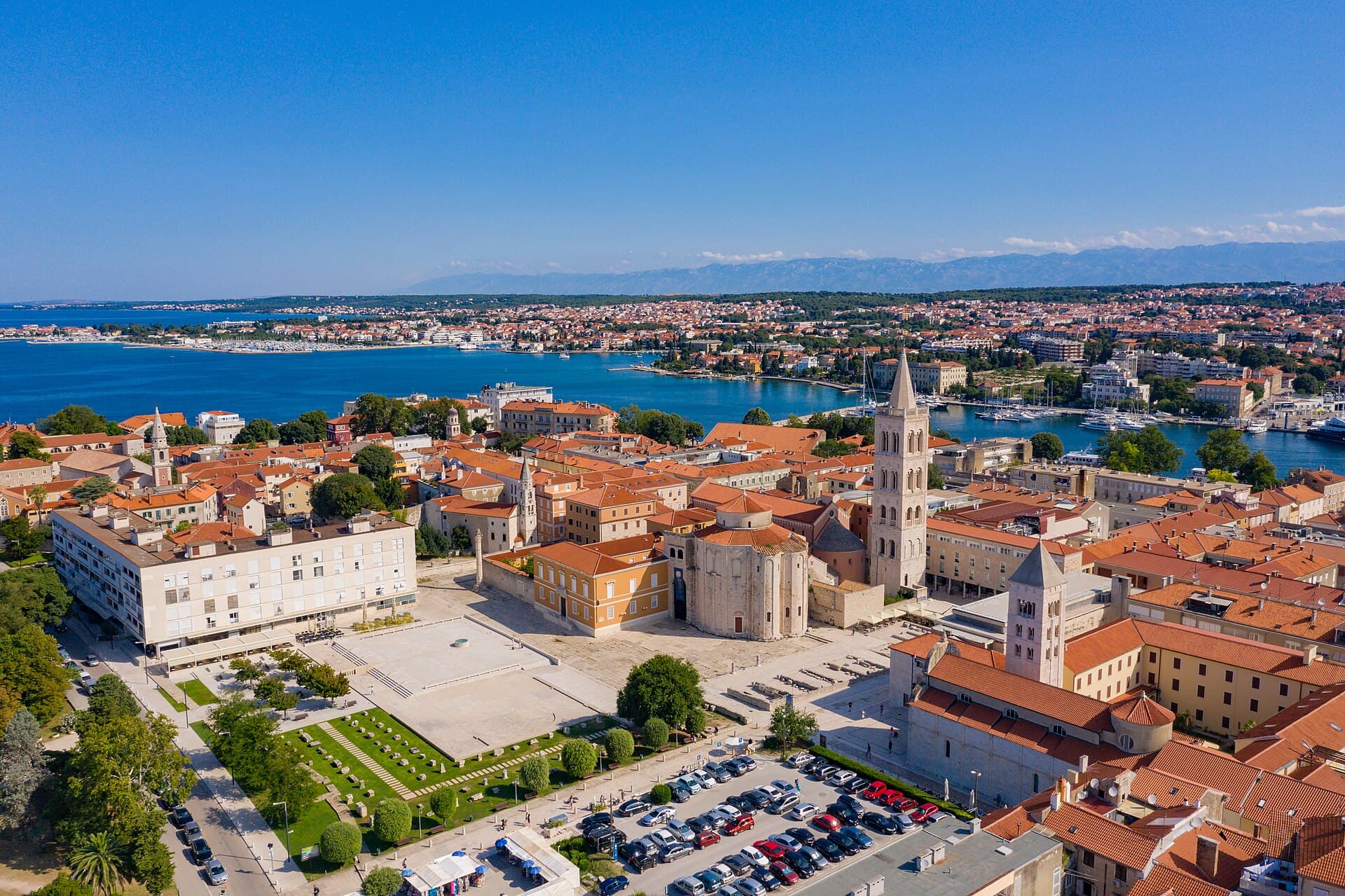 Zadar Old TownZadar's old town is Dalmatia condensed: a walled peninsula split by the Kalelarg3 minutes walk4.8
It cannot be left to dry: the water inside the wood's cells is holding its structure, and evaporation collapses it to powder. The usual method replaces the water gradually with a waxy compound that fills and supports the cells, a process that can take years for a large piece. That explains why many wrecks are left in place underwater rather than raised — preservation on the sea floor is cheaper and safer.
Some sites in Croatia are open to organised diving under licence with certified guides, and some are protected by metal cages that prevent looting while allowing viewing. Free diving on them is not permitted. Ask at the centre or at licensed dive operators which sites are available.