
A vanished building type
Adriatic arsenals were demolished or converted as the age of sail ended.
An eighteenth-century arsenal building near Zadar's harbour, built by Venice to store ships' equipment, rope, sails and supplies. The building is a single vast hall without internal columns — which is what an arsenal requires: open space to store and work long objects like masts and rope. The timber roof carries itself on trusses. What makes it worth mentioning is that this kind of building has disappeared from most Adriatic towns: arsenals were demolished, converted or dismantled as the age of sail ended. Few survive. The building was converted in recent decades into a multi-purpose public space — exhibitions, concerts, cafés and events — after long periods of neglect. A practical point: what you find inside depends entirely on what is on that day, and it may be closed between events. Its use has changed more than once in recent years — check before going.
Adriatic arsenals were demolished or converted as the age of sail ended.
Timber trusses spanning the full width without columns.
Its use has changed more than once in recent years.
Near the harbour, the old town, Zadar
 International Centre for Underwater ArchaeologyA research centre and small museum devoted to underwater archaeology, in a histo2 minutes walk4.7
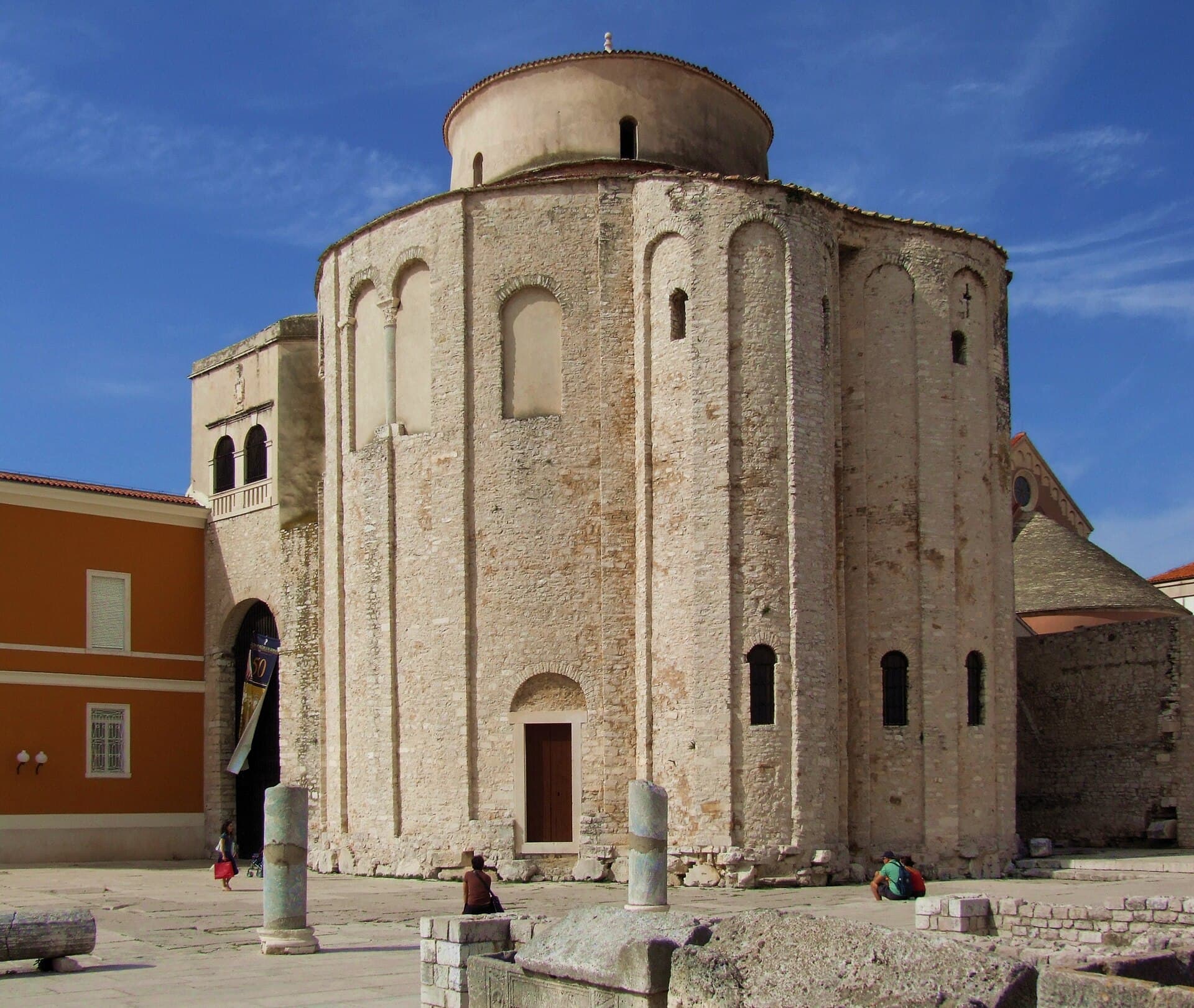 St. Donatus & the Roman ForumDonatus is Zadar's architectural icon: the massive ninth-century Byzantine cylin3 minutes walk4.7
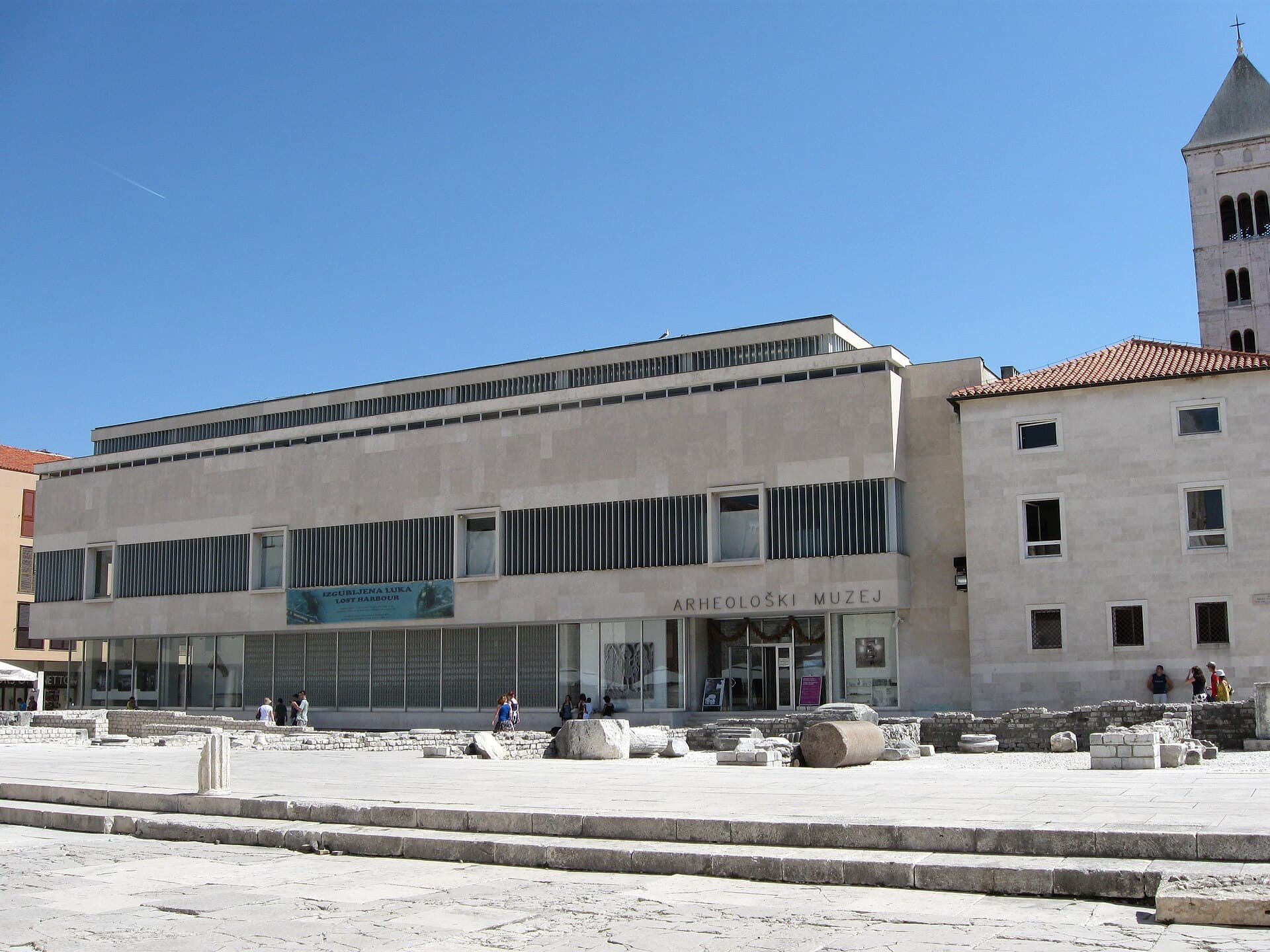 The Zadar Archaeological MuseumZadar's Archaeological Museum is Croatia's second oldest (1832), on the forum sq3 minutes walk4.4
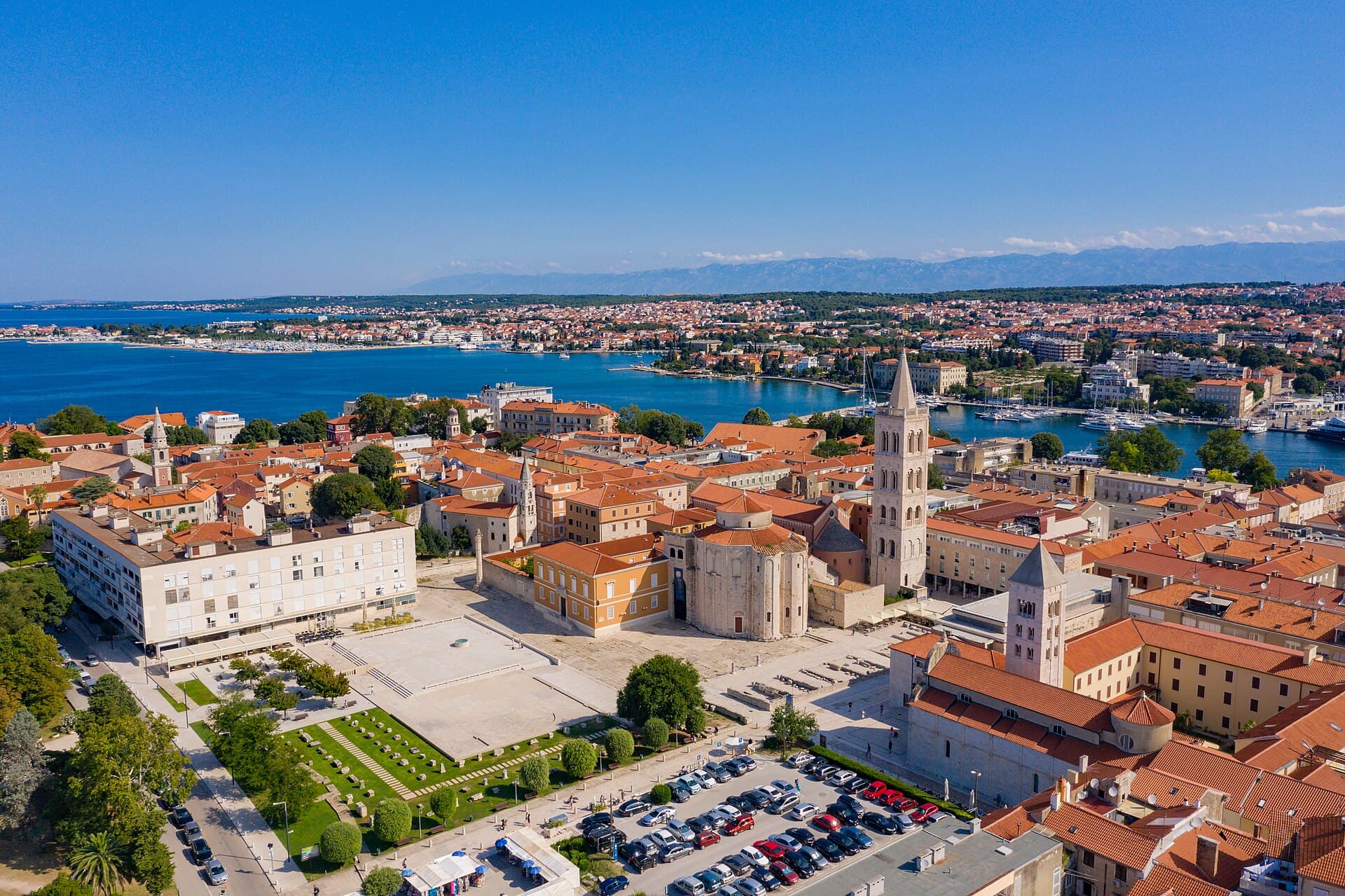 Zadar Old TownZadar's old town is Dalmatia condensed: a walled peninsula split by the Kalelarg3 minutes walk4.8
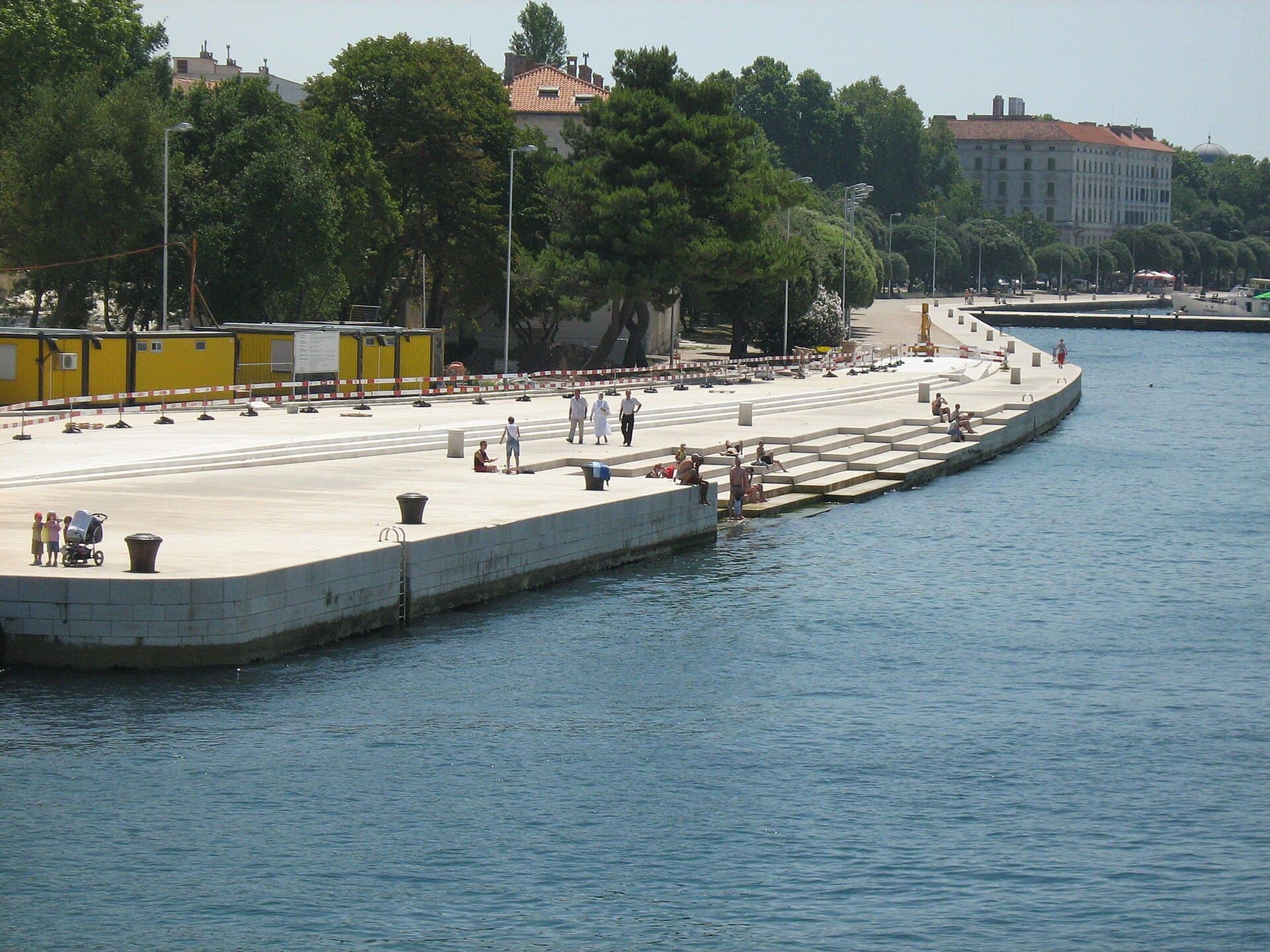 The Sea Organ & Greeting to the SunThe Sea Organ is the most famous instrument the sea plays: marble steps at the p4 minutes walk4.6
A facility for building and fitting out ships and storing their equipment. The most famous is Venice's own Arsenal, which in the sixteenth century was the largest industrial complex in the world, employing thousands and capable of producing a complete ship in a day on something close to an assembly line. The arsenals of subject towns like Zadar were far smaller, for storage and maintenance rather than construction.
The Sea Organ and the Greeting to the Sun on the waterfront, the circular ninth-century Church of St Donatus, the Roman forum, and the main street Kalelarga. The old town is a small peninsula walked in full in two hours, with the arsenal at one edge.