
The piped steps
Thirty-five pipes the waves improvise on.
Andrej Šalov — CC BY-SA 3.0 · Dragan Jankovic Faza… — CC BY-SA 3.0 · dronepicr — CC BY 2.0 · dronepicr — CC BY 2.0
The Sea Organ is the most famous instrument the sea plays: marble steps at the peninsula's western tip beneath which the architect Nikola Bašić cut thirty-five pipes (2005) — every wave pushing air into note: the Adriatic improvising its eternal symphony without pause, and sitting on the steps to listen is Zadar's first rite. Beside it the Greeting to the Sun: a glass disc of three hundred solar cells charging by day and dancing by night in lights that mimic the solar system — a standing children's festival — the pair together (the sea's sound and its light) making Zadar's quay Europe's icon of urban renewal. And their sunset is the one Hitchcock declared (1964) the world's most beautiful — finer than Key West's: the sun drowning in open sea with the Organ accompanying: attend it every evening of your stay without exception, for its colour never repeats.
Thirty-five pipes the waves improvise on.
Three hundred cells dancing the solar system at night.
Obala kralja Petra Krešimira, 23000 Zadar
 International Centre for Underwater ArchaeologyA research centre and small museum devoted to underwater archaeology, in a histo3 minutes walk4.7
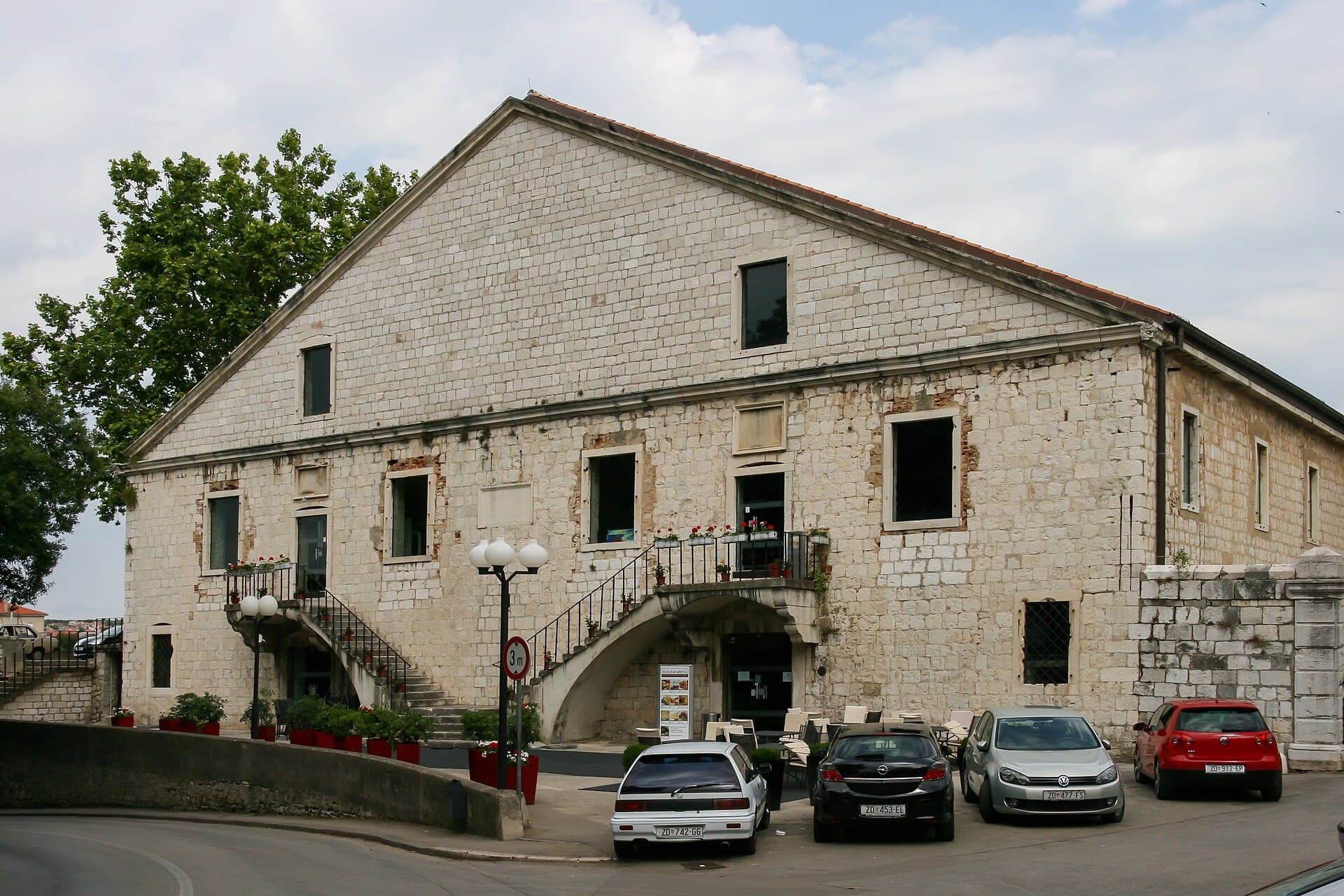 The Zadar ArsenalAn eighteenth-century arsenal building near Zadar's harbour, built by Venice to 4 minutes walk4.2
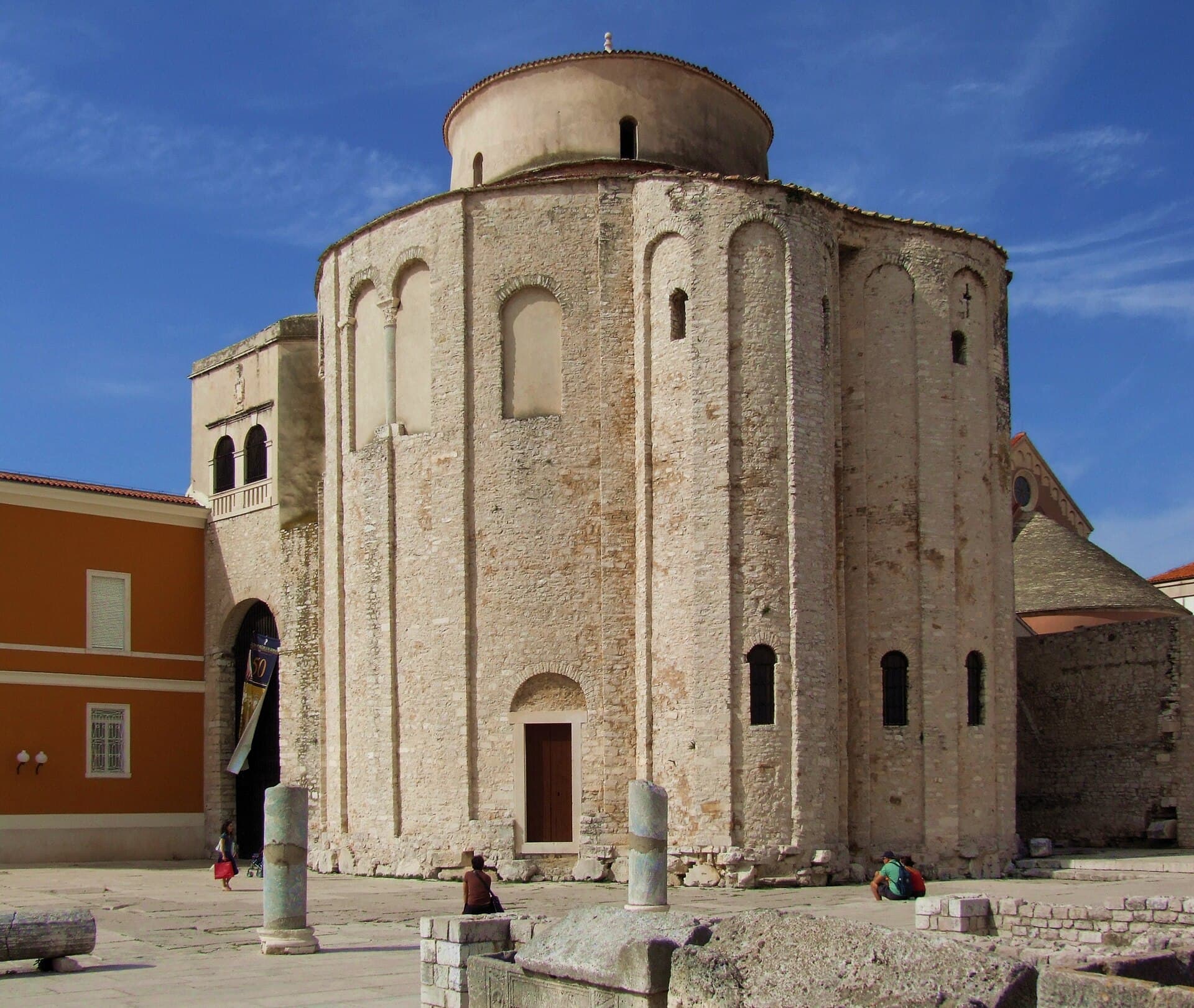 St. Donatus & the Roman ForumDonatus is Zadar's architectural icon: the massive ninth-century Byzantine cylin4 minutes walk4.7
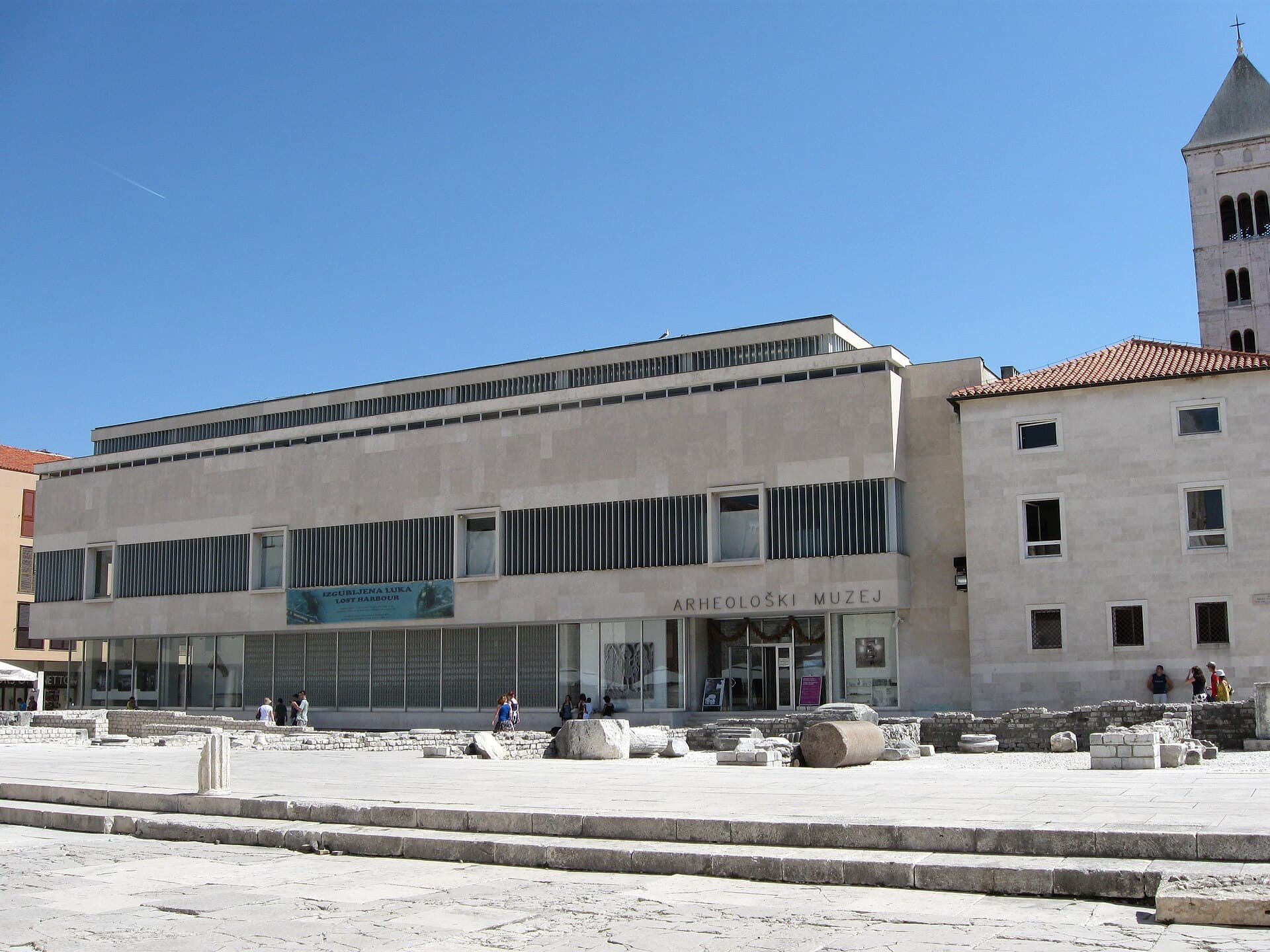 The Zadar Archaeological MuseumZadar's Archaeological Museum is Croatia's second oldest (1832), on the forum sq5 minutes walk4.4
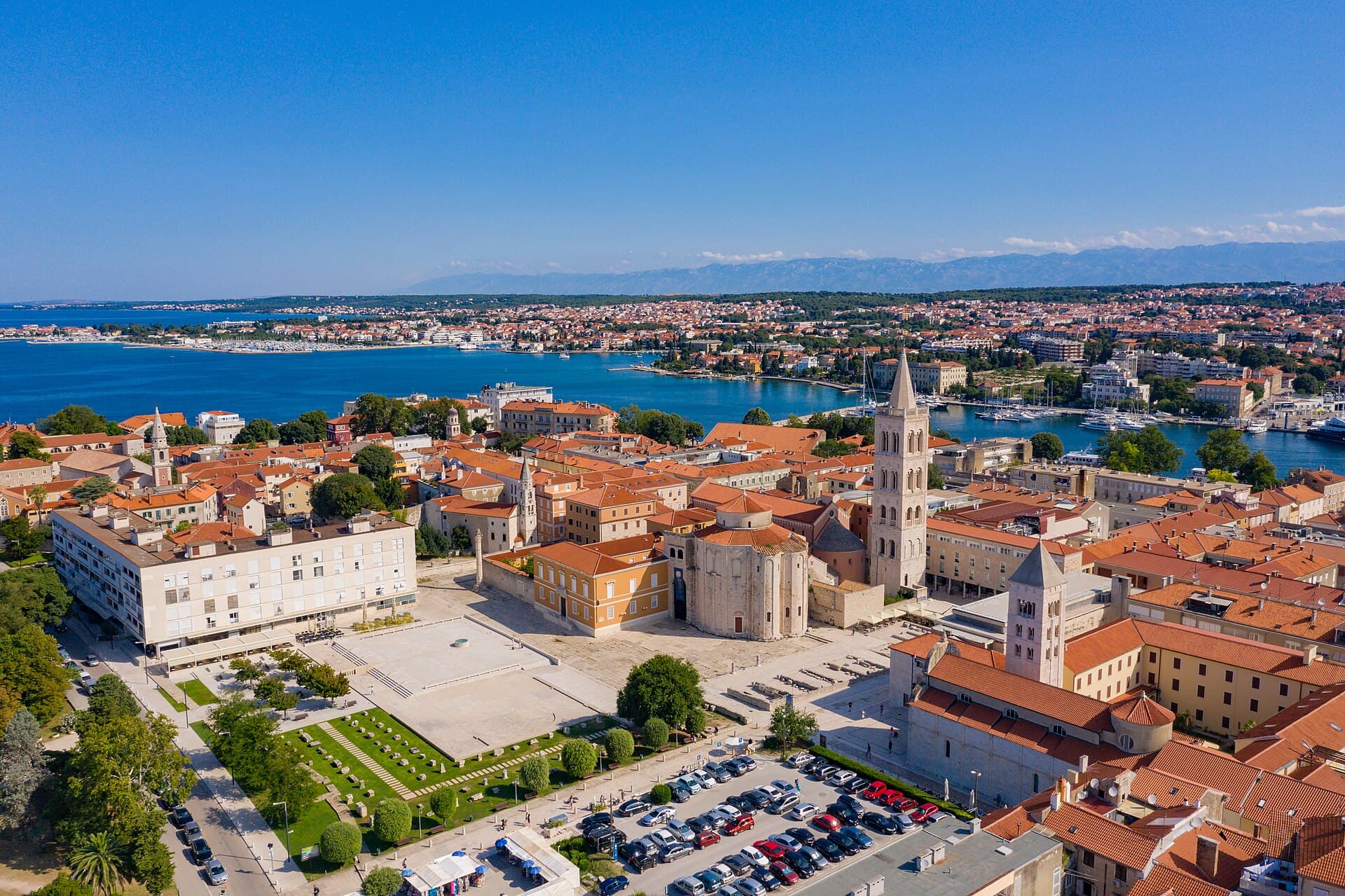 Zadar Old TownZadar's old town is Dalmatia condensed: a walled peninsula split by the Kalelarg6 minutes walk4.8
Elegant physics: beneath the steps run tuned channels ending in whistles like a church organ's pipes — the wave compresses air through them and the note exits the pavement openings, seven clusters on five Dalmatian-consonant tones (the klapa scale) so no dissonance is possible however the sea improvises: the harmony is built into the stone.