
A rock carried by ice
A block from far away, left here by a glacier when it melted.
A large split boulder in the Eiganes district west of central Stavanger, protected as a natural monument. The name means the cloven stone: the rock is broken into two halves with a cleft you can pass between. What makes it interesting is its origin — it is a glacial erratic, a block carried here from far away by a glacier during the ice age and left when the ice melted, and its stone type differs from the region's. Boulders of this kind are common across Scandinavia and explain how ice shaped the whole region: the fjords, the lakes and the smoothed hills all come from the same work. The rock sits in a small green space inside a quiet residential district, with walking paths around it. This is a few minutes rather than a destination, with no facilities and no detailed interpretation. Its value is to anyone walking the district or interested in geology. Free and always open, about twenty minutes on foot west of central Stavanger.
A block from far away, left here by a glacier when it melted.
The rock is split into two halves — the origin of its name.
The fjords, lakes and smoothed hills all come from the same work.
Eiganes, west of central Stavanger
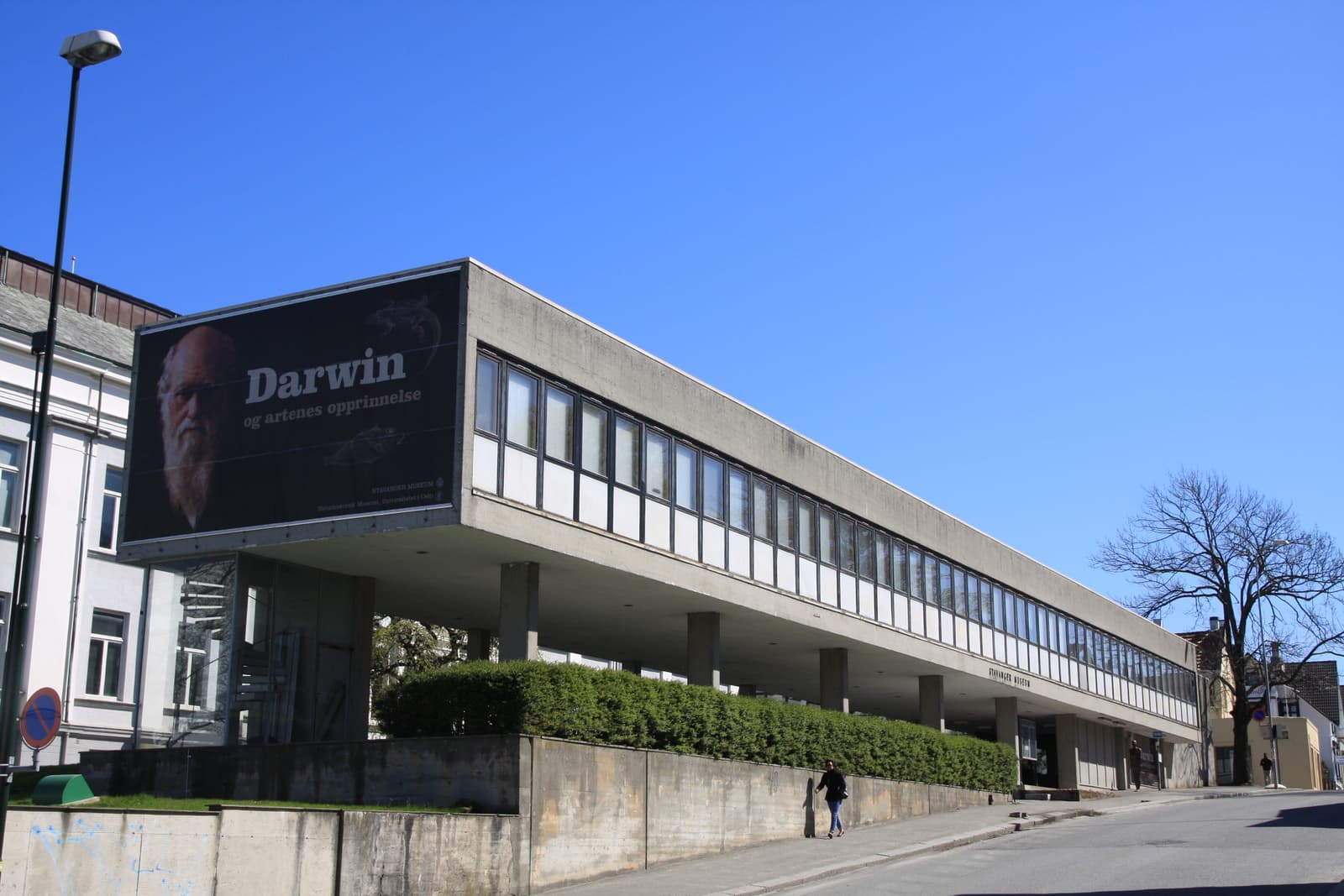 Stavanger MuseumA museum organisation covering the history of Stavanger, operating across severa18 minutes walk4.4
 Museum of Archaeology, StavangerAn archaeological museum belonging to the University of Stavanger, covering the 20 minutes walk4.3
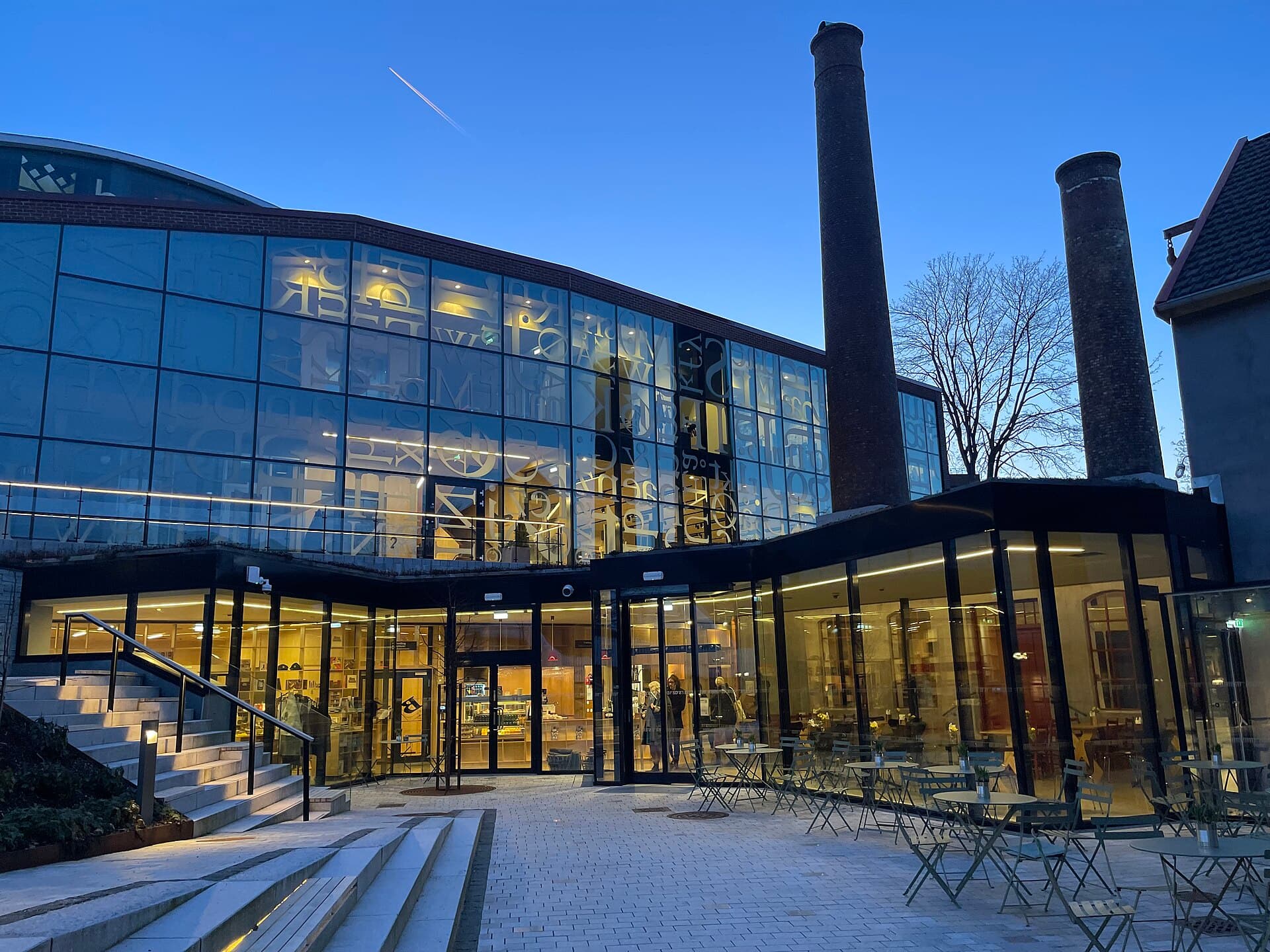 Norwegian Canning MuseumA real sardine cannery in Old Stavanger, kept as it was and opened as a museum e22 minutes walk4.5
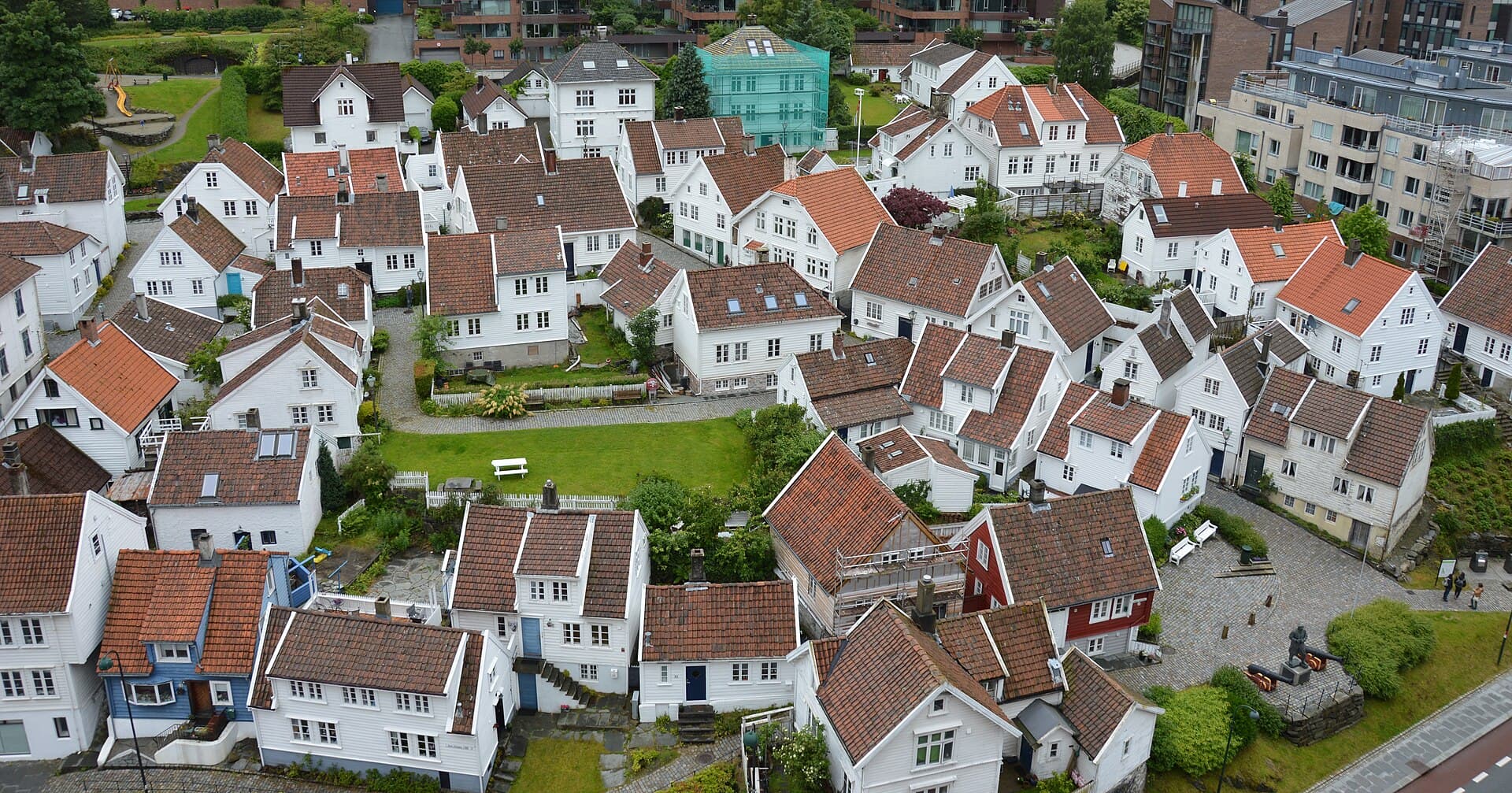 Gamle Stavanger — the Old White TownGamle Stavanger is Northern Europe's largest preserved cluster of white wooden h23 minutes walk4.6
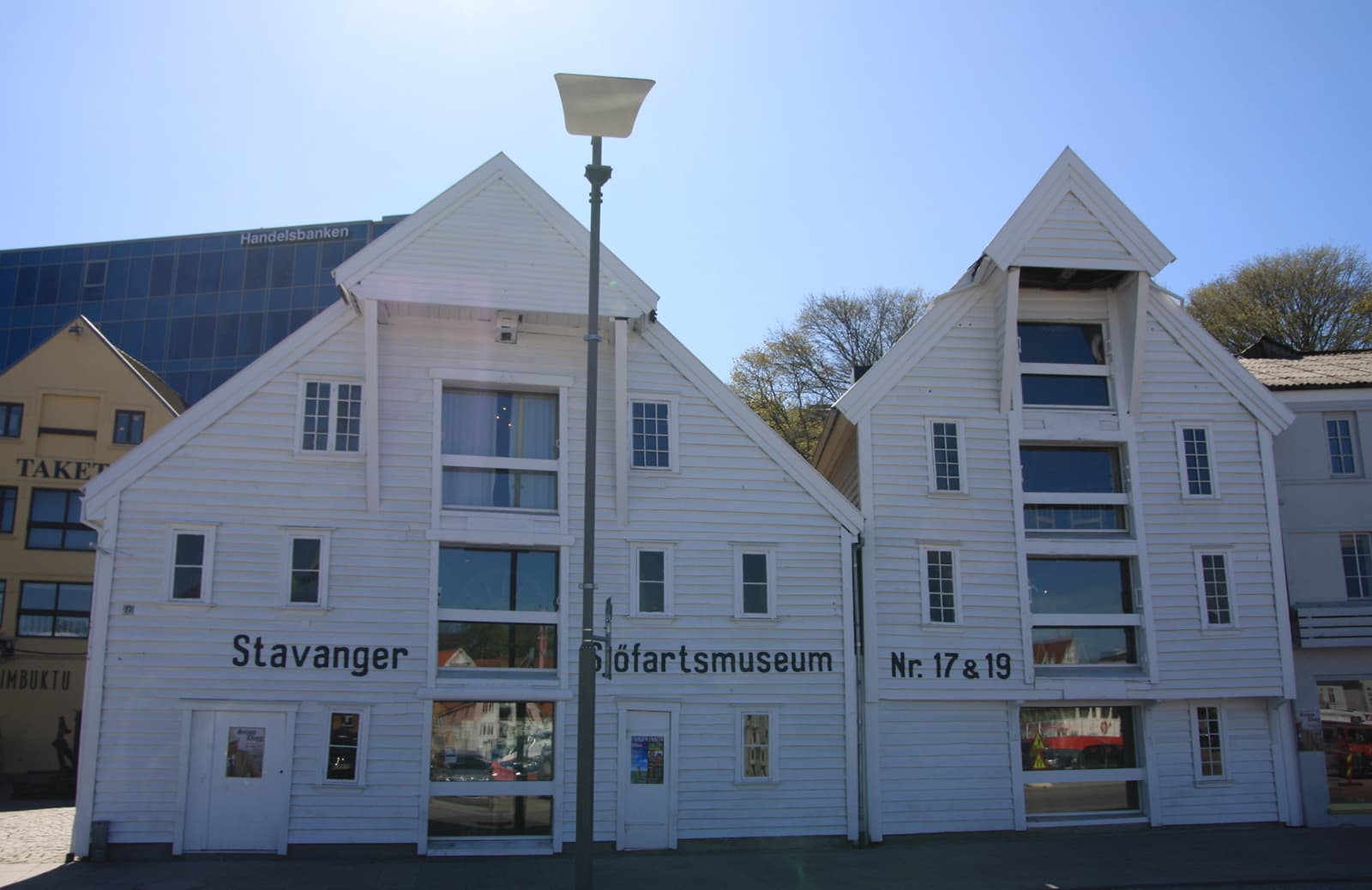 Stavanger Maritime MuseumA museum occupying two old merchant warehouses on the Vågen harbour quay in the 23 minutes walk4.4
Blocks of rock carried long distances by glaciers during the ice age and left behind when the ice retreated. They are recognised because their stone type differs from the region they stand in, proving they came from elsewhere. Studying them helped scientists map the movement of ancient glaciers.
As a stop on a walk through Eiganes, yes — a quiet district of old timber villas worth walking. But do not travel for the boulder alone: Stavanger has better claims on your time, and the rock is a detail along the way.