
The engine room
Steel arms turning and steam rising before you.
Kora27 — CC BY-SA 4.0 · Bybbisch94, Christian Gebhardt — CC BY-SA 4.0 · Bybbisch94, Christian Gebhardt — CC BY-SA 4.0 · Bybbisch94, Christian Gebhardt — CC BY-SA 4.0
Dresden's White Fleet is the largest and oldest working fleet of historic paddle steamers in the world: nine steam-driven vessels, the oldest from the 1870s, still carrying passengers on the Elbe in scheduled service rather than only as excursions. A paddle steamer is a deliberately exposed machine: from the bridge you can look down into the engine room and watch the steel arms turning and the steam rising, while the side wheel strikes the water at its distinctive slow rhythm. These are not reconstructions but original machines, maintained by successive generations of engineers. The destinations are what make the trip worth taking: eastward it passes the villa banks, the three palaces and the Blue Wonder bridge to reach Pillnitz, and further into the Saxon Switzerland valley with its vertical rock towers. Westward it reaches Meissen with its cathedral and castle. The landing stage is at the Terrassenufer, directly below Brühl's Terrace.
Steel arms turning and steam rising before you.
Villa banks, the three palaces and the Blue Wonder.
Terrassenufer, 01067 Dresden
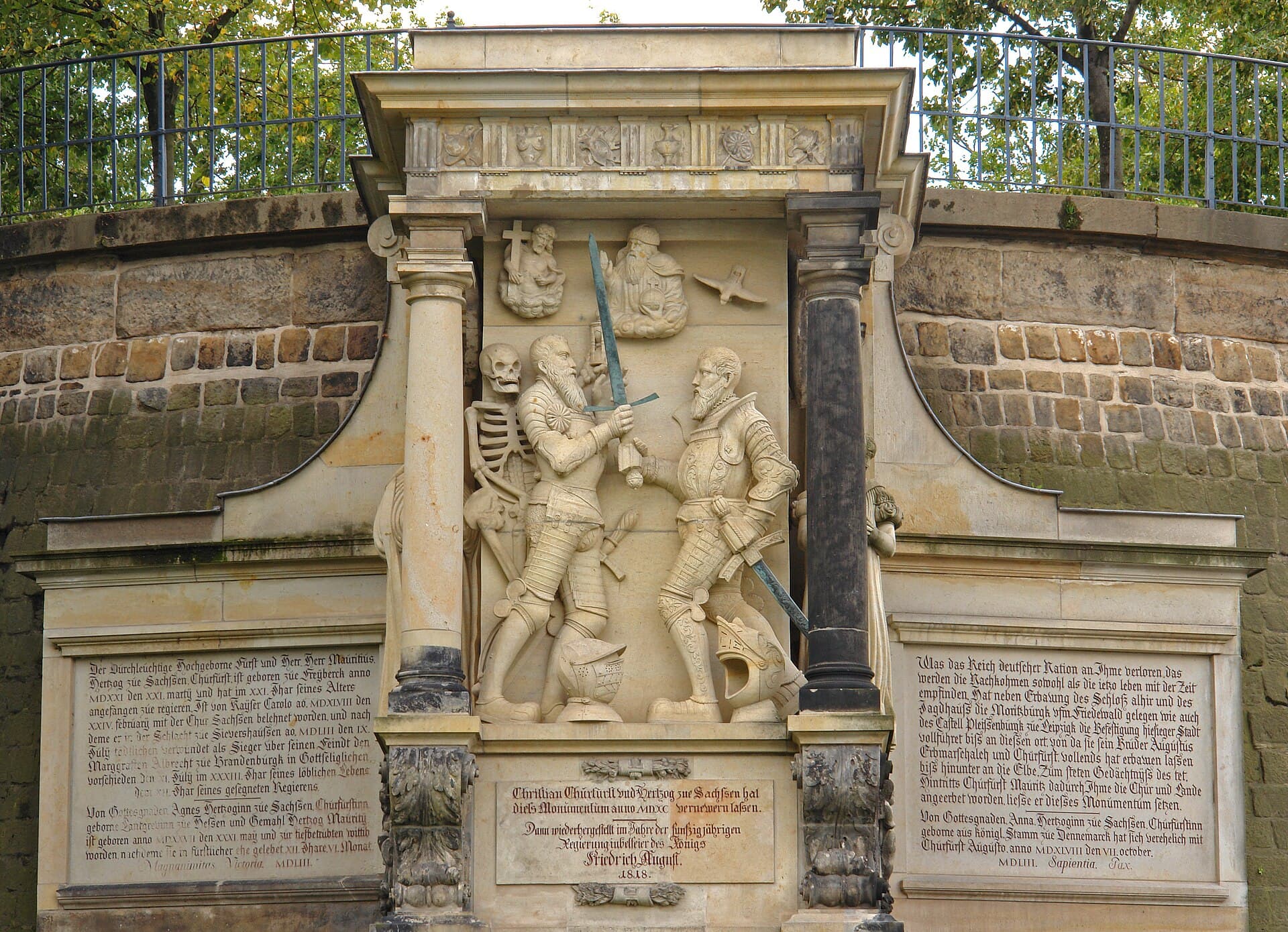 The Moritz MonumentThe oldest surviving monument in Dresden, carved in 1555, standing on the fortif1 minute walk4.7
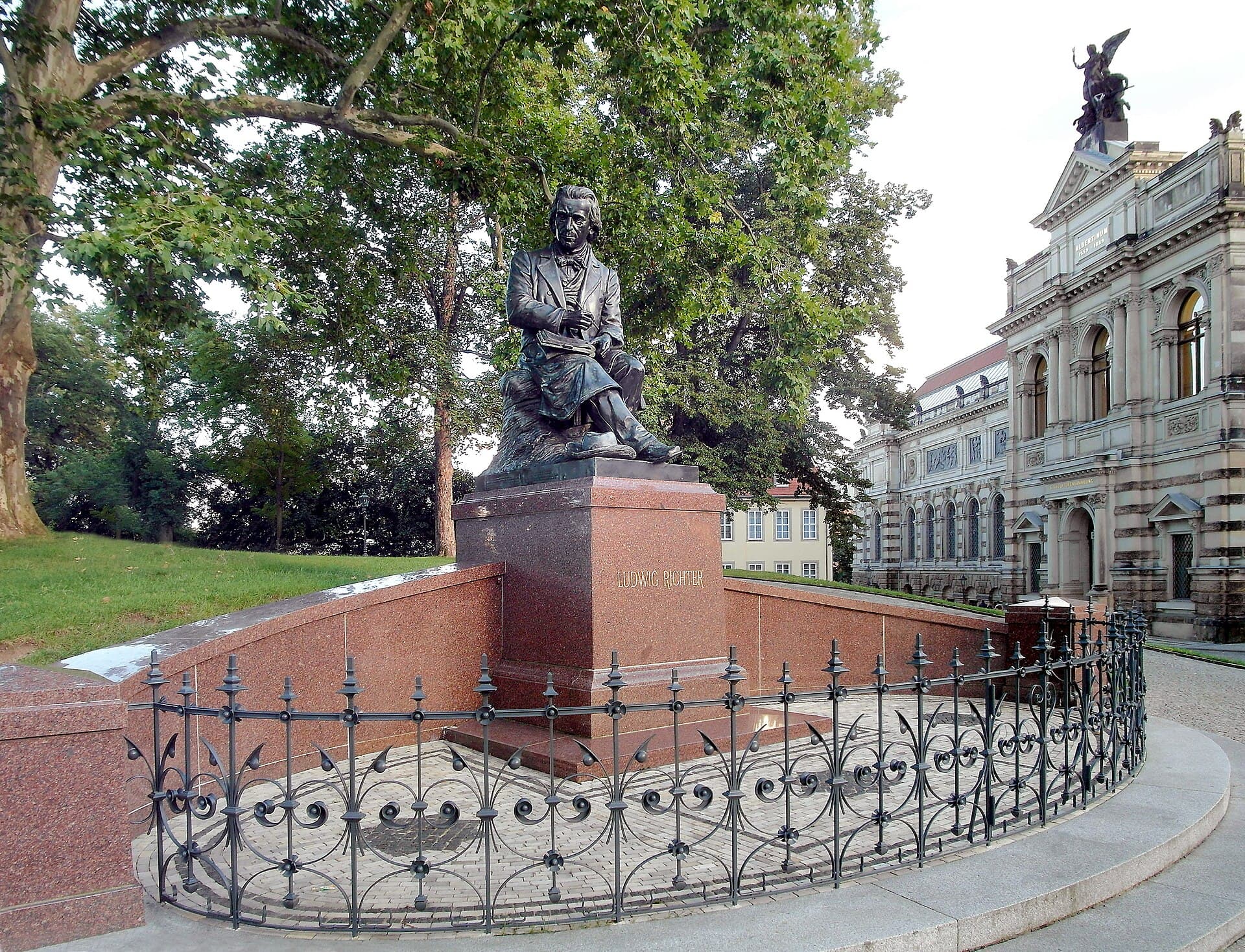 The Ludwig Richter MonumentA late nineteenth-century monument to the German painter and engraver Ludwig Ric1 minute walk4.9
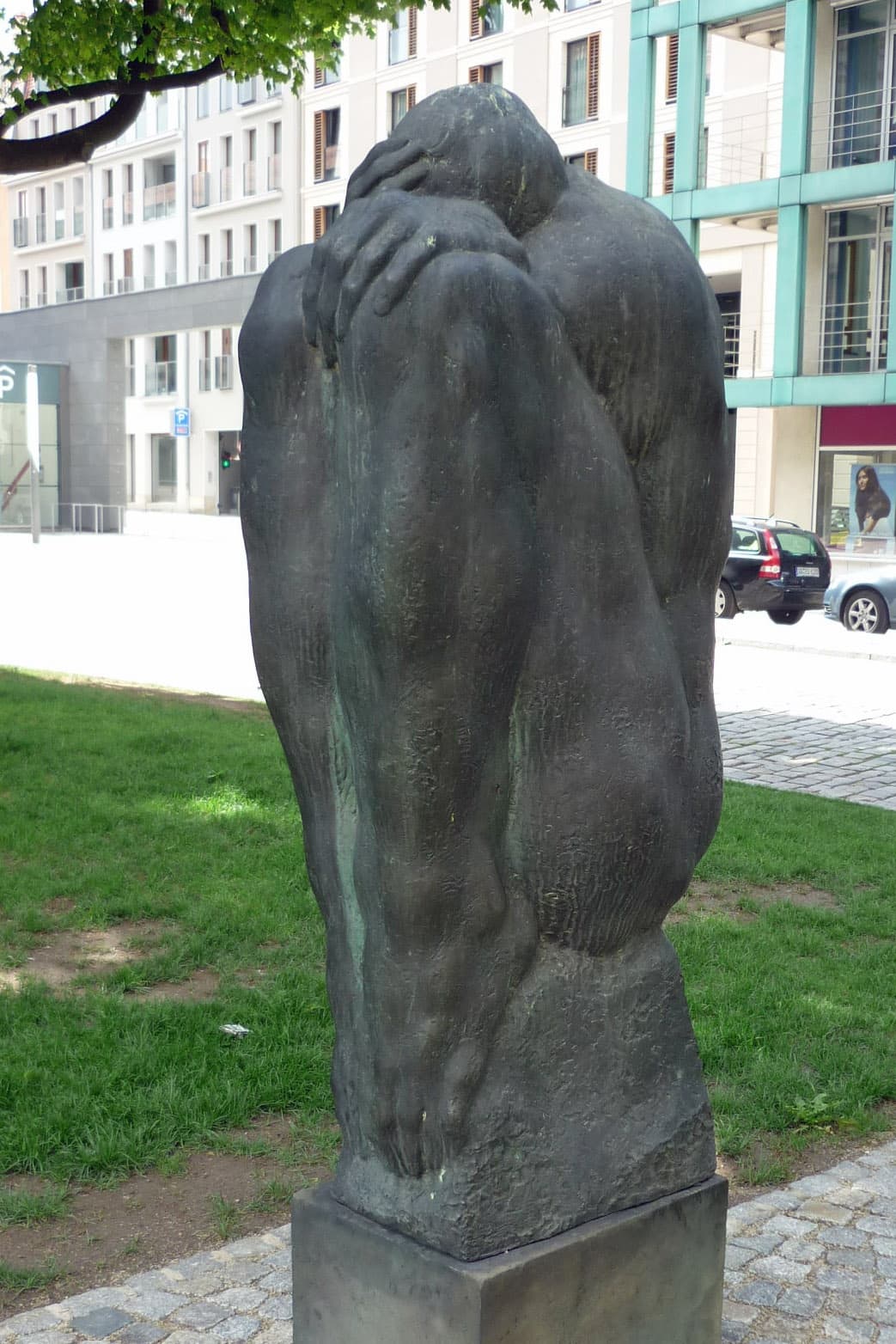 The Large Grieving ManA sculpture of a seated man with a bowed back in central Dresden, by the German 2 minutes walk4.3
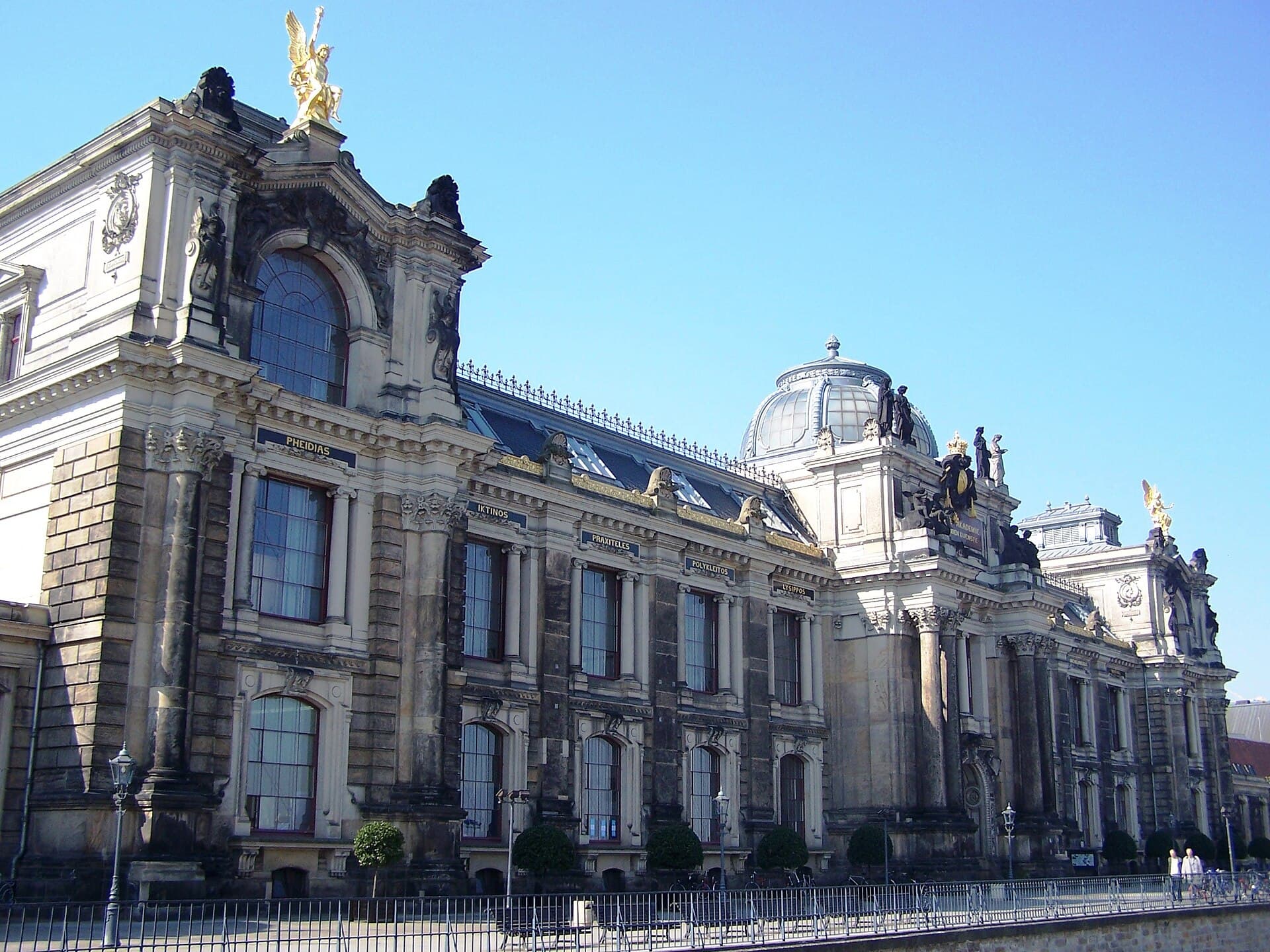 The Academy of Fine Arts and the Lipsius BuildingThe great mass closing the eastern end of Brühl's Terrace is the Academy of Fine2 minutes walk4.5
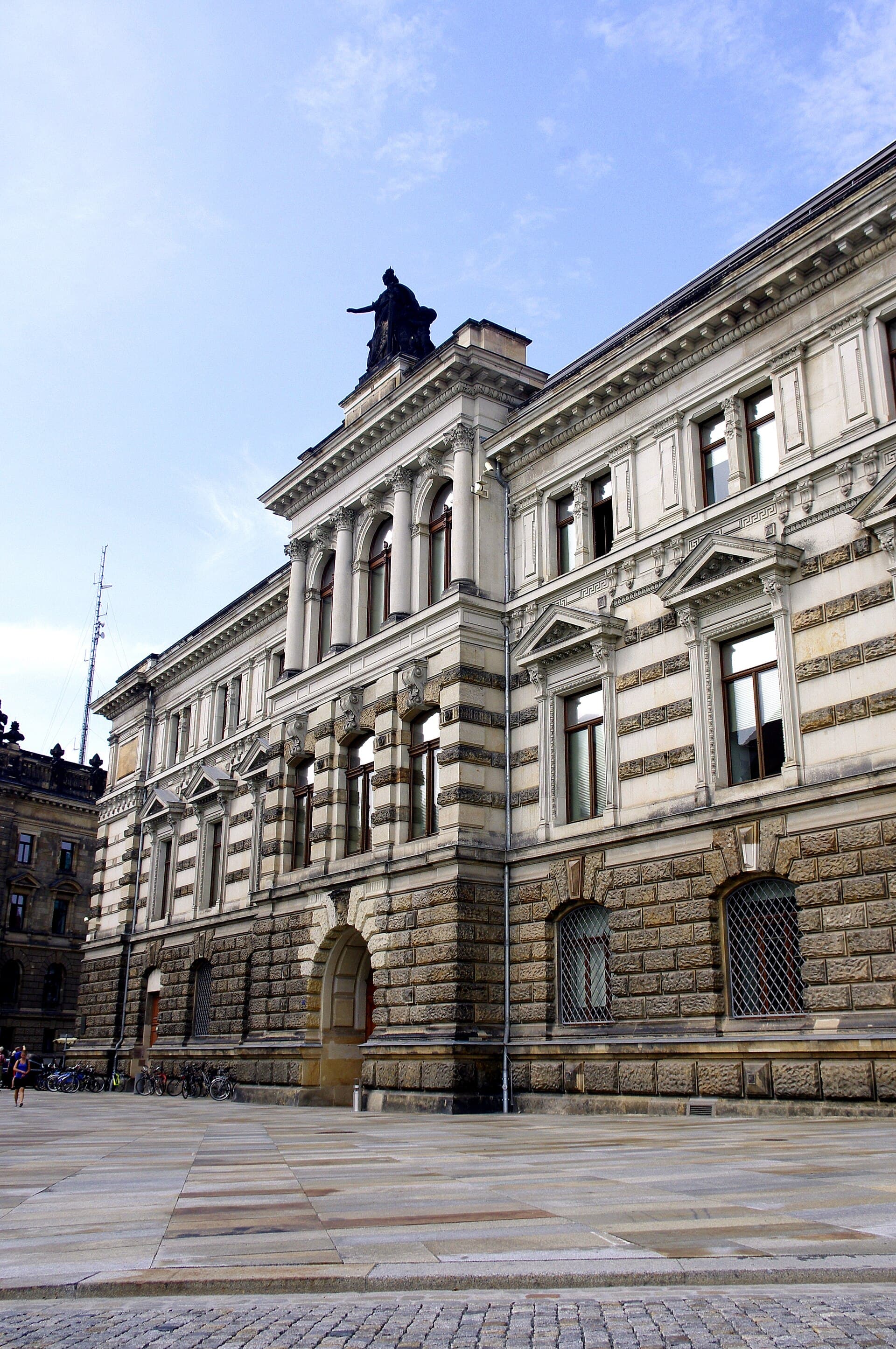 AlbertinumThe Albertinum is a large late nineteenth-century building at the end of the Brü3 minutes walk4.5
The eastward run to Pillnitz: about ninety minutes upstream, and visually the finest stretch, both banks lined with villas, palaces and vineyards. The smart arrangement is to go up by steamer and return by bus or tram — the downstream return is quicker but repeats the same view, and the time saved covers the palace and its garden. The Saxon Switzerland trip needs a full day.