
Neue Slowenische Kunst
The 1980s movement that used totalitarian imagery to dismantle it.
Jože Gal — Public domain · Superchilum — CC BY-SA 4.0 · Superchilum — CC BY-SA 4.0 · Žiga Živulovič — Public domain
Slovenia's national museum of modern and contemporary art, showing Slovene art from the early twentieth century to the present in a modernist building of the 1930s. What makes it valuable to a non-Slovene visitor is that it explains a complicated century: art here passed through Austria-Hungary, then royal Yugoslavia, then wartime occupation, then socialist Yugoslavia, then independence in 1991. Each shift left its mark on what artists produced and on what they were permitted to produce. Its internationally best-known section covers the Neue Slowenische Kunst movement of the 1980s, which used totalitarian imagery with deliberate provocation to take apart the mechanics of power. The band Laibach belongs to it and is the part best known outside Slovenia. The museum has a second building in the Metelkova complex devoted to contemporary art and to the art of the former Yugoslavia. Practical points: entry is ticketed and may be combined across the two buildings. Temporary exhibitions change — check the programme.
The 1980s movement that used totalitarian imagery to dismantle it.
The second at Metelkova, for contemporary and former-Yugoslav art.
The collection shows what was made and what was permitted in each era.
Near Tivoli Park, Ljubljana
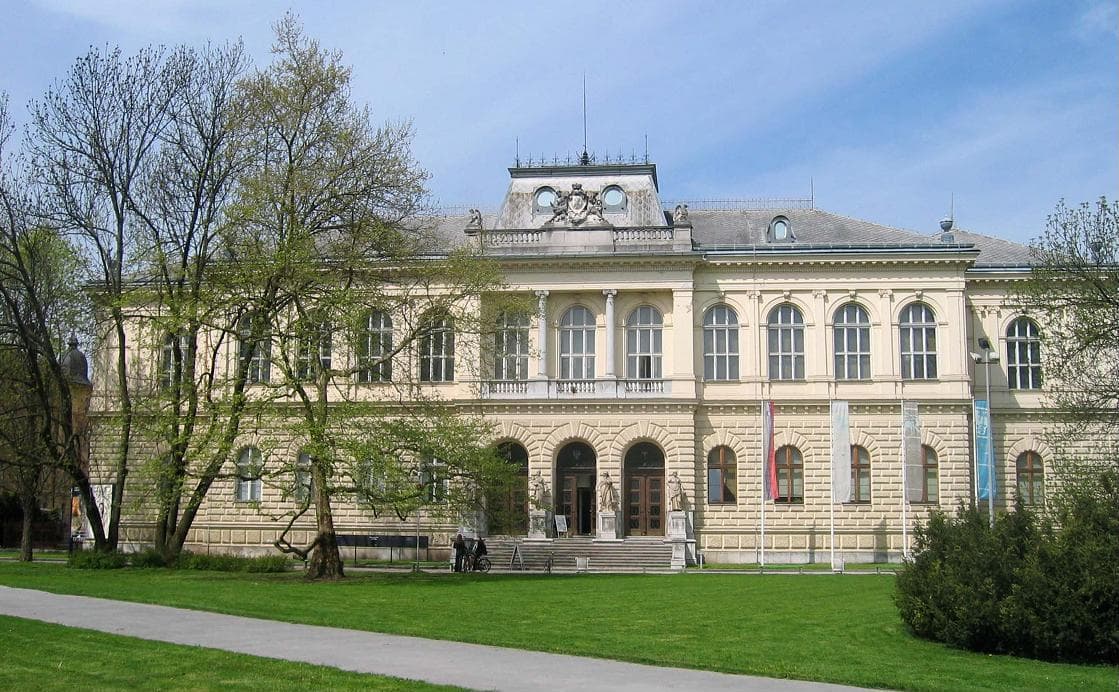 National Museum of SloveniaSlovenia's oldest cultural institution, founded in 1821, showing the history of 1 minute walk4.6
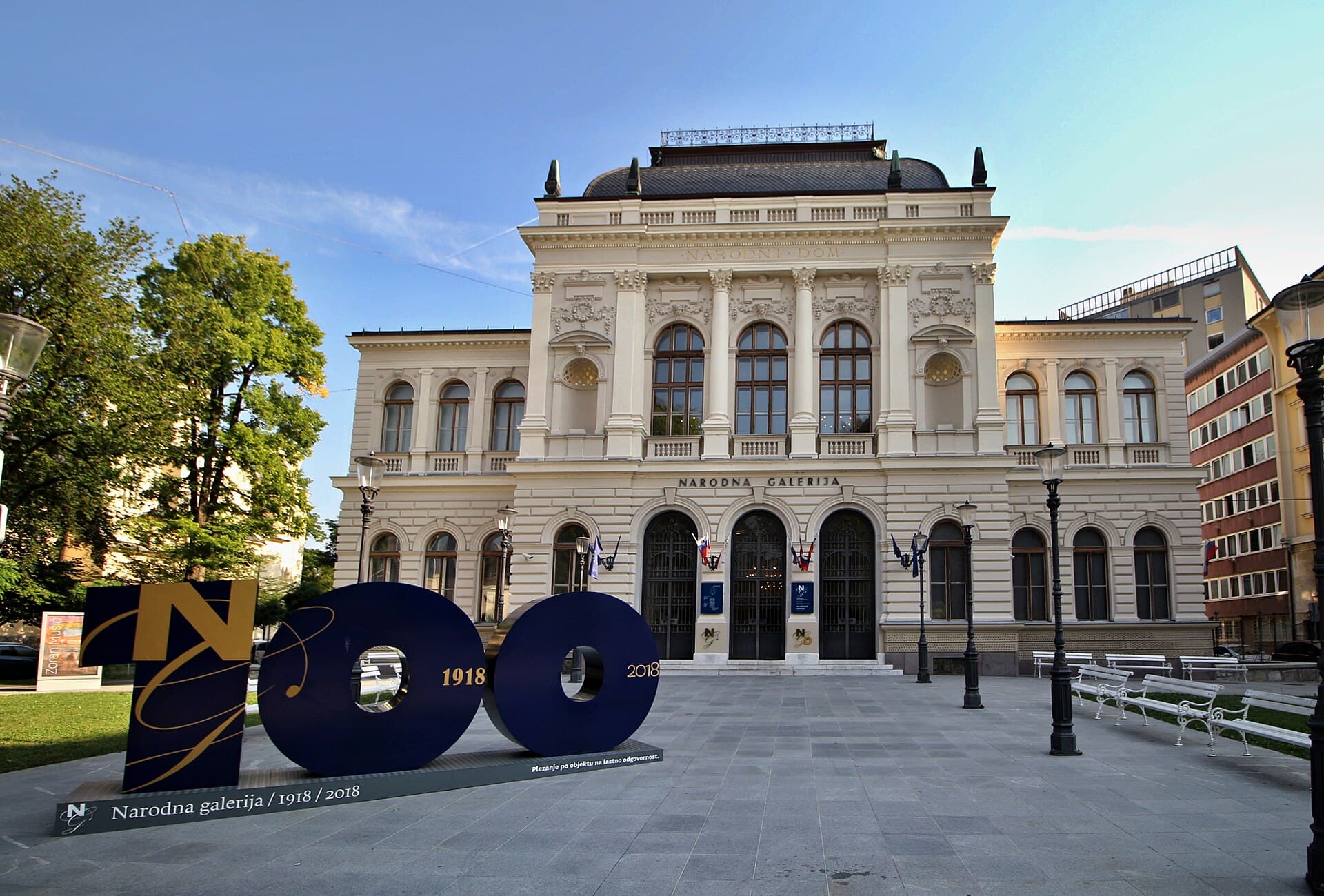 National Gallery of SloveniaSlovenia's art in palace and glass: the National Gallery at Tivoli Park's edge j2 minutes walk4.5
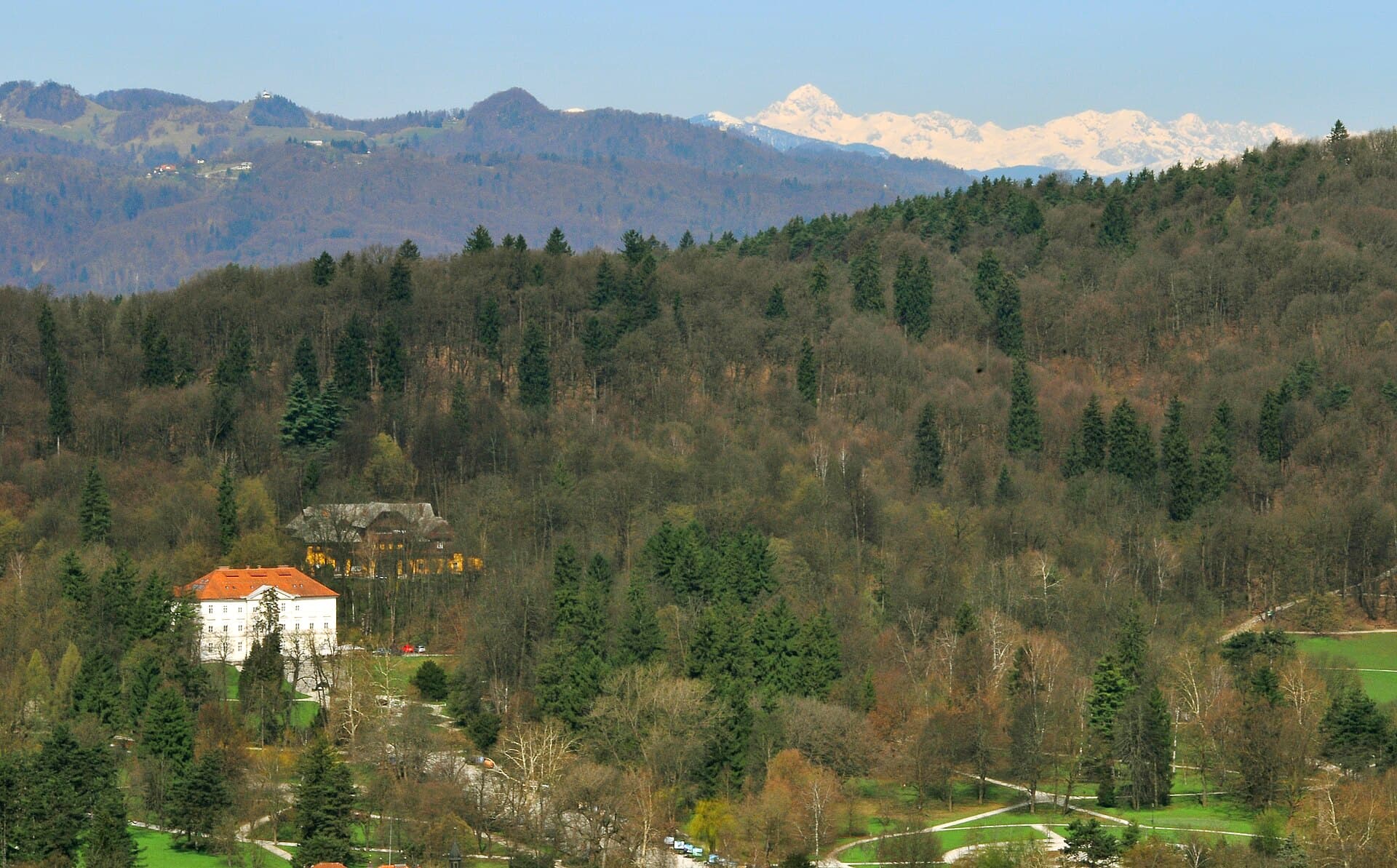 Tivoli ParkLjubljana's largest park and its best loved: Tivoli is five square kilometres of2 minutes walk4.8
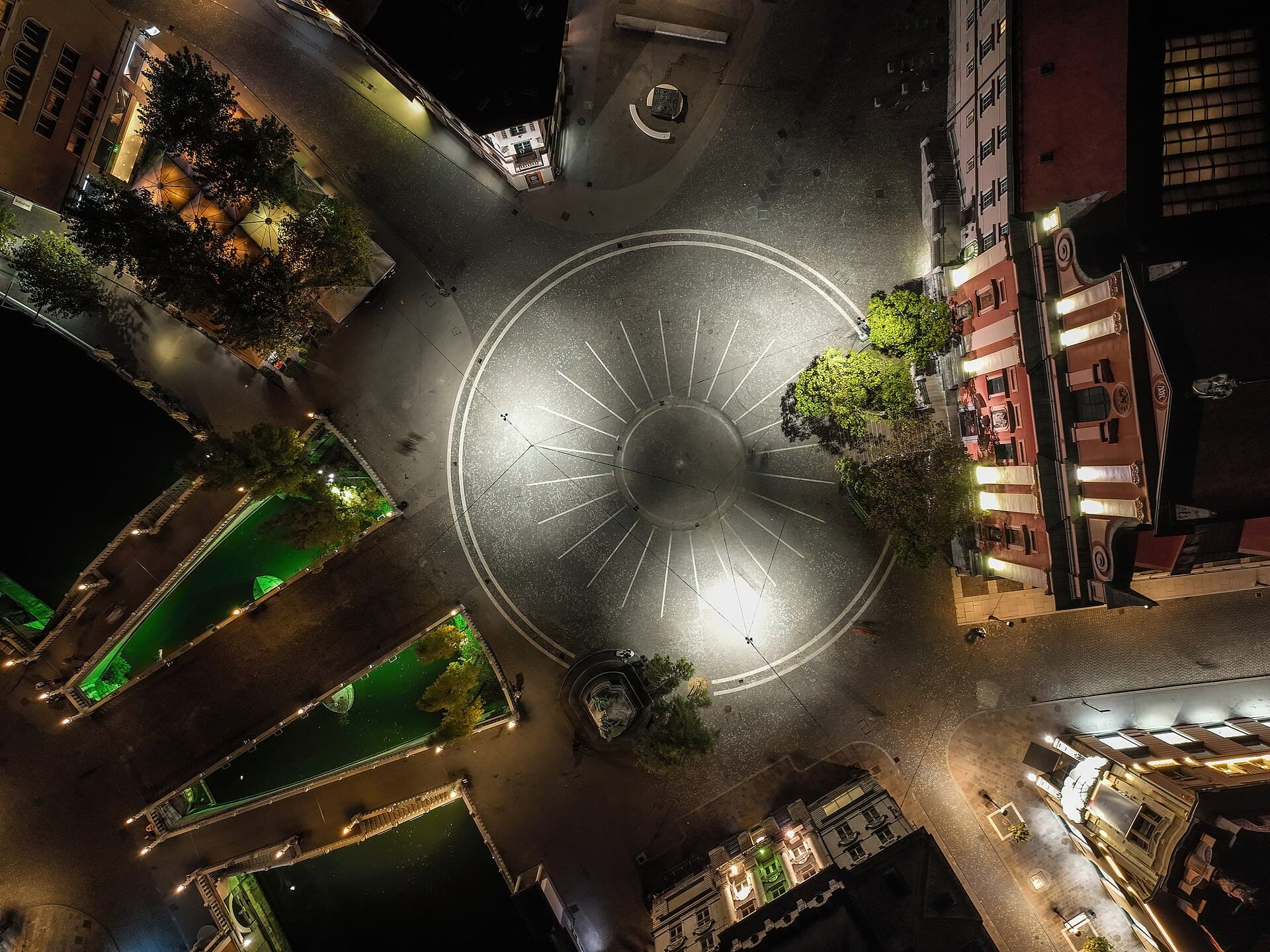 Prešeren SquareLjubljana's living room: Prešeren Square is a paved circle at the mouth of the T7 minutes walk4.8
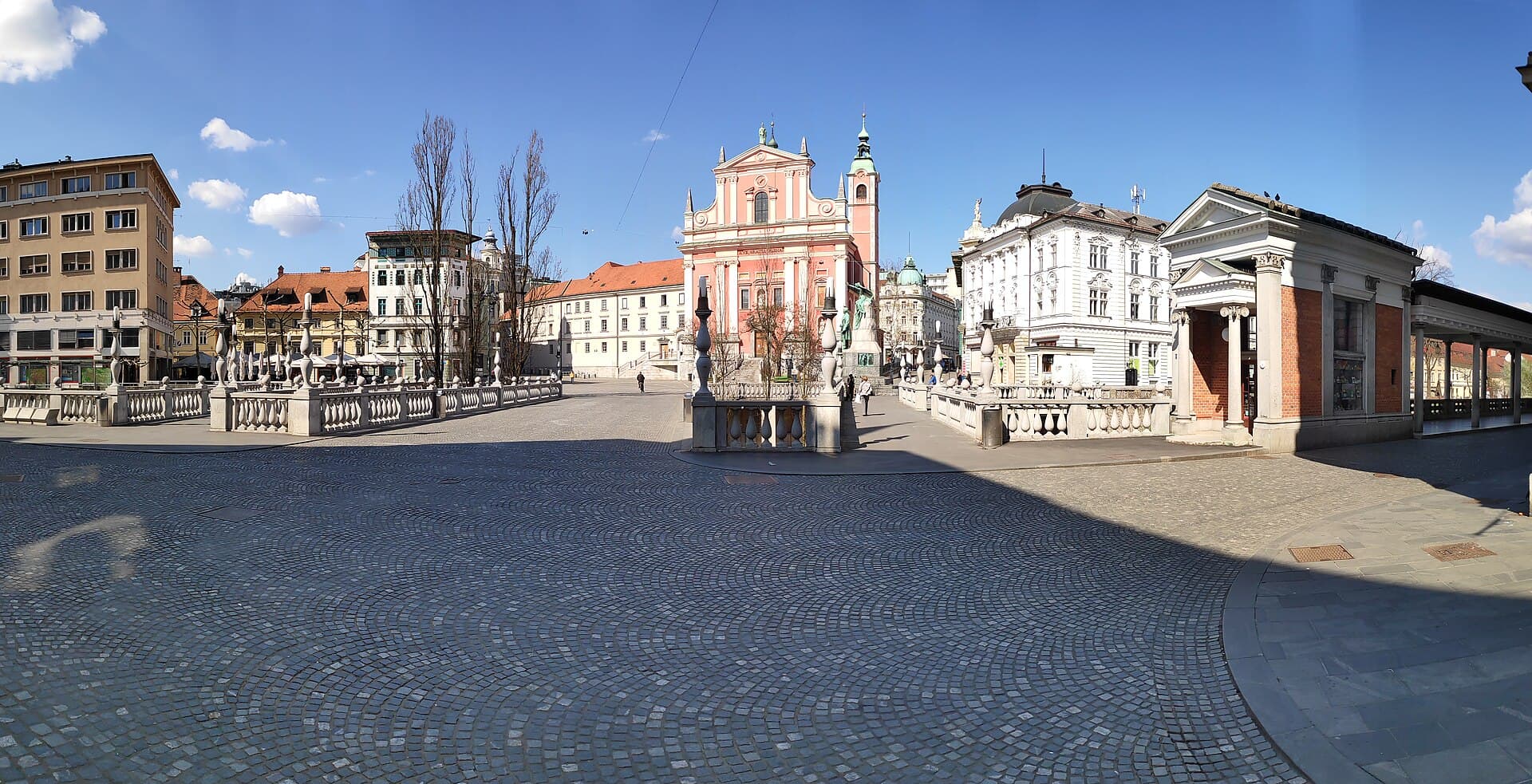 The Triple BridgeThree bridges in one: the masterpiece of Jože Plečnik, the architect who redrew 8 minutes walk4.6
A Slovene art collective founded in 1984 comprising the band Laibach, the visual group IRWIN and a theatre. Their method was to adopt the aesthetics of totalitarian systems — the slogans, the symbols, the uniforms — with an intensity that made it impossible to tell whether they were glorifying or mocking them. That uncertainty was the point: forcing an audience to read the mechanics of propaganda rather than consume them.
The main building near Tivoli for the full historical account of twentieth-century Slovene art. The Metelkova building if your interest is contemporary work or the art of the former Yugoslavia. Metelkova itself is an alternative cultural quarter worth walking through in its own right.