
The Divje Babe flute
A pierced cave bear femur — and a live scientific argument over who made it.
No machine-readable author provided. Žiga assumed (based on copyright claims). — Public domain · Fred Romero from Paris, France — CC BY 2.0 · Donald Judge from England — CC BY 2.0 · Alois Staudacher — CC BY 2.0
Slovenia's oldest cultural institution, founded in 1821, showing the history of the Slovene lands from prehistory to the modern era in a nineteenth-century building put up for the purpose. Two exceptional objects are its best known. The first is a flute made from the thigh bone of a cave bear, found in the Divje Babe cave and estimated at around sixty thousand years old. If it was made by Neanderthal hands — which the researchers here argue and others dispute — it is the oldest known musical instrument in the world. The second is the Vače situla, an Iron Age bronze vessel with relief decoration showing processions, feasts and ceremonies, among the most important works of Situla art in central Europe and treated as a national symbol in Slovenia. The rest of the collection covers Roman remains, coins and manuscripts, and explains Slovenia's position as a corridor between the Alps, the Balkans and the Adriatic. Practical points: entry is ticketed, and free days or hours may be offered monthly — ask. The natural history museum occupies the same building on a possibly combined ticket.
A pierced cave bear femur — and a live scientific argument over who made it.
An Iron Age bronze vessel of processions and feasts, and a national symbol.
Founded in 1821, more than a century and a half before a Slovene state.
Prešernova cesta, Ljubljana
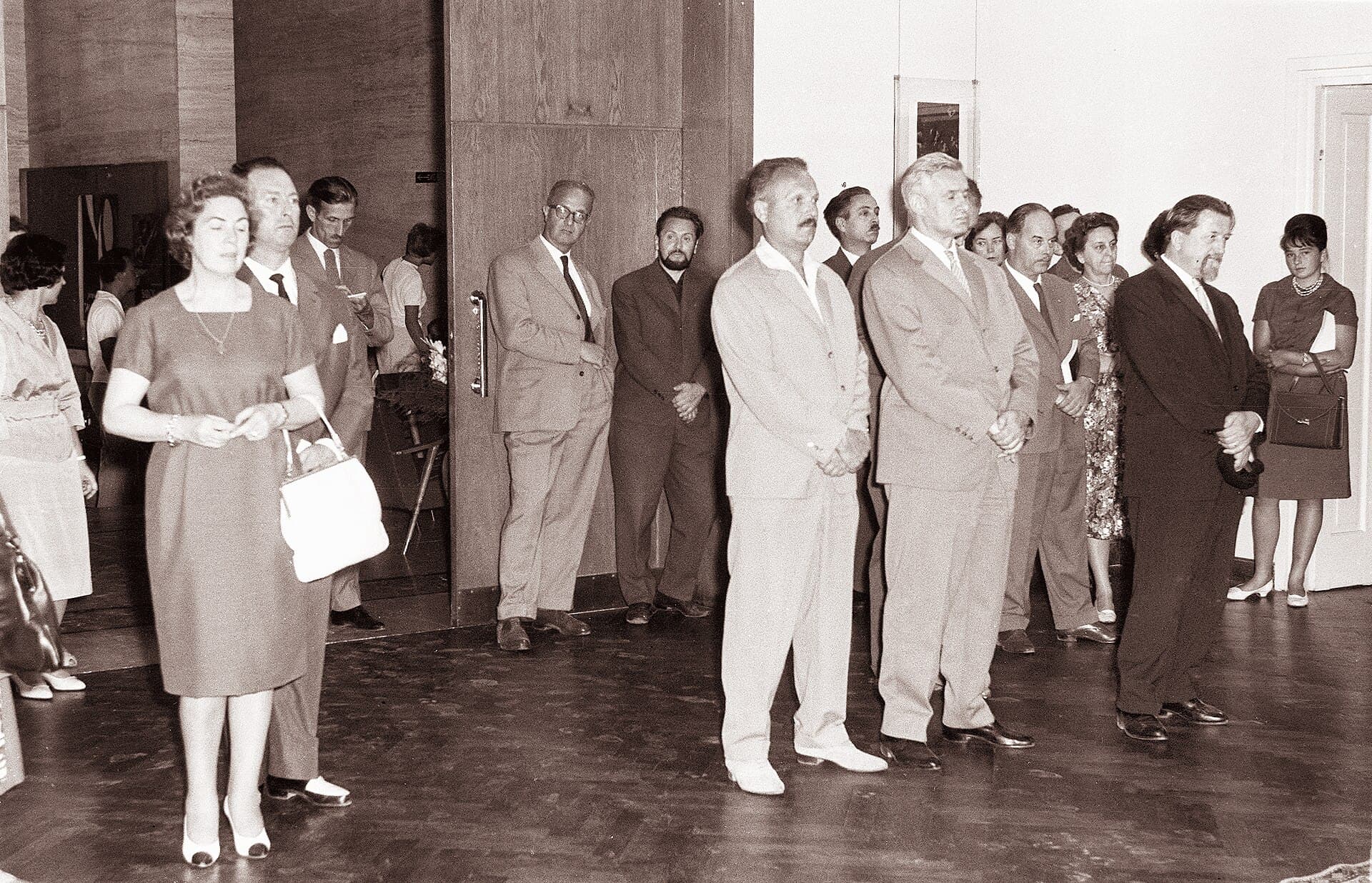 Museum of Modern ArtSlovenia's national museum of modern and contemporary art, showing Slovene art f1 minute walk4.3
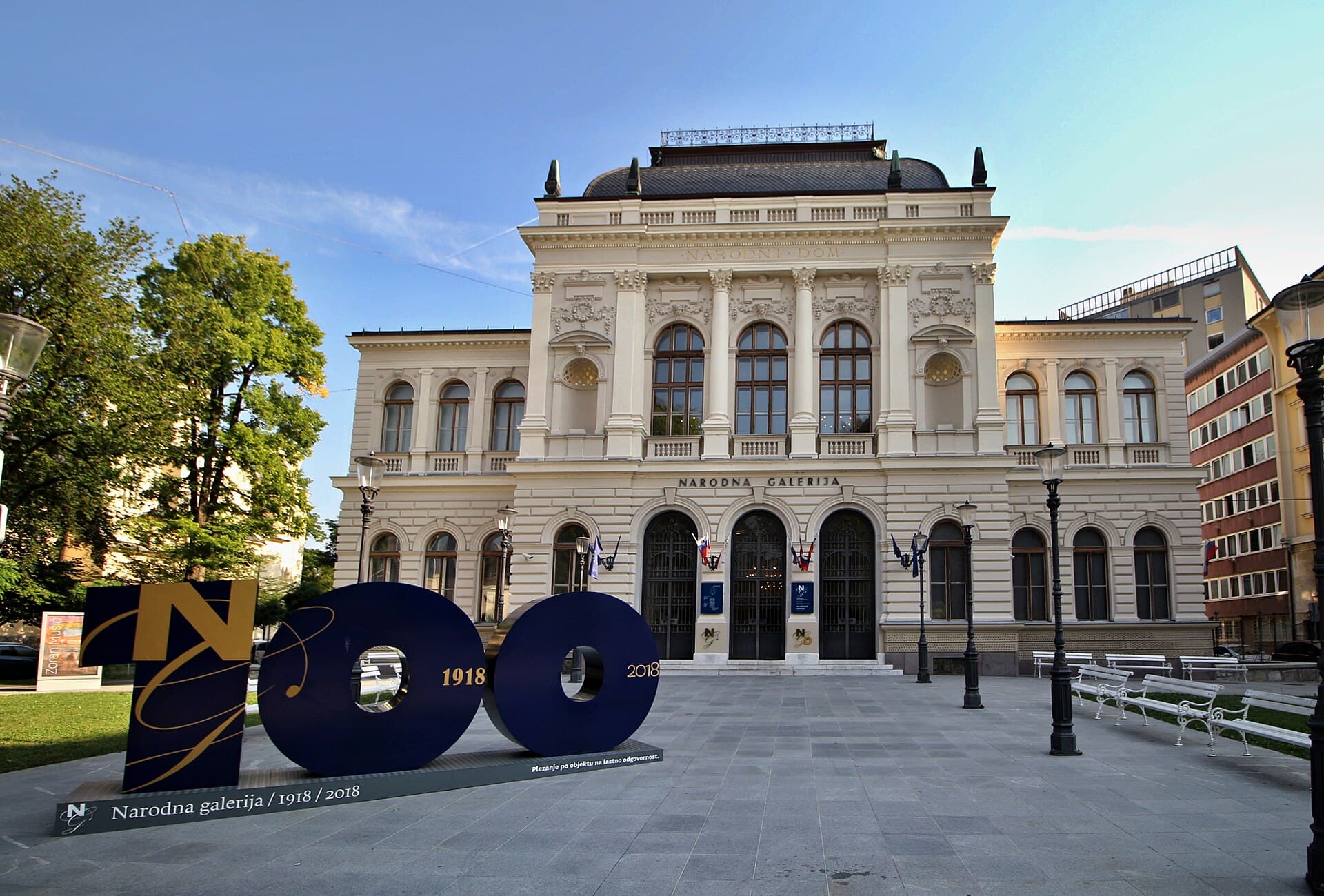 National Gallery of SloveniaSlovenia's art in palace and glass: the National Gallery at Tivoli Park's edge j3 minutes walk4.5
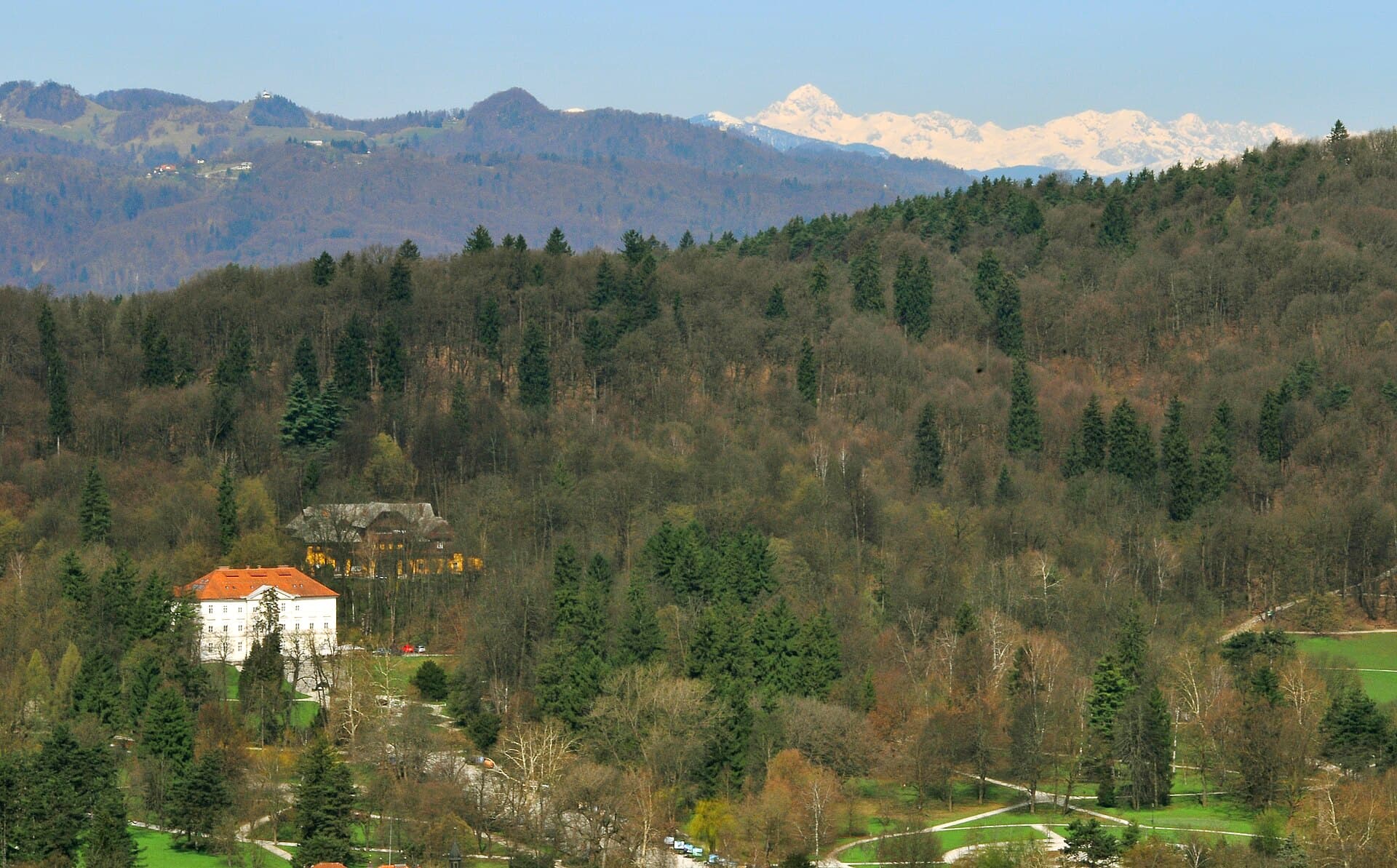 Tivoli ParkLjubljana's largest park and its best loved: Tivoli is five square kilometres of4 minutes walk4.8
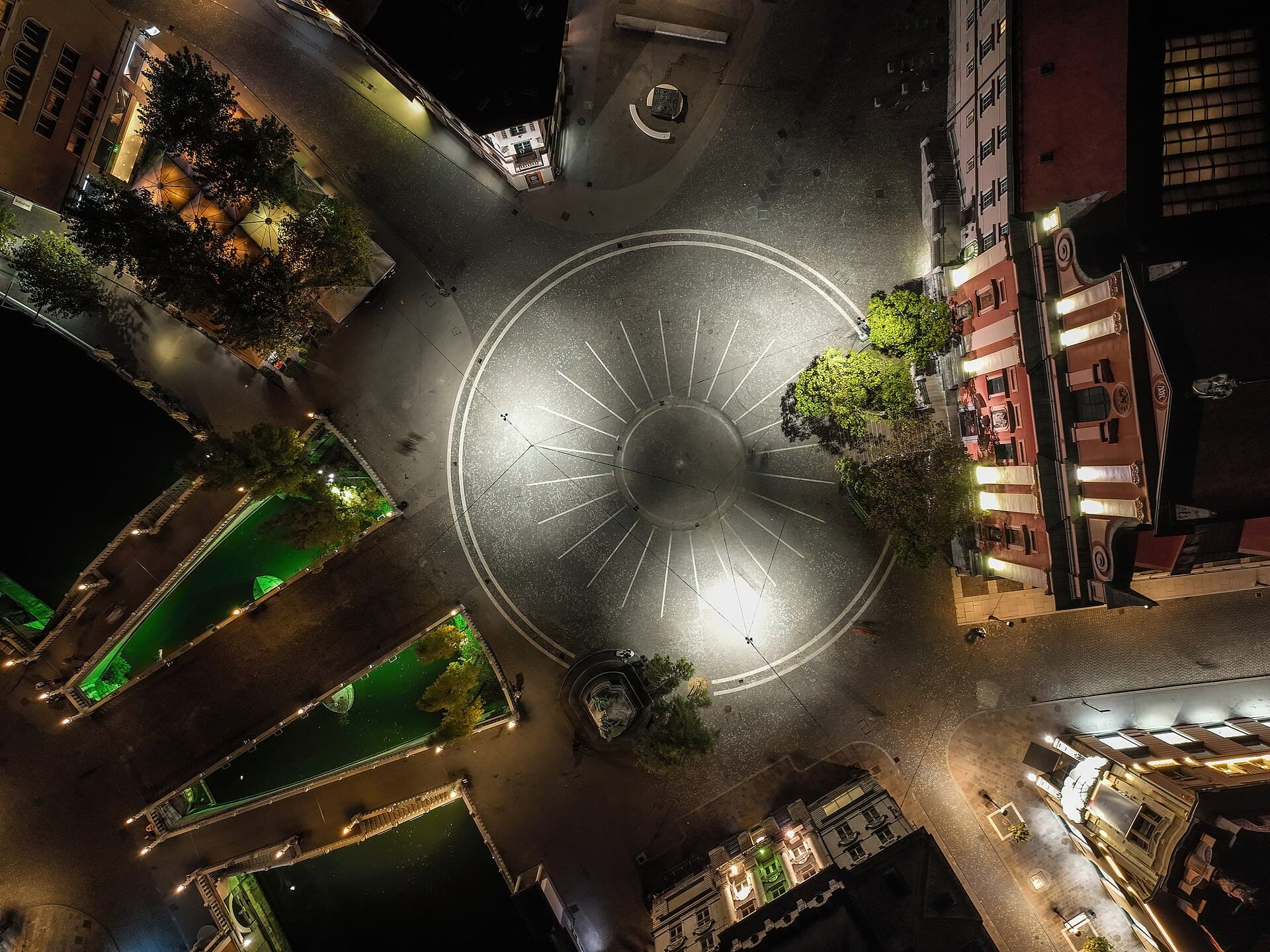 Prešeren SquareLjubljana's living room: Prešeren Square is a paved circle at the mouth of the T6 minutes walk4.8
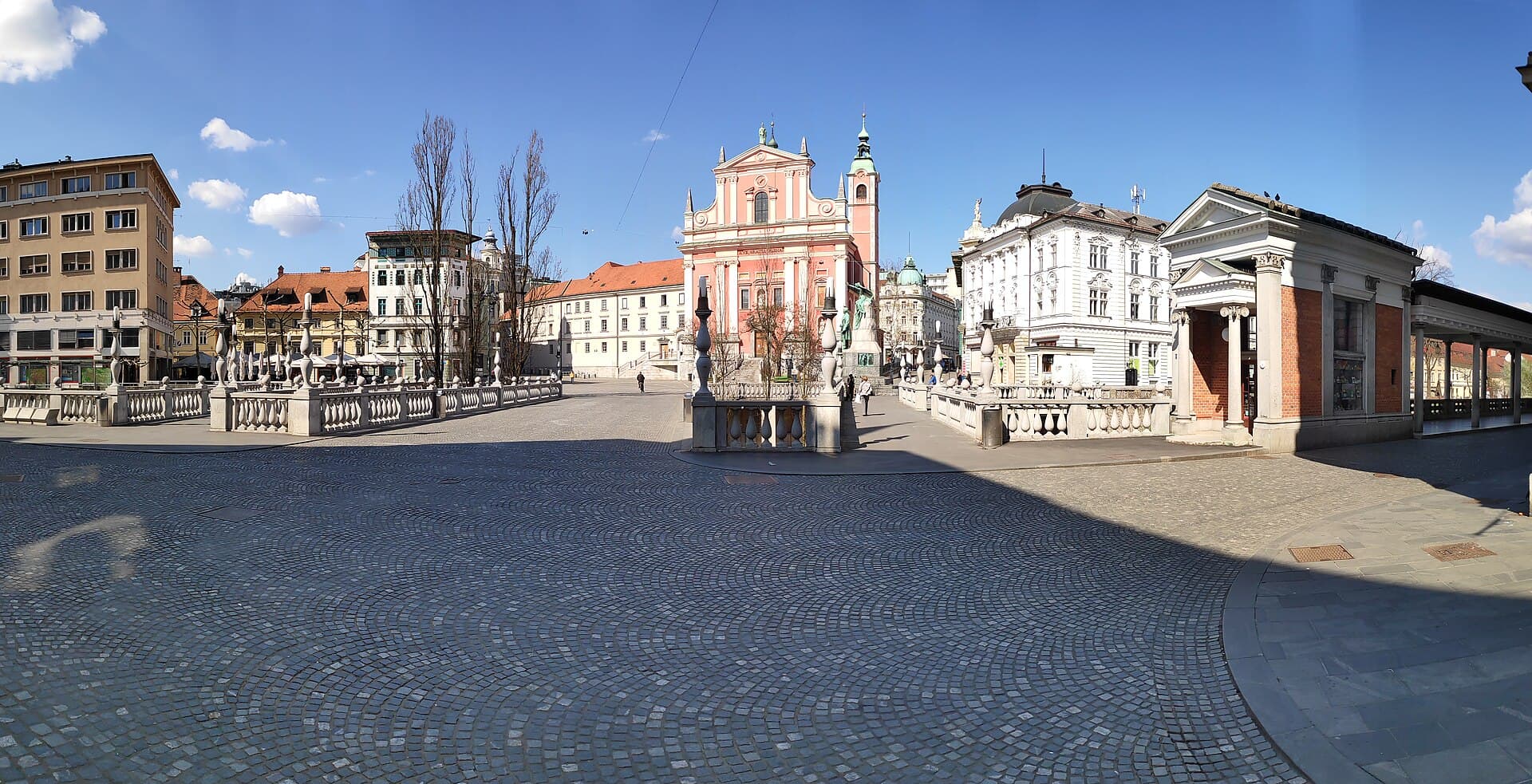 The Triple BridgeThree bridges in one: the masterpiece of Jože Plečnik, the architect who redrew 7 minutes walk4.6
The bone carries regular holes, and the museum's team holds they were made deliberately by Neanderthals some sixty thousand years ago, which would make it the oldest known musical instrument. Other researchers hold the holes were made by the teeth of hyenas gnawing the bone. The question is unsettled, and the museum shows the piece with both arguments — which is more honest than claiming certainty.
The National Museum is for history and archaeology: artefacts, coins and manuscripts. The National Gallery is for art: Slovene and European painting and sculpture. The two are minutes apart near Tivoli Park and combine into a single half day.