
The Sower
Grohar's painting on the euro coin.
VitVit — CC BY-SA 4.0 · Petar Milošević — CC BY-SA 3.0 · Superchilum — CC BY-SA 4.0 · Superchilum — CC BY-SA 4.0
Slovenia's art in palace and glass: the National Gallery at Tivoli Park's edge joins the National House palace (1896) with a modern glass wing linked by a bright lobby — the collection being Slovenian art history from Gothic to the twentieth century: medieval wooden altars, Baroque, then Slovenia's four Impressionists (Jakopič, Grohar, Jama, Sternen) with the country's meadows and mist in a light nobody else painted. The original Robba Fountain (its copy stands in the old town square) is in the lobby, and the European wing holds Italian and Dutch paintings from noble collections. The museum is quiet and queueless, its café facing Tivoli. An hour suffices, and the Impressionists are the point: Grohar's "The Sower" is on Slovenia's euro coin.
Grohar's painting on the euro coin.
The Baroque original in the lobby.
Prešernova cesta 24, Ljubljana
 Museum of Modern ArtSlovenia's national museum of modern and contemporary art, showing Slovene art f2 minutes walk4.3
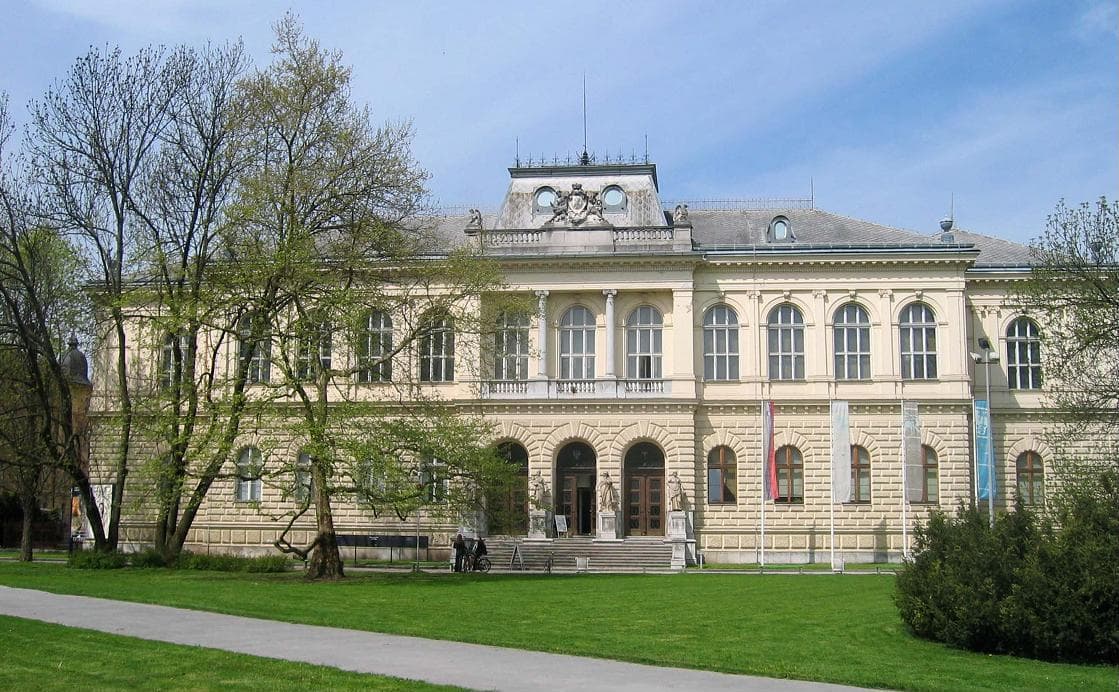 National Museum of SloveniaSlovenia's oldest cultural institution, founded in 1821, showing the history of 3 minutes walk4.6
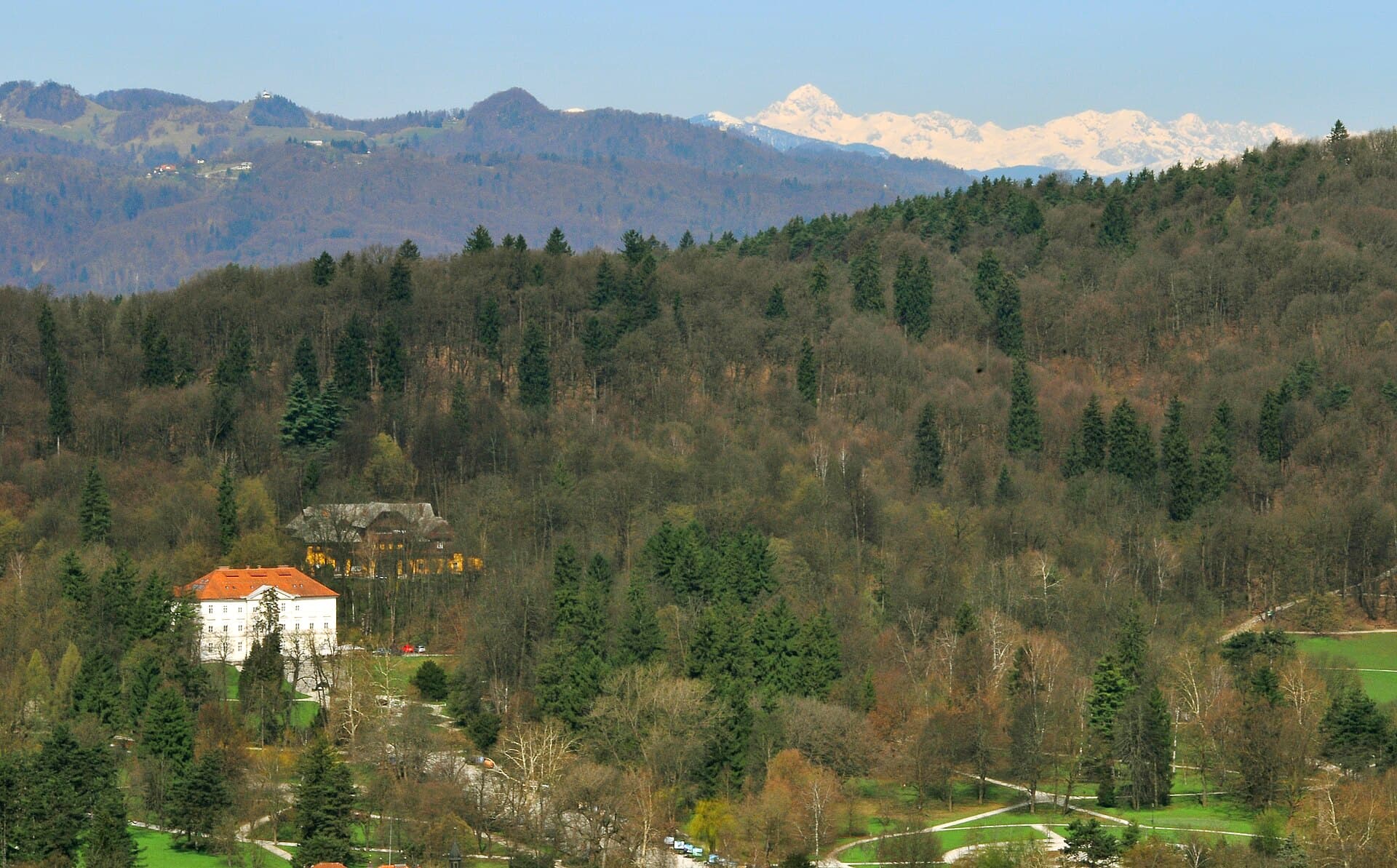 Tivoli ParkLjubljana's largest park and its best loved: Tivoli is five square kilometres of3 minutes walk4.8
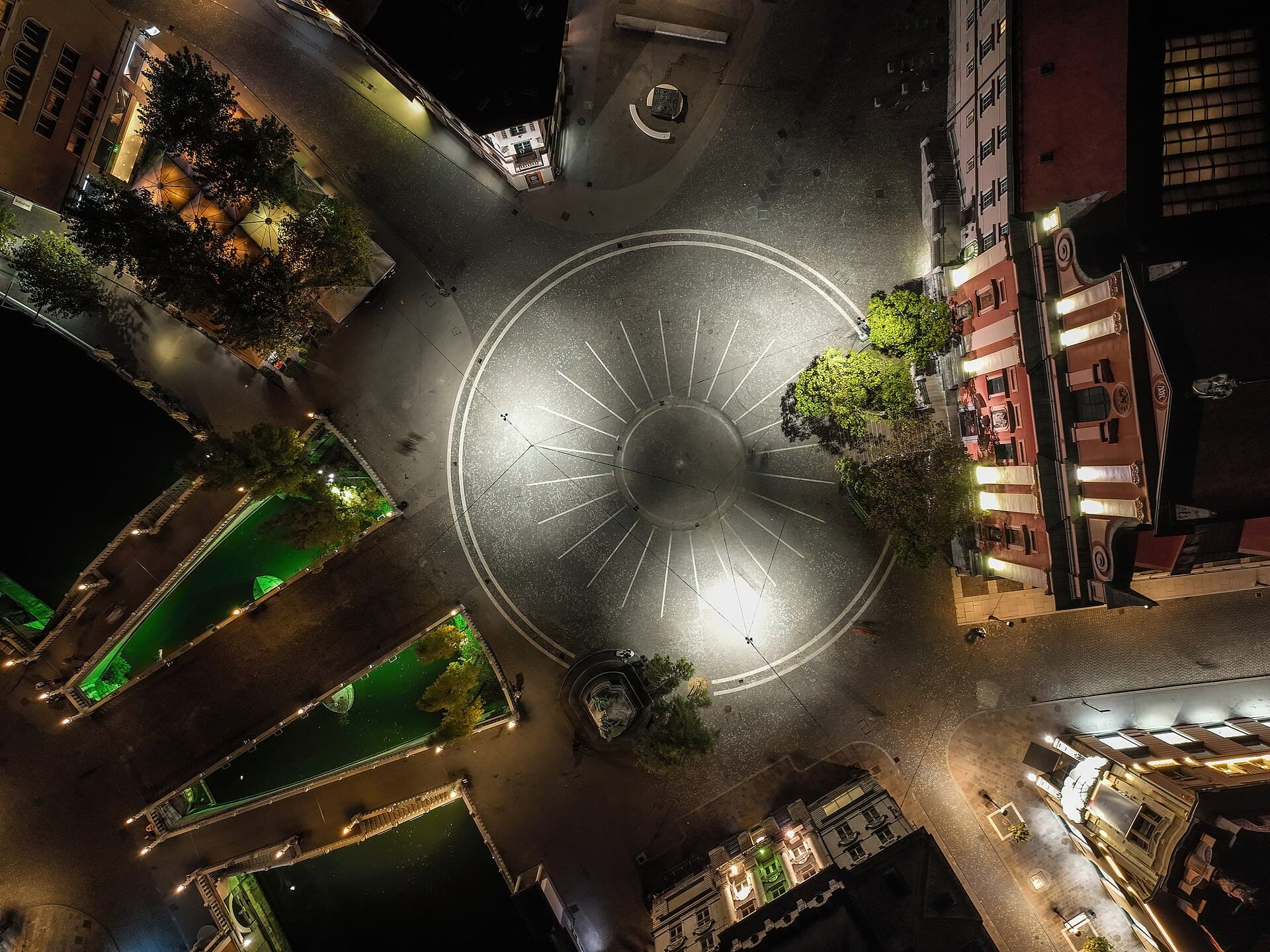 Prešeren SquareLjubljana's living room: Prešeren Square is a paved circle at the mouth of the T7 minutes walk4.8
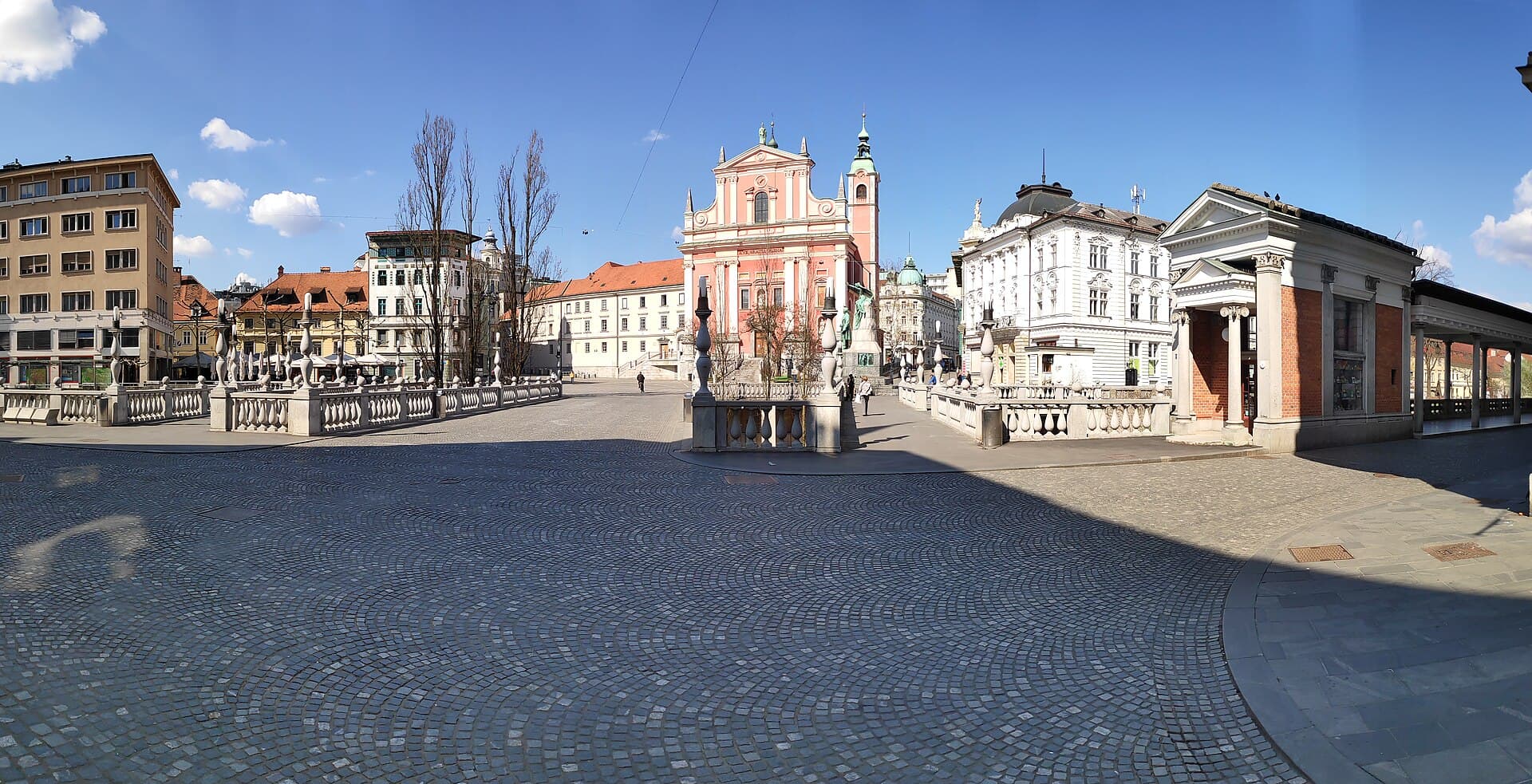 The Triple BridgeThree bridges in one: the masterpiece of Jože Plečnik, the architect who redrew 7 minutes walk4.6
Four painters around 1900 who painted the Slovenian countryside in a light and mist of their own after studying in Munich; they became the symbol of national identity in art.