
The factory kilns
Huge conical brick kilns from the ceramics era, still standing in the middle of the monastery.
The original uploader was Asterion at English Wikipedia. — CC BY-SA 2.5 · Anual — CC BY 3.0 · Jl FilpoC — CC BY-SA 4.0 · Jl FilpoC — CC BY-SA 4.0
A fifteenth-century monastery on the Cartuja island west of the river, today home to the Andalusian Centre of Contemporary Art. One visit covers both: the historic building and the art exhibitions inside it. The site's history is unusual. It was a Carthusian monastery for centuries, then became a British-owned ceramics factory in the nineteenth century, and the factory's conical brick kilns still stand on the site as its strangest visual feature. The complex was then restored for the 1992 world exposition in Seville. That stacking, monastery then factory then contemporary art museum, is what makes the visit interesting even for someone who does not follow contemporary art. The courtyards, the church and the gardens are worth seeing in their own right. The site west of the river sits a little out from the historic centre and needs a bus or a long walk across the bridge. Treat it as a standalone half day rather than a passing stop.
Huge conical brick kilns from the ceramics era, still standing in the middle of the monastery.
Monastery, factory, museum — the site's history is stranger than any show inside it.
Worth the visit in themselves, even if contemporary art is not your interest.
Isla de la Cartuja, Seville
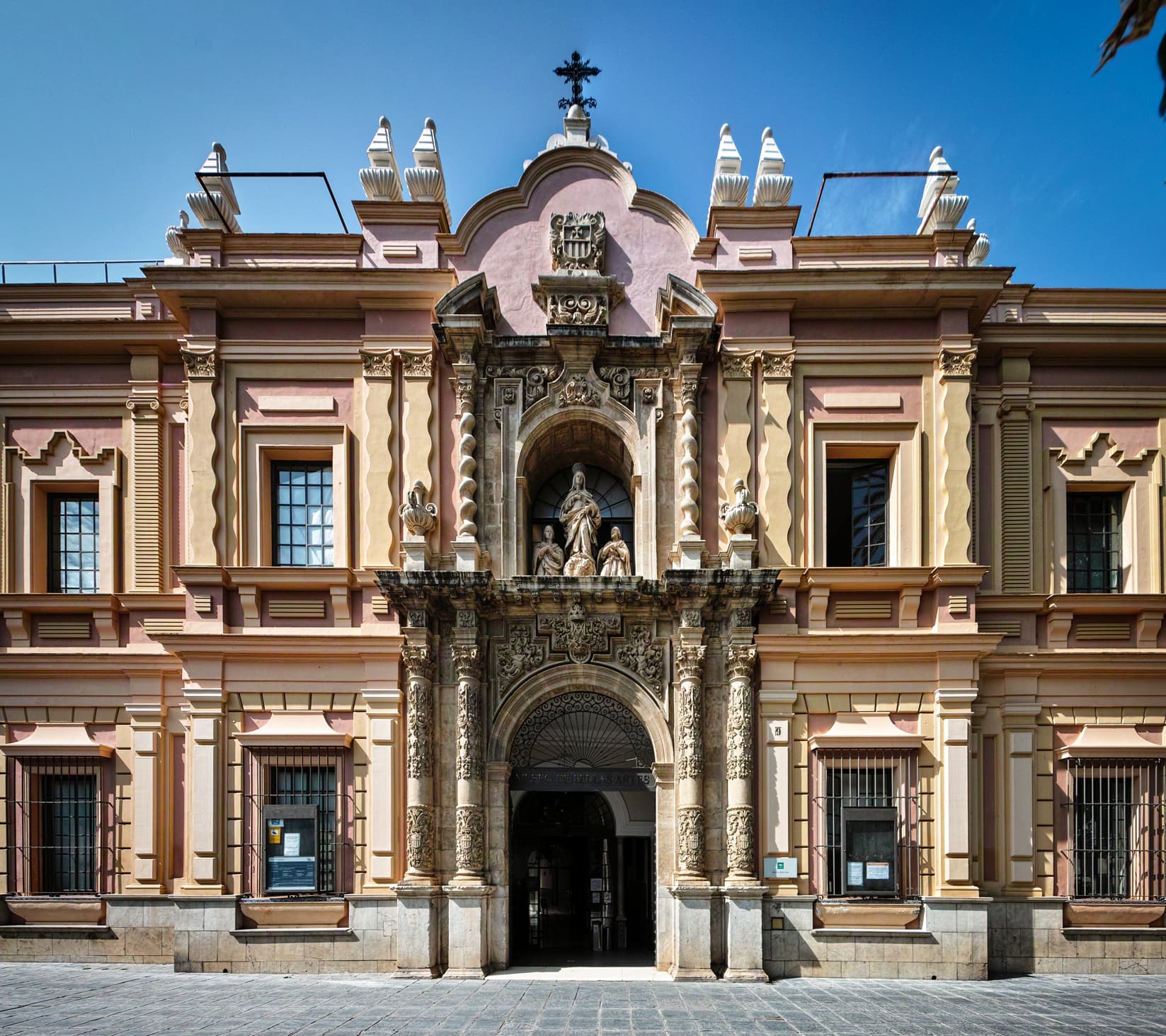 Museum of Fine ArtsSeville's Fine Arts Museum earns its "Prado of the South" name twice over: the w11 minutes walk4.6
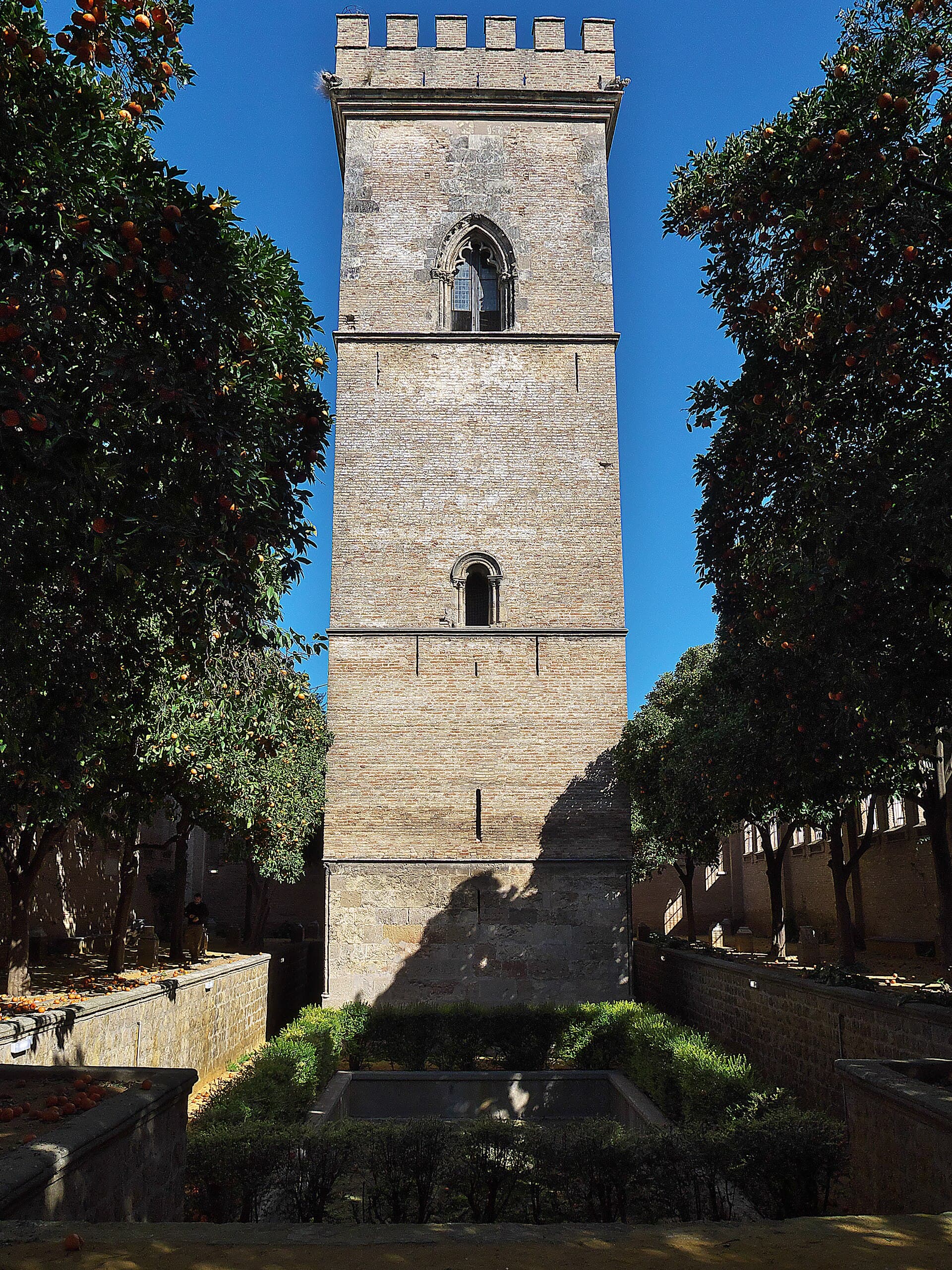 Torre de Don FadriqueA thirteenth-century stone tower inside the Santa Clara convent complex north of14 minutes walk4.6
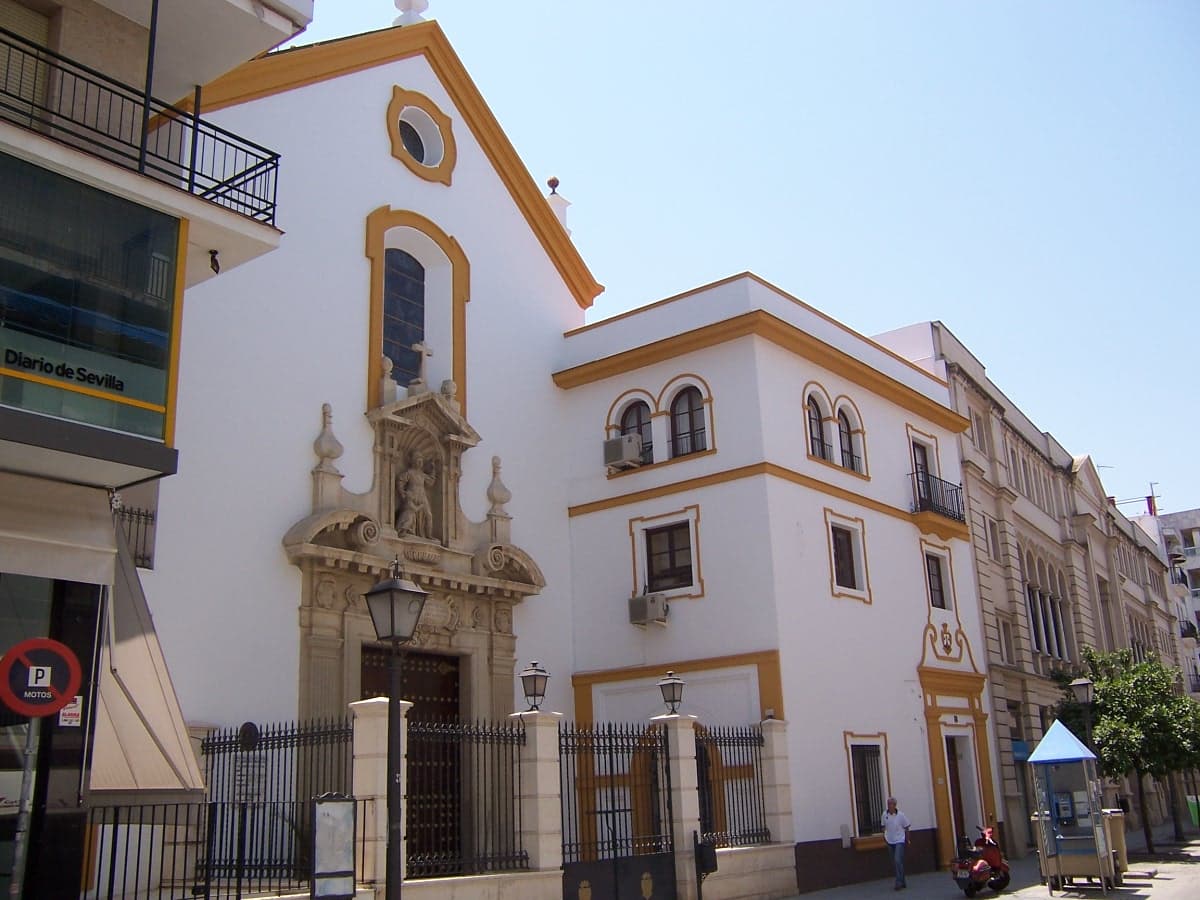 Church and Museum of Santo ÁngelA seventeenth-century church in central Seville, formerly attached to a Carmelit16 minutes walk4.7
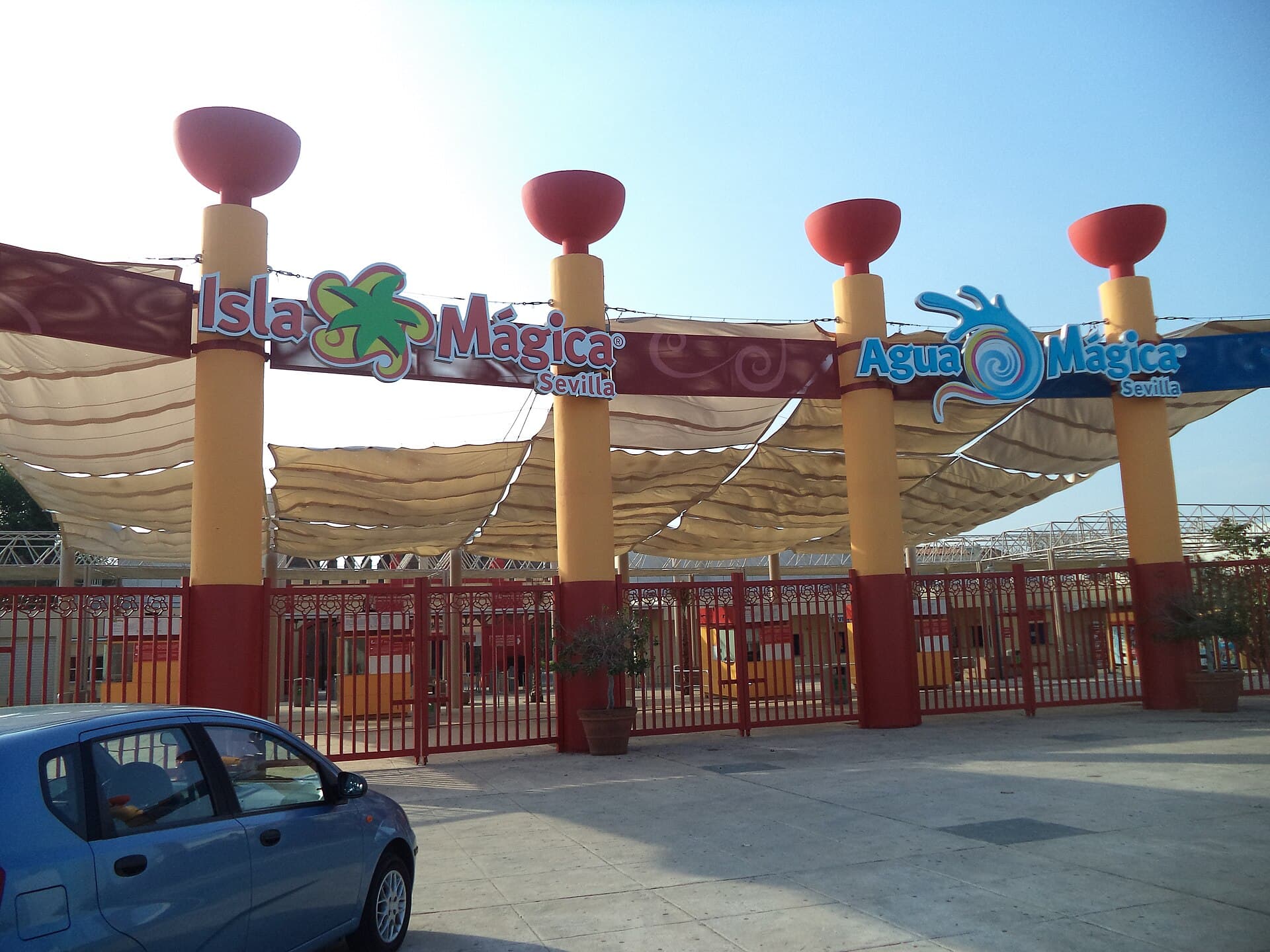 Isla MágicaIsla Mágica is Seville's theme park with a theme like no other: the city's own s17 minutes walk4.0
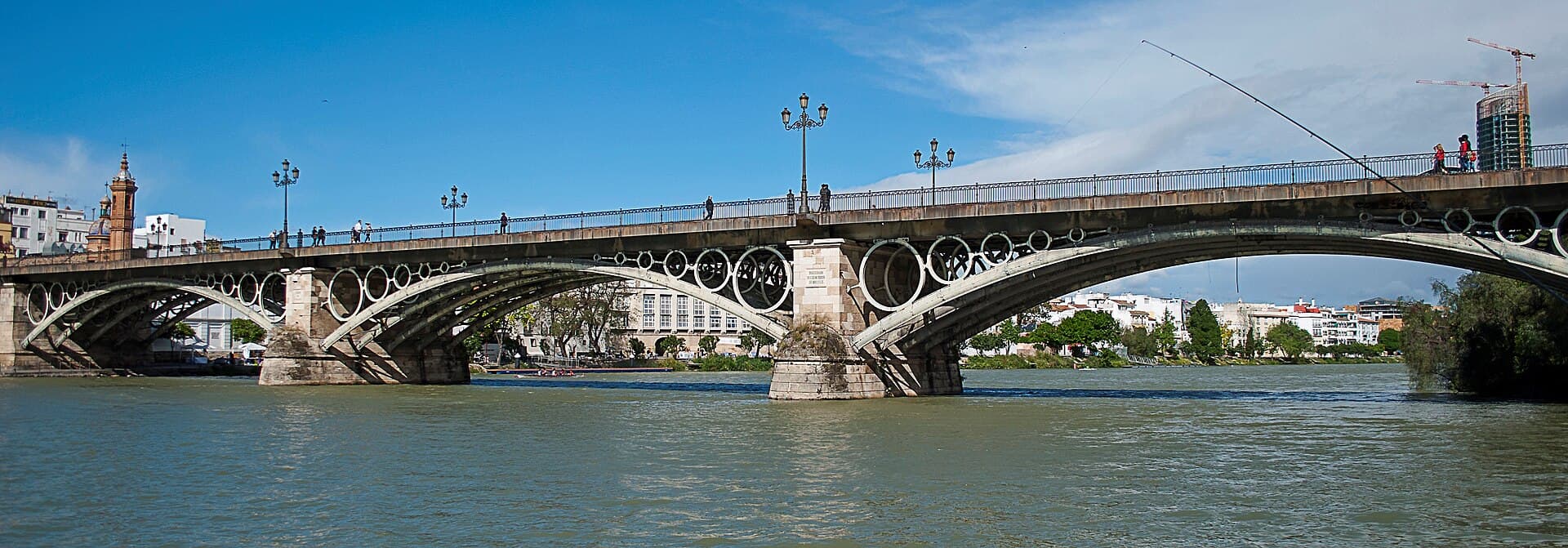 Triana BridgeThe iron bridge linking the historic centre with the Triana district across the 17 minutes walk4.6
No, they are one site. The Andalusian Centre of Contemporary Art occupies the monastery buildings, and a single ticket admits you to both. You will see both names used for the same place, which is a common source of confusion.
A bus from the historic centre, or a walk of about half an hour across the river. The site sits in the wide 1992 exposition area, not somewhere a visitor passes by chance, so plan to go deliberately.