
Those left on the shore
The work depicts the waiting rather than the lost — the source of its force.
Elliesram13 — CC BY-SA 3.0 · Patafisik — CC BY-SA 4.0 · Patrick Nouhailler's… — CC BY-SA 3.0
A monumental memorial on the Corniche Kennedy overlooking the sea, raised to the memory of those who died at sea: sailors, fishermen and the passengers of lost ships. The monument is in stone and takes the form of an arch opening onto the sea horizon, with figures representing those who wait for the returning. That detail is what makes it affecting: the work does not depict the drowned but those left on the shore. The subject is central to Marseille's history. The city has lived from the sea for two thousand six hundred years, and its families lost sons to it across generations — in fishing, in trade, in two wars and in migration. A monument like this in a city like this is a record rather than decoration. Its position on the corniche puts it at the best point: the open sea directly in front, with the Frioul islands and the Château d'If on the horizon. Practical point: free and always open, and the visit is minutes. The corniche itself is among the finest walking routes in Marseille and runs for kilometres along the sea.
The work depicts the waiting rather than the lost — the source of its force.
Two thousand six hundred years of fishing, trade, migration and war.
A seafront walk running for kilometres — Marseille's finest stroll.
Corniche Kennedy, overlooking the sea, Marseille
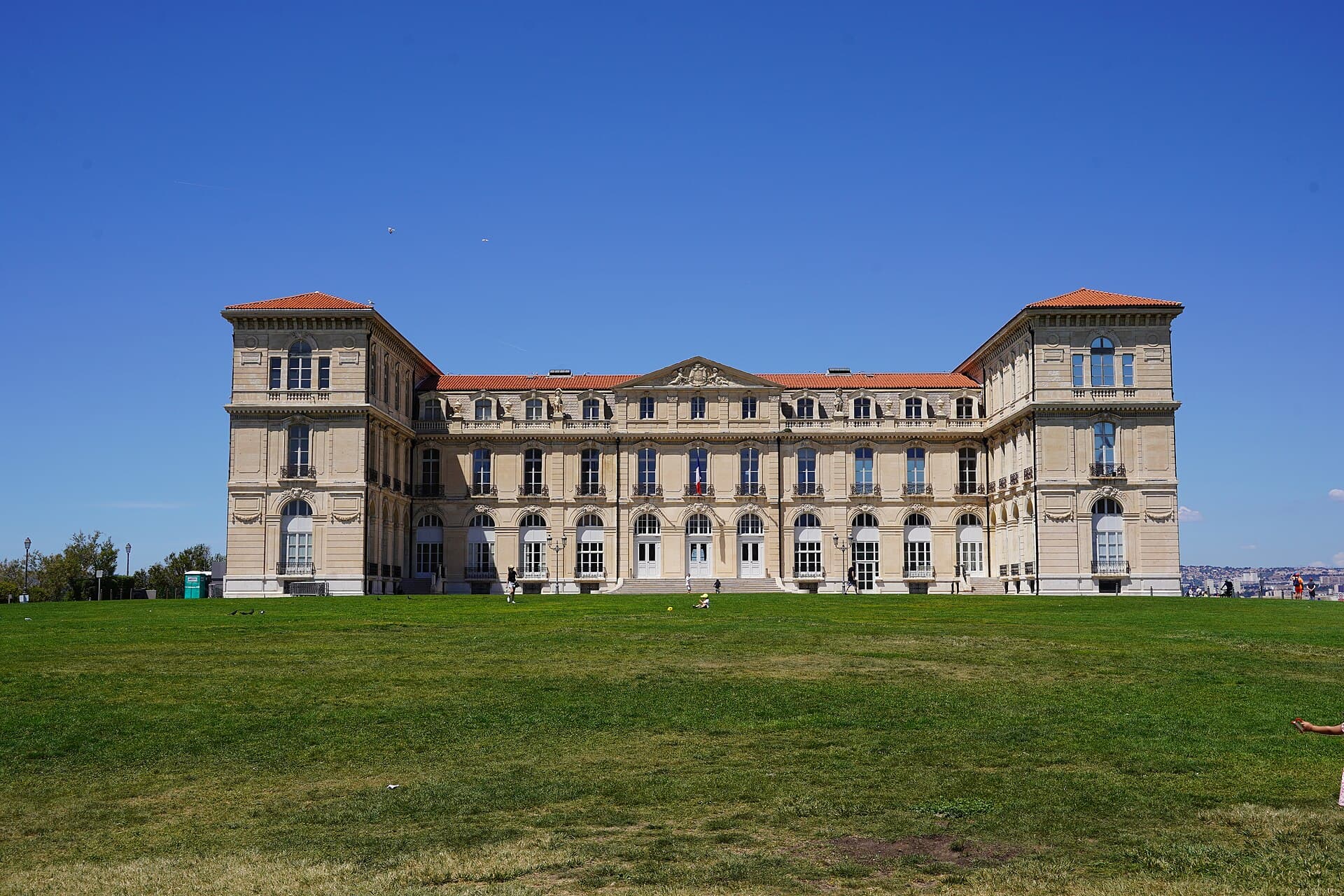 Palais du Pharo & its GardenNapoleon III built the Palais du Pharo as a gift for Empress Eugénie on a rock c1 minute walk4.6
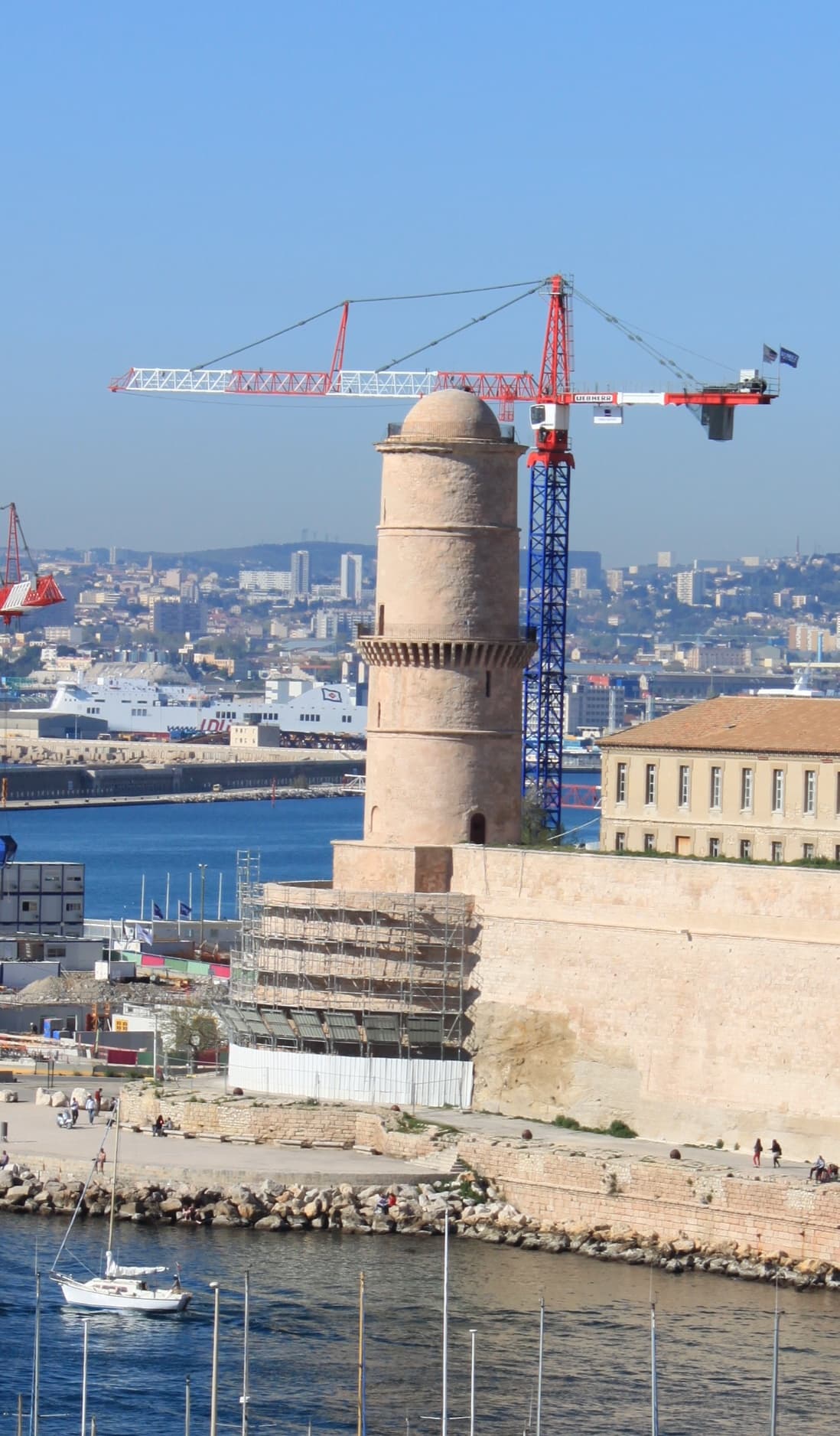 The Tour du FanalA stone tower at the entrance to the Old Port of Marseille, part of Fort Saint-J3 minutes walk4.8
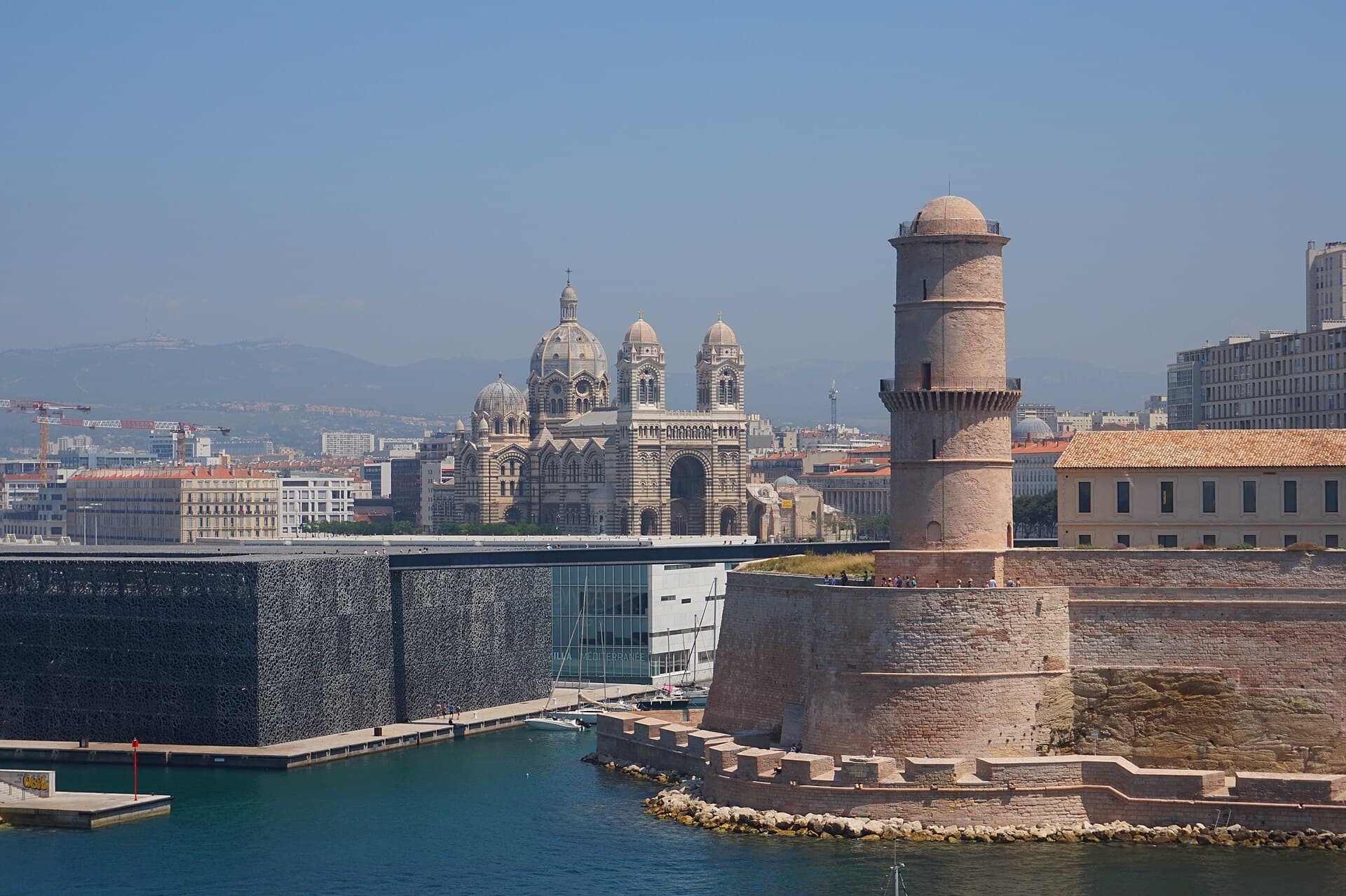 MuCEMThe MuCEM is modern Marseille's emblem: a great cube at the harbour mouth wrappe4 minutes walk4.3
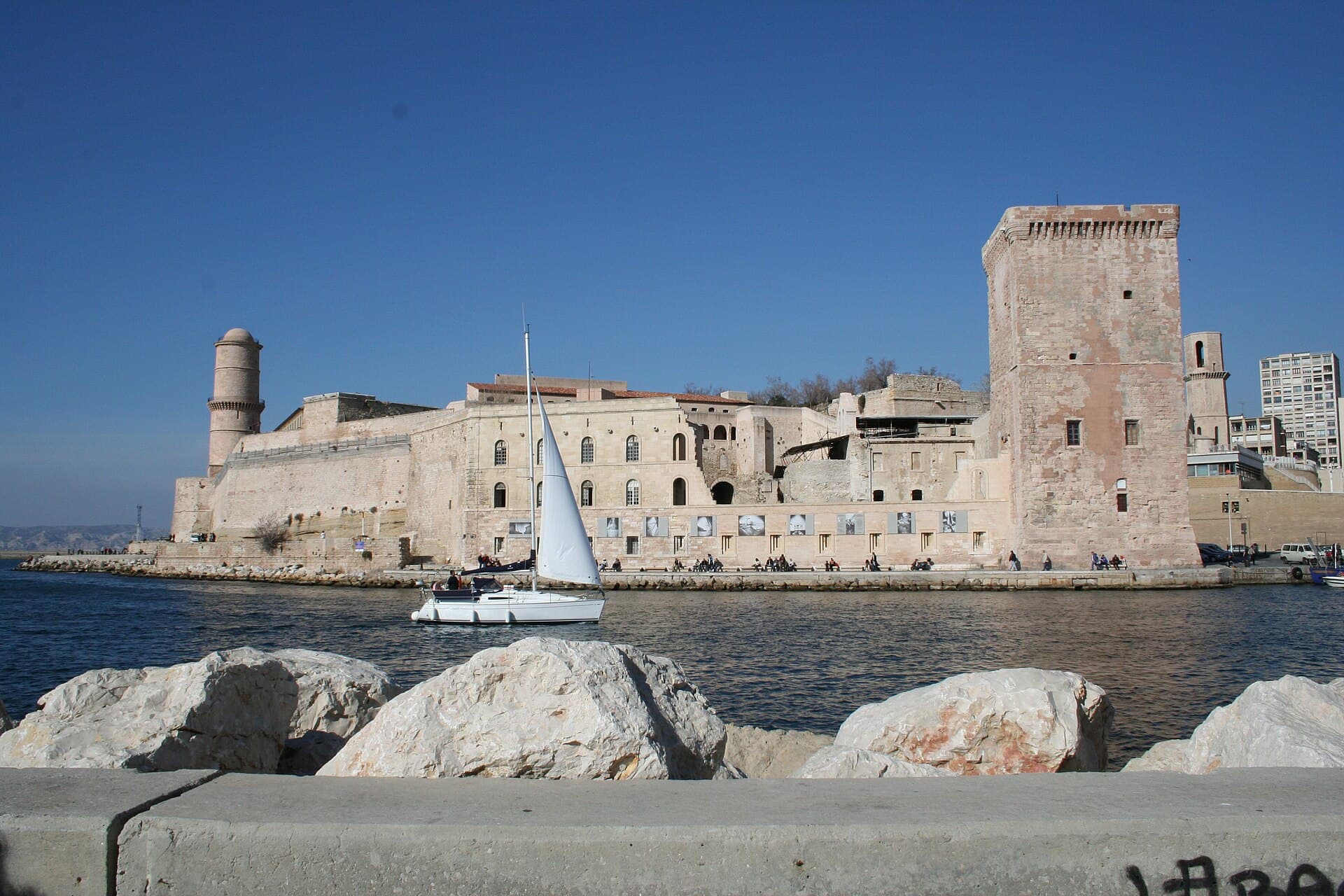 Fort Saint-JeanFort Saint-Jean has guarded the Vieux-Port entrance for centuries: its round tow4 minutes walk4.6
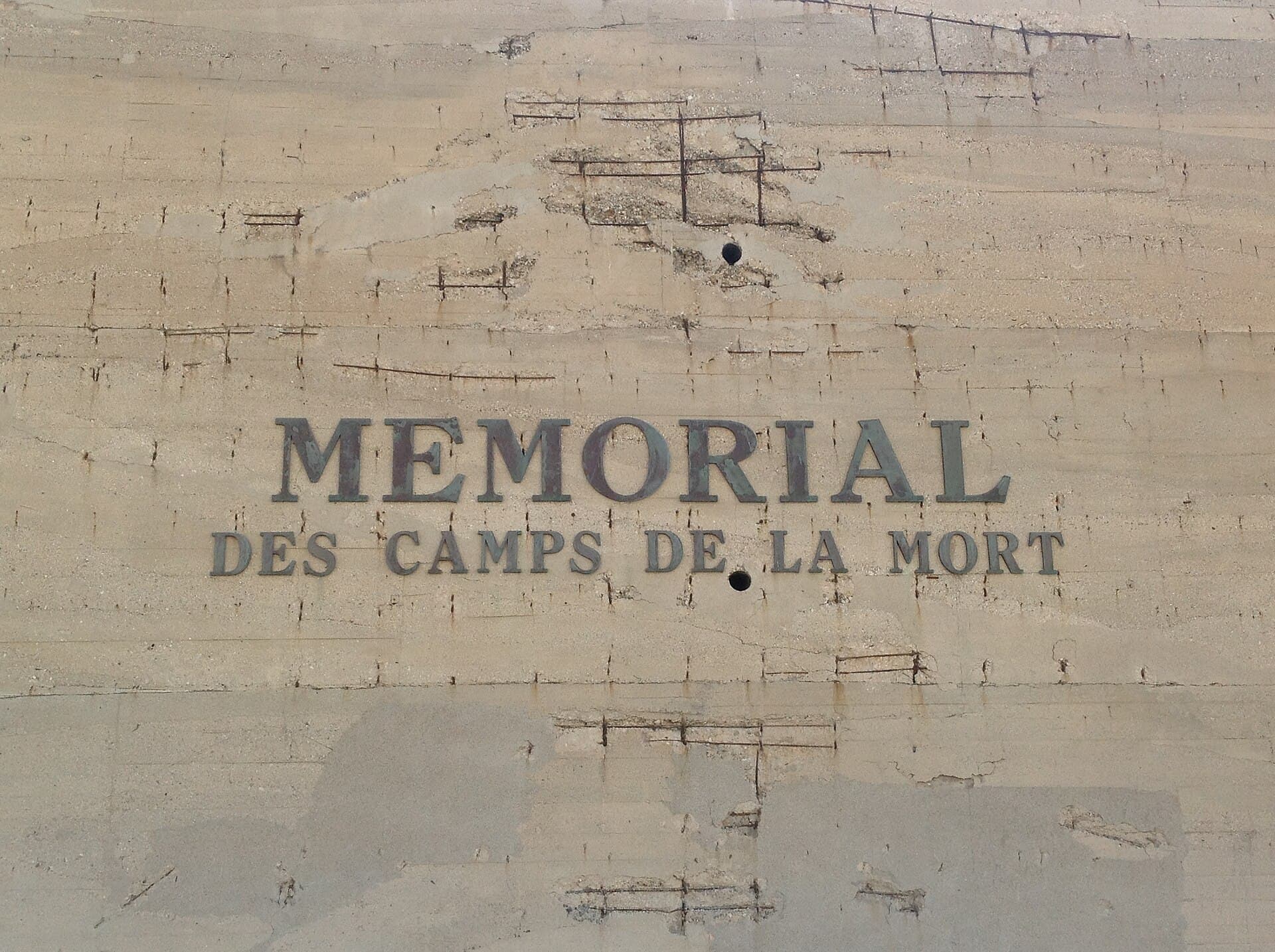 Memorial of the DeportationsA memorial and small museum near the old port, dedicated to the memory of those 4 minutes walk4.5
At sunset. The monument faces west over the sea, so at that hour the light comes straight at it, and the corniche fills with residents. Make it a stop on an evening walk along the seafront.
About five kilometres from the end of the old port south to the Prado beaches, passing small coves, restaurants and the Catalans beach. You can walk it all in ninety minutes, or take a bus one way and walk back.