
The port balcony
The whole Vieux-Port with its forts and MuCEM — Marseille's mother image.
Remontees — CC BY-SA 4.0 · Georges Seguin (Okki) — CC BY-SA 3.0 · Georges Seguin (Okki) — CC BY-SA 3.0 · Georges Seguin (Okki) — CC BY-SA 3.0
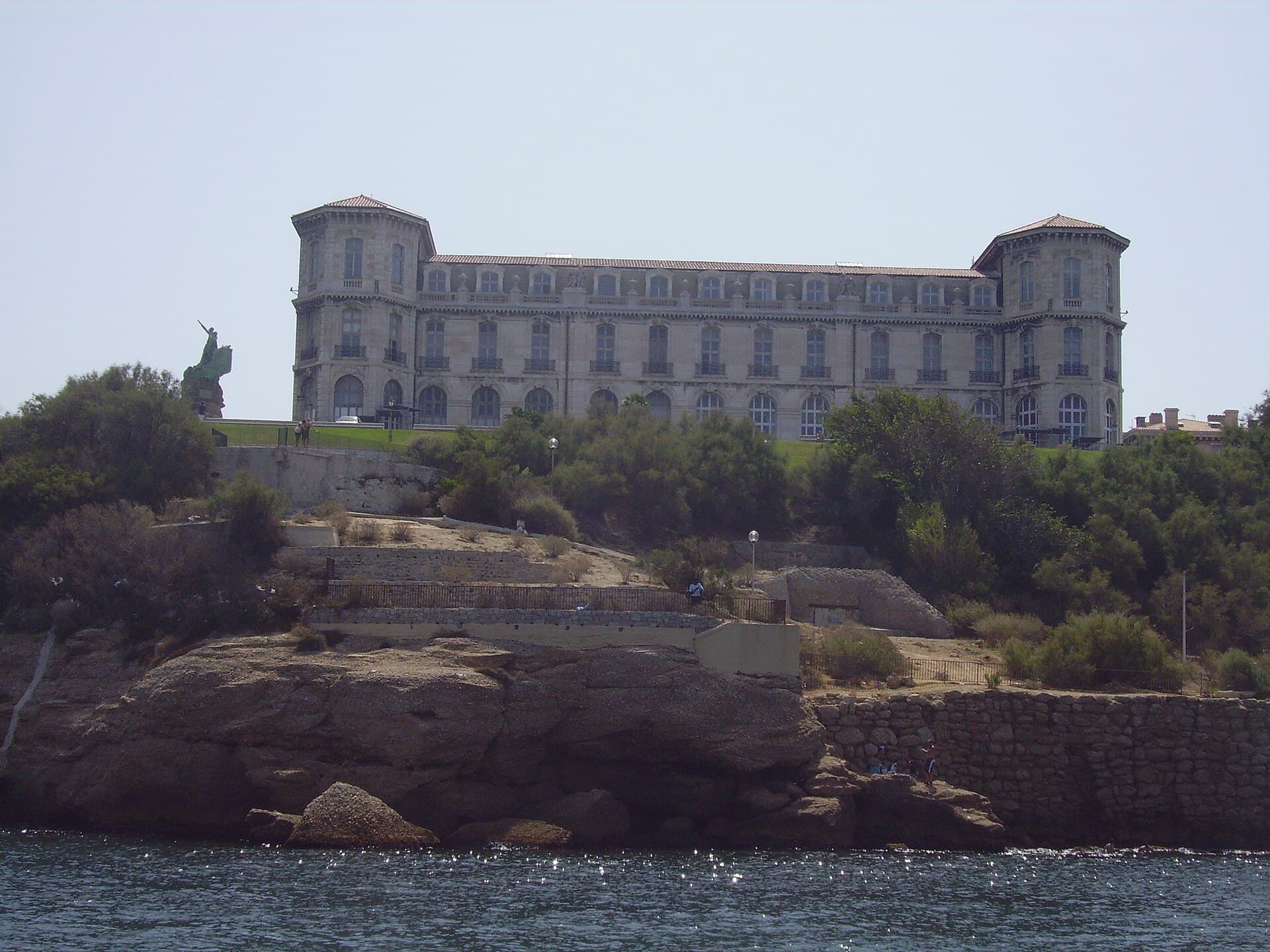
Napoleon III built the Palais du Pharo as a gift for Empress Eugénie on a rock commanding the Vieux-Port's mouth — the empress never lived a day in it, and it passed to the city as an elegant congress centre ringed by its true jewel: the garden. The Pharo garden is Marseille's people's balcony: broad lawns sloping to the sea, giving the view in every city photograph — the whole Vieux-Port below, Fort Saint-Jean and MuCEM opposite, Notre-Dame above all, ferries sliding in and out. Free always, its benches and grass belonging to picnics. Sunset here is a collective Marseille rite: families, couples and joggers on the grass as the light gilds the city — the finest free close to a waterfront day.
The whole Vieux-Port with its forts and MuCEM — Marseille's mother image.
Napoleon III's gift its recipient never inhabited.
Sea lawns where Marseille gathers every summer evening.
58 Boulevard Charles Livon, 13007 Marseille
 Monument to the Heroes and Victims of the SeaA monumental memorial on the Corniche Kennedy overlooking the sea, raised to the1 minute walk4.7
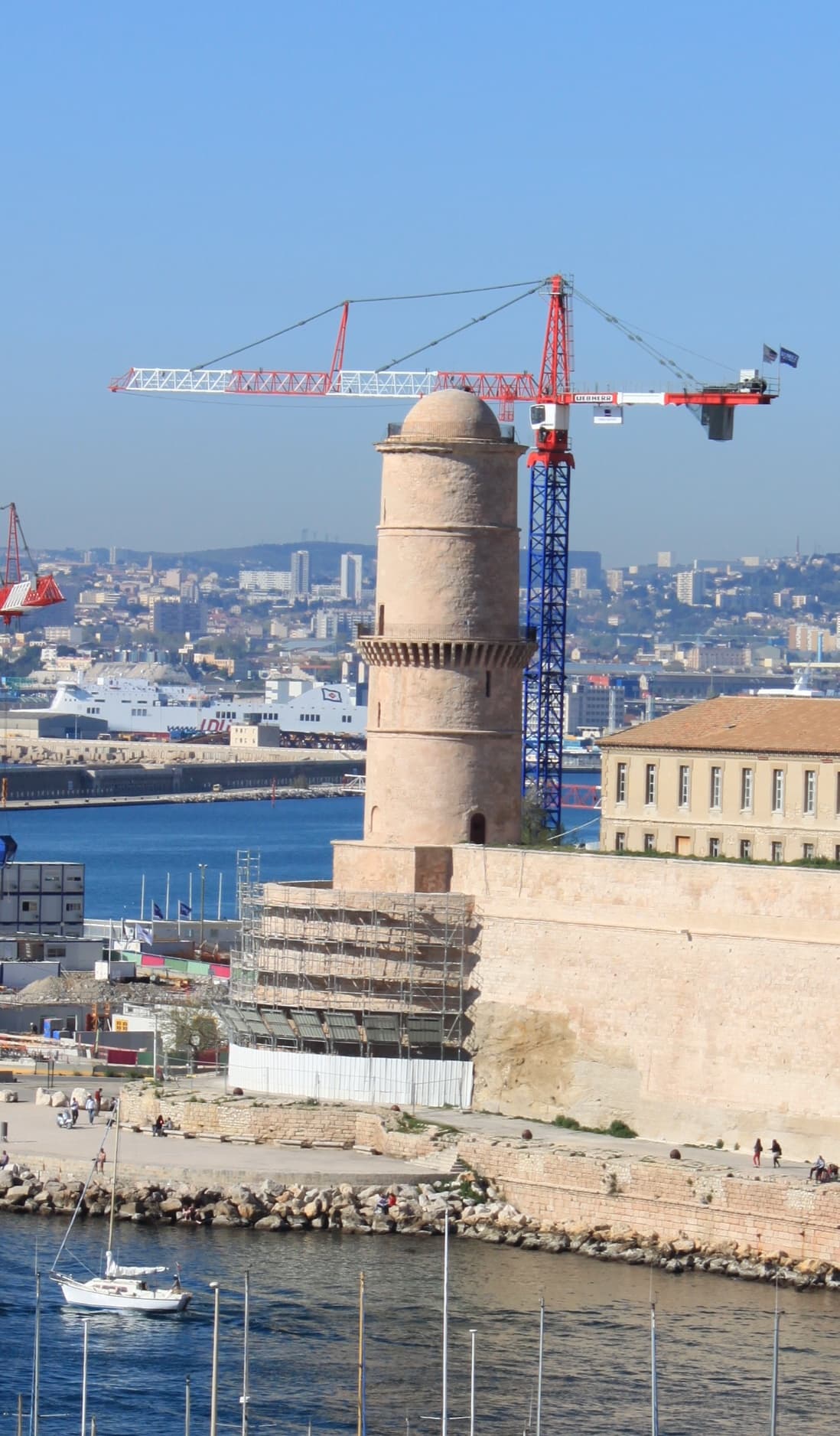 The Tour du FanalA stone tower at the entrance to the Old Port of Marseille, part of Fort Saint-J4 minutes walk4.8
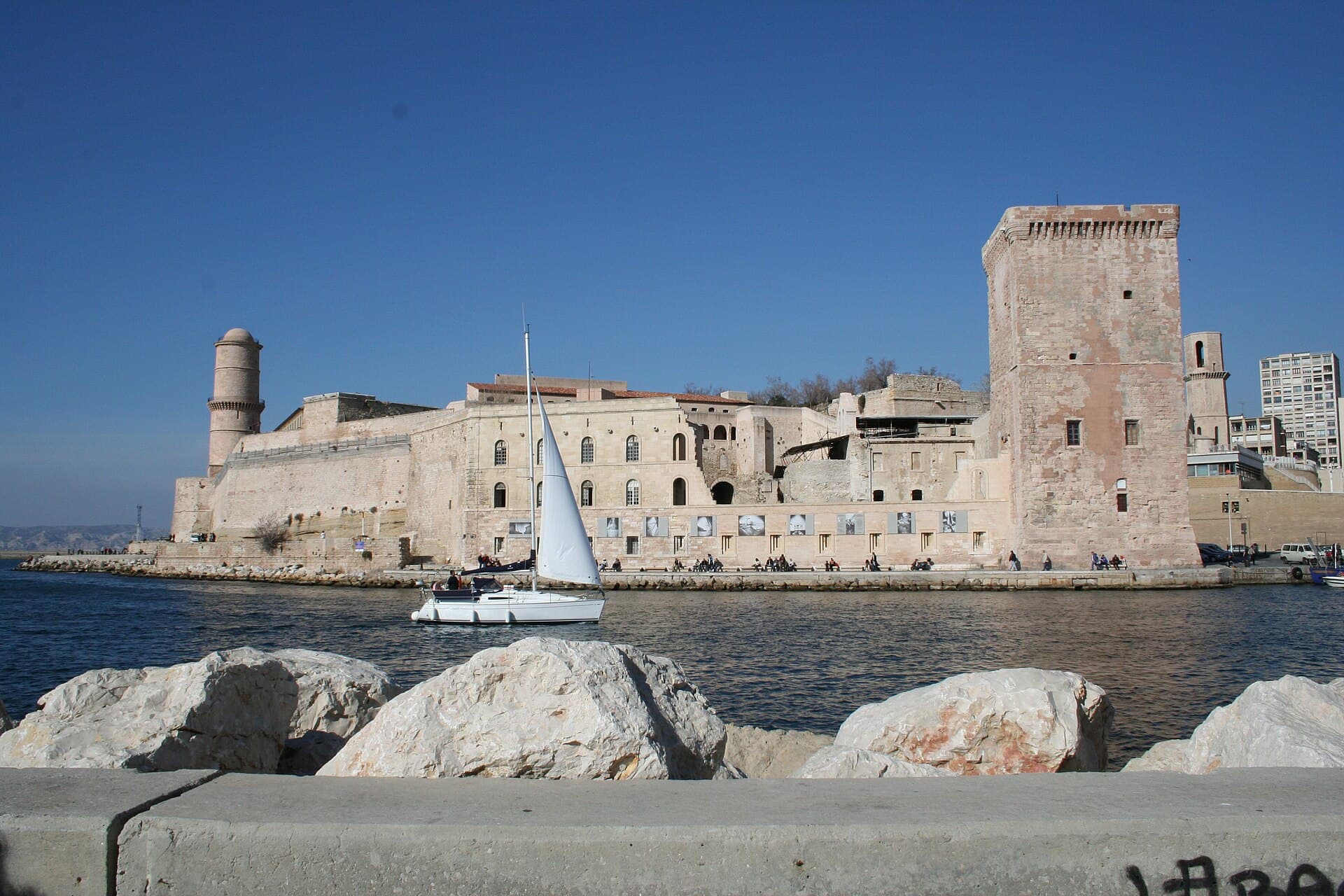 Fort Saint-JeanFort Saint-Jean has guarded the Vieux-Port entrance for centuries: its round tow5 minutes walk4.6
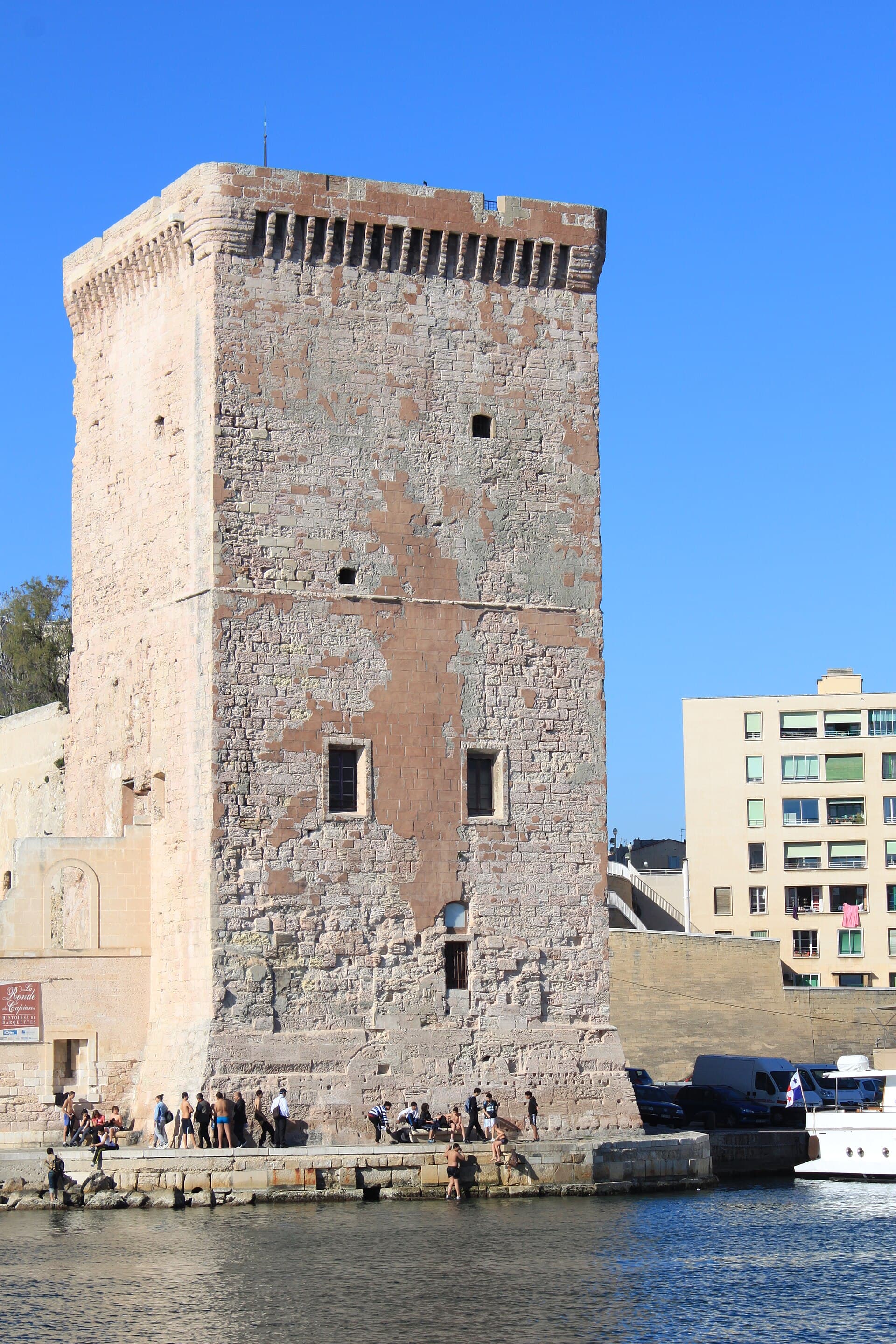 Tower of King RenéA square fifteenth-century defensive tower at the mouth of the old port, built b5 minutes walk4.8
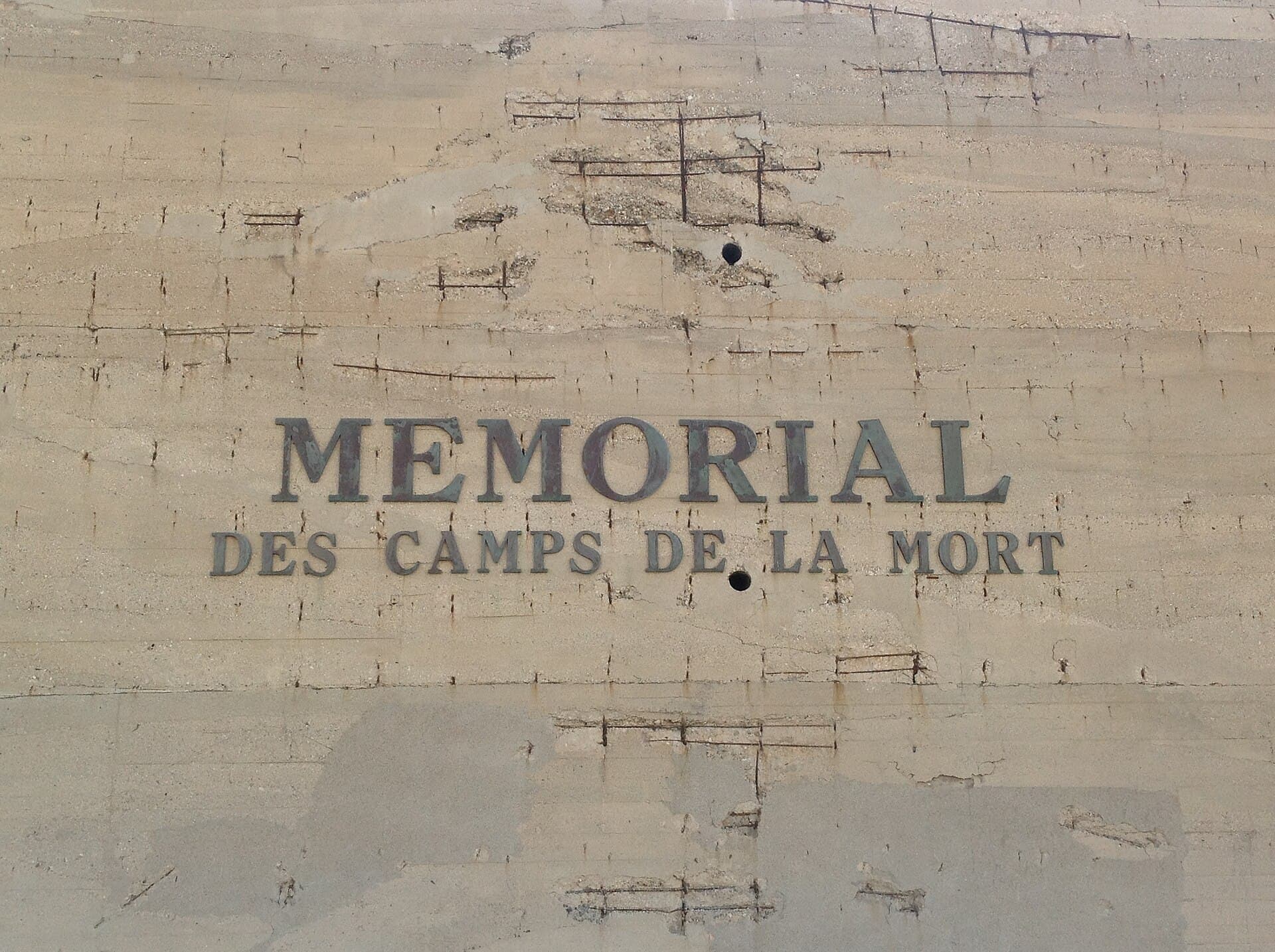 Memorial of the DeportationsA memorial and small museum near the old port, dedicated to the memory of those 5 minutes walk4.5
Completion practically coincided with the Second Empire's 1870 fall — the couple exiled, never returning. Eugénie later gave it to the city, which cycled it through hospital and medical school to its present role. Born a love gift, it lived as a public institution.
The ideal waterfront-day close: MuCEM, fort and cathedral by day, then round the port to the Pharo for sunset — facing everything you walked, lit. Or early morning for a clean shot without facing sun.
A good playground at one edge, vast running space and constantly moving ferries to watch — an easy family hour. Little food inside: gelato and cafés wait at the port below.