
The CEP hall
The machine a head of state inaugurated in 1961 is still here — its surviving cabinets, power unit and memory racks, in a room of their own since 2002. Not a photograph on a wall but an object you can walk around.
Sailko — CC BY 3.0 · Sailko — CC BY 3.0 · Sailko — CC BY 3.0 · Sailko — CC BY 3.0
In the mid-1950s the provinces of Pisa, Lucca and Livorno had money set aside for a particle accelerator, and Enrico Fermi advised the university to spend it on something else entirely, and to build rather than buy: an electronic calculating machine. The synchrotron went to Frascati outside Rome; the money stayed here. On 13 November 1961, with the President of the Republic Giovanni Gronchi in the room, the CEP — Calcolatrice Elettronica Pisana — was switched on: the first scientific computer designed and built in Italy, a joint effort between the university and Olivetti. That machine, more than three thousand vacuum tubes and two thousand transistors of it, has had a room of its own since 2002 — the surviving cabinets, the power unit, the memory racks and registers — and it is the reason this small museum exists at all. Around the CEP runs a much longer story: hand and mechanical reckoning instruments spanning some five centuries, from abacuses and proportional compasses to brass adding machines worked by a crank, and then the gallery of large calculators where the Olivetti ELEA 6001 and its siblings sit — machines that filled a whole room to do what your phone now finishes before you finish a sentence. The thread holding it together is not technology alone but the fact that Pisa became the birthplace of Italian computer science; the country's first school of the discipline grew out of these rooms. Let us be plain about it: this is a specialist museum, small and university-run, with no architectural drama and no scale to impress you, housed in the old slaughterhouse buildings about a ten-minute walk south-west of Piazza dei Miracoli. If you have one day in Pisa, the tower, the cathedral and the baptistery deserve it without argument. But if you are an engineer, a programmer or a computing student — or travelling with a teenager who loves machines — this is an hour spent standing at the beginning of something you live inside every day, for less than the price of a coffee. The real obstacle is not the price but the timetable. The museum runs on the university calendar: as the schedule currently stands, weekdays only, closed Saturday and Sunday, most days finishing at 14:30 with two longer days a week running to 18:00, and the calendar shifts in summer, when it moves to a 10:00 to 16:00 block. On that schedule it is out of reach on a weekend trip, though some past winter seasons have added a Saturday morning. Check the official site the same morning before you walk over, and plan a weekday visit.
The machine a head of state inaugurated in 1961 is still here — its surviving cabinets, power unit and memory racks, in a room of their own since 2002. Not a photograph on a wall but an object you can walk around.
The Olivetti ELEA 6001, styled by Ettore Sottsass, and its contemporaries stand here: computers that needed an entire room to do what is now a swipe of a finger.
Abacuses, proportional compasses, slide rules and mechanical machines covering some five hundred years, a reminder that computing is a far older craft than the electrical current.
Via Nicola Pisano 25 / Via Bonanno Pisano 2B (Largo Padre Renzo Spadoni), Vecchi Macelli district, 56126 Pisa
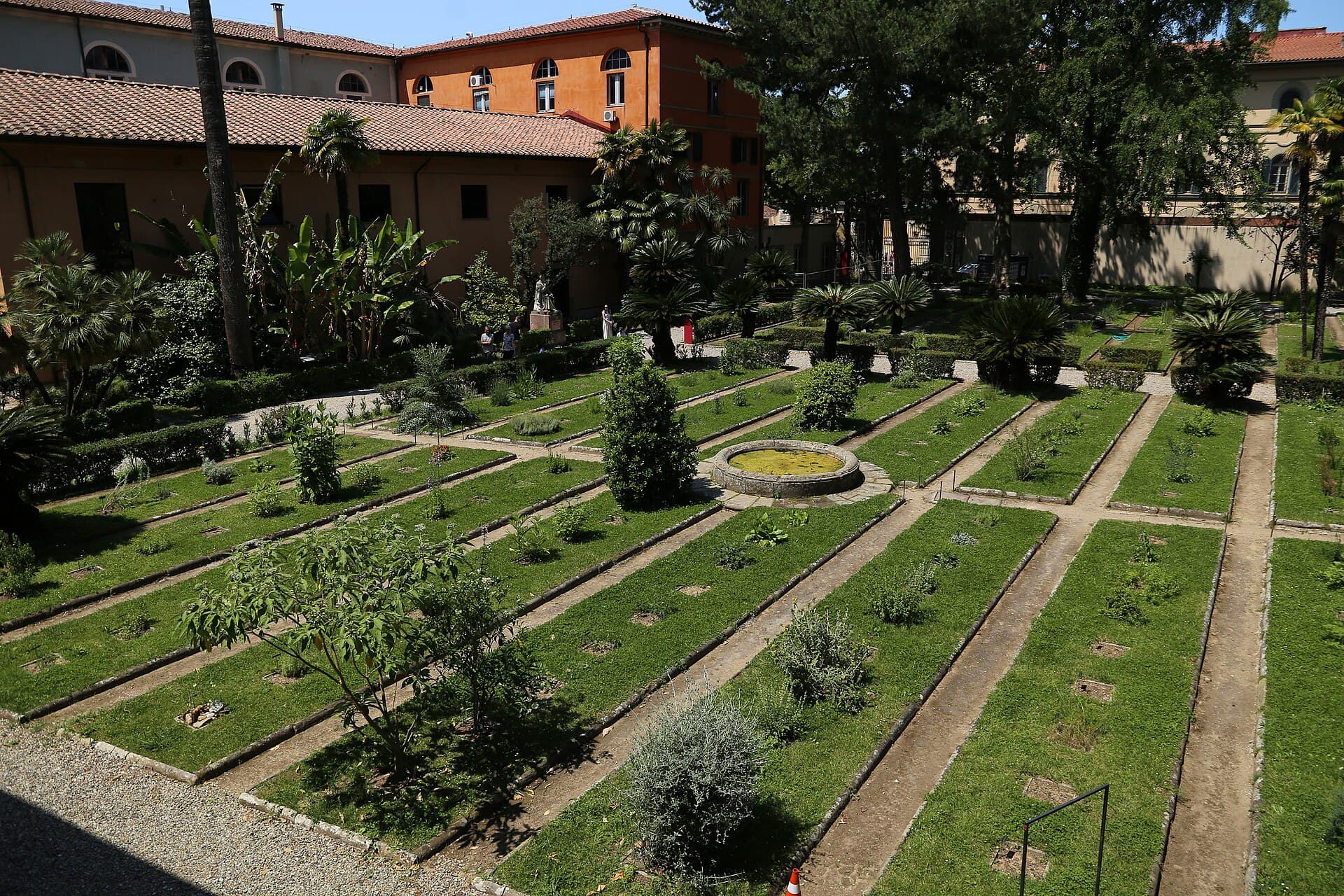 Pisa Botanical GardenIn 1543 — some sources say 1544 — Cosimo I de' Medici ordered a garden planted s6 minutes walk4.3
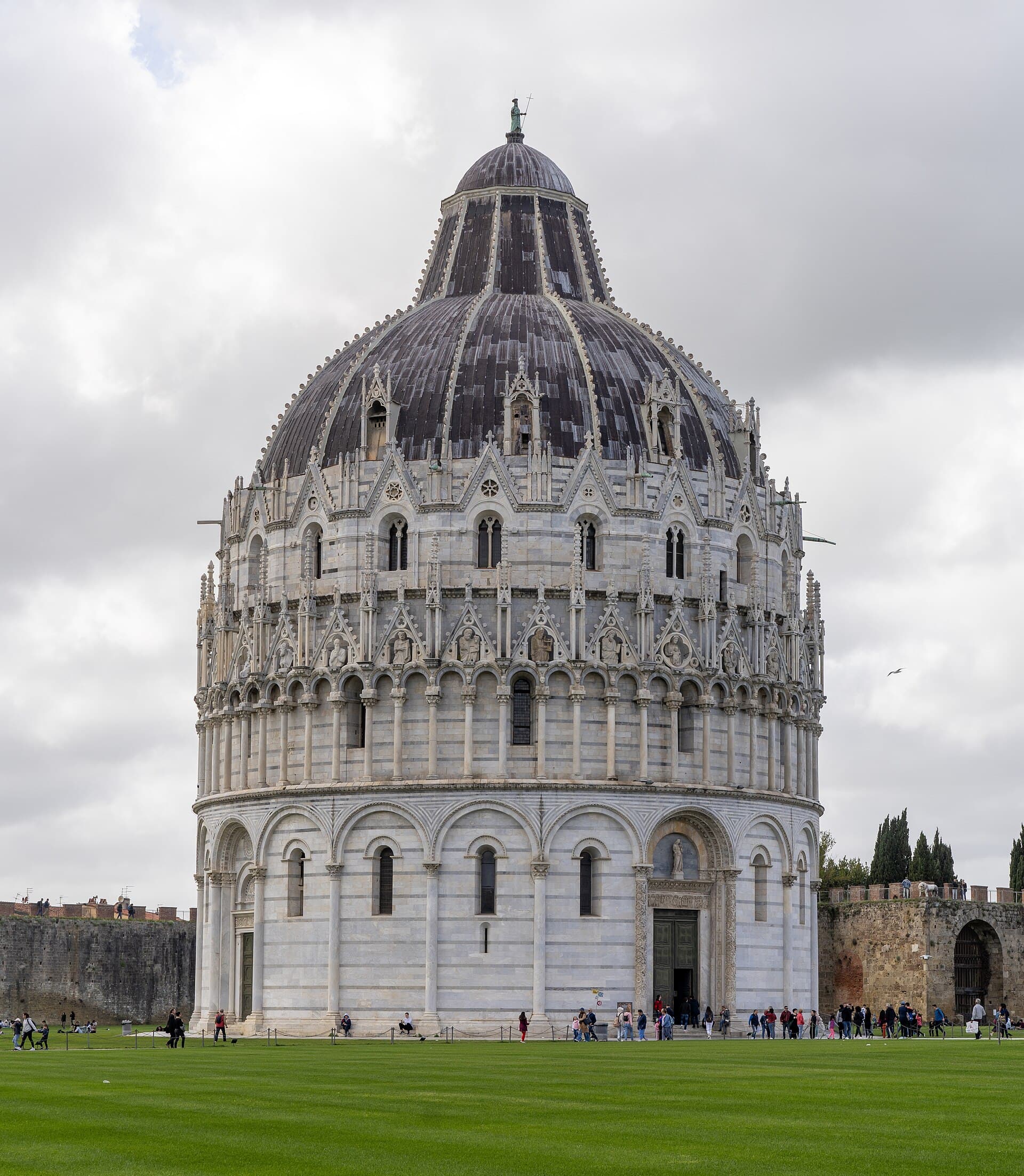 Pisa BaptisteryPisa's baptistery is Italy's largest: a marble cylinder over a hundred metres ro7 minutes walk4.8
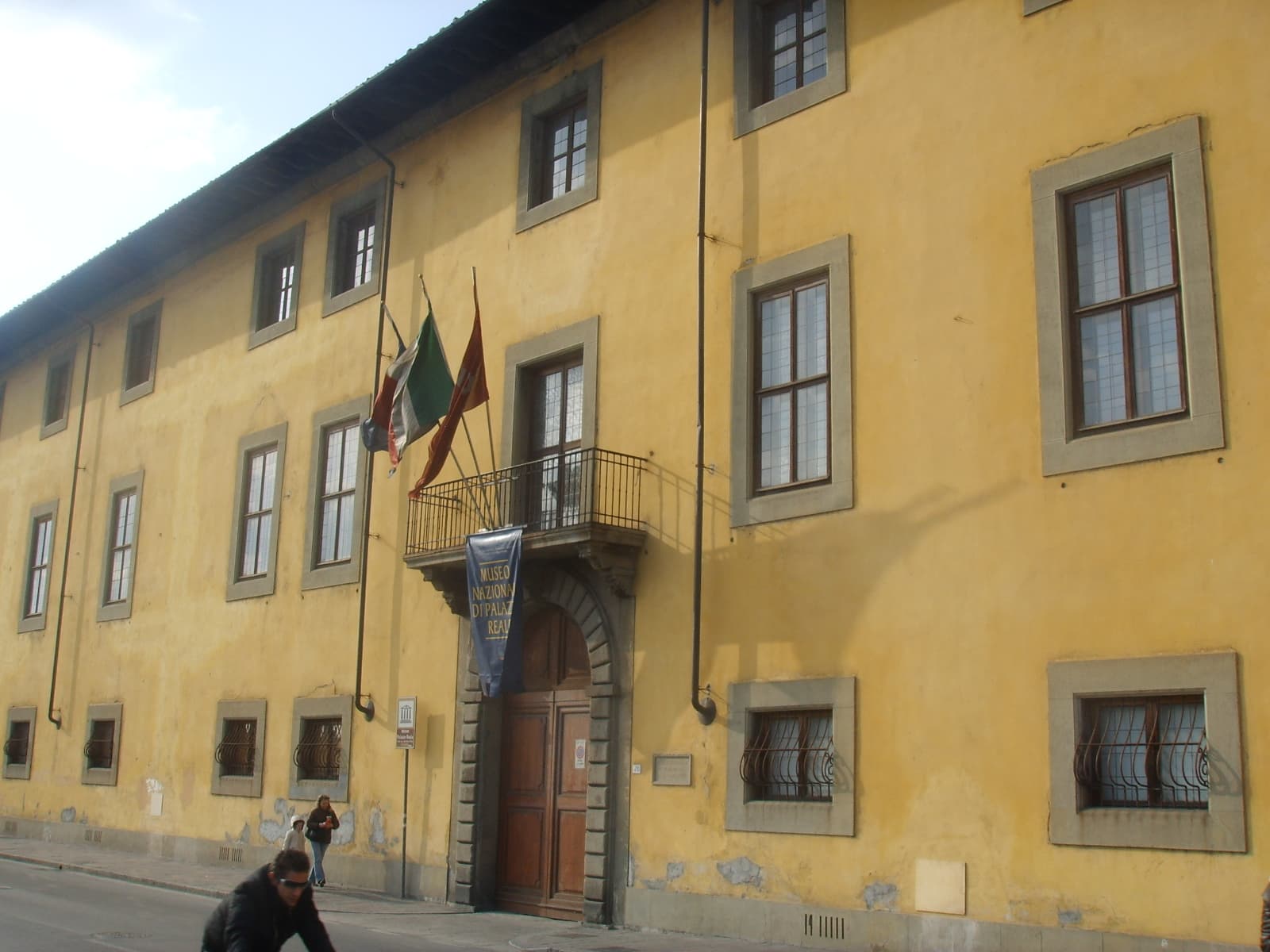 Museo Nazionale di Palazzo RealeA national museum inside Pisa's royal palace, on the bank of the Arno in the cit8 minutes walk4.1
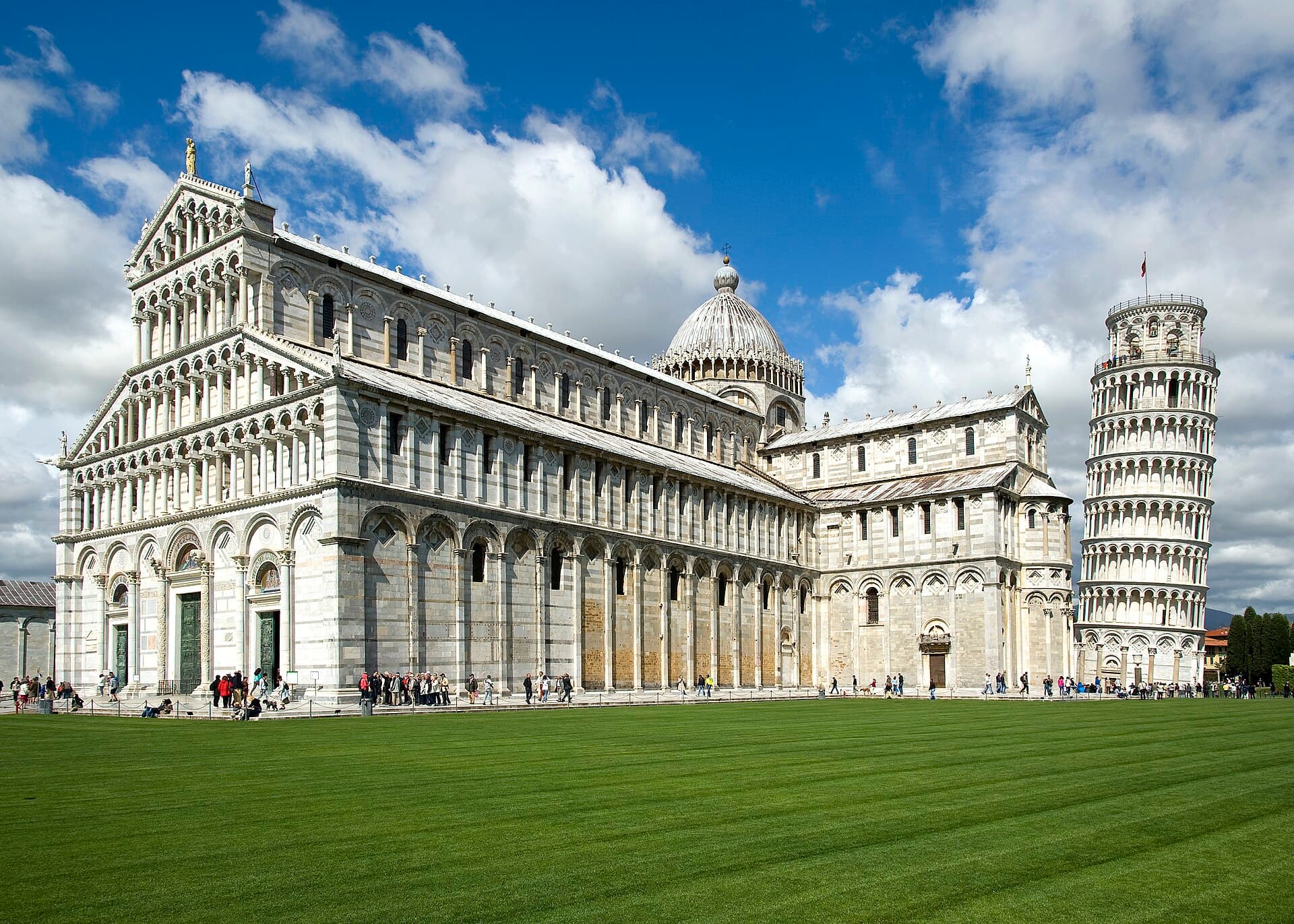 Pisa CathedralBefore the tower leaned, the cathedral was the miracle: Pisa began it (1064) as 8 minutes walk4.7
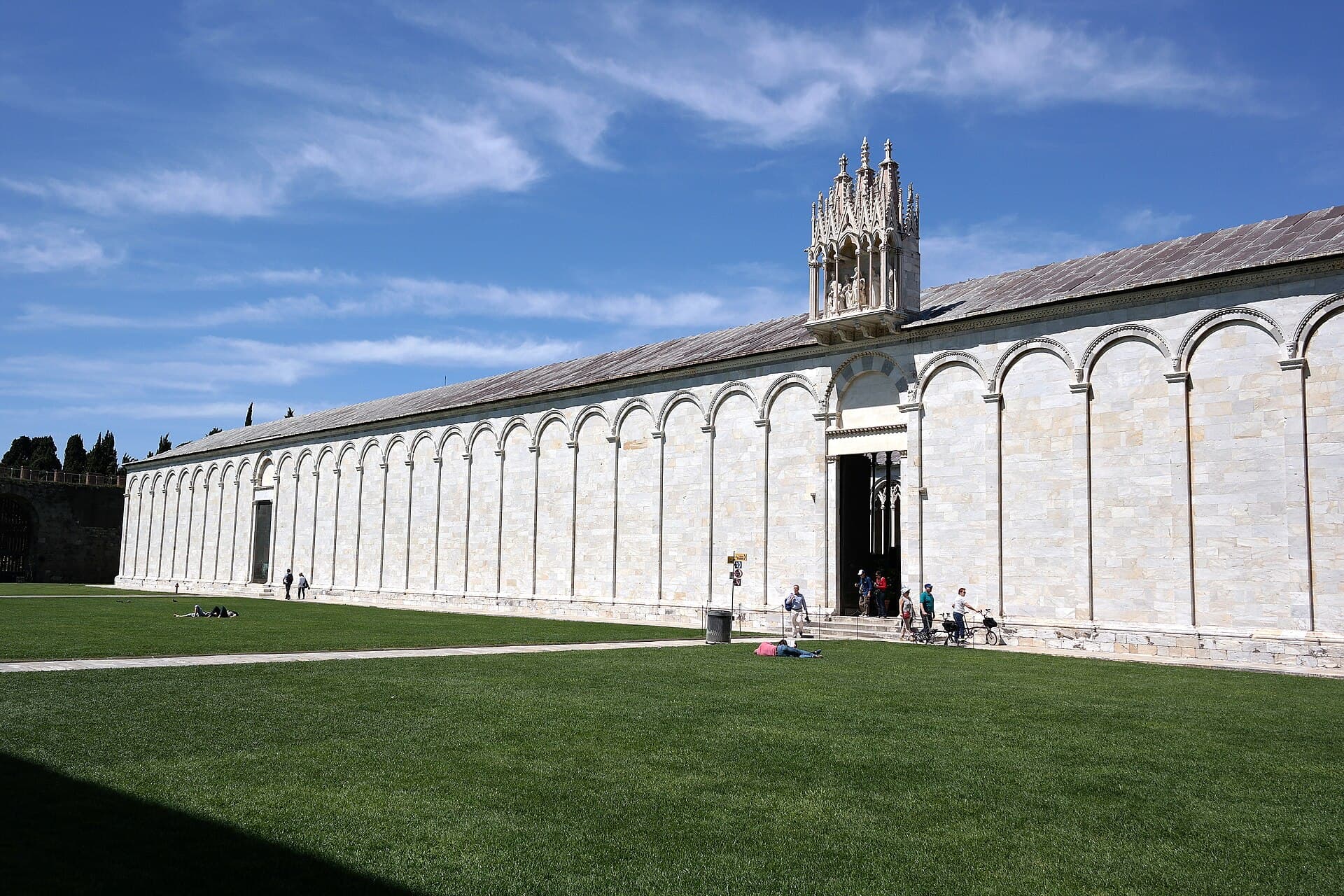 Camposanto MonumentaleThe Camposanto — holy field — is the Field of Miracles' wronged fourth side: a v8 minutes walk4.8
Honestly, probably not. With a single day in Pisa, Piazza dei Miracoli and Palazzo Blu have a better claim on your time. But if you are an engineer, a programmer or a computing student — or travelling with a teenager who loves machines — it is a short, memorable hour, and the ticket costs less than a coffee.
As the timetable currently stands, no. The museum opens on weekdays only and closes Saturday and Sunday, with most days ending at 14:30 and two longer days a week running to 18:00. Some past winter seasons have added a Saturday morning, and the calendar follows the university year and shifts in summer, so check the official site the same morning before making the walk.