
Vaulted cellars
An inner courtyard and brick mass from the city's fortifications.
Garzena — CC BY-SA 3.0 · Tomasz Gąsior — CC BY-SA 4.0 · Zala — CC BY-SA 4.0 · Garzena — CC BY-SA 3.0
An archaeological museum in Wrocław's fifteenth-century arsenal, a branch of the city museum. The building itself is among the most important survivals of Wrocław's fortifications: a huge brick mass with an inner courtyard and vaulted cellars, built to store and make weapons. It survived the destruction of 1945 that erased most of the city. The collection covers Silesia from the Stone Age to the Middle Ages: flint tools, Bronze Age burials, pieces of the Lusatian culture, and objects from the early Slavic settlement that formed the city's foundation. That last is a historically sensitive subject: Wrocław was German Breslau until 1945, and the question of its Slavic or Germanic roots was propaganda material on both sides for decades. The museum today presents the layers as they are. Small and rarely crowded.
An inner courtyard and brick mass from the city's fortifications.
Slavic or Germanic roots were propaganda material for decades.
Bronze Age, widespread across Silesia.
The City Arsenal, Cieszyńskiego street
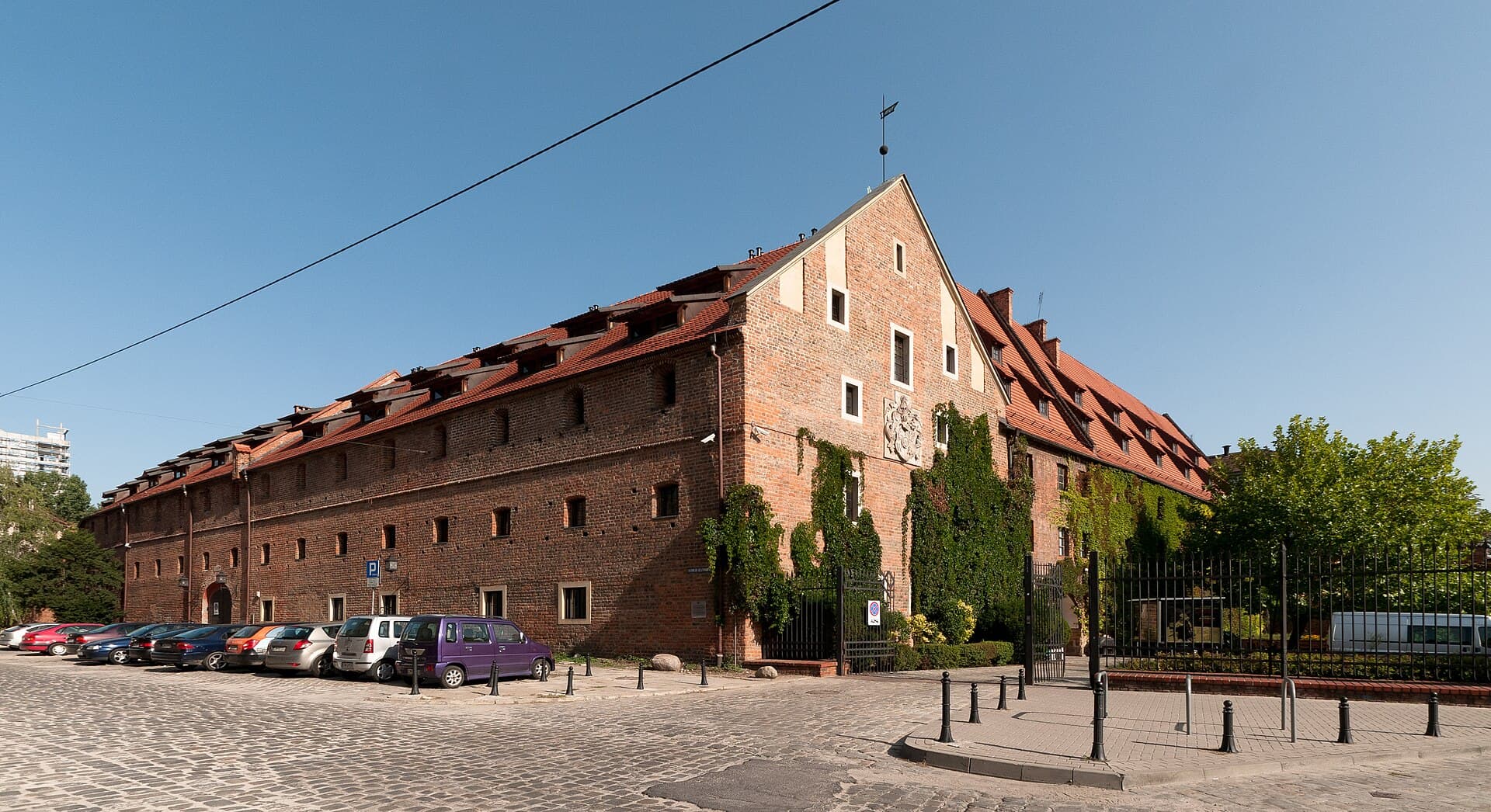 The City ArsenalThe largest surviving fragment of Wrocław's medieval fortifications: a fifteenth1 minute walk4.5
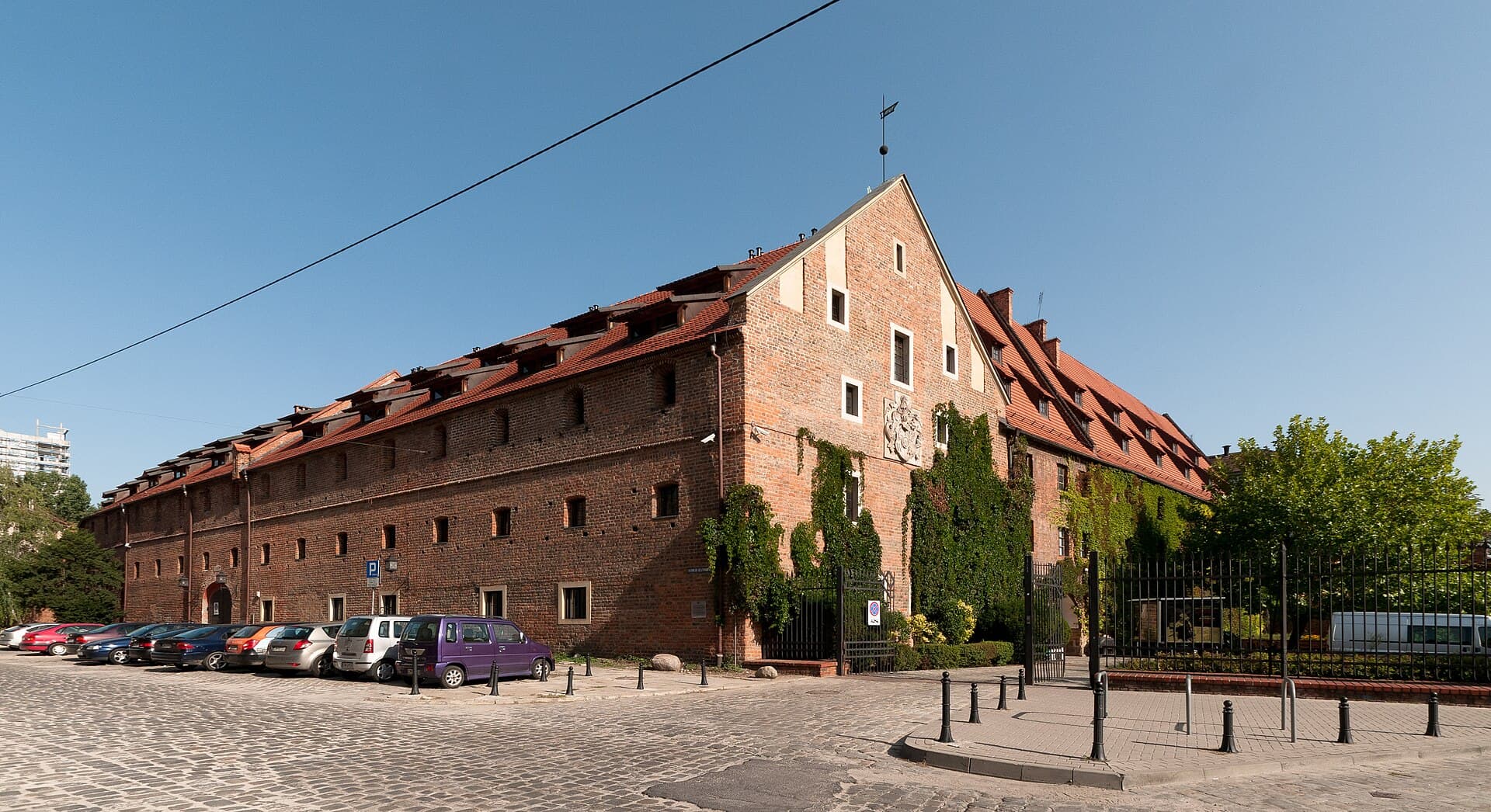 Museum of Military ArtsA museum of arms and armour inside Wrocław's arsenal, a medieval defensive build1 minute walk4.6
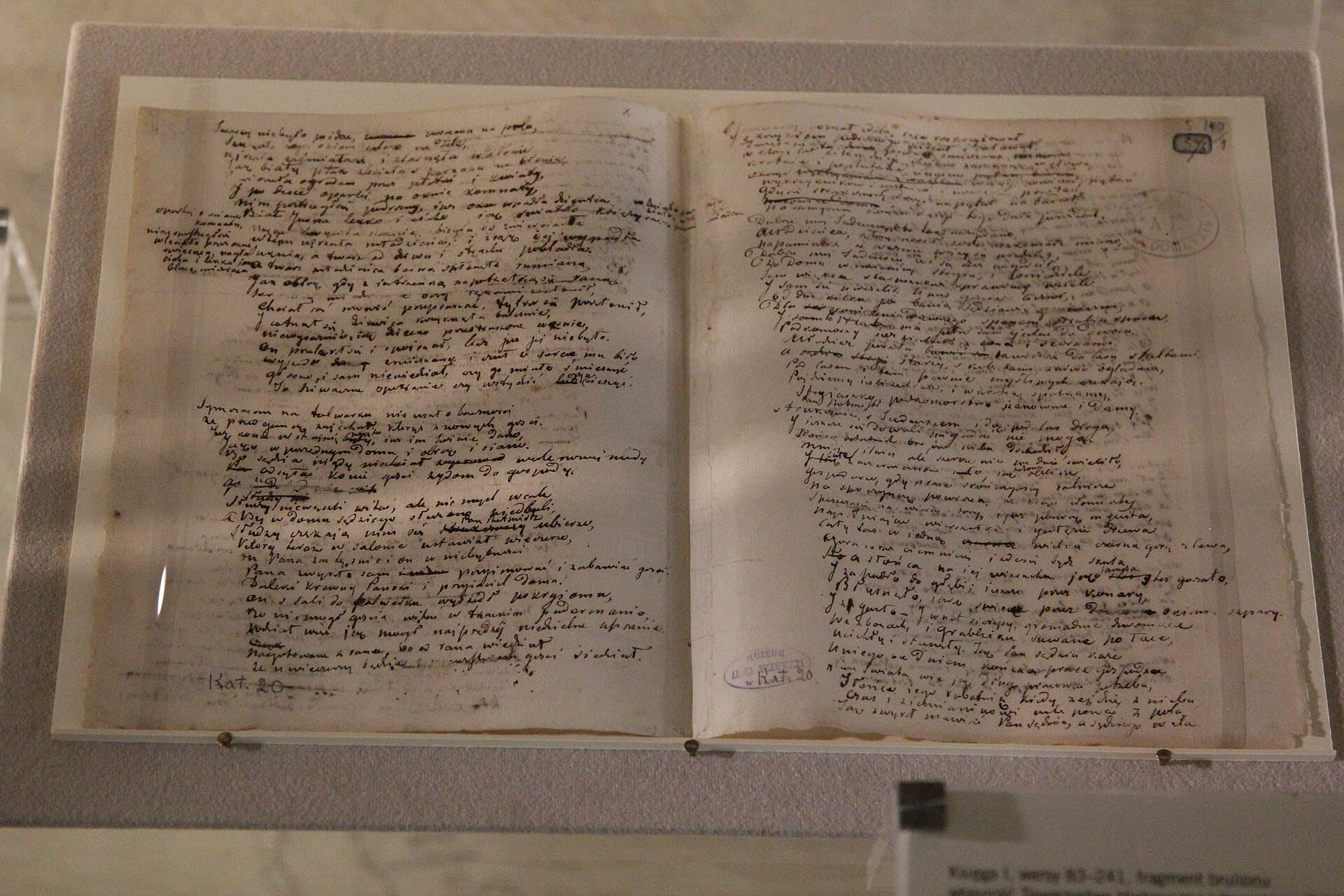 Pan Tadeusz MuseumA museum in a historic house on Wrocław's Main Market Square, built around a sin5 minutes walk4.5
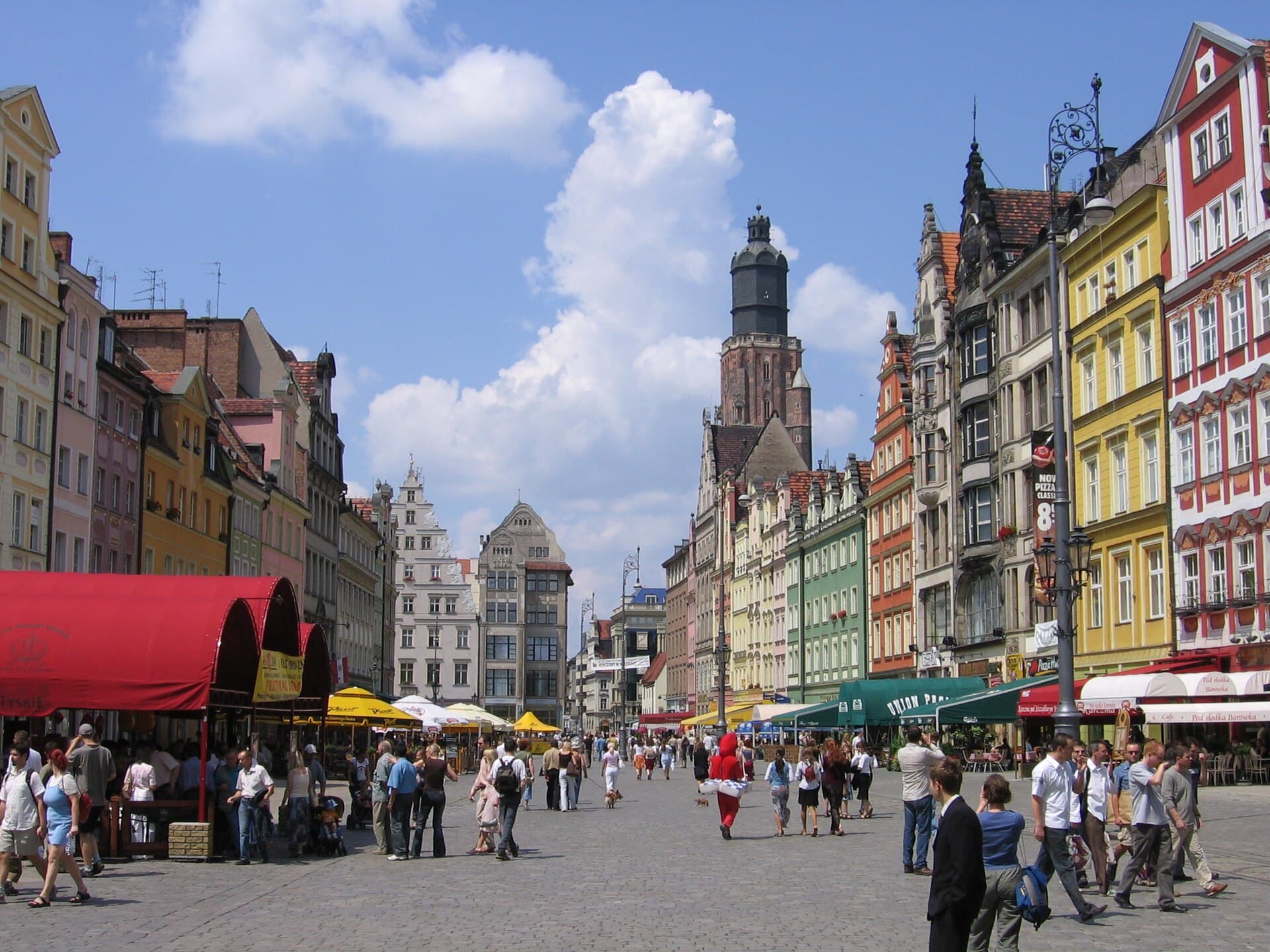 Wroclaw's Rynek & its DwarfsWroclaw's Rynek is Poland's second-greatest medieval square — and its most colou5 minutes walk4.8
 District of Four DenominationsA small area in central Wrocław where four places of worship of four faiths stan6 minutes walk4.7
A city that changed states repeatedly: it began as a Slavic settlement, became Polish in the tenth century, then Bohemian, then Habsburg Austrian, then Prussian in 1741, then German as Breslau. After the Second World War it passed to Poland, its German population was expelled entirely and Poles were brought in from Lwów, which had been annexed by the Soviet Union. That is, the city's people today are the descendants of those displaced from another city — something the city addresses in its museums.
The main square, the Rynek, with its Gothic town hall — among central Europe's finest squares. Cathedral Island, Ostrów Tumski, with its churches and gas lamps lit by hand every evening by a lamplighter. The Racławice Panorama — a huge circular painting a hundred and fourteen metres long. And the hundreds of small bronze dwarfs scattered across the city — a tradition that began as a symbol of satirical protest in the 1980s.