
The arsenal itself
Walls, towers and a courtyard from the old city's fortifications.
Garzena — CC BY-SA 3.0 · Grigory Chernetsov — Public domain · Marc Ryckaert (MJJR) — CC BY 3.0 · Hans Ollermann — CC BY-SA 2.0
A museum of arms and armour inside Wrocław's arsenal, a medieval defensive building surviving from the old city's fortifications. For many visitors the building matters more than the displays: thick walls, towers and an inner courtyard, among the oldest things left in Wrocław and one of few witnesses to the city's shape before it expanded. The collection covers armament from the Middle Ages to the twentieth century: swords, armour, helmets, cannon and firearms, with sections on the craft itself — how a smith made a suit of armour, how gunpowder developed. The arsenal holds other departments of the city museum, among them the antiquities and archaeology collections, and a combined ticket covering them may exist. This is a mid-sized museum in a city with many, so it does not compete with the Racławice Panorama or the National Museum for your time. But it stands in the centre minutes on foot from the main square, so the addition is cheap.
Walls, towers and a courtyard from the old city's fortifications.
How armour was made and how gunpowder developed, not only a display of arms.
Central, so it costs you no detour on your Wrocław route.
The City Arsenal, central Wrocław
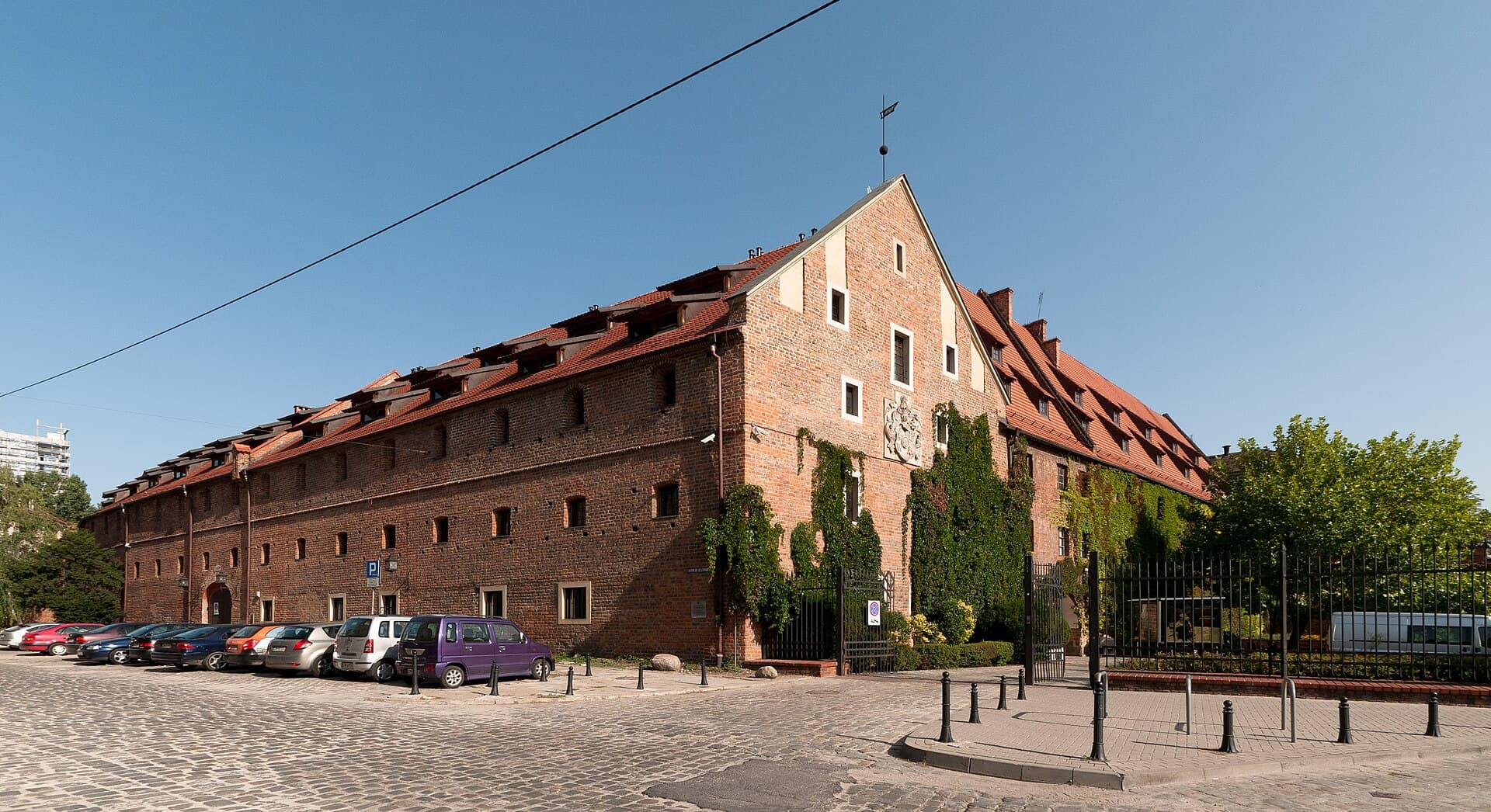 The Archaeological MuseumAn archaeological museum in Wrocław's fifteenth-century arsenal, a branch of the1 minute walk4.5
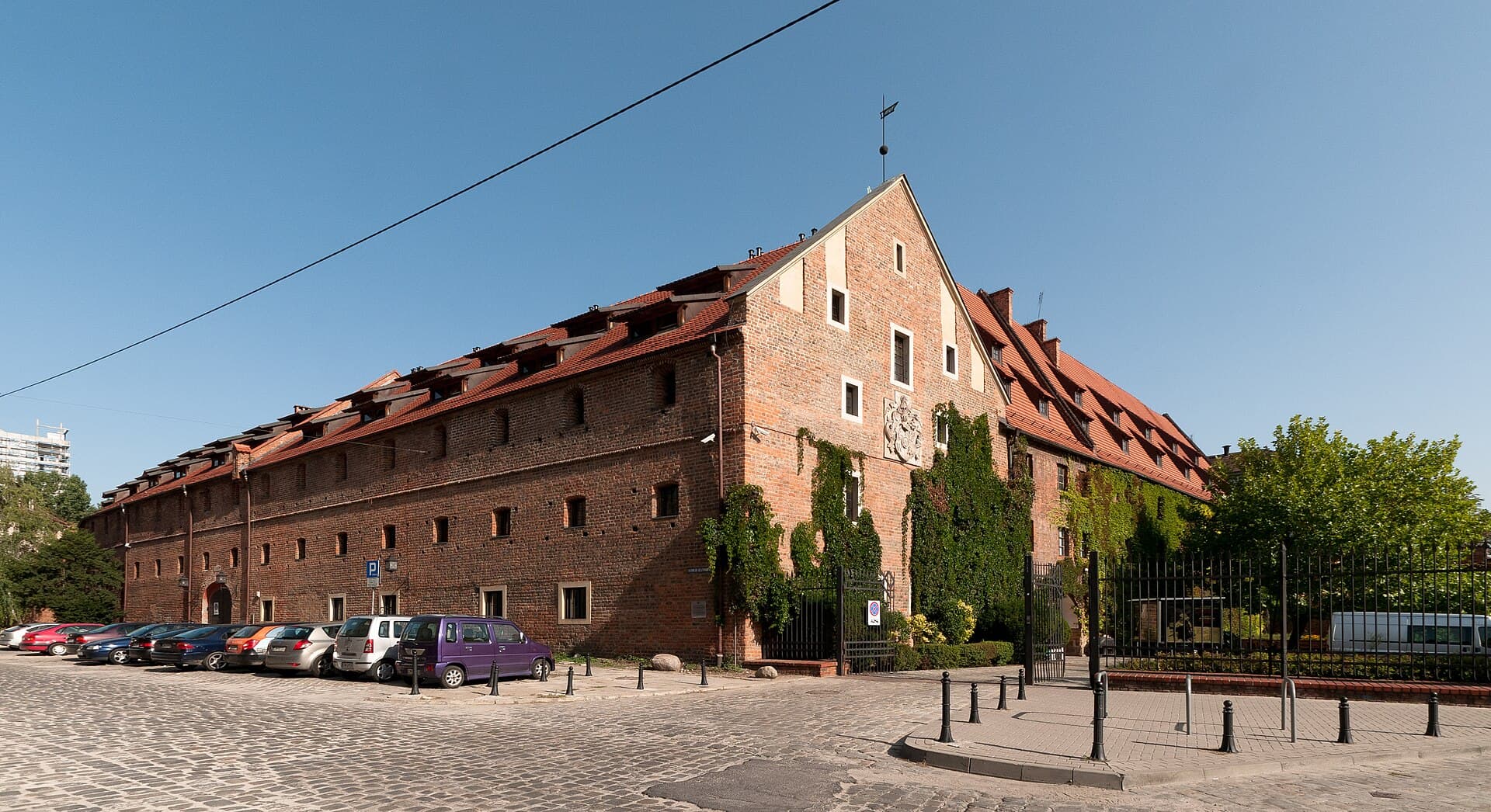 The City ArsenalThe largest surviving fragment of Wrocław's medieval fortifications: a fifteenth1 minute walk4.5
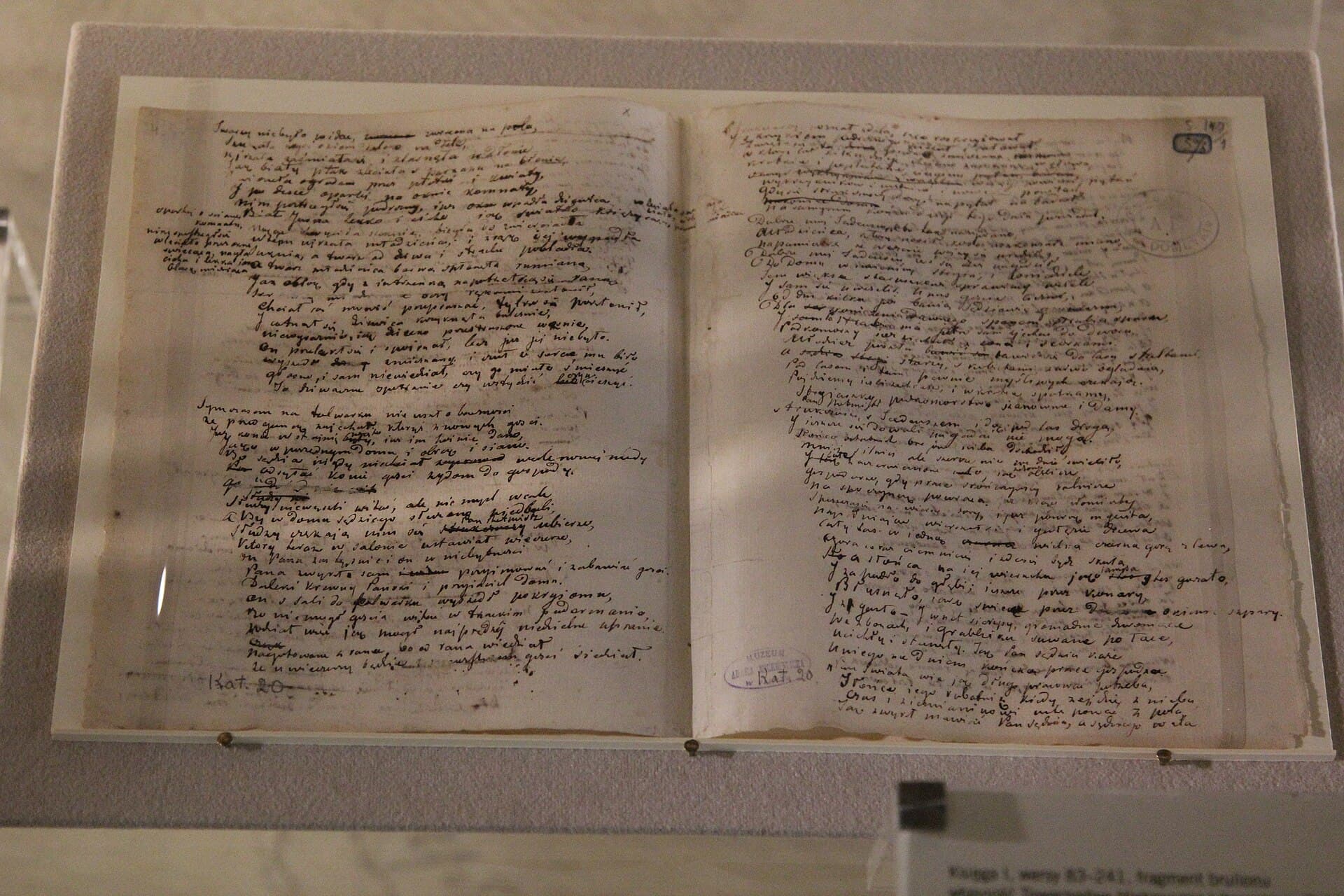 Pan Tadeusz MuseumA museum in a historic house on Wrocław's Main Market Square, built around a sin5 minutes walk4.5
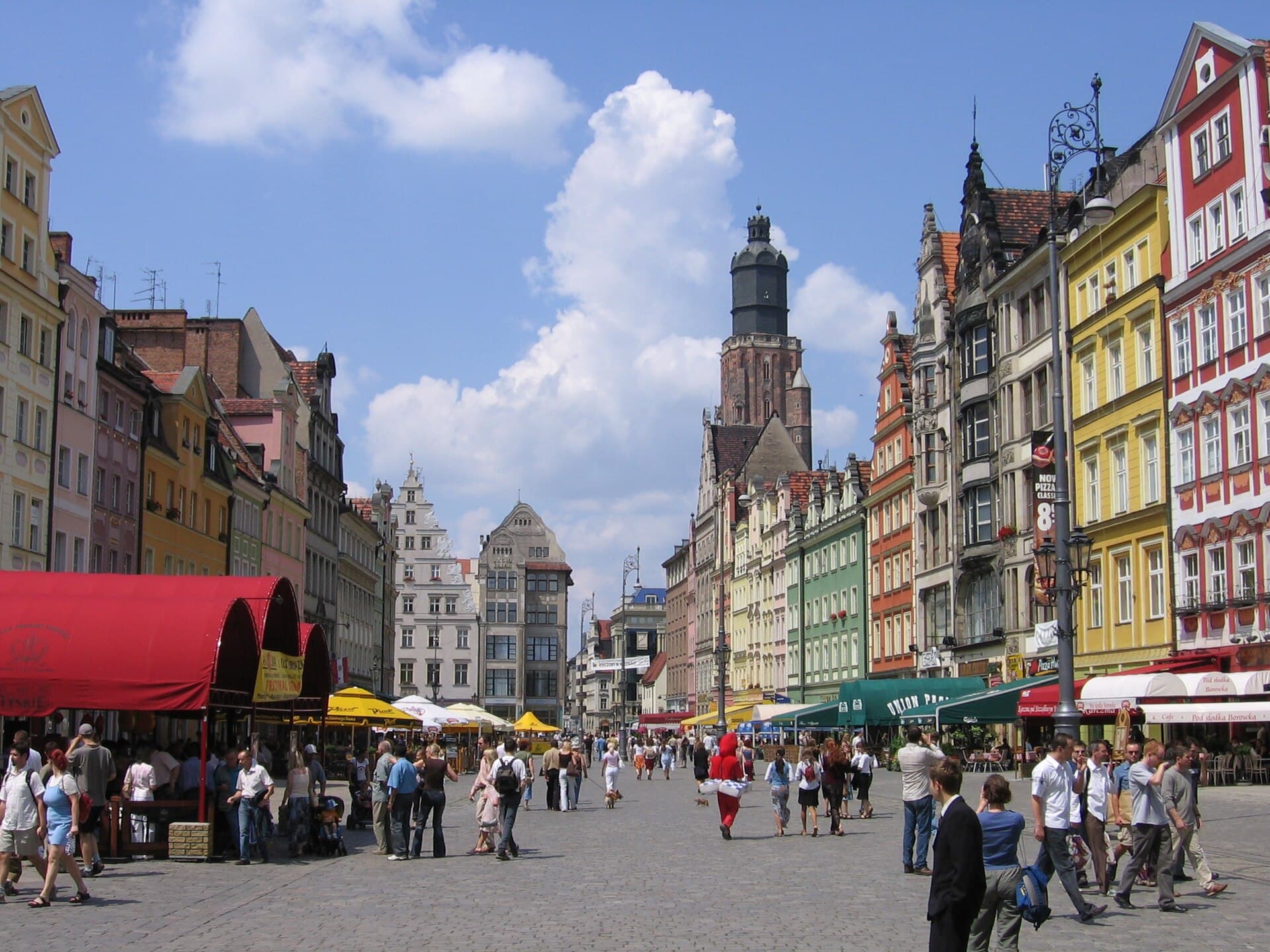 Wroclaw's Rynek & its DwarfsWroclaw's Rynek is Poland's second-greatest medieval square — and its most colou5 minutes walk4.8
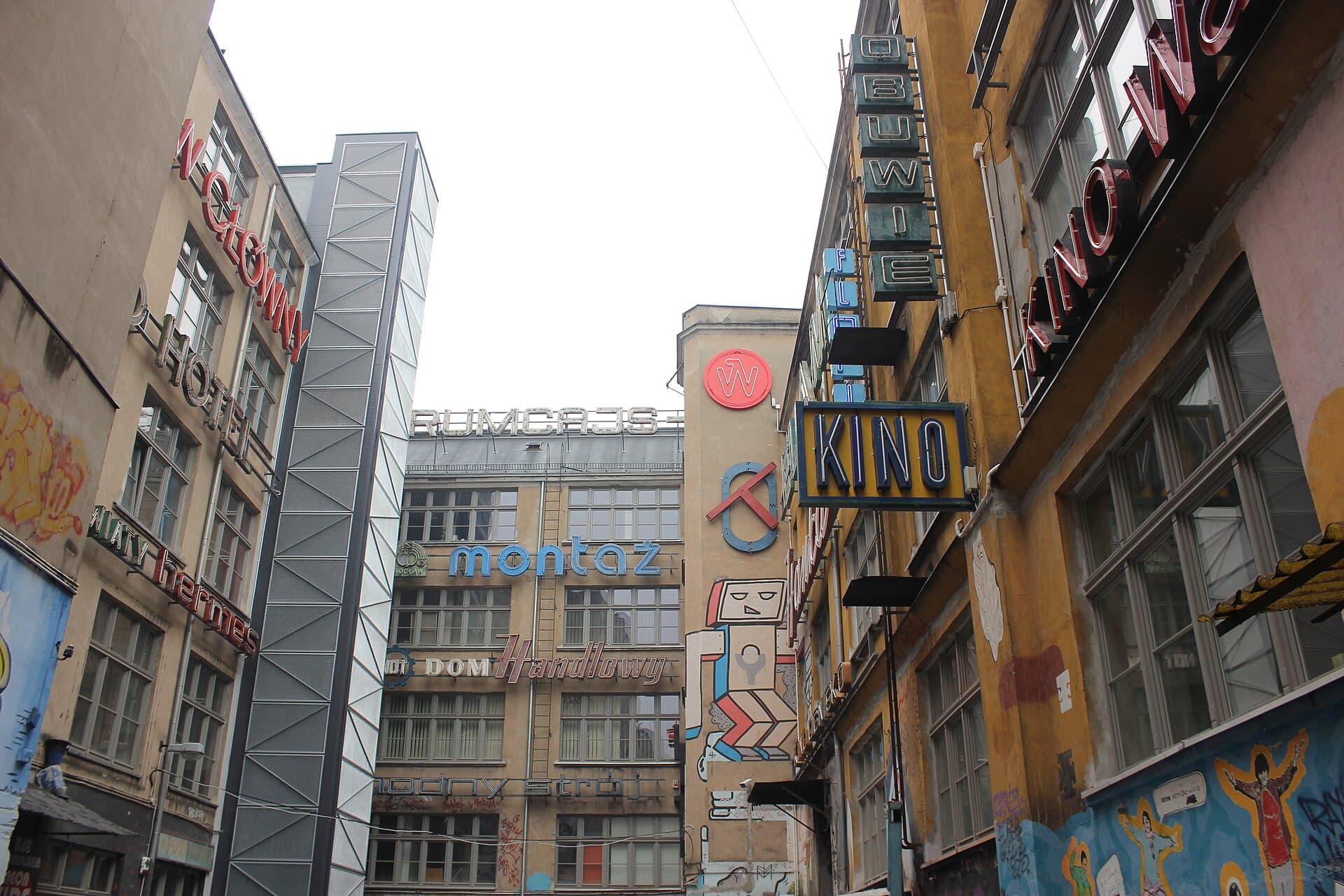 District of Four DenominationsA small area in central Wrocław where four places of worship of four faiths stan6 minutes walk4.7
The Racławice Panorama first — a vast circular painting a hundred metres long shown in its own building, a unique experience. Then the main square and Cathedral Island, then hunting the bronze dwarfs scattered around the city. This museum comes after those.
To a degree. Armour, helmets and cannon hold children visually, and the building itself feels like a castle. But it is a conventional museum with explanatory panels rather than an interactive one, so allow forty minutes at most with young children.