
Walls turned into parks
The fortifications were demolished in the nineteenth century and became a green belt.
Garzena — CC BY-SA 3.0 · Tomasz Gąsior — CC BY-SA 4.0 · Zala — CC BY-SA 4.0 · Garzena — CC BY-SA 3.0
The largest surviving fragment of Wrocław's medieval fortifications: a fifteenth-century complex of towers, walls and a broad inner courtyard at the western edge of the old town. The arsenal held the city's weapons and powder, and was part of an integrated defensive system, most of which was demolished in the nineteenth century when the walls were turned into a belt of parks around the centre. The arsenal survived, and largely survived the destruction of 1945 as well. It houses today a museum of arms and armour — from the medieval period to the nineteenth century — and the Archaeological Museum of Wrocław, showing what has been excavated from the city's layers, from the stone age to the Middle Ages. The inner courtyard is the better part and is free to enter most of the time: a broad stone space ringed by arcades, used in summer for concerts, markets and festivals. The site is walkable from the main square, and from it run the remains of the walls and the park belt.
The fortifications were demolished in the nineteenth century and became a green belt.
Arms and armour, and archaeology excavated from the city's layers.
The courtyard is used for open events in summer.
Cieszyńskiego street, the western edge of the old town
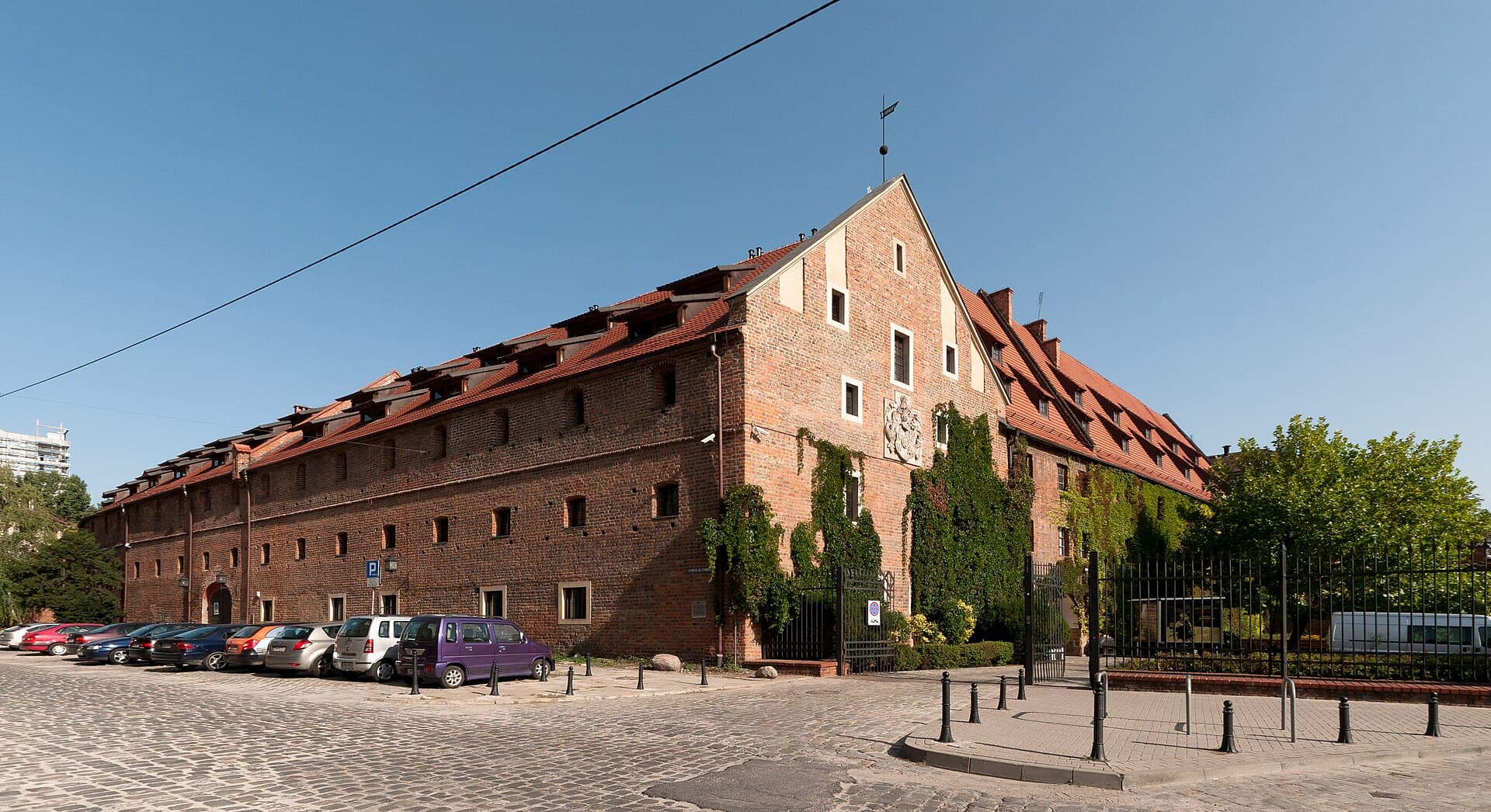 The Archaeological MuseumAn archaeological museum in Wrocław's fifteenth-century arsenal, a branch of the1 minute walk4.5
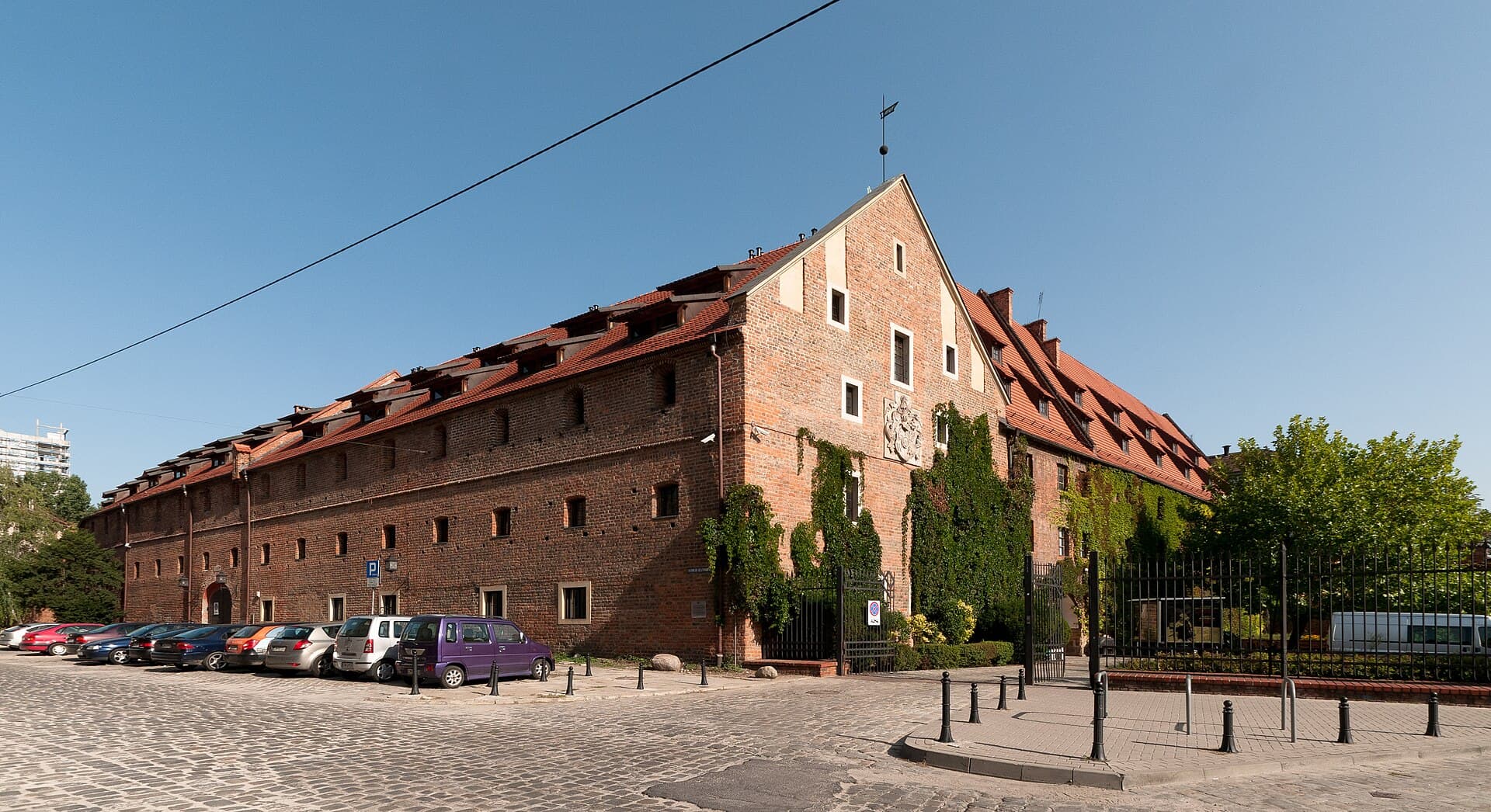 Museum of Military ArtsA museum of arms and armour inside Wrocław's arsenal, a medieval defensive build1 minute walk4.6
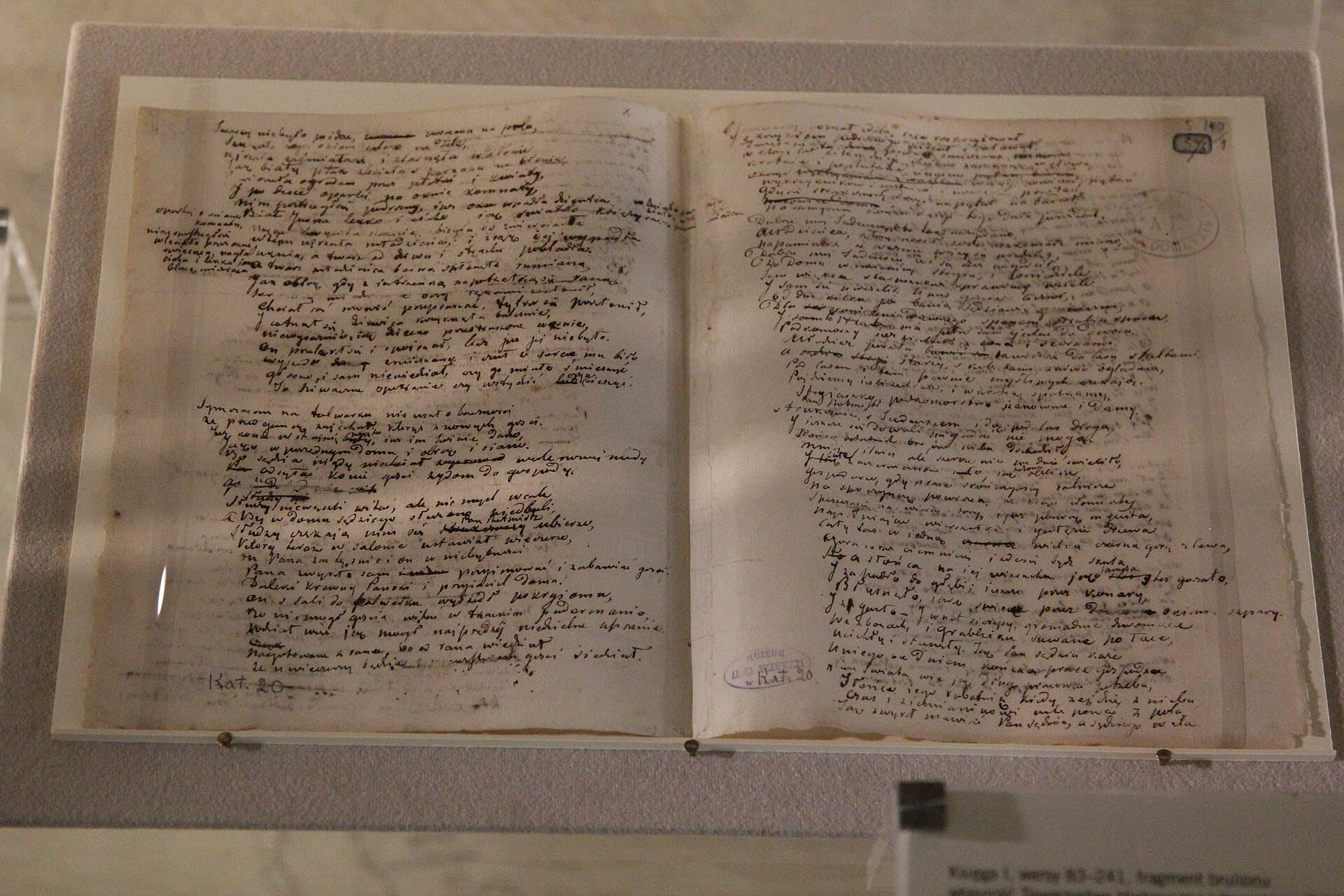 Pan Tadeusz MuseumA museum in a historic house on Wrocław's Main Market Square, built around a sin5 minutes walk4.5
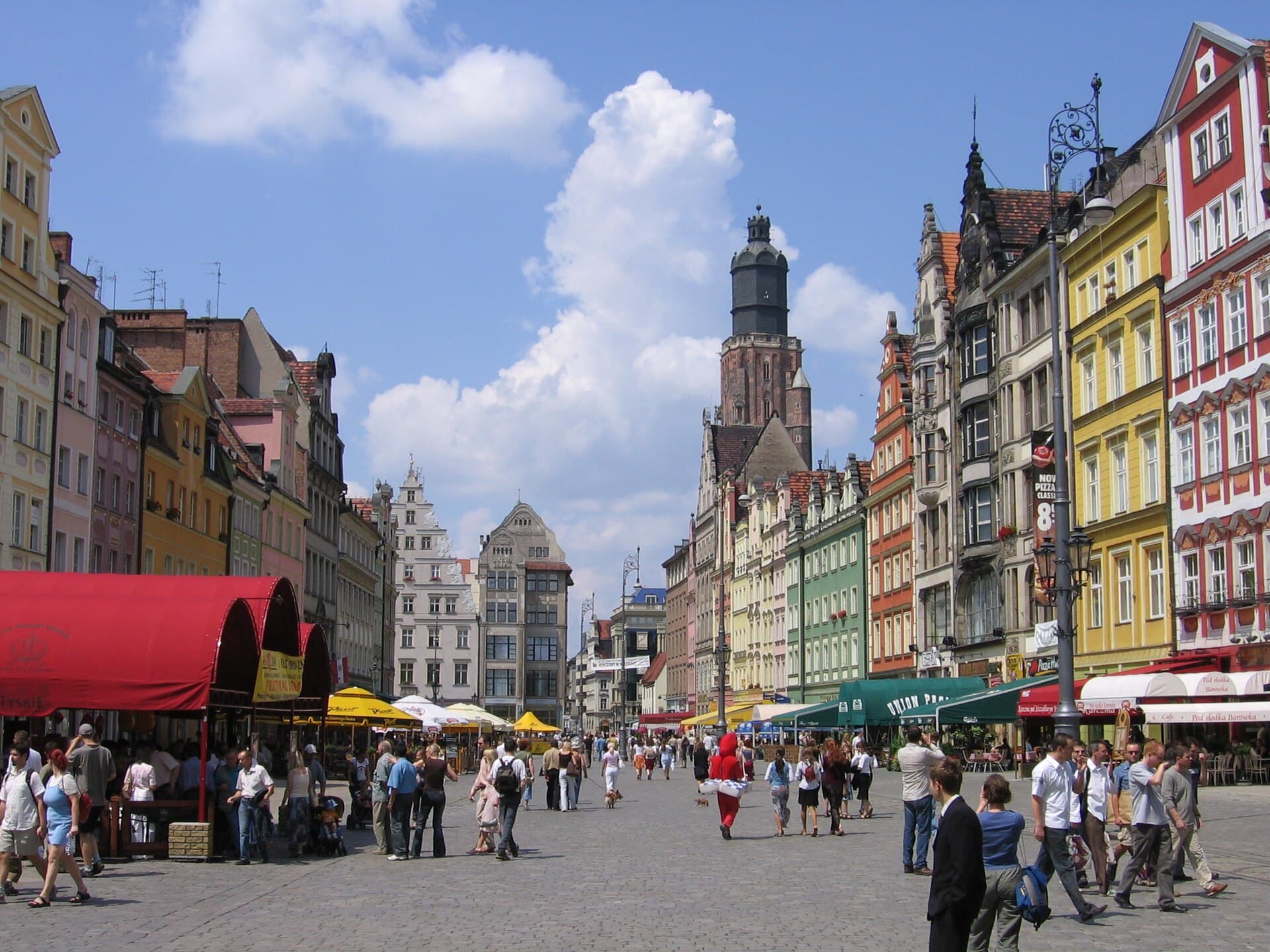 Wroclaw's Rynek & its DwarfsWroclaw's Rynek is Poland's second-greatest medieval square — and its most colou5 minutes walk4.8
 District of Four DenominationsA small area in central Wrocław where four places of worship of four faiths stan6 minutes walk4.7
In the nineteenth century the city walls lost their military value and were demolished, and their line was turned into a continuous strip of parks and paths around the historic centre, with part of the moat retained. The same solution was applied in several European cities of that period — Vienna is the best known — and the result is that walking around the centre of Wrocław takes you past trees and water rather than fast roads.
The courtyard alone is worth entering and is free. The arms museum suits those specifically interested in armour and swords. The archaeological museum is more broadly useful, as it explains how the city grew on the river islands a thousand years ago. With one ticket, take the archaeological.