
A document of a language
The manuscript containing close to the first full sentence in Polish.
Michał460 — Public domain · Dawid Galus — CC BY-SA 3.0 pl · Kriskros — CC BY-SA 3.0 pl · Sławomir Milejski — CC BY-SA 3.0 pl
A museum of religious art on Cathedral Island in Wrocław, the city's oldest part and the nucleus it grew from. The collection holds sculpture, painting, liturgical vessels and manuscripts from the archdiocese across the centuries. Its most important item is a thirteenth-century agricultural manuscript counted among the earliest written documents to contain a complete sentence in Polish — a founding document for the language itself, not only for the church. The museum's setting is half its value: Cathedral Island is a quarter of stone streets, Gothic churches and ecclesiastical buildings, where the gas lamps are still lit by hand every evening by a lamplighter — a sight worth staying until dusk to see. The museum is small with limited hours and a weekly closing day, and labelling is primarily in Polish. Make it part of a walk around the island rather than a separate destination: the cathedral, the Church of the Holy Cross and the bridges are all minutes away.
The manuscript containing close to the first full sentence in Polish.
A man lights the island's gas lamps by hand every evening.
Cathedral Island is where the whole of Wrocław began.
Cathedral Island, Wrocław
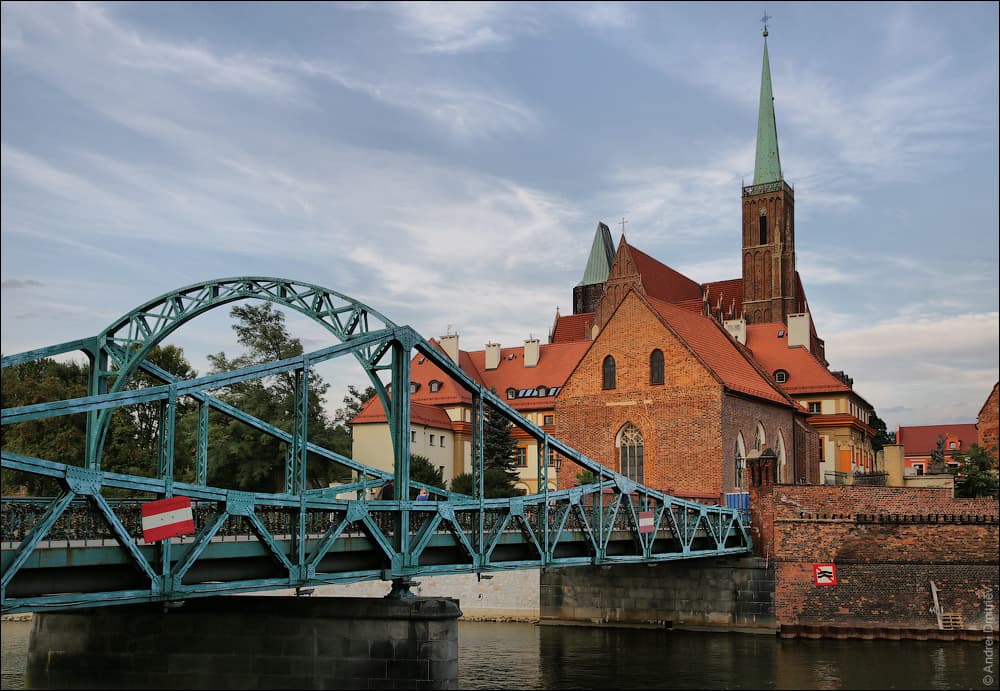 Ostrów Tumski — Cathedral IslandOstrów Tumski is Wroclaw's millennial cradle: the former island where the city b1 minute walk
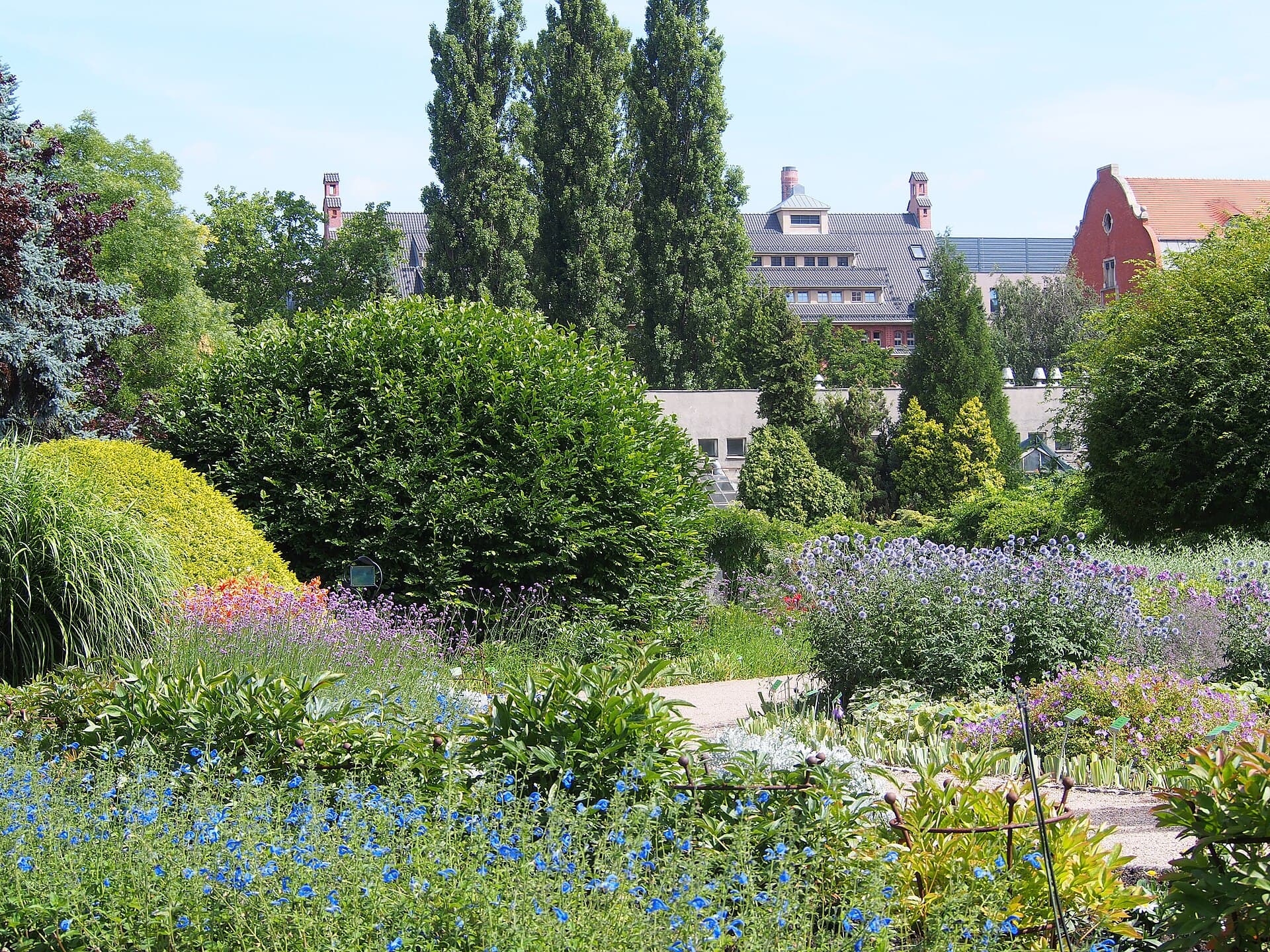 University of Wrocław Botanical GardenA botanical garden founded in 1811 on Cathedral Island, among the oldest in Pola3 minutes walk4.9
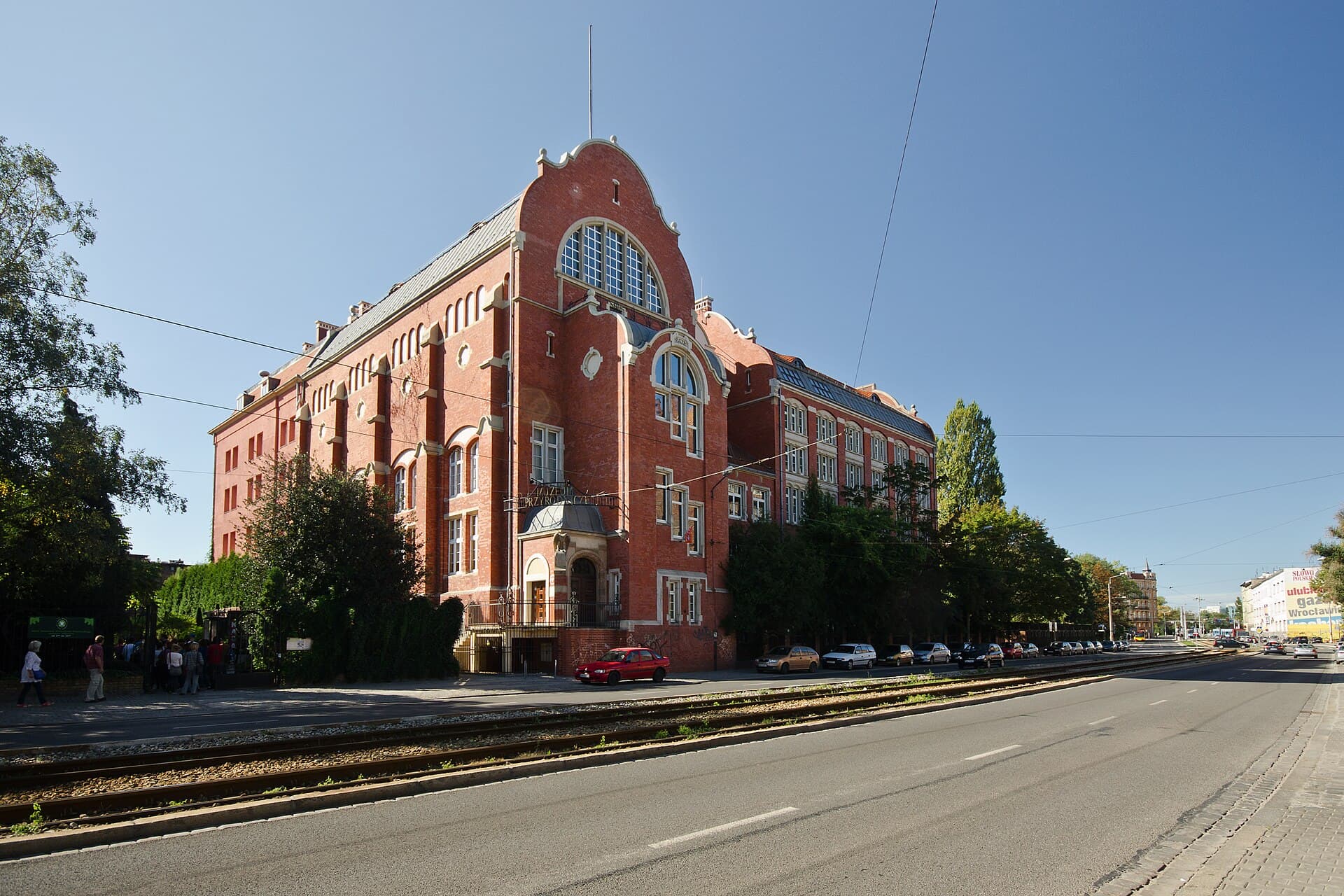 Museum of Natural HistoryA natural history museum of the University of Wrocław, founded in 1814, among th3 minutes walk4.6
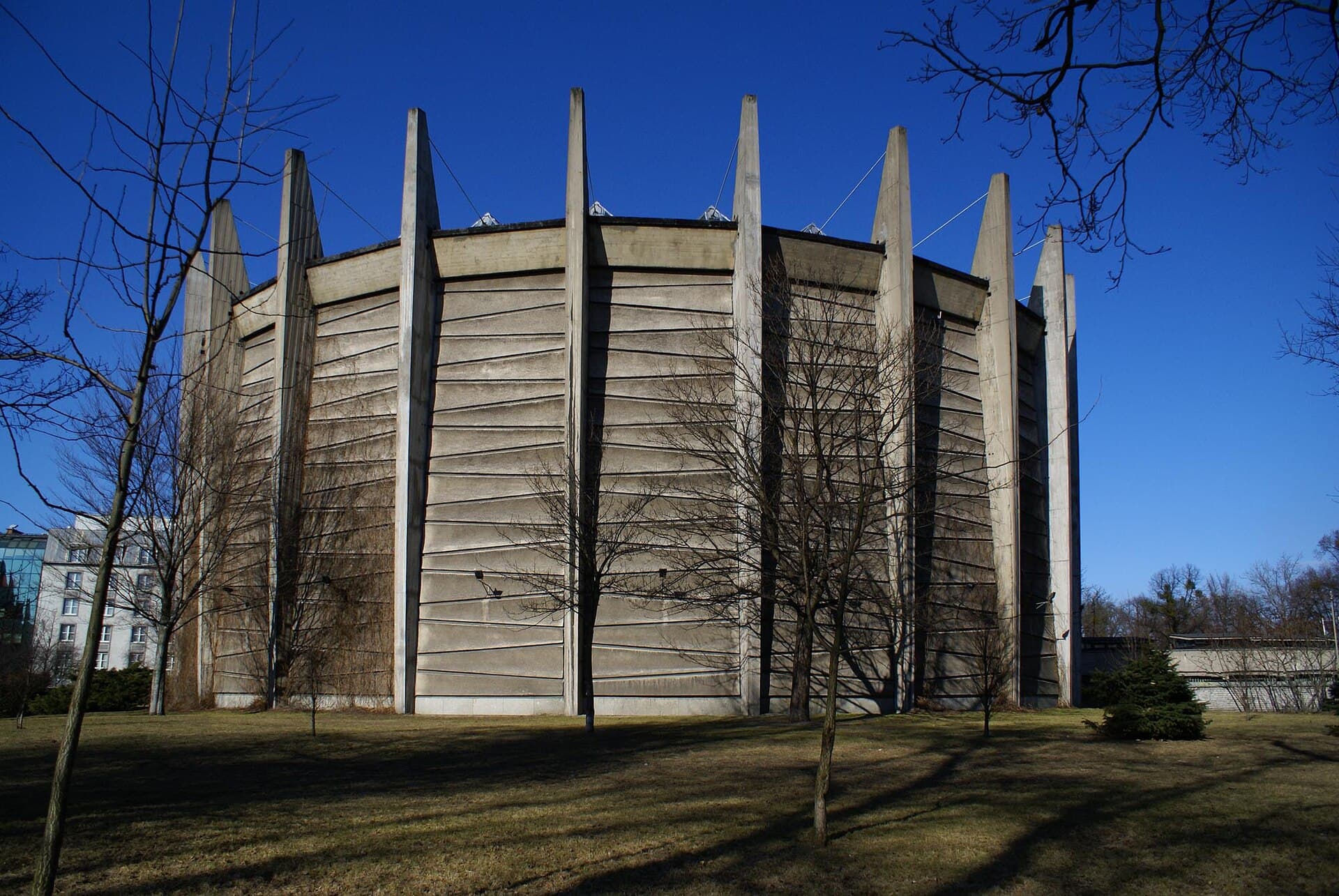 The Racławice PanoramaThe Panorama is the nineteenth century's surviving cinema: a colossal circular p7 minutes walk4.7
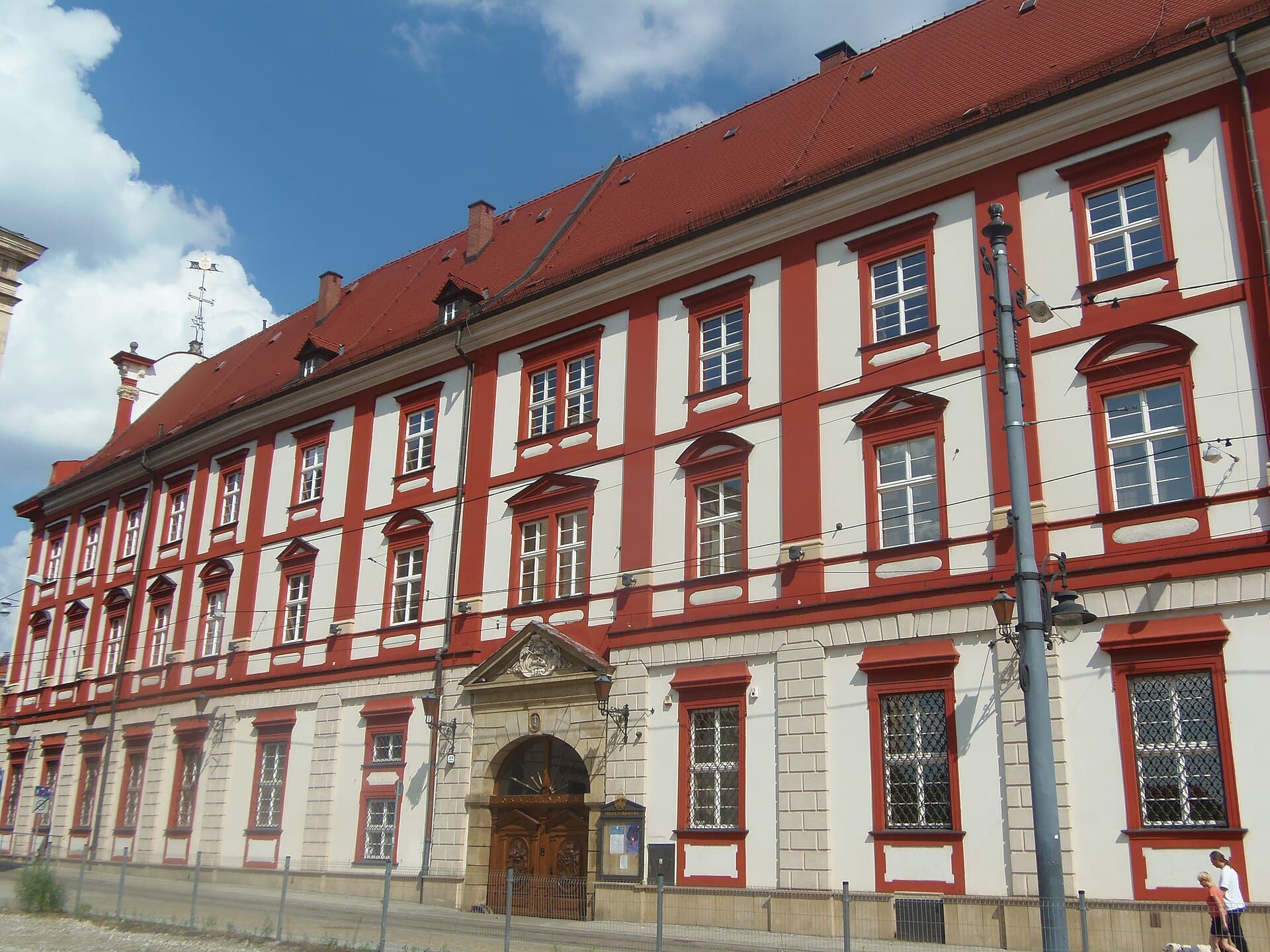 Museum of the Princes LubomirskiA museum in Wrocław showing an art and historical collection assembled by the pr9 minutes walk4.2
The cathedral of St John the Baptist with two towers you can go up for the view, the two-storey Church of the Holy Cross, and the botanical gardens nearby. The island is small and walked in an hour, and its best time is just before dusk.
Primarily Polish, and full translation may not be available. The displays are largely visual — sculpture, vessels, paintings — so they can be followed without reading, but the manuscript's significance in particular needs explanation. Ask at the entrance about English material.