
A suspended whale skeleton
Among the first things seen on entering.
Sławomir Milejski — CC BY-SA 3.0 pl · Fallaner — CC BY-SA 4.0 · Agnieszka Kwiecień, Nova — CC BY-SA 4.0 · Agnieszka Kwiecień, Nova — CC BY-SA 4.0
A natural history museum of the University of Wrocław, founded in 1814, among the oldest of its kind in central Europe and among the richest in holdings. The collection exceeds five million specimens, many of them from the nineteenth century — meaning it carries a double value: scientific, and historical as a record of how science was practised and displayed two centuries ago. Among its best-known holdings are a suspended baleen whale skeleton, skeletons of the extinct giant deer, and collections of birds, insects and minerals. Part of the display remains in original wooden cabinets in their old arrangement, and that in itself is what makes the visit different from a modern natural history museum. The collection survived the war because much of it was moved out of the city before the siege of 1945. The site adjoins the botanical garden on Cathedral Island, and the two combine into a quiet half-day away from the city centre.
Among the first things seen on entering.
Skeletons of an extinct species with antlers spanning metres.
The original cabinets record how science was displayed two centuries ago.
Beside the botanical garden, Cathedral Island
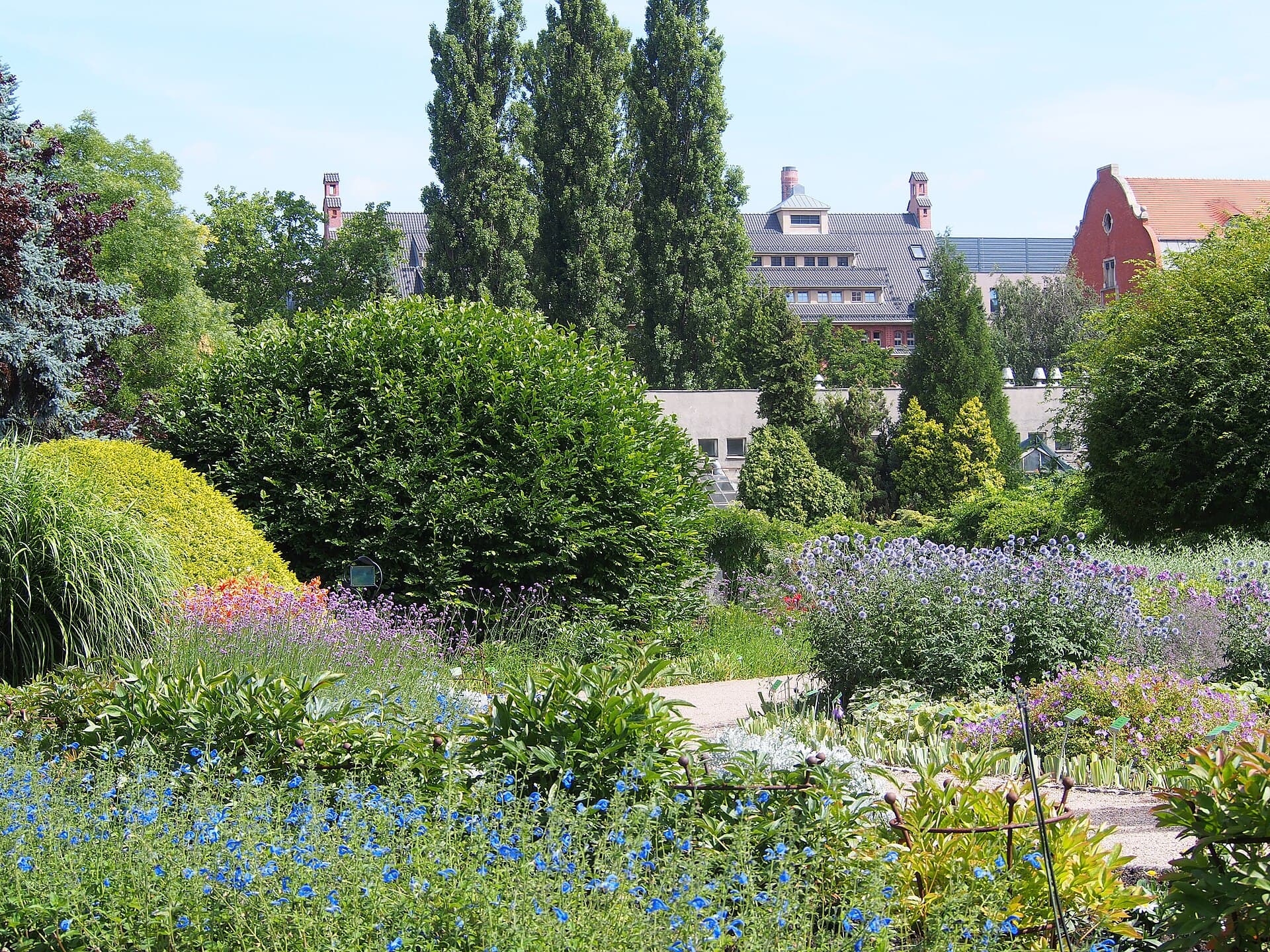 University of Wrocław Botanical GardenA botanical garden founded in 1811 on Cathedral Island, among the oldest in Pola1 minute walk4.9
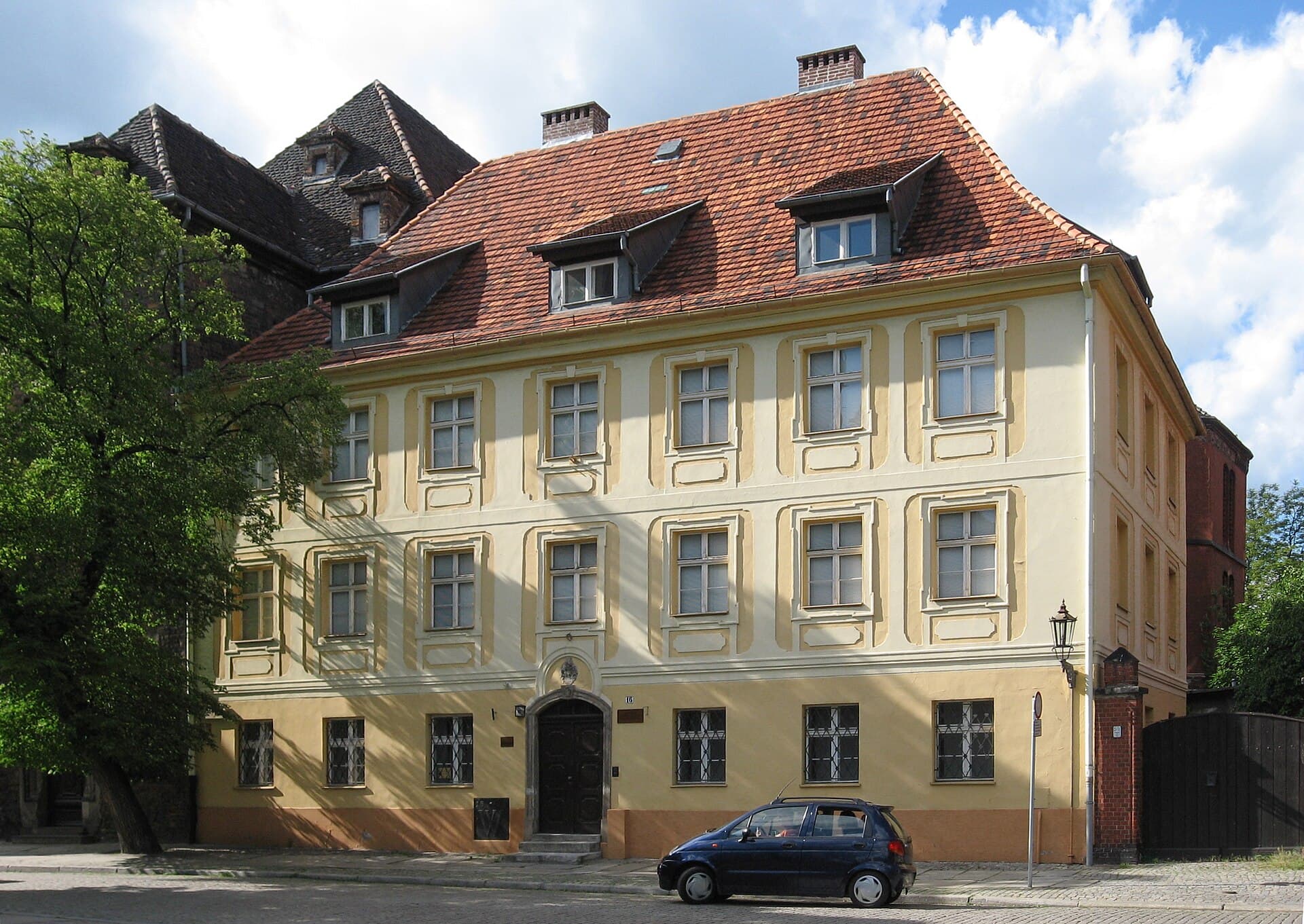 Archdiocesan MuseumA museum of religious art on Cathedral Island in Wrocław, the city's oldest part3 minutes walk4.5
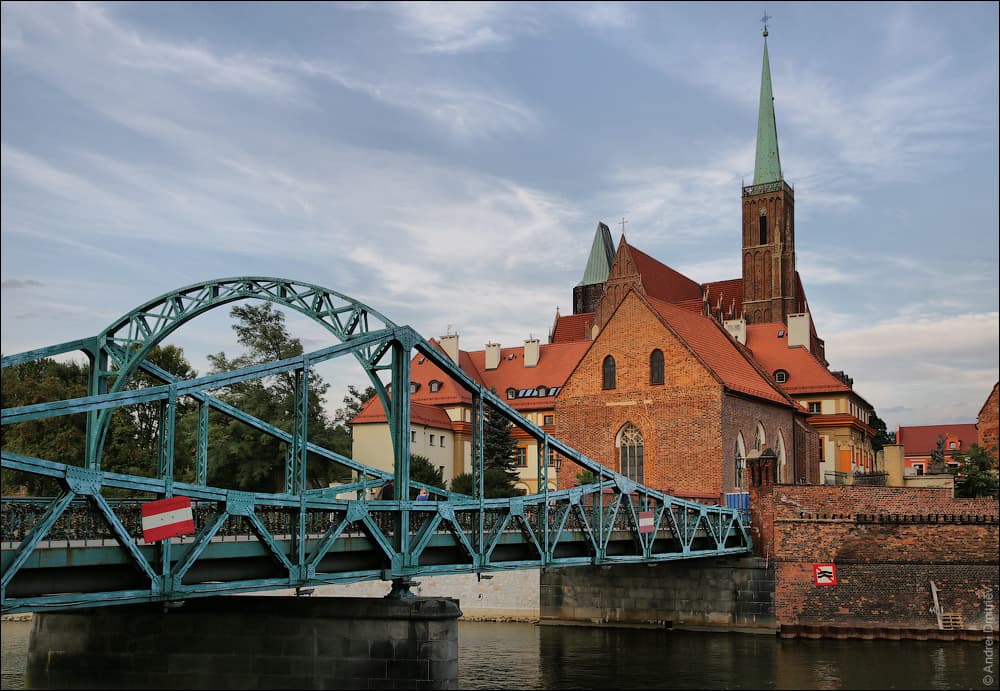 Ostrów Tumski — Cathedral IslandOstrów Tumski is Wroclaw's millennial cradle: the former island where the city b3 minutes walk
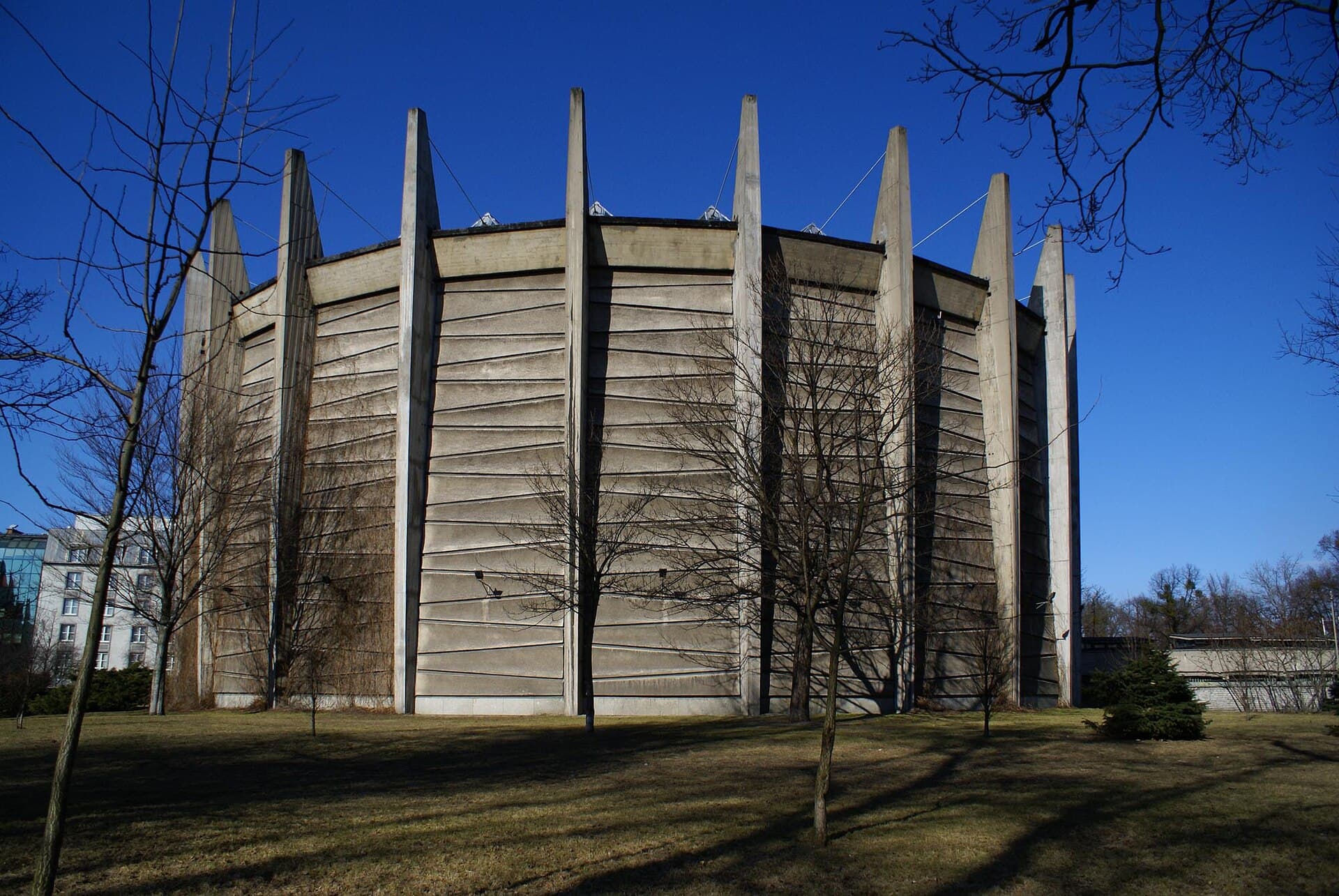 The Racławice PanoramaThe Panorama is the nineteenth century's surviving cinema: a colossal circular p9 minutes walk4.7
 Museum of the Princes LubomirskiA museum in Wrocław showing an art and historical collection assembled by the pr10 minutes walk4.2
Yes, but set expectations: this is a traditional museum of cabinets and mounted specimens, not an interactive science centre with buttons and screens. Children who like animals and skeletons will enjoy it; those expecting a modern experience may lose interest. The botanical garden next door balances the visit.
Walk over from the centre, start with the Cathedral of St John the Baptist and the Gothic churches around it, then the botanical garden if it is in season, then the natural history museum. Stay until evening to see the lamplighter light the gas lamps by hand — a tradition still kept.