
A country moved west
Poland lost Lwów and Vilnius and gained Wrocław and Gdańsk.
Mielon — CC BY-SA 3.0 · Unknown authorUnknown author — CC BY-SA 4.0 · Unknown authorUnknown author — CC BY-SA 4.0 · Aleksander Orłowski — Public domain
A museum in Wrocław showing an art and historical collection assembled by the princely Lubomirski family, part of the Ossolineum institution. The story of this collection explains something fundamental about Poland's borders. The Ossolineum was founded in 1817 in the city of Lwów, then a major Polish city and cultural centre. After the Second World War Poland's borders were redrawn entirely: the country moved hundreds of kilometres west — losing Lwów and Vilnius to the Soviet Union and gaining Wrocław and Gdańsk from Germany. Part of the Ossolineum collection was moved from Lwów to Wrocław along with hundreds of thousands of displaced Poles. This museum is here because a border moved and a population was transferred. Wrocław itself is the clearest case: it was German Breslau, emptied of its German inhabitants and resettled with Poles, many of them from Lwów. The city, German in its architecture and Polish in its people, is the result of that transfer. Practical points: entry is ticketed, and the museum is relatively new, opened within the last decade. Allow one to two hours. It usually closes one day a week.
Poland lost Lwów and Vilnius and gained Wrocław and Gdańsk.
Moved with hundreds of thousands of Poles displaced from the east.
German architecture and Polish inhabitants — the result of a total population exchange.
The Ossolineum building, Wrocław
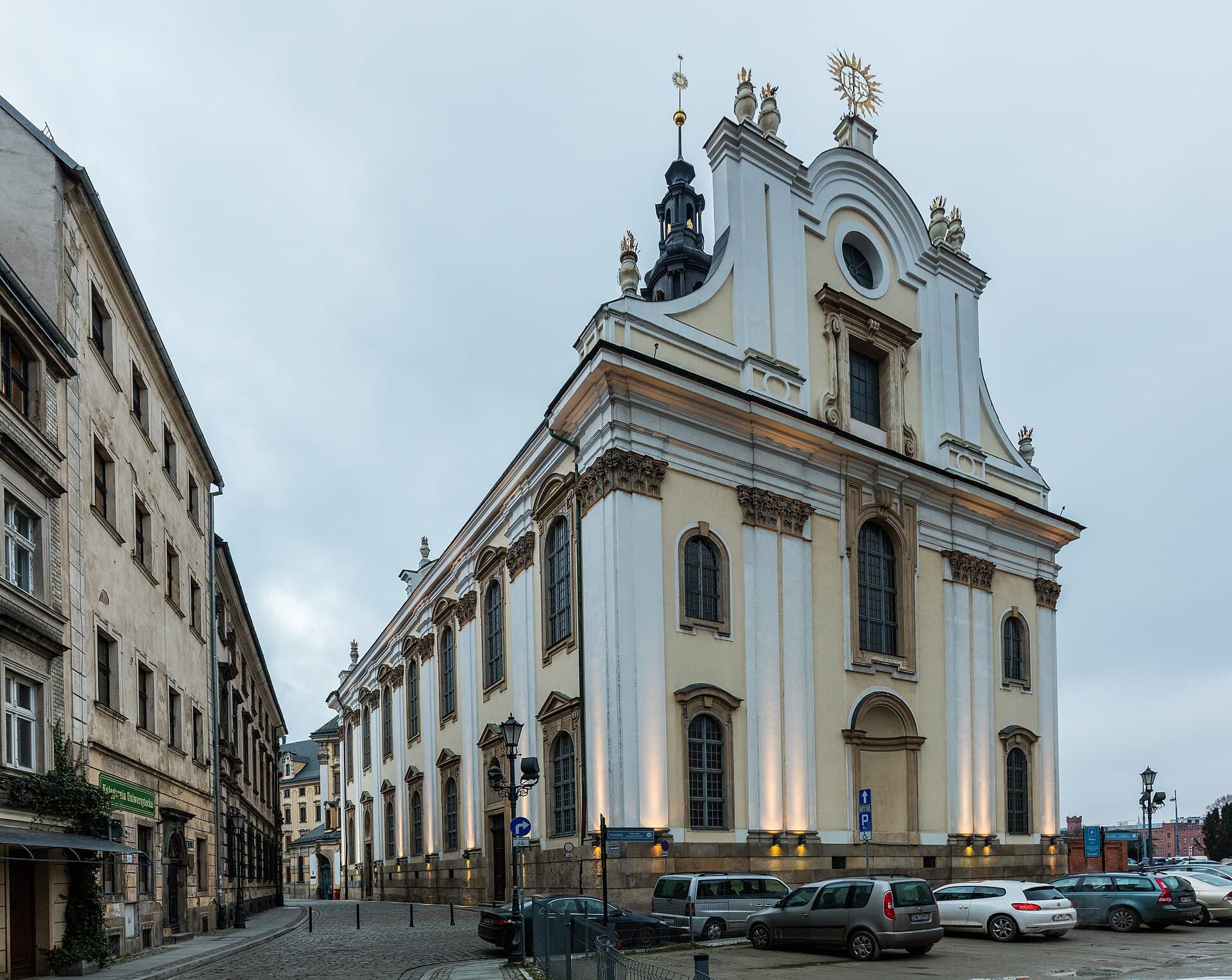 The Church of the Holy Name of JesusA late seventeenth-century baroque university church beside the main building of1 minute walk4.7
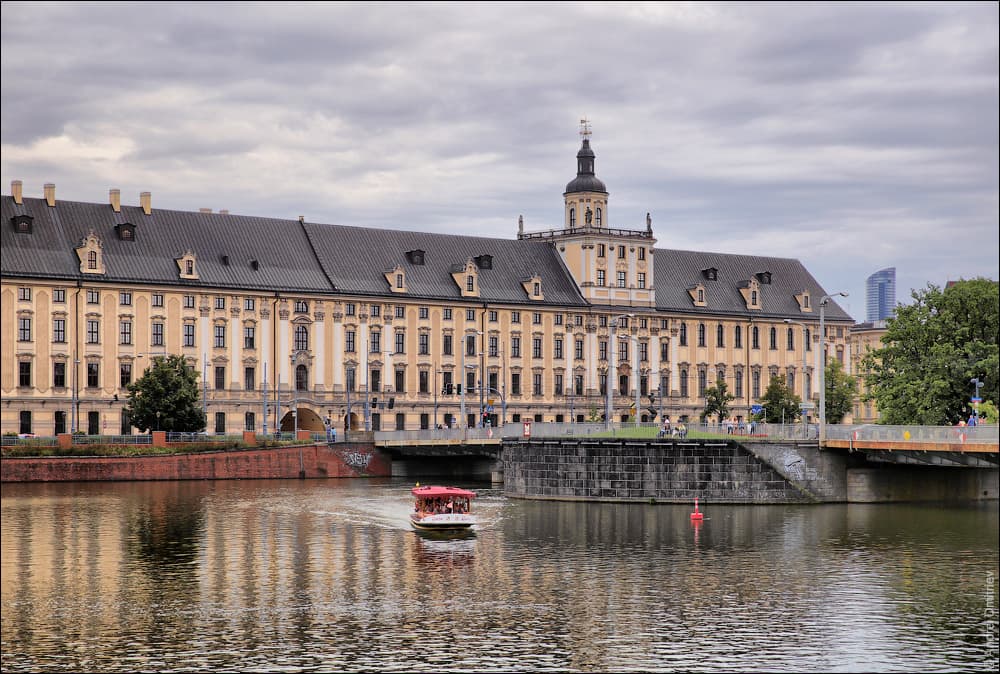 University of Wrocław Main BuildingA vast baroque building on the bank of the Oder, raised by the Jesuits in the ea2 minutes walk4.6
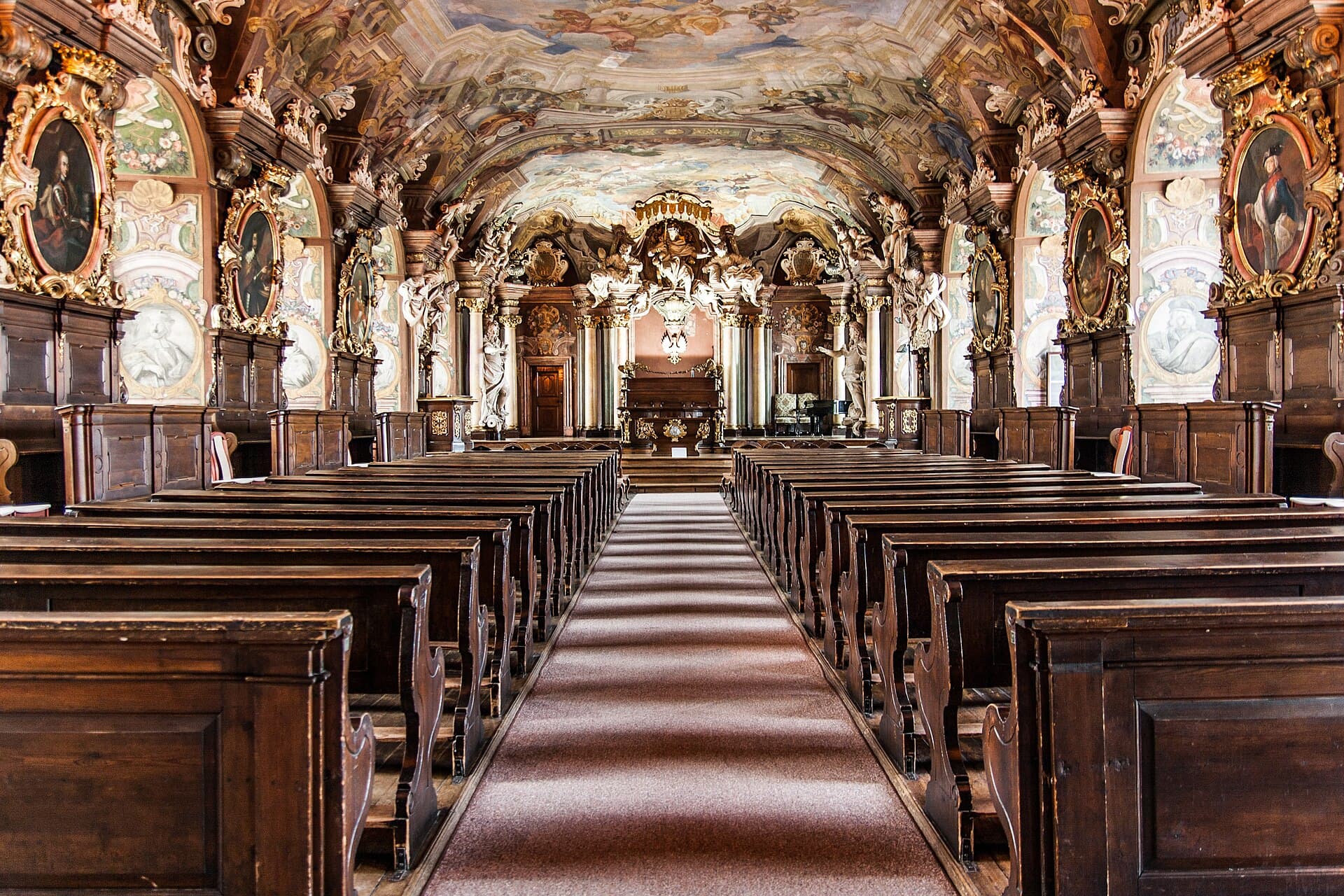 University of Wrocław MuseumA museum inside the main building of the University of Wrocław, whose most impor3 minutes walk4.9
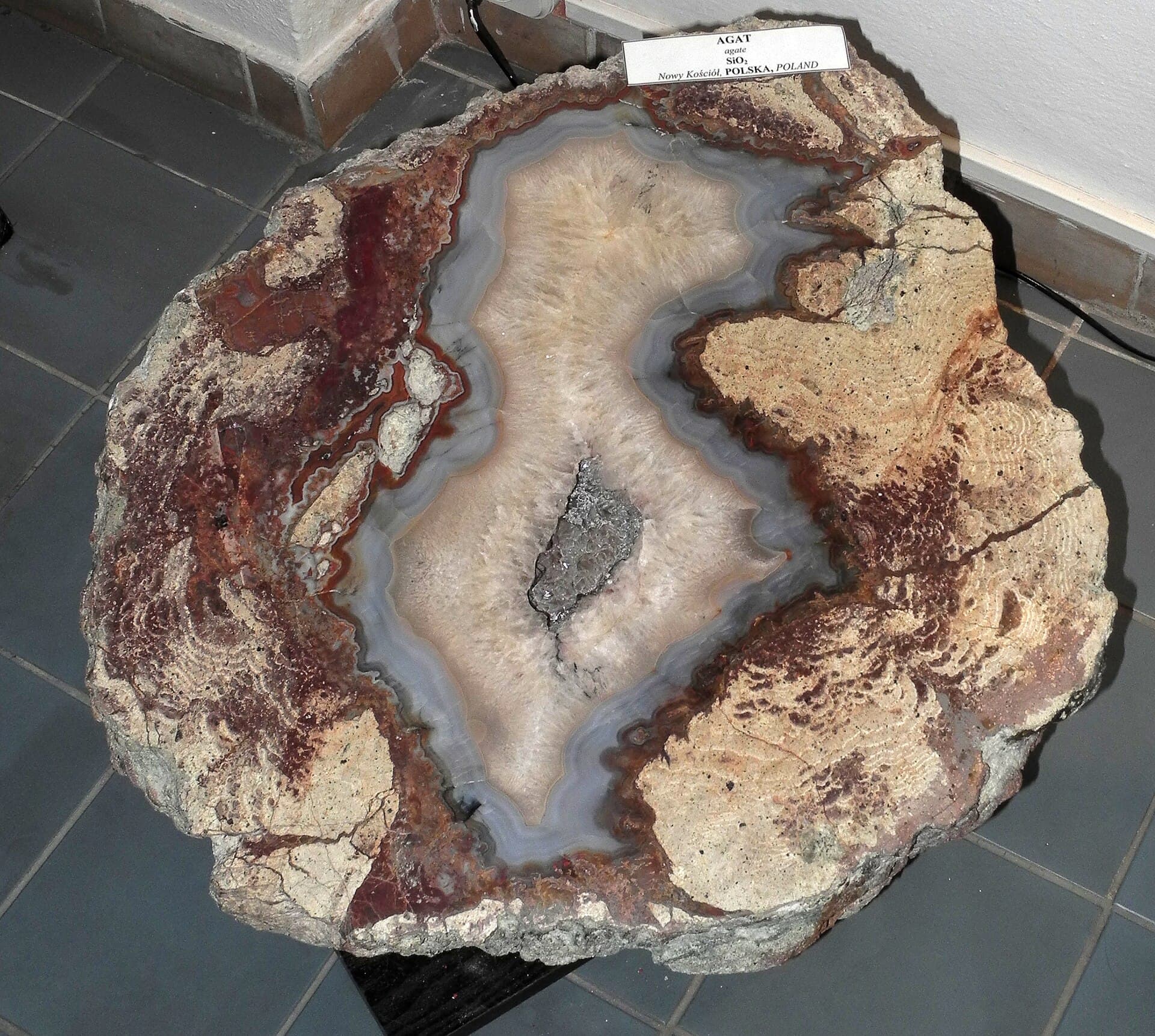 The University Mineralogical MuseumA mineralogical museum belonging to the University of Wrocław, its collections g3 minutes walk4.7
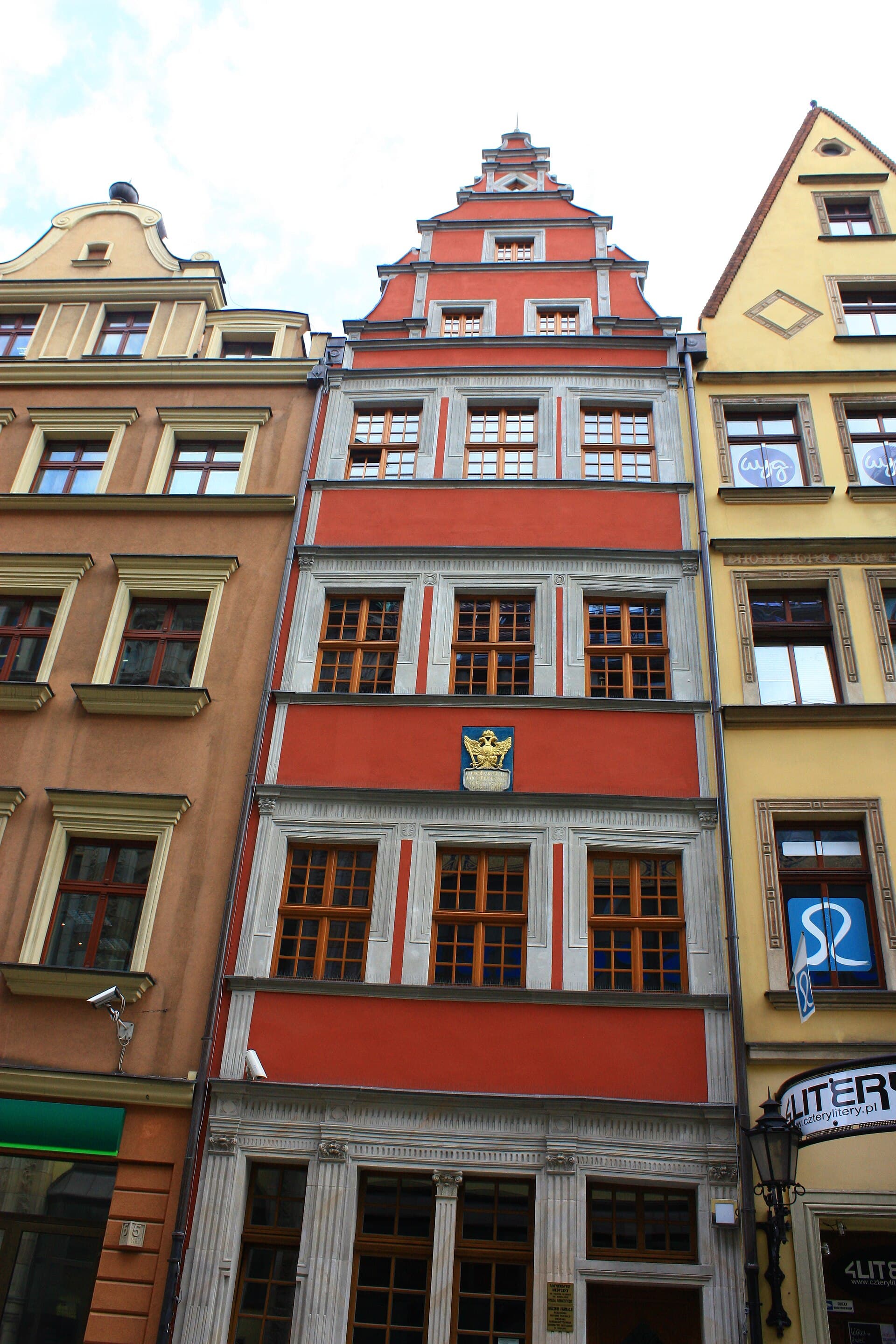 Museum of Pharmacy, WrocławA small museum of Wrocław Medical University, in a historic house near the main 6 minutes walk4.6
The Allies decided it at Tehran, Yalta and Potsdam. The Soviet Union kept the eastern territories it had annexed in 1939, and Poland was compensated with German lands to the west and north. The result was mass displacement in both directions: about a million and a half Poles moved from east to west, and around seven million Germans were expelled from the new territories. Whole cities changed their populations within years.
The City Museum in the town hall, and the Pan Tadeusz Museum, also part of the Ossolineum, which deals directly with Polish identity and displacement. The District of Four Denominations shows the city's pre-war religious plurality. Together the three explain how the city became what it is.