
Hand-lit gas lamps
On the surrounding island a lamplighter still lights them each evening.
Agnieszka Kwiecień, Nova — CC BY-SA 4.0 · Burkhard Mücke — CC BY-SA 4.0 · Burkhard Mücke — CC BY-SA 4.0 · Burkhard Mücke — CC BY-SA 4.0
A botanical garden founded in 1811 on Cathedral Island, among the oldest in Poland, covering some seven hectares. Its setting is the quietest part of Wrocław: Cathedral Island is the city's historic core, with narrow streets, Gothic churches, and gas lamps still lit by hand by a lamplighter each evening. The garden itself holds more than seven thousand plant species: tropical and cactus glasshouses, an aquatic plant collection, an alpine section, and mature trees around an artificial pond. Among its more unusual exhibits is a cross-section of a giant sequoia trunk whose rings can be read as a timeline, a rock garden, and a small museum of fossil plants. Hours are strongly seasonal: the garden opens from spring to autumn and closes entirely in winter across most of its sections. The best time is May and June.
On the surrounding island a lamplighter still lights them each evening.
A trunk whose rings are read as a timeline of centuries.
Cactus, aquatic and alpine collections.
Cathedral Island, north-east of the city centre
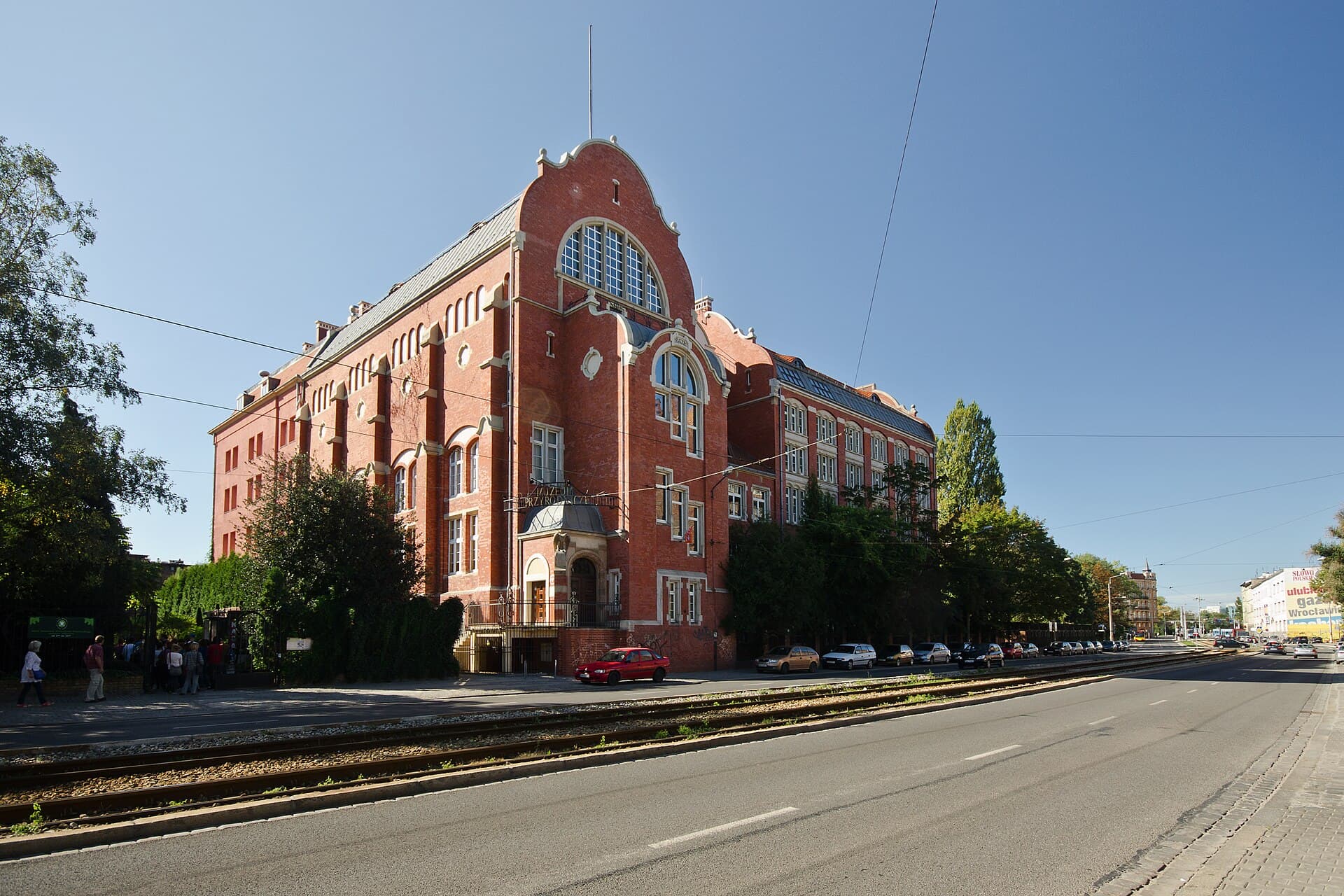 Museum of Natural HistoryA natural history museum of the University of Wrocław, founded in 1814, among th1 minute walk4.6
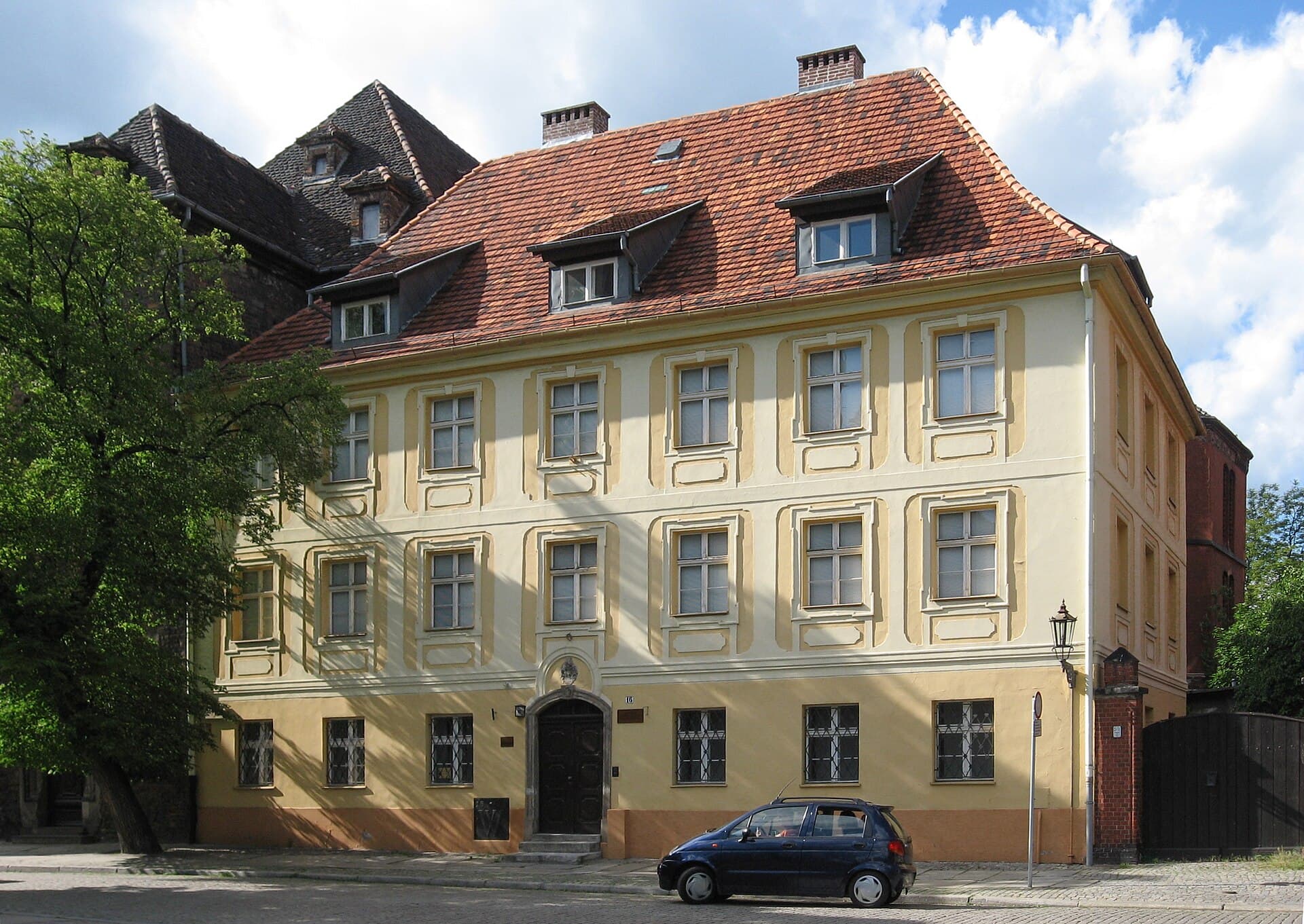 Archdiocesan MuseumA museum of religious art on Cathedral Island in Wrocław, the city's oldest part3 minutes walk4.5
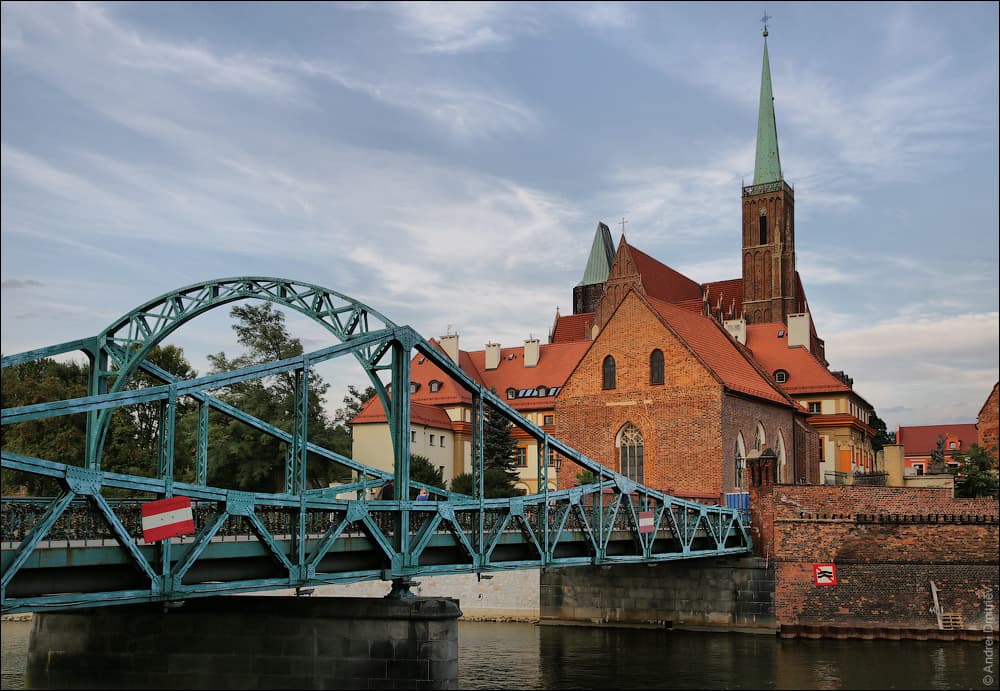 Ostrów Tumski — Cathedral IslandOstrów Tumski is Wroclaw's millennial cradle: the former island where the city b4 minutes walk
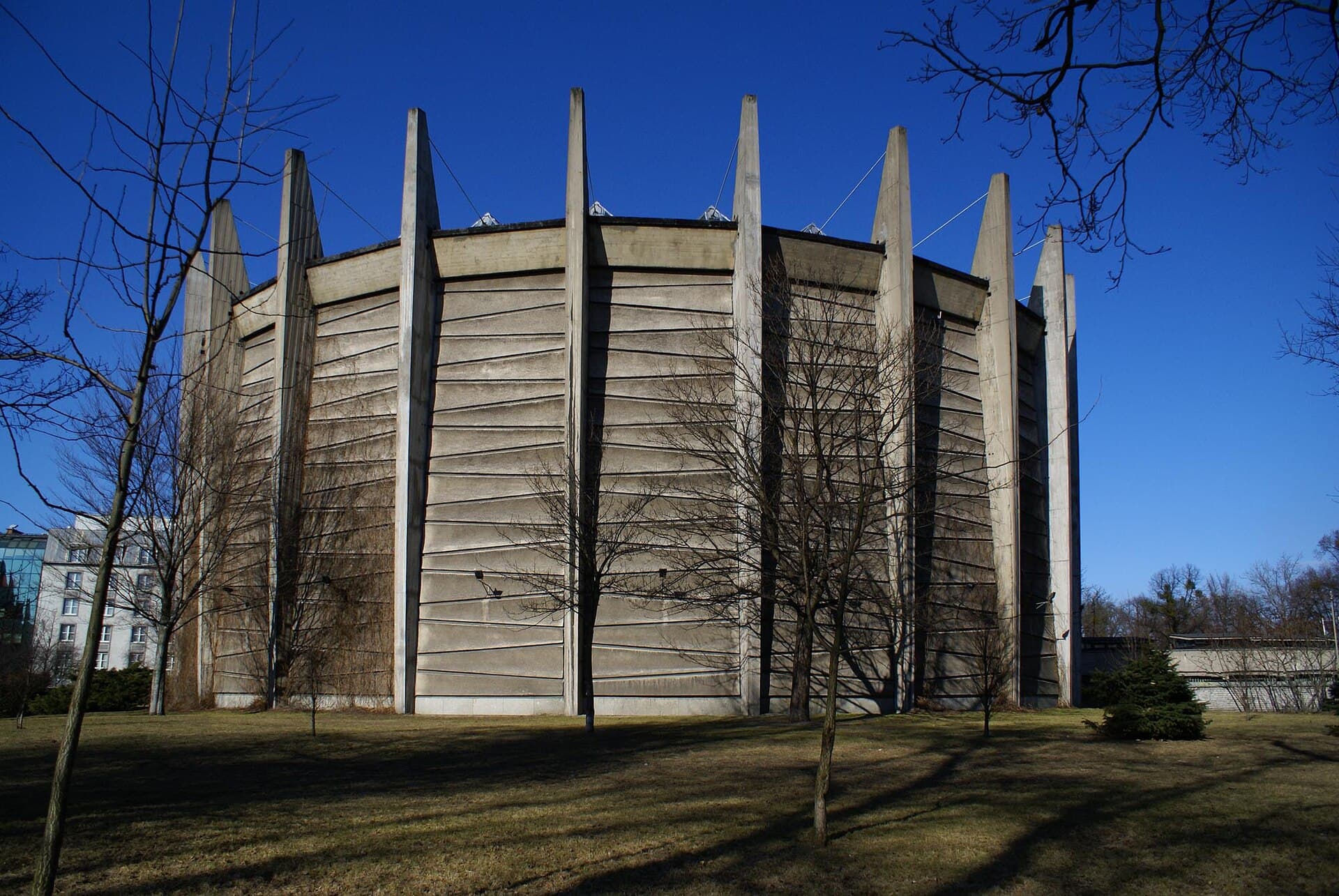 The Racławice PanoramaThe Panorama is the nineteenth century's surviving cinema: a colossal circular p10 minutes walk4.7
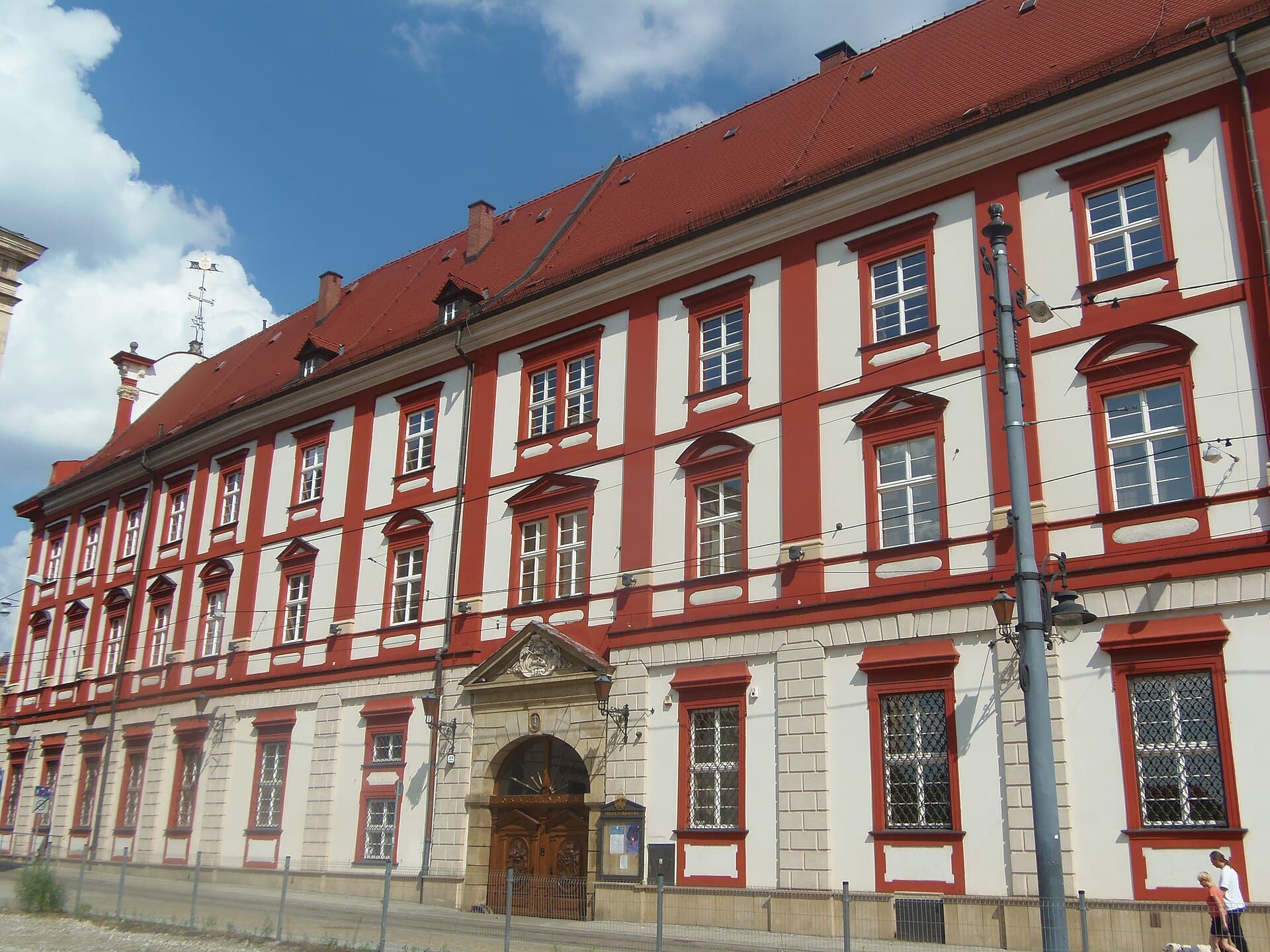 Museum of the Princes LubomirskiA museum in Wrocław showing an art and historical collection assembled by the pr10 minutes walk4.2
The oldest part of Wrocław, the site of the first settlement and the city's bishopric since the year 1000. It is no longer literally an island after one river branch was filled in, but the name stayed. It holds the Cathedral of St John the Baptist and several Gothic churches, and the whole area is quiet and little-trafficked compared with the Main Market Square. Its gas lamps are lit by hand each evening, among the few such survivals in Europe.
May and June are the best two months — flowering is at its peak and the weather suits. July and August are good but hotter and busier. September and October for colour. Winter is effectively out, as most sections close entirely.