
A teaching museum
Designed for geology students rather than passing visitors.
A geological museum belonging to the Institute of Geological Sciences at the University of Wrocław, named after the geologist Henryk Teisseyre. It concentrates on rocks and geological structures rather than individual minerals: specimens showing folds and faults, igneous, sedimentary and metamorphic rock types, geological maps and models. Its educational value is clearer than its visual value: it is fundamentally a teaching museum for geology students, and anyone who reads its explanations leaves with a clearer sense of how to read a mountain landscape. Lower Silesia is ideal material for this: it holds the Sudetes with their complex formations, extinct ancient volcanoes, coal basins, and rocks of widely separated ages in a small area. Hours are the university's and limited, and labelling is mostly in Polish. Check before going.
Designed for geology students rather than passing visitors.
Complex formations and extinct volcanoes in a small area.
The explanations teach how to read a geological landscape.
Institute of Geological Sciences, University of Wrocław
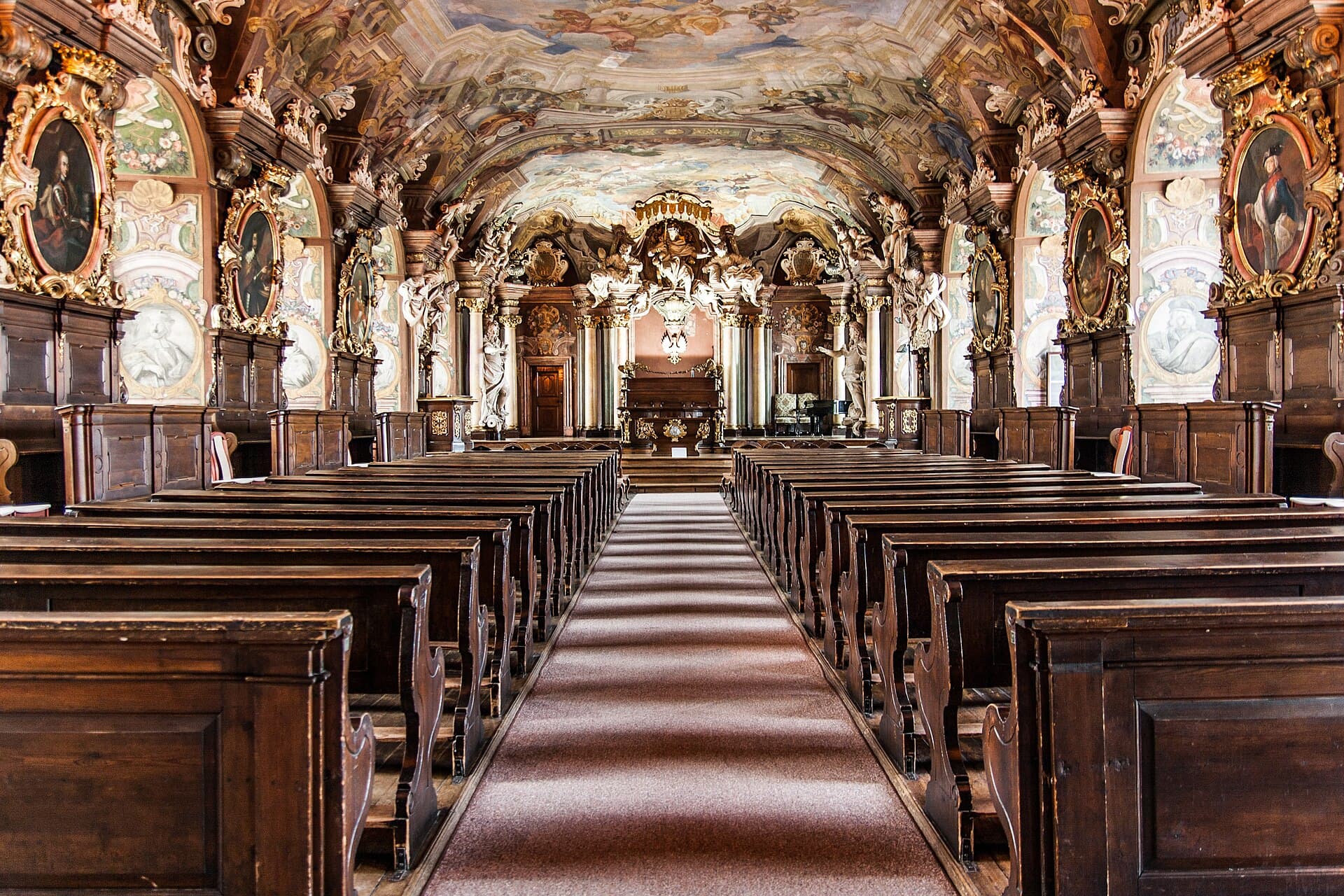 University of Wrocław MuseumA museum inside the main building of the University of Wrocław, whose most impor5 min walk
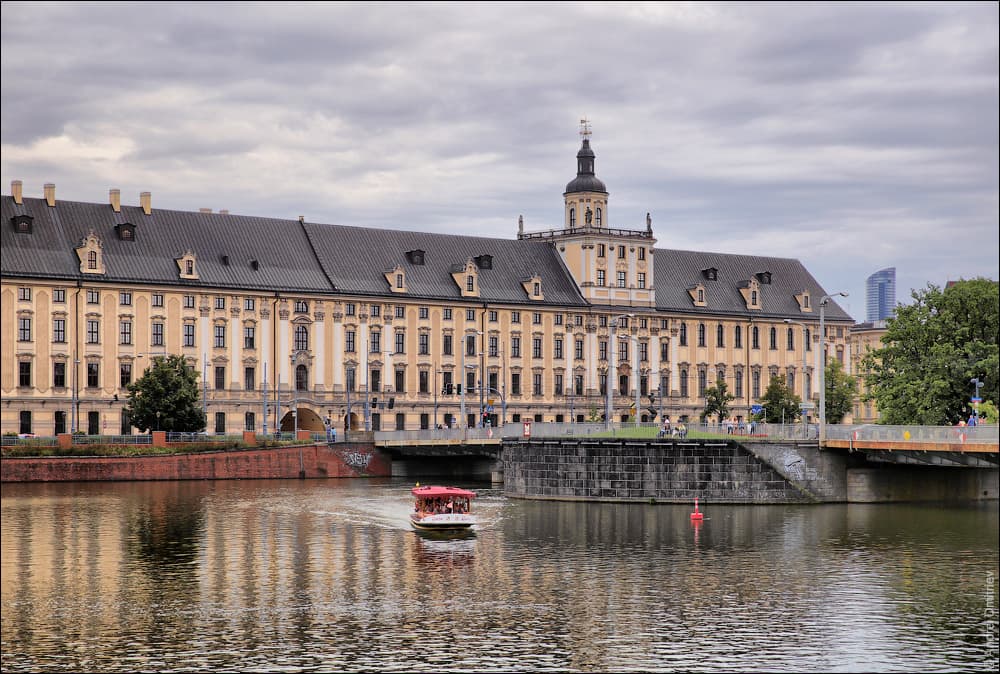 University of Wrocław Main BuildingA vast baroque building on the bank of the Oder, raised by the Jesuits in the ea5 min walk
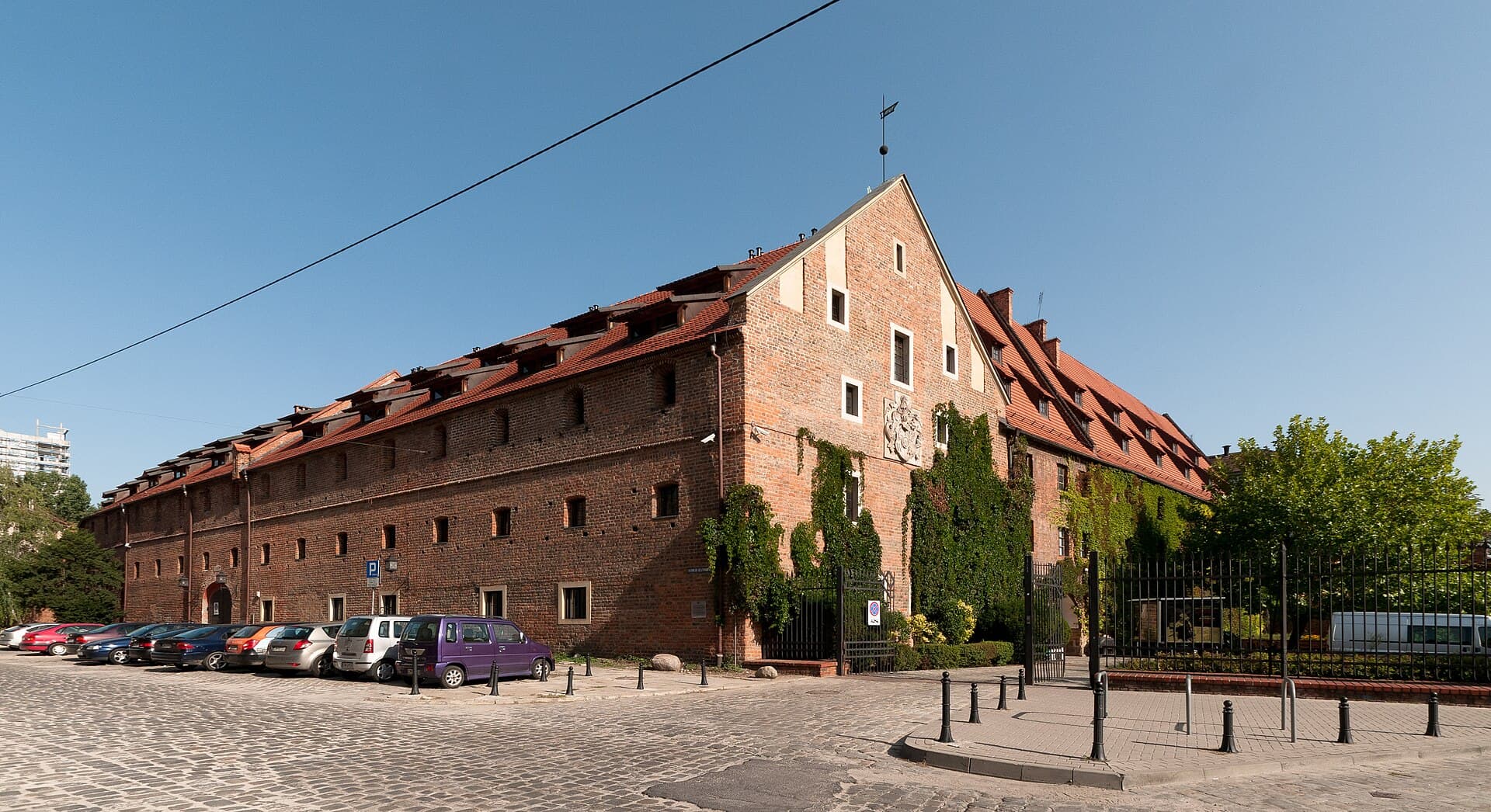 Museum of Military ArtsA museum of arms and armour inside Wrocław's arsenal, a medieval defensive build5 min walkThe Archaeological MuseumAn archaeological museum in Wrocław's fifteenth-century arsenal, a branch of the6 min walk
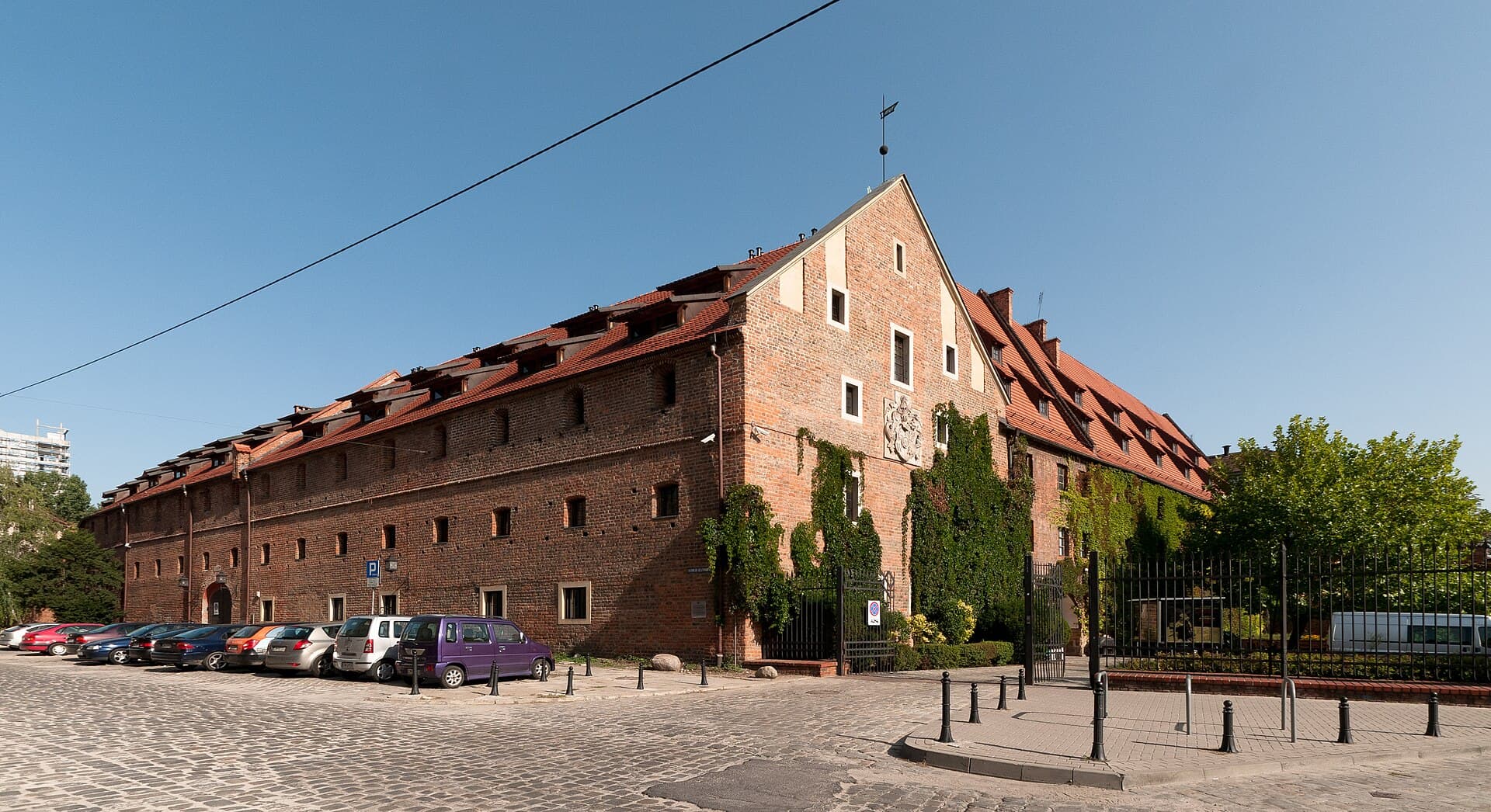 The City ArsenalThe largest surviving fragment of Wrocław's medieval fortifications: a fifteenth6 min walk
A mountain range on the Polish-Czech border, geologically far older than the Carpathians or the Alps — its rocks date back hundreds of millions of years and its summits have eroded round rather than sharp. Its highest peak, Śnieżka, reaches one thousand six hundred and sixty-two metres. It holds extinct ancient volcanoes, mineral springs and caves. The region is full of spa resorts and walking routes, its best-known towns being Karpacz and Szklarska Poręba.
Honestly, limited. It is a teaching museum with technical labelling, mostly Polish. If you are interested in geology it is excellent and cheap, and if you are planning a trip to the Sudetes it may genuinely help you understand what you will see. But if you have two days in Wrocław, the main square, Cathedral Island and the Panorama come clearly first.
Sign in to write your review of this place.
No reviews yet — be the first.