
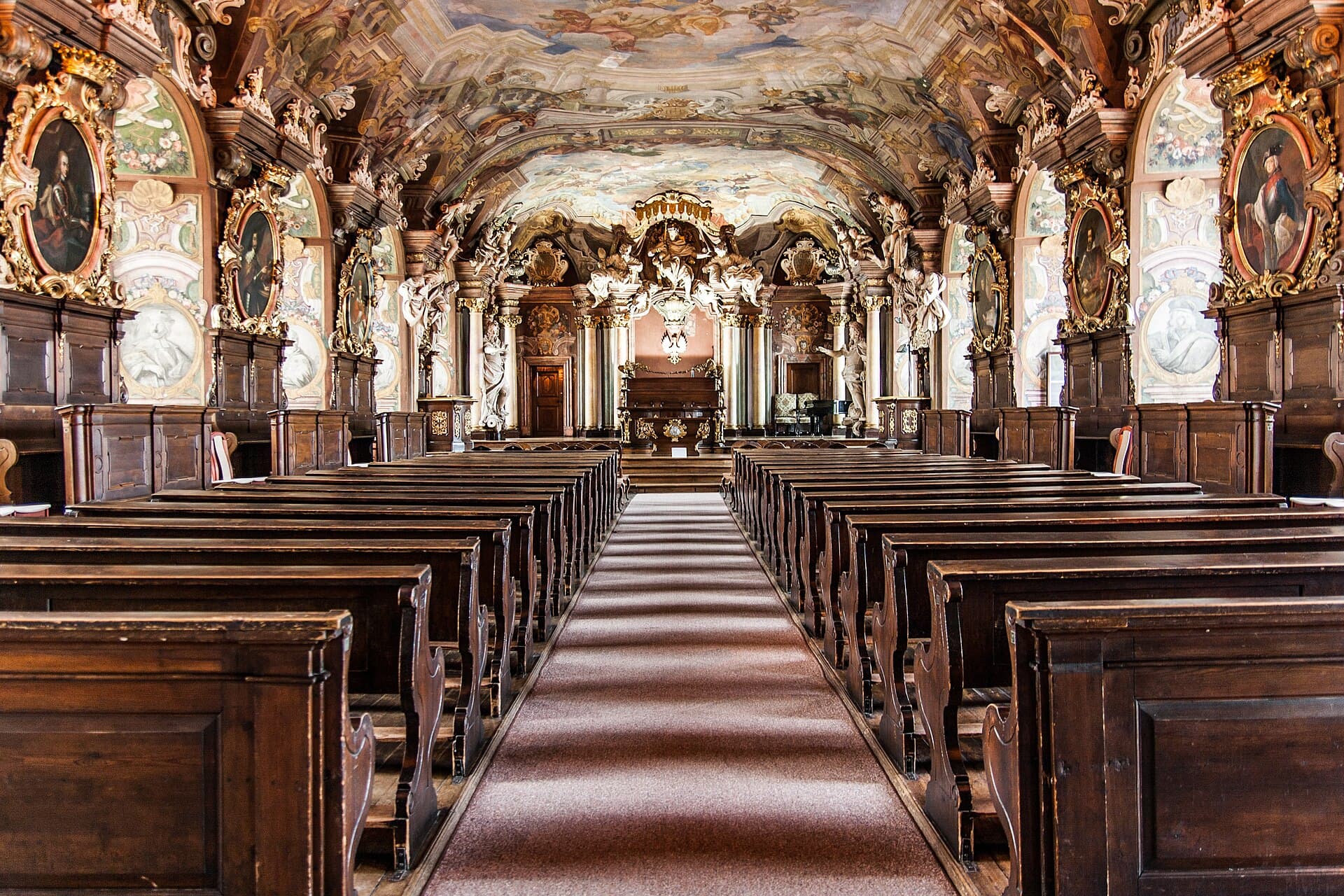
One idea in a hall
Every detail serves the idea that knowledge is a divine order — figures, marble, painted ceiling.
Андрэй Дзмітрыеў (http://fgb.by/viewtopic.php?p=60515#60515) — CC BY-SA 3.0 · Bernard Ladenthin — CC BY 4.0 · Bernard Ladenthin — CC BY 4.0 · Bernard Ladenthin — CC BY 4.0
A vast baroque building on the bank of the Oder, raised by the Jesuits in the early eighteenth century on the order of Emperor Leopold I, and the main building of the University of Wrocław. What makes it among the most important things to see in the city is the Aula Leopoldina: a ceremonial hall of 1732 that survives as it was, and among the finest baroque interiors in central Europe. Its walls and ceiling form one continuous composition: gilded figures, marble columns, a ceiling painting on wisdom and the sciences, and a carved pulpit. Every detail serves a single idea — that knowledge is a divine order. The building also holds the Oratorium Marianum and the Mathematical Tower, which can be climbed for a view over the old town, the Oder and Cathedral Island. It survived the destruction of 1945 that erased most of Wrocław, and is among the few originals left in the city. Entry is ticketed and normally covers the hall and the tower. Check the times, as the hall may close for university ceremonies.
Every detail serves the idea that knowledge is a divine order — figures, marble, painted ceiling.
Climbed by stairs for a view over the old town, the Oder and Cathedral Island.
Ordered by Leopold I in the early eighteenth century.
University Square, on the bank of the Oder
 University of Wrocław MuseumA museum inside the main building of the University of Wrocław, whose most impor1 minute walk4.9
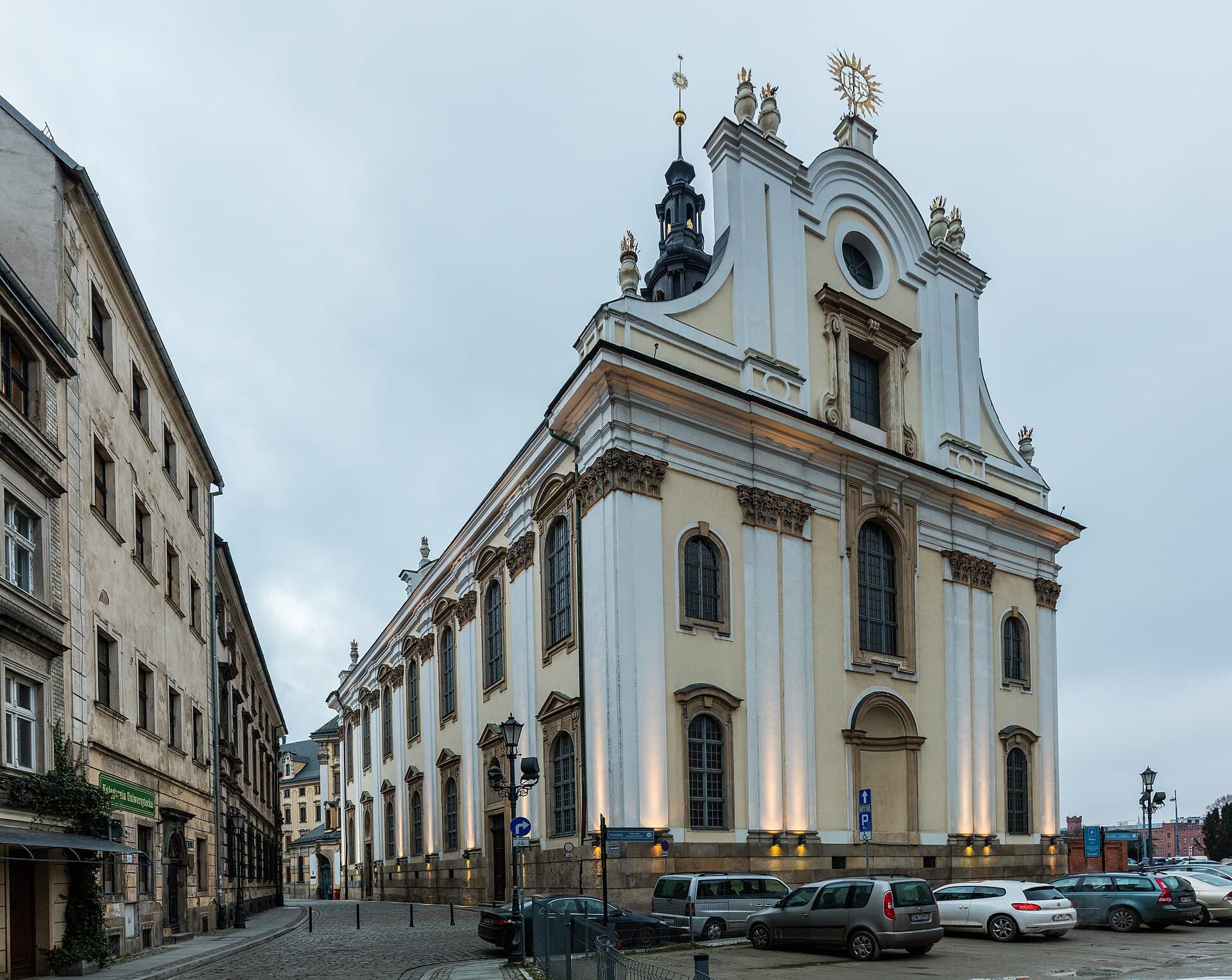 The Church of the Holy Name of JesusA late seventeenth-century baroque university church beside the main building of1 minute walk4.7
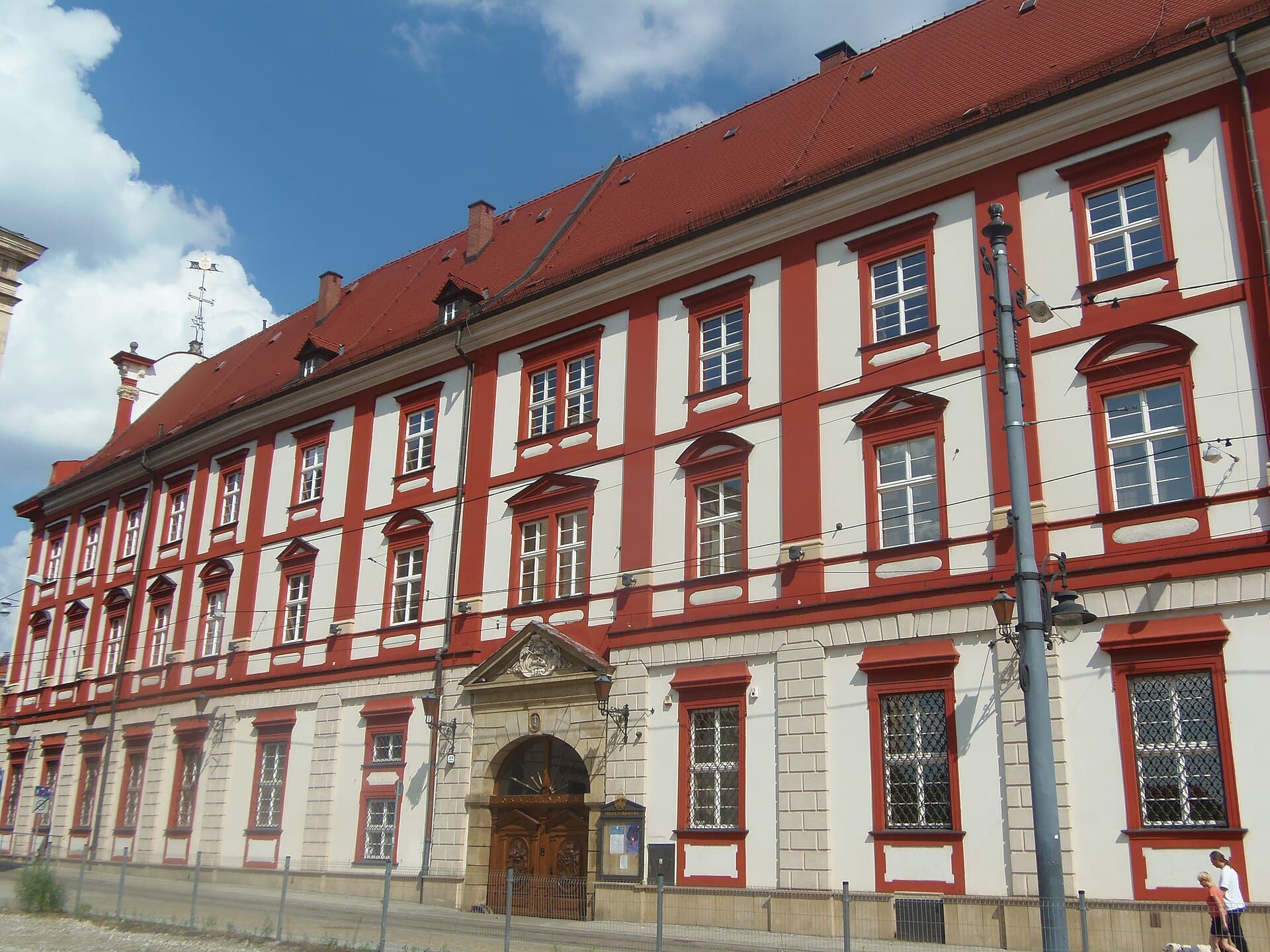 Museum of the Princes LubomirskiA museum in Wrocław showing an art and historical collection assembled by the pr2 minutes walk4.2
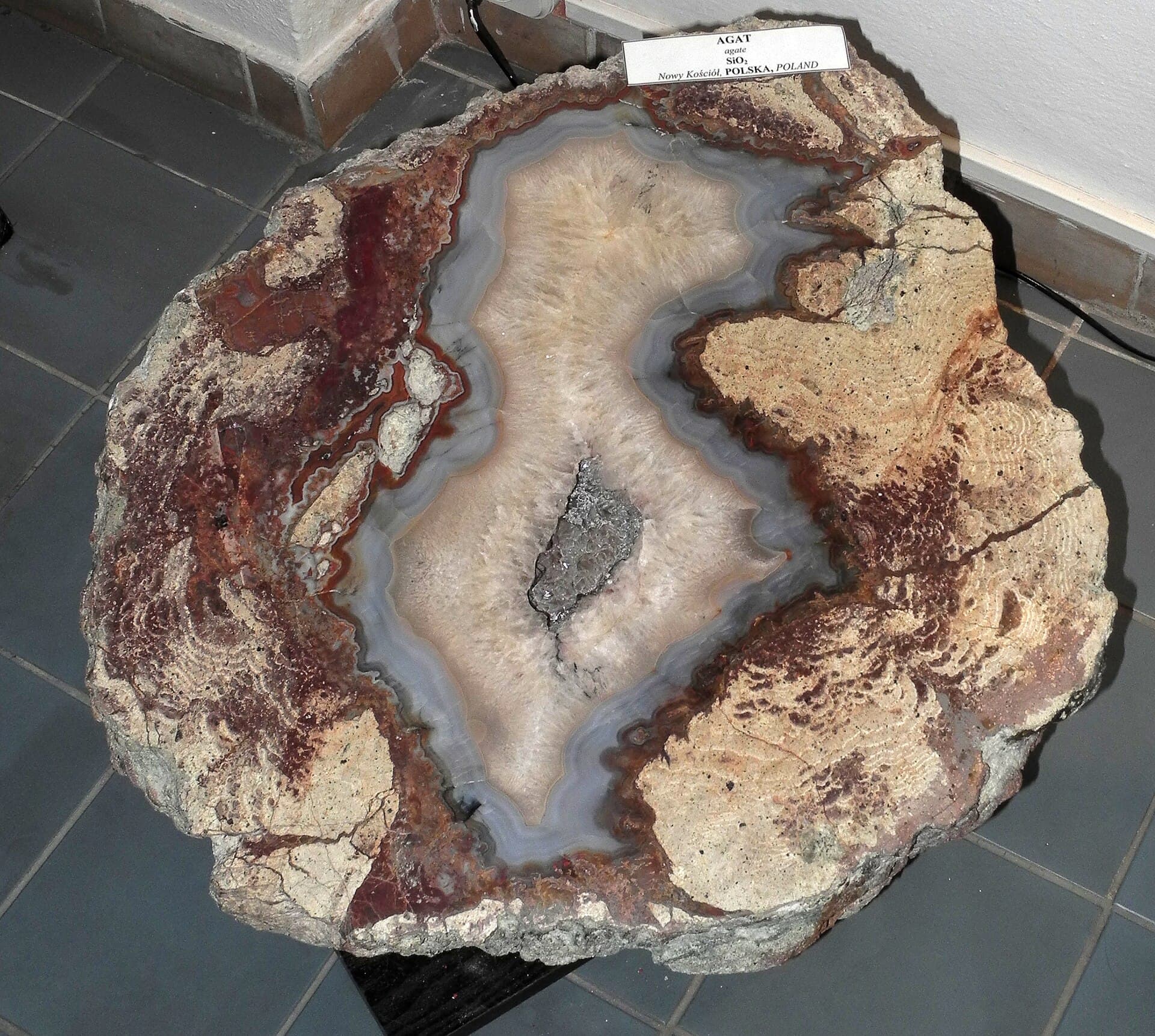 The University Mineralogical MuseumA mineralogical museum belonging to the University of Wrocław, its collections g3 minutes walk4.7
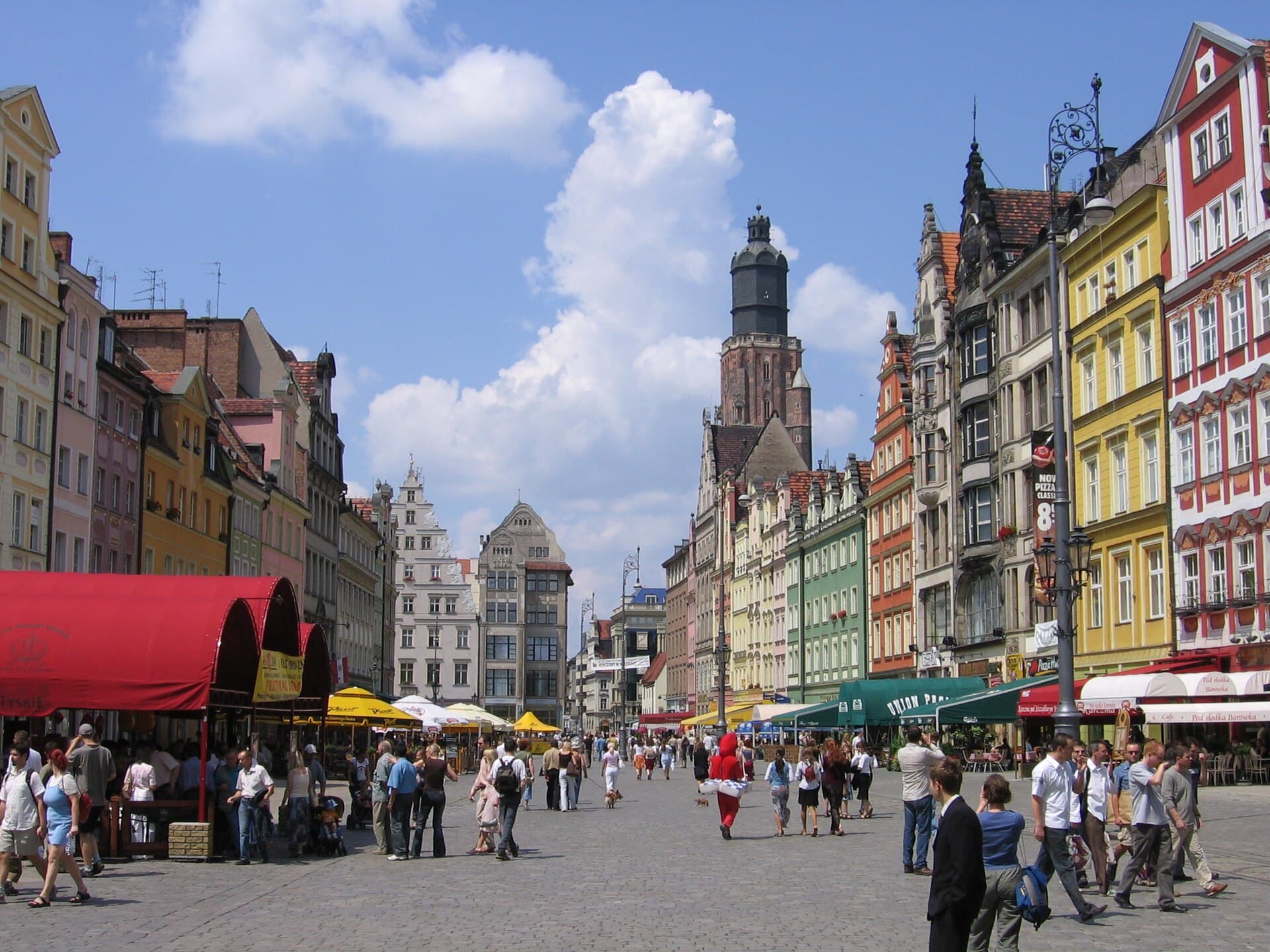 Wroclaw's Rynek & its DwarfsWroclaw's Rynek is Poland's second-greatest medieval square — and its most colou6 minutes walk4.8
Among the top three without question, alongside the Racławice Panorama and the main square. The Aula Leopoldina in particular is unforgettable, and it is rare for a baroque interior to survive this complete in a city ninety per cent destroyed. With one day in Wrocław, put it on the list.
A vast circular painting a hundred and fourteen metres long and fifteen high, depicting the Battle of Racławice of 1794, with the viewer standing at its centre surrounded on every side. It was painted in 1894 in Lwów and moved to Wrocław after the war, but the communist regime barred its display for decades because it shows a Polish victory over the Russians. It was finally shown in 1985. It is among the city's most famous sights.