
Mountains as politics
Mapping and naming peaks was nationalist under foreign rule.
Cezary p — CC BY-SA 4.0 · Galileo01 — CC BY 4.0 · Bartosz Nadolski — CC0 · Bartosz Nadolski — CC0
A national museum of sport and tourism in Warsaw, documenting the history of Polish sport and of the country's hiking and climbing movement. Combining the two subjects is not arbitrary. In central Europe, mountaineering and hiking societies arose in the nineteenth century directly bound up with national movements: exploring mountains, mapping them and naming their peaks was a political act in territories held by foreign empires. The Polish Tatra Society was founded in 1873 in exactly that context. Sport carried the same weight later: in a divided Europe, international competition was a field of concentrated national representation, and beating a Soviet or East German team was an event beyond sport. The collection holds Olympic medals, equipment, kit and documents, and sections on Polish Himalayan climbing — a field in which Poles became world leaders in the 1970s and 1980s through winter ascents of the eight-thousand-metre peaks. Practical points: entry is ticketed and hours may include a weekly closing day. The display is traditional and English content is limited.
Mapping and naming peaks was nationalist under foreign rule.
Founded within a national movement rather than as a sports club.
Poland's Ice Warriors opened high-altitude winter climbing.
Warsaw
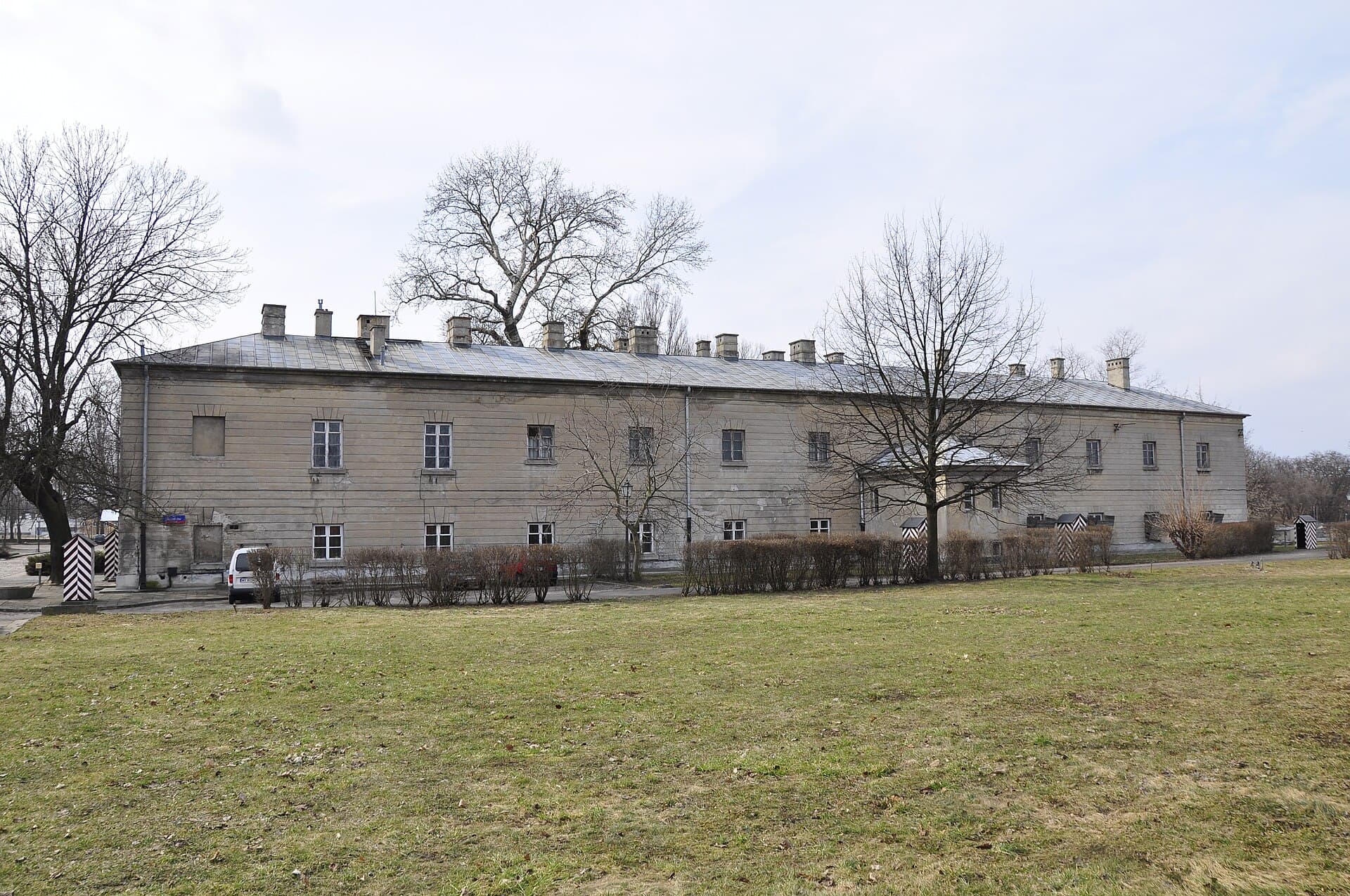 Tenth Pavilion Museum, Warsaw CitadelA former tsarist prison inside the Warsaw Citadel, now a museum on a century of 11 minutes walk4.4
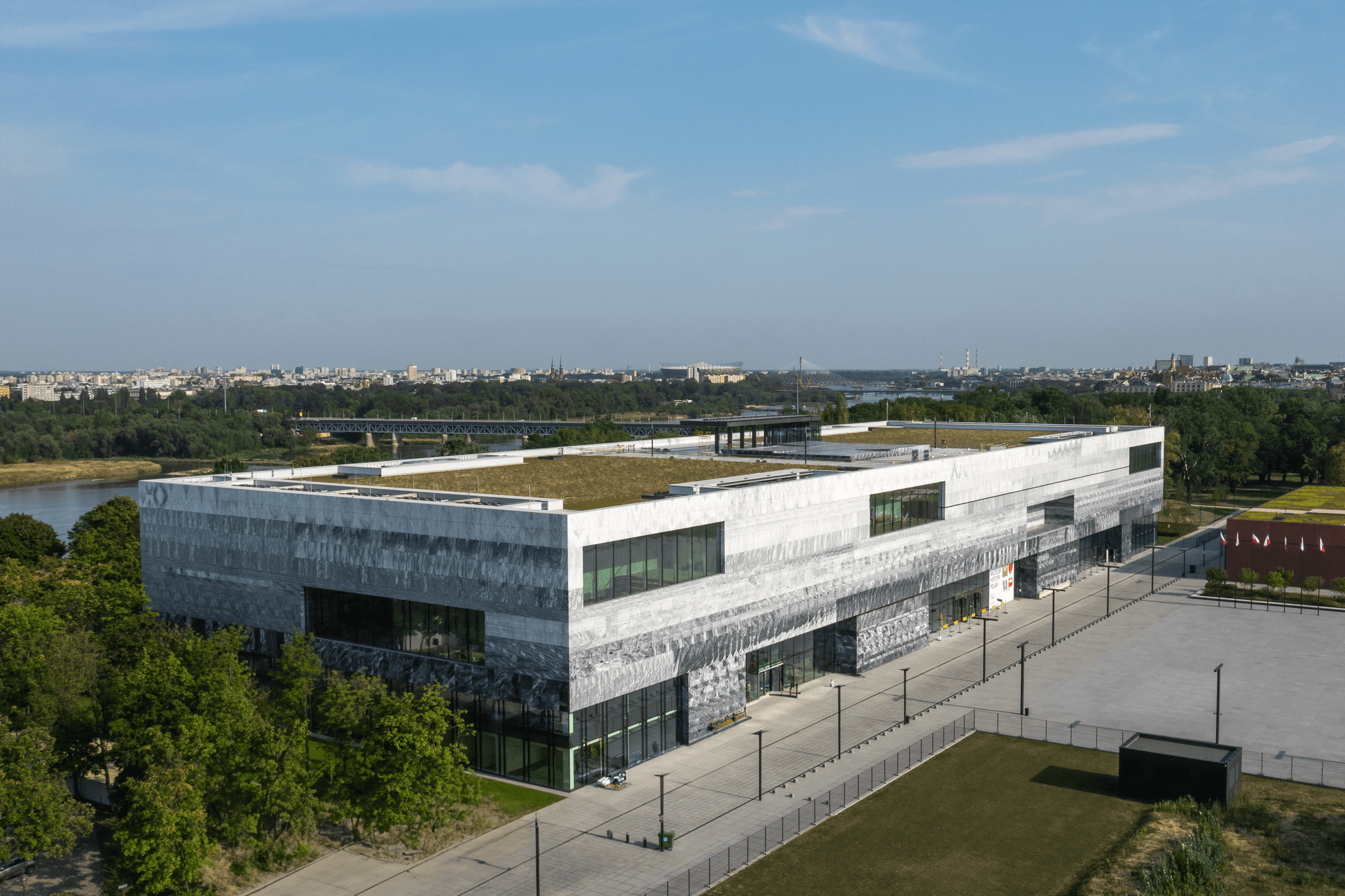 Polish History MuseumA vast national museum in the Warsaw Citadel, opened to the public in 2024 after13 minutes walk4.0
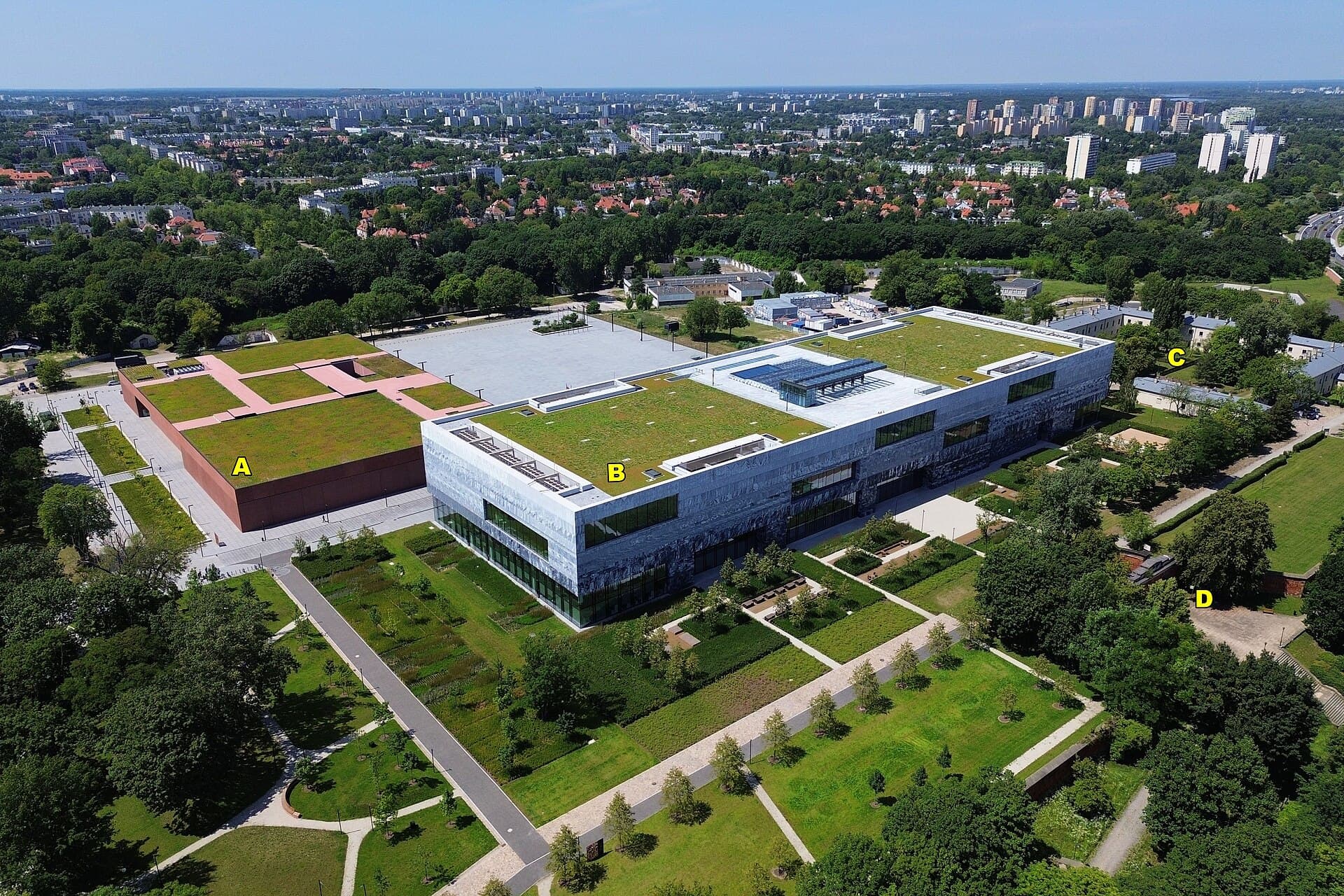 Polish Army MuseumThe museum of Polish military history, moved to its new home in the Warsaw Citad15 minutes walk4.5
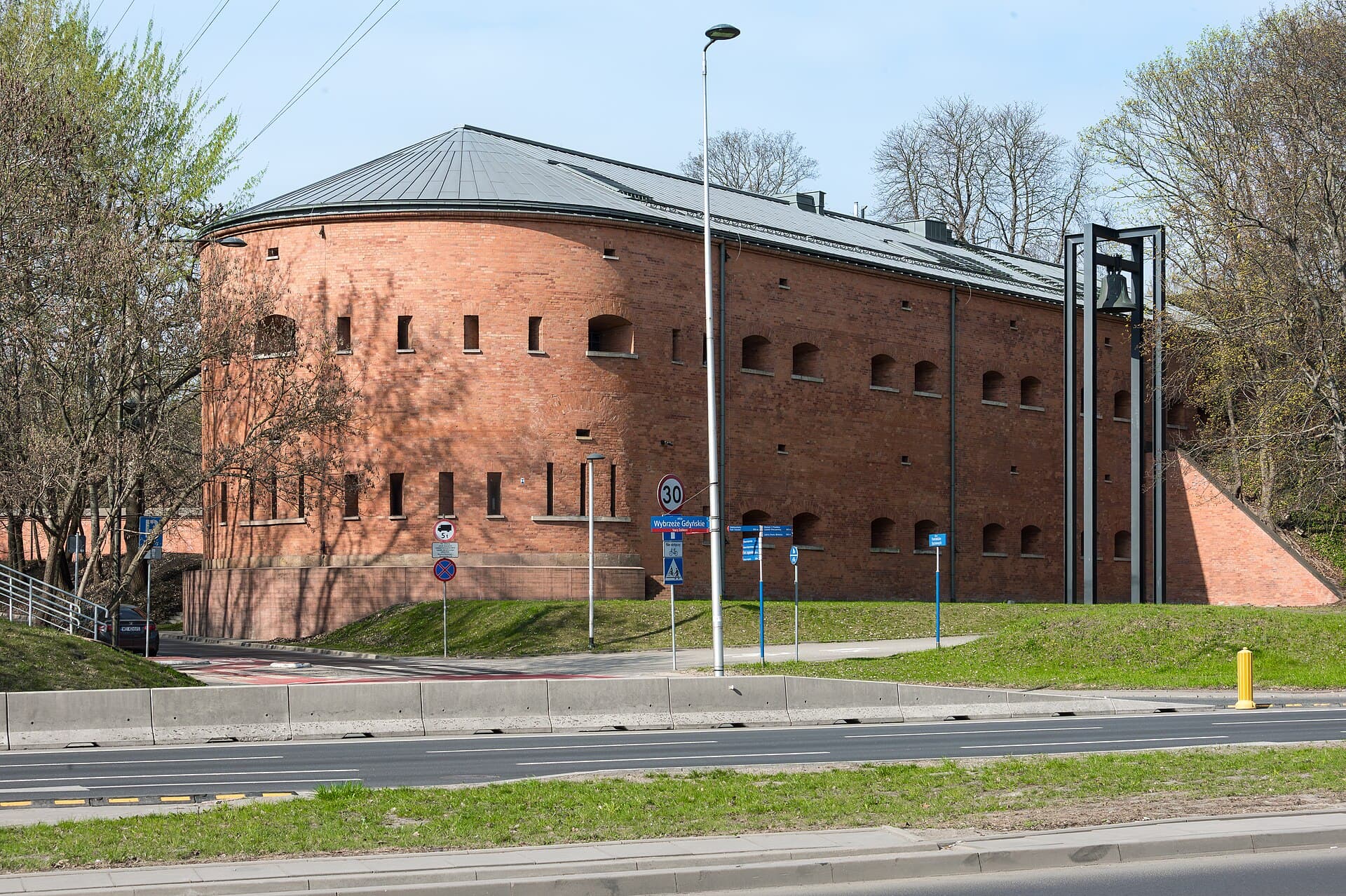 Katyń MuseumA museum inside a nineteenth-century bastion of the Warsaw Citadel devoted to th20 minutes walk4.6
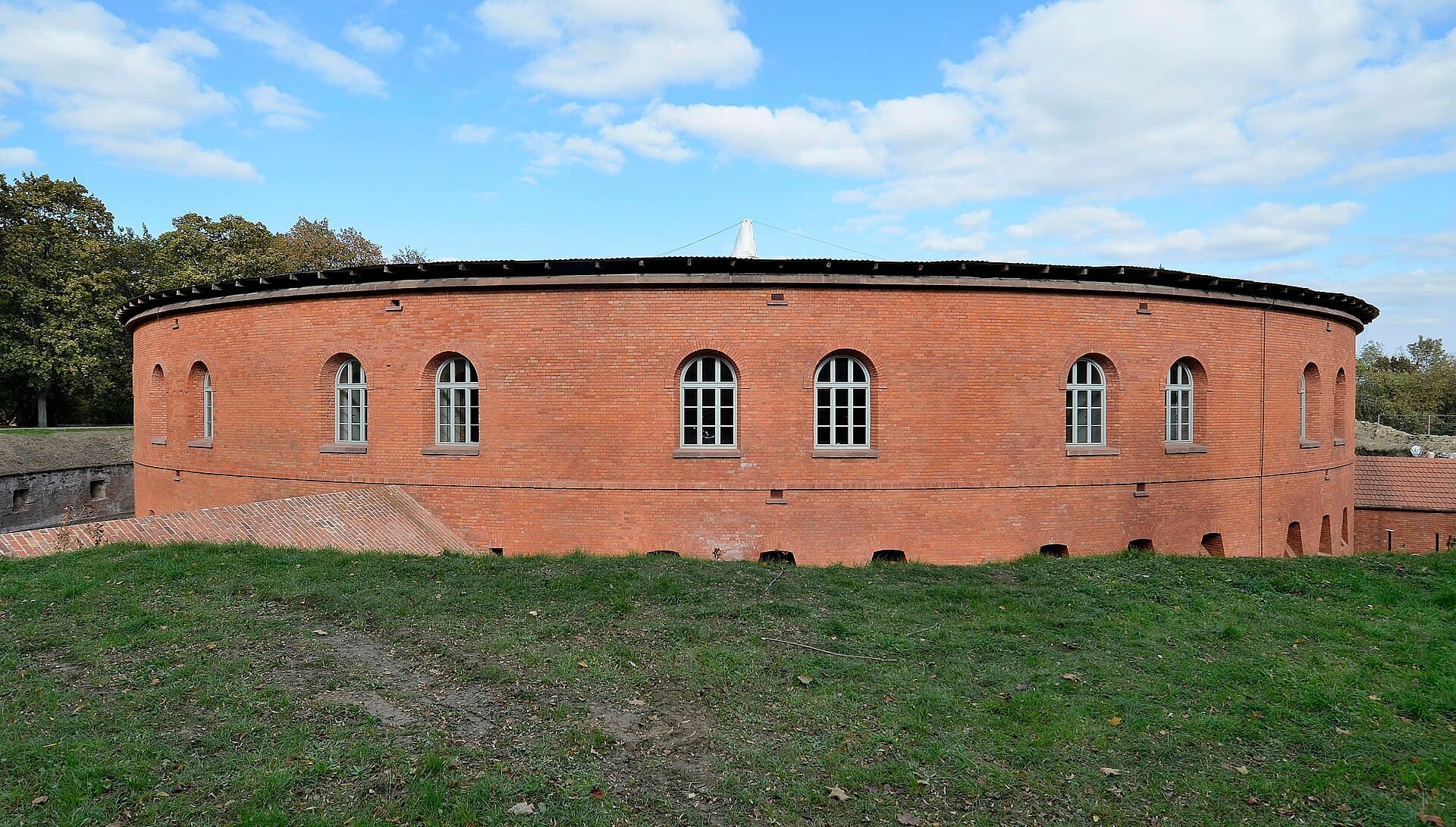 Fort LegionówA fort of the Warsaw Citadel system, built under Russian rule in the nineteenth 25 minutes walk4.6
A generation of Polish climbers in the 1970s and 80s who specialised in winter ascents of peaks above eight thousand metres, the most dangerous form of climbing. They made most of the world's first winter ascents. The reason was partly political: difficulty obtaining hard currency and travel permits pushed them into the cheap seasons others avoided — that is, winter. The human cost was very high.
If sport or mountains interest you, yes — the Himalayan section alone justifies it. If your time in Warsaw is short, the Rising Museum, POLIN and the Palace of Culture come well ahead. Treat it as a third or fourth day option.