
Socialist-era computers
The Pravetz machines exported across the bloc.
Edal Anton Lefterov — CC BY-SA 3.0 · Antonio Georgiev — CC BY-SA 4.0 · Antonio Georgiev — CC BY-SA 4.0 · Antonio Georgiev — CC BY-SA 4.0
Sofia's National Polytechnic Museum is the kind children and engineers both like: halls full of real machines you can stand beside and look into. The collection is large and covers mechanics, optics, communications, transport and computing. Its strongest sections are the **old clocks** — a large holding of European and Bulgarian wall and pocket clocks — the **cameras and cinema projectors**, the **early cars and motorcycles**, and the **computers** of the socialist period. That last section carries a story worth knowing: Bulgaria was the **computer manufacturing centre of the Eastern bloc**, producing machines and hard drives for the whole system and nicknamed the socialist Silicon Valley — which is the origin of the strong Bulgarian software industry of today. The museum's presentation is plain and old-fashioned, and **its labelling is mainly in Bulgarian**. Charges are low, and there are interactive sections for children.
The Pravetz machines exported across the bloc.
European and Bulgarian wall and pocket clocks.
Ulitsa Oborishte 14, Sofia
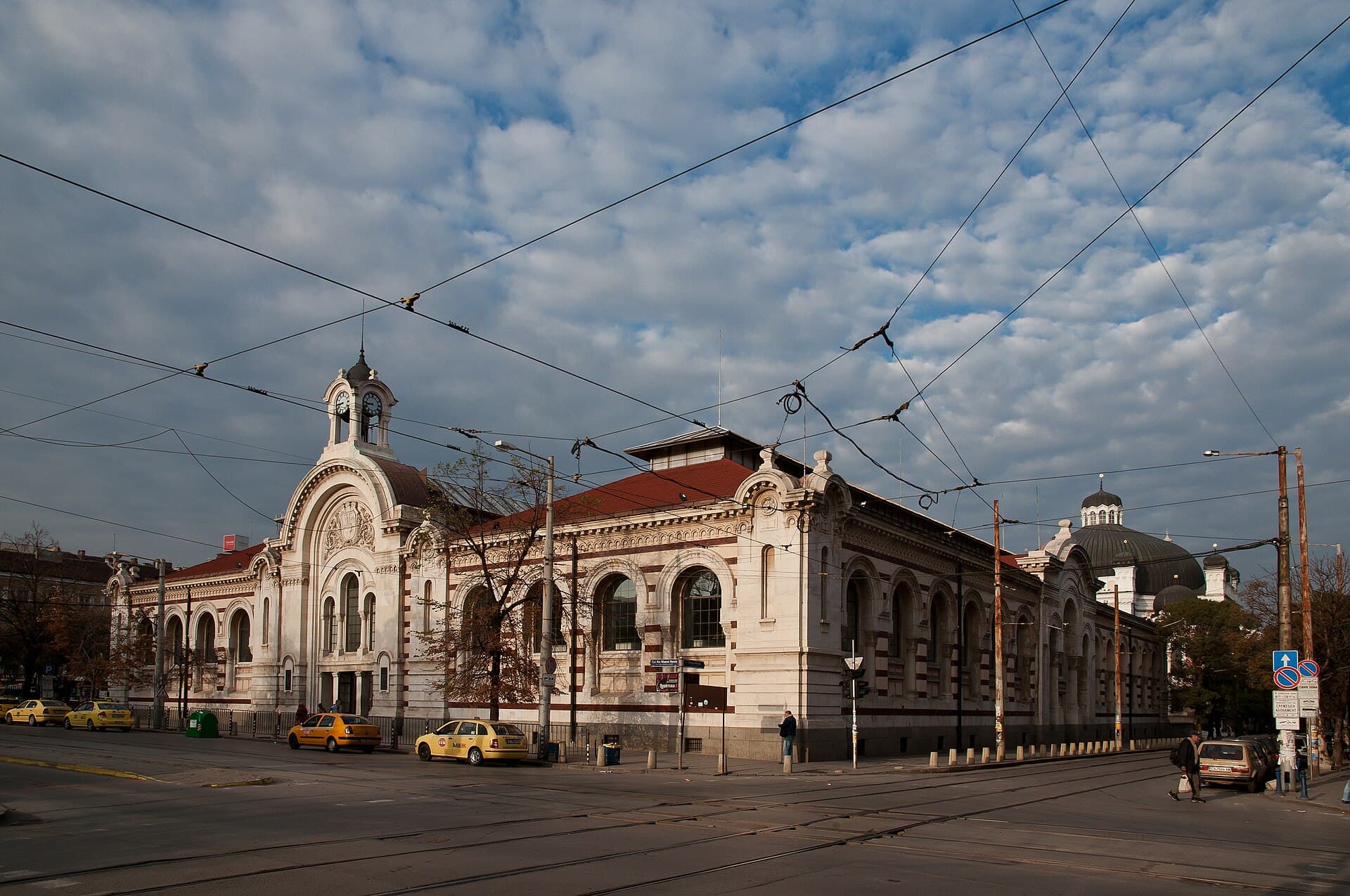 The Central Market HallThe Halite — the Central Market Hall — is a building of 1911 with a neo-Renaissa12 minutes walk4.1
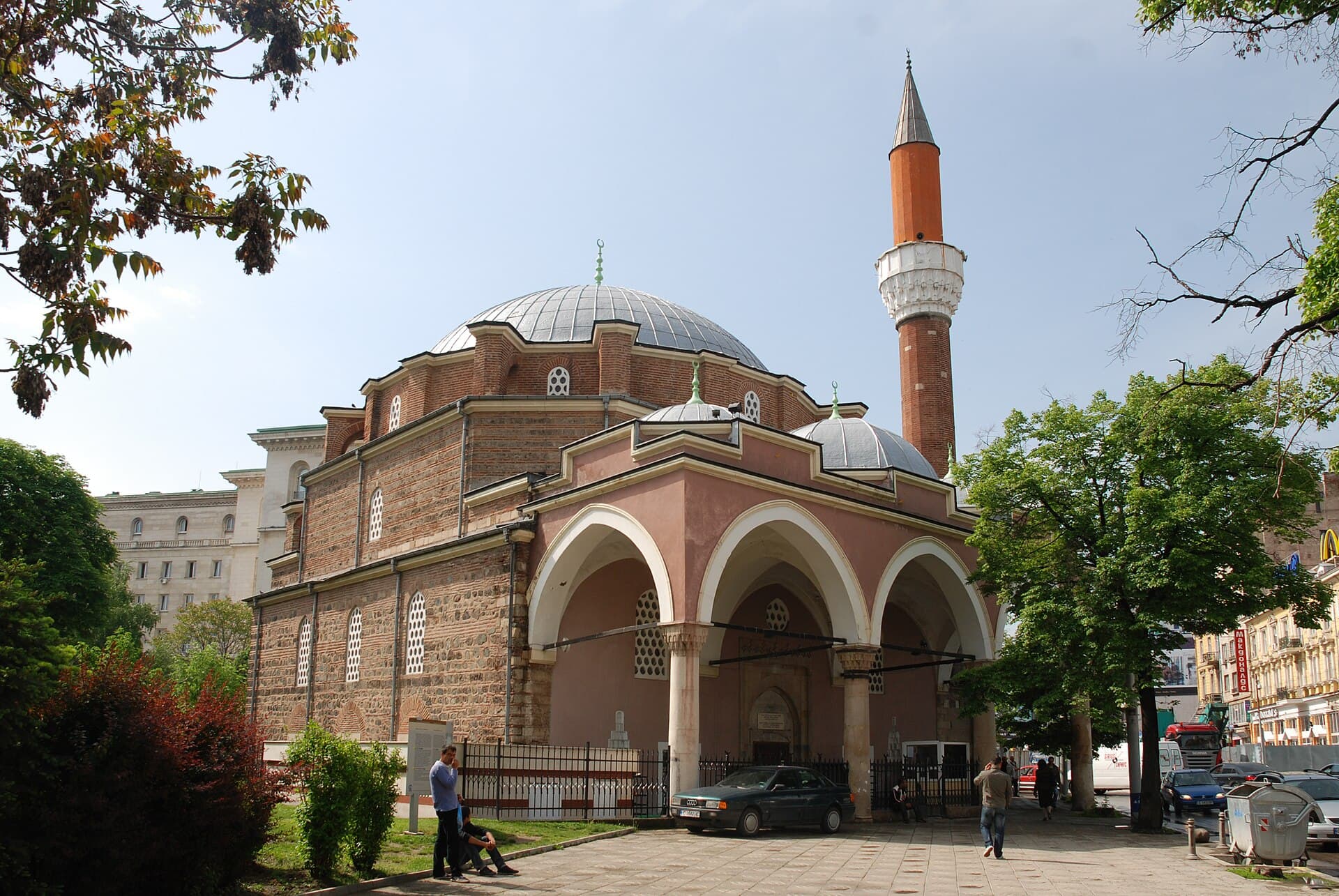 Banya Bashi MosqueBanya Bashi is the sole remaining working mosque in Sofia from nearly seventy Ot13 minutes walk4.3
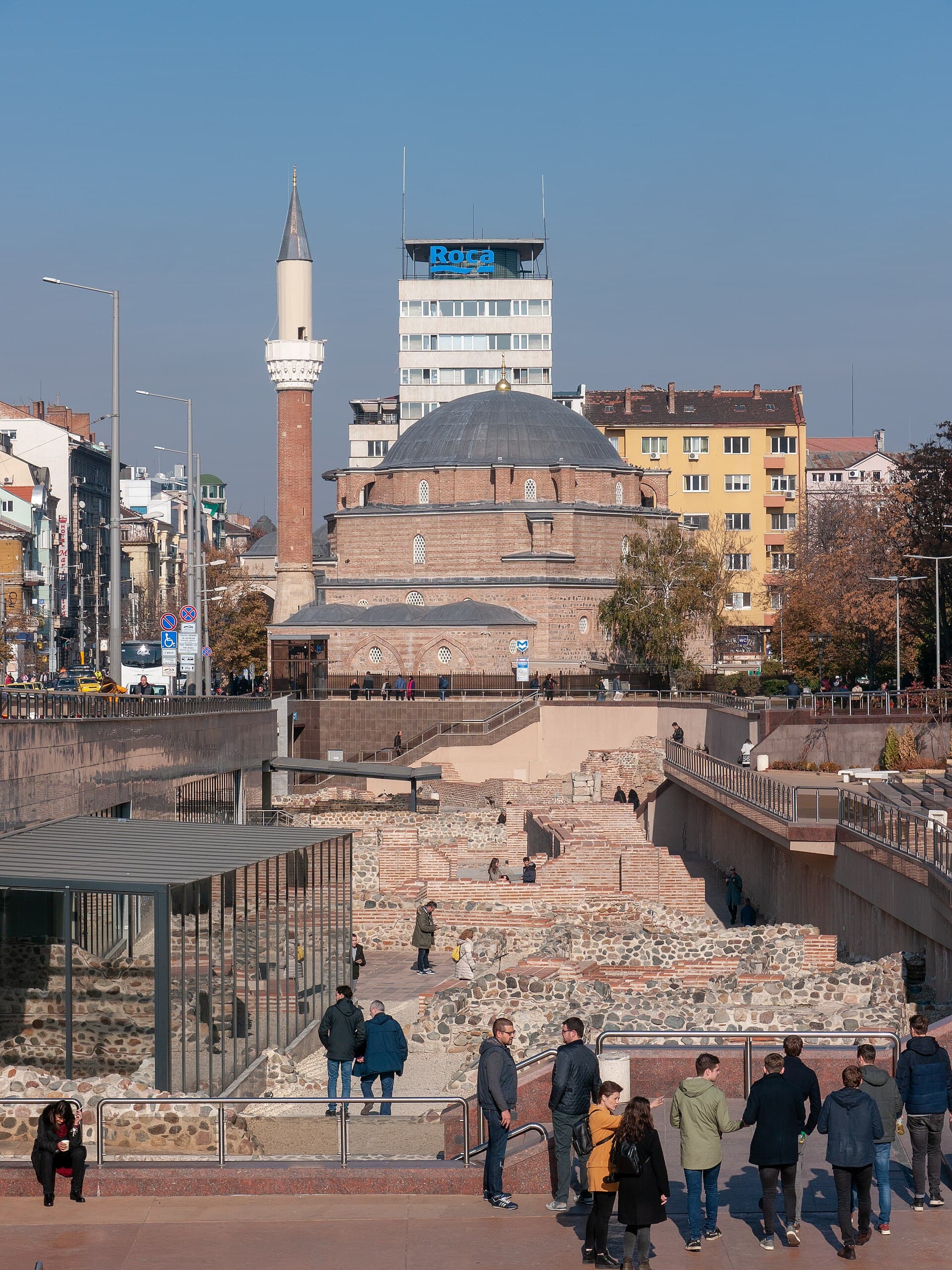 The Serdica Archaeological ComplexThe remains of the Roman city of Serdica exposed below street level in the heart14 minutes walk4.5
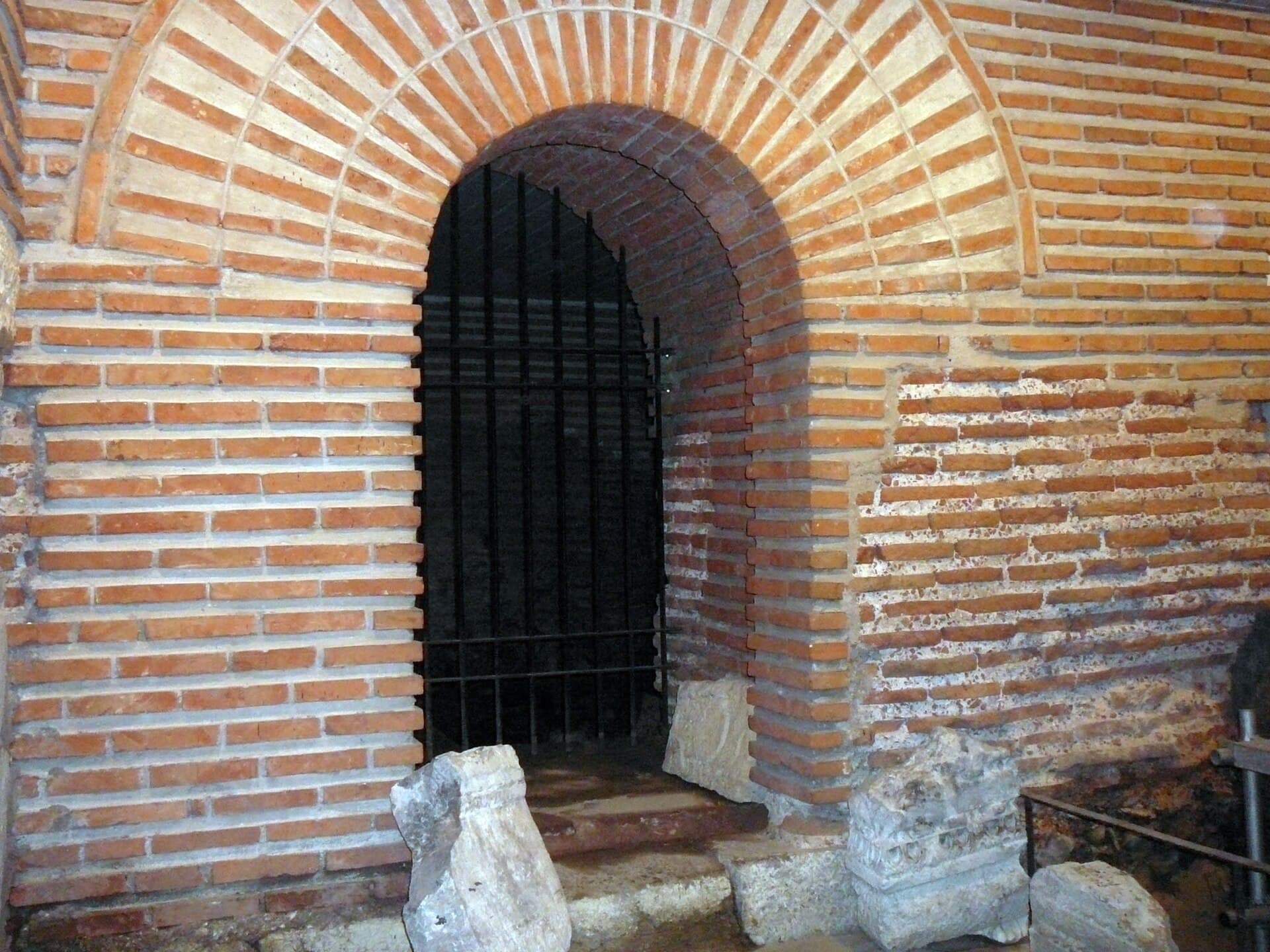 Ancient Serdica ComplexSerdica is ancient Rome literally beneath modern Sofia's feet: a complete Roman 14 minutes walk4.7
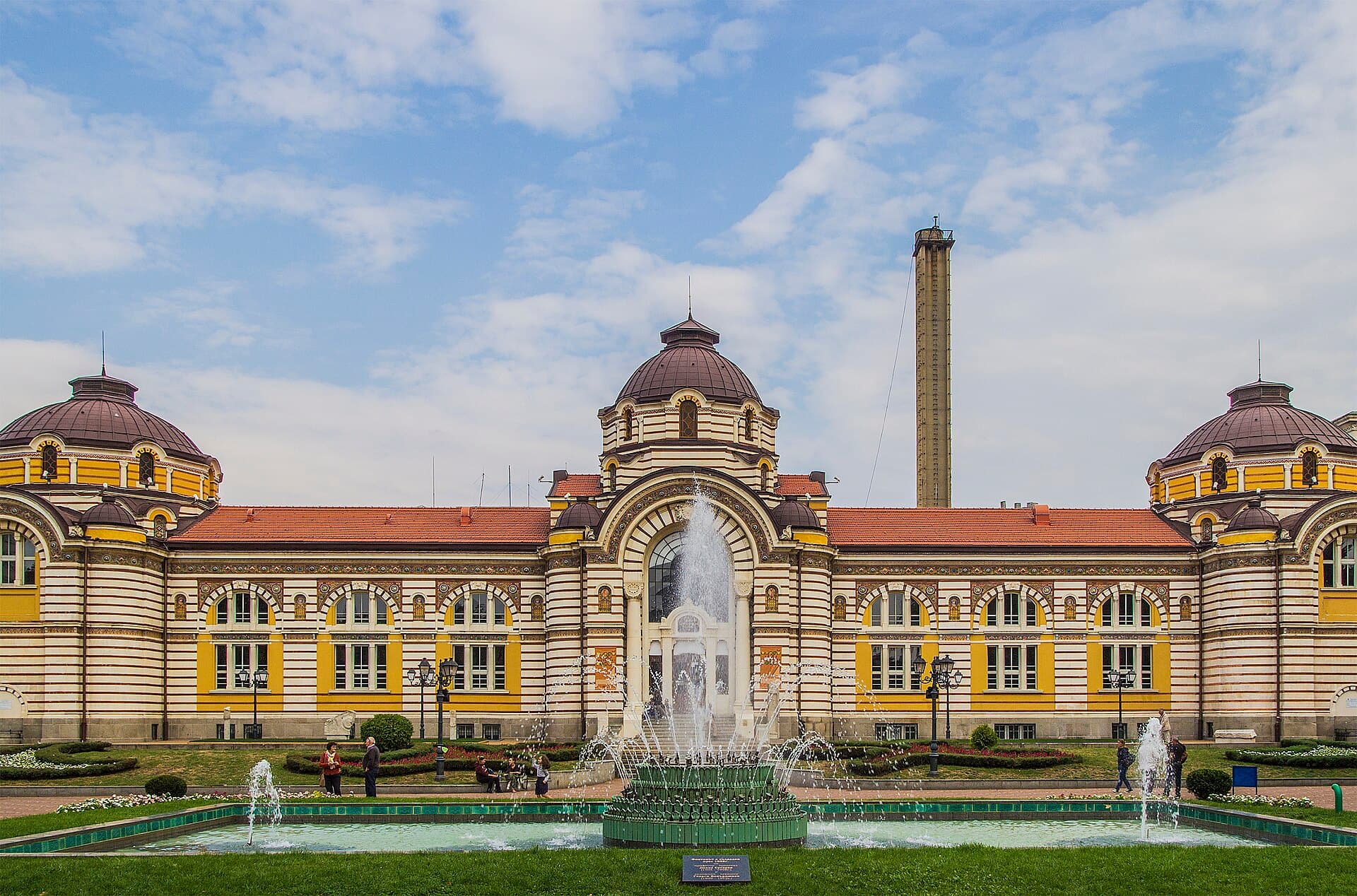 The Central Mineral BathsThe Central Mineral Baths building has one of the finest fronts in Sofia: banded14 minutes walk4.5
A line of personal computers Bulgaria produced from 1979, named after the town of Pravets. They were compatible clones first of the Apple II and later of IBM machines, made in hundreds of thousands and exported to the Soviet Union and every Eastern bloc country — Bulgaria produced roughly forty per cent of the bloc's computers and hard drives. The sector collapsed with the system in the 1990s, but the generations of engineers it trained are the foundation of today's Bulgarian software industry, one of the country's strongest sectors. Pravetz machines are displayed in this museum.