
The rock network
Tunnels running under the whole old town.
Tilman2007 — CC BY-SA 4.0 · Tilman2007 — CC BY-SA 4.0 · Tilman2007 — CC BY-SA 4.0 · Tilman2007 — CC BY-SA 4.0
The Neutor bastion is part of the advanced fortifications of Nuremberg's wall, but its significance lies underground rather than above: beneath it runs a network of tunnels and rock cellars cut into the sandstone, part of a system extending under the whole old town. These cellars were originally dug for storing beer: an old Bavarian law prohibited brewing in summer because of the difficulty of cooling, so Nuremberg's brewers cut deep cellars holding a steady temperature near eight degrees year-round. The city sits on sandstone that is relatively easy to cut, which made the network possible. In the Second World War these cellars saved something else: they were used as shelters for residents and as refuges for the city's art treasures — among them works by Dürer and the imperial regalia, moved into a reinforced chamber in the rock. Guided tours underground are the only way to see them.
Tunnels running under the whole old town.
A reinforced chamber that held Durer and the regalia.
Neutormauer, 90403 Nuremberg
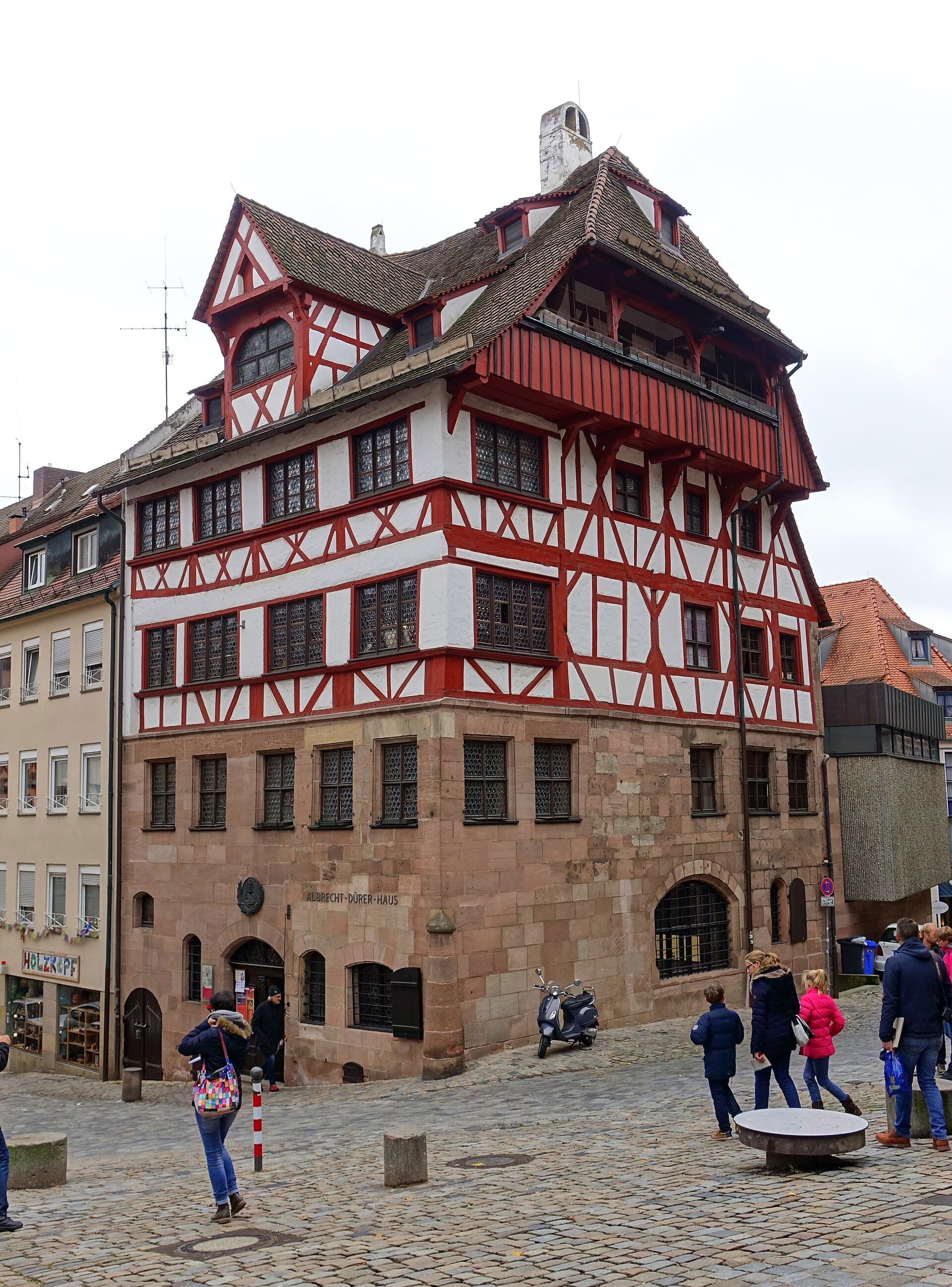 Albrecht Dürer's HouseAlbrecht Dürer was the most famous German artist of the Renaissance, and he live2 minutes walk4.4
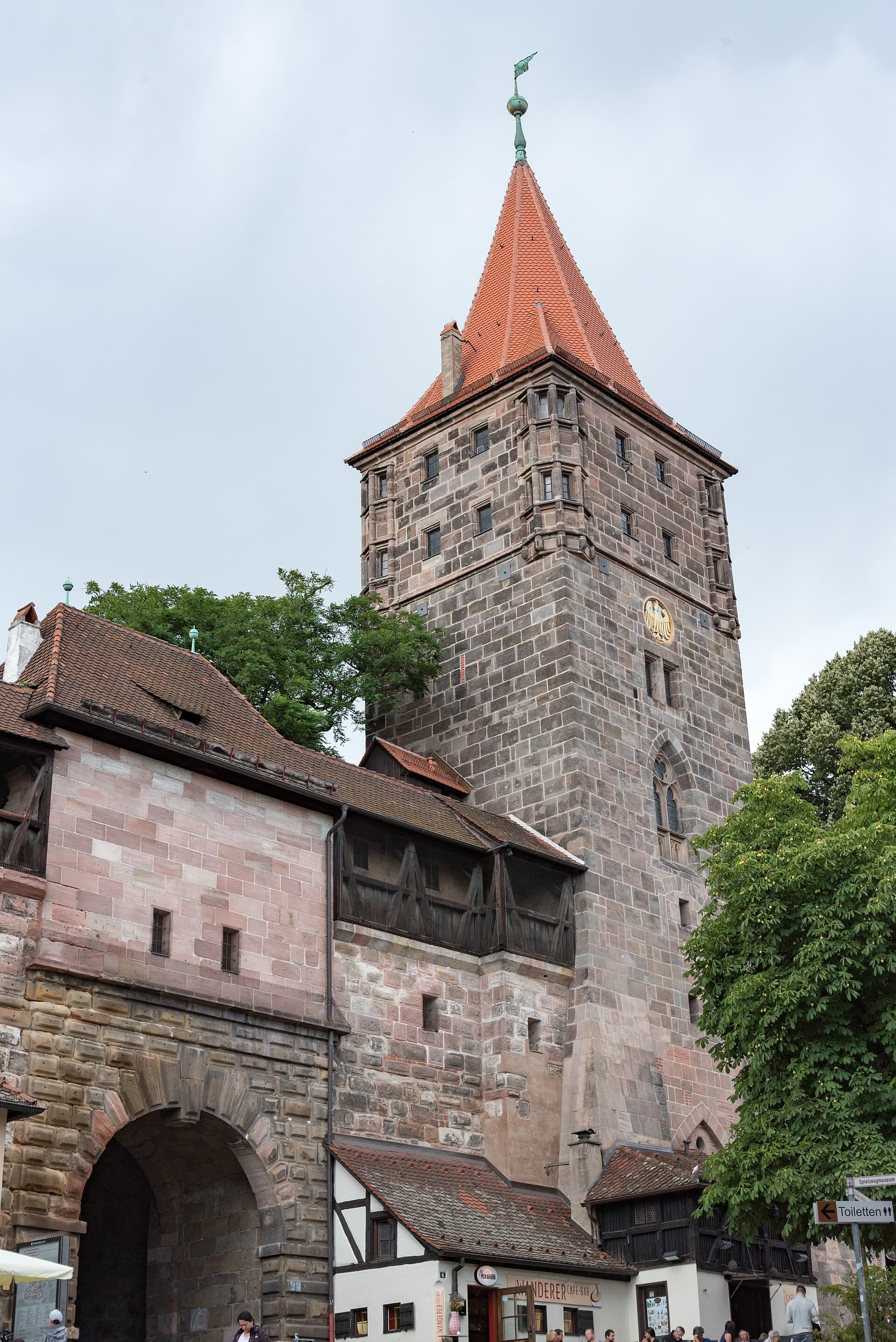 TiergartnertorplatzTiergärtnertorplatz is among Nuremberg's finest and most visually complete squar3 minutes walk4.6
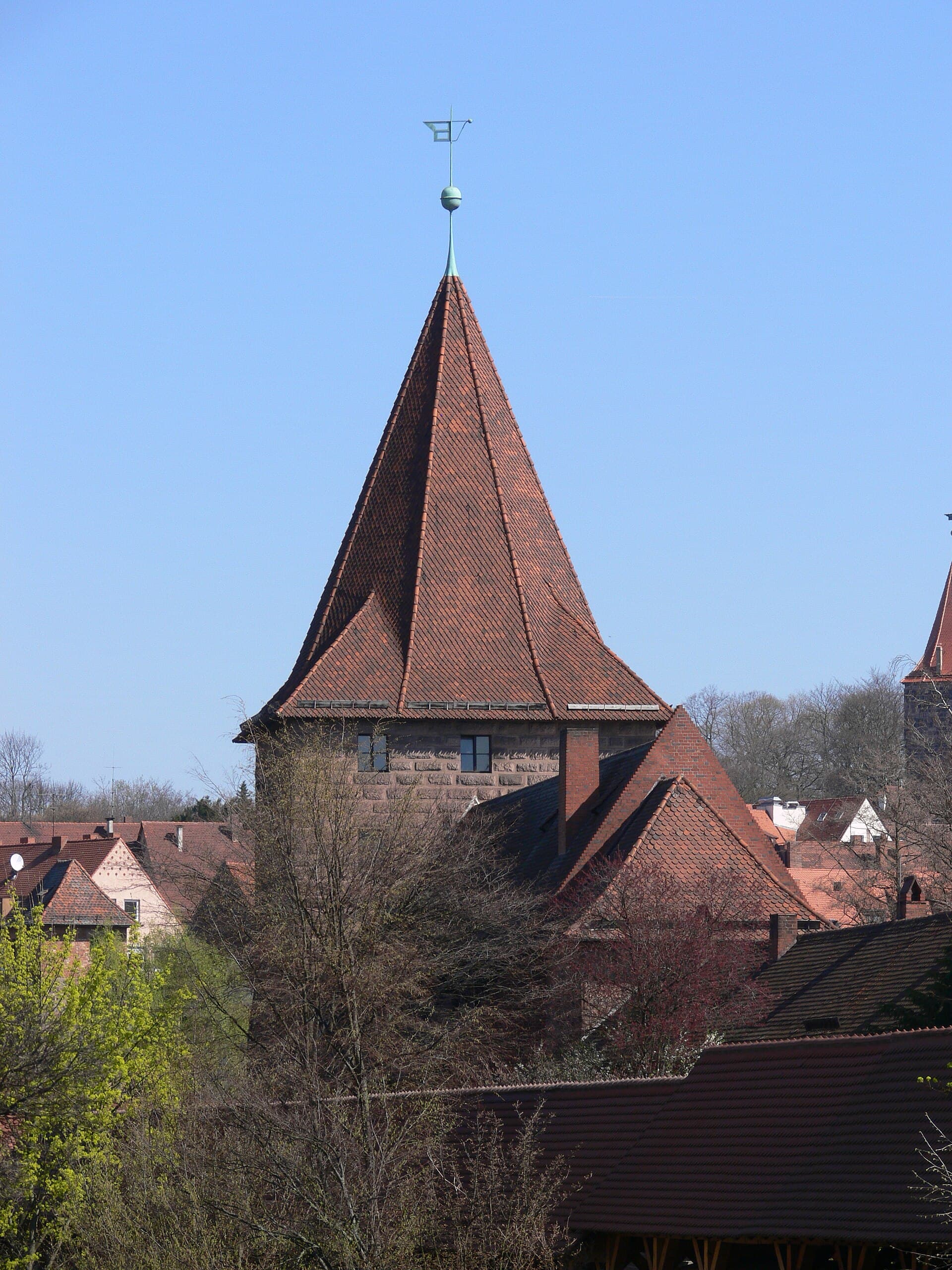 The SchlayerturmThe Schlayerturm is one of the water towers in Nuremberg's medieval wall: it sta3 minutes walk4.6
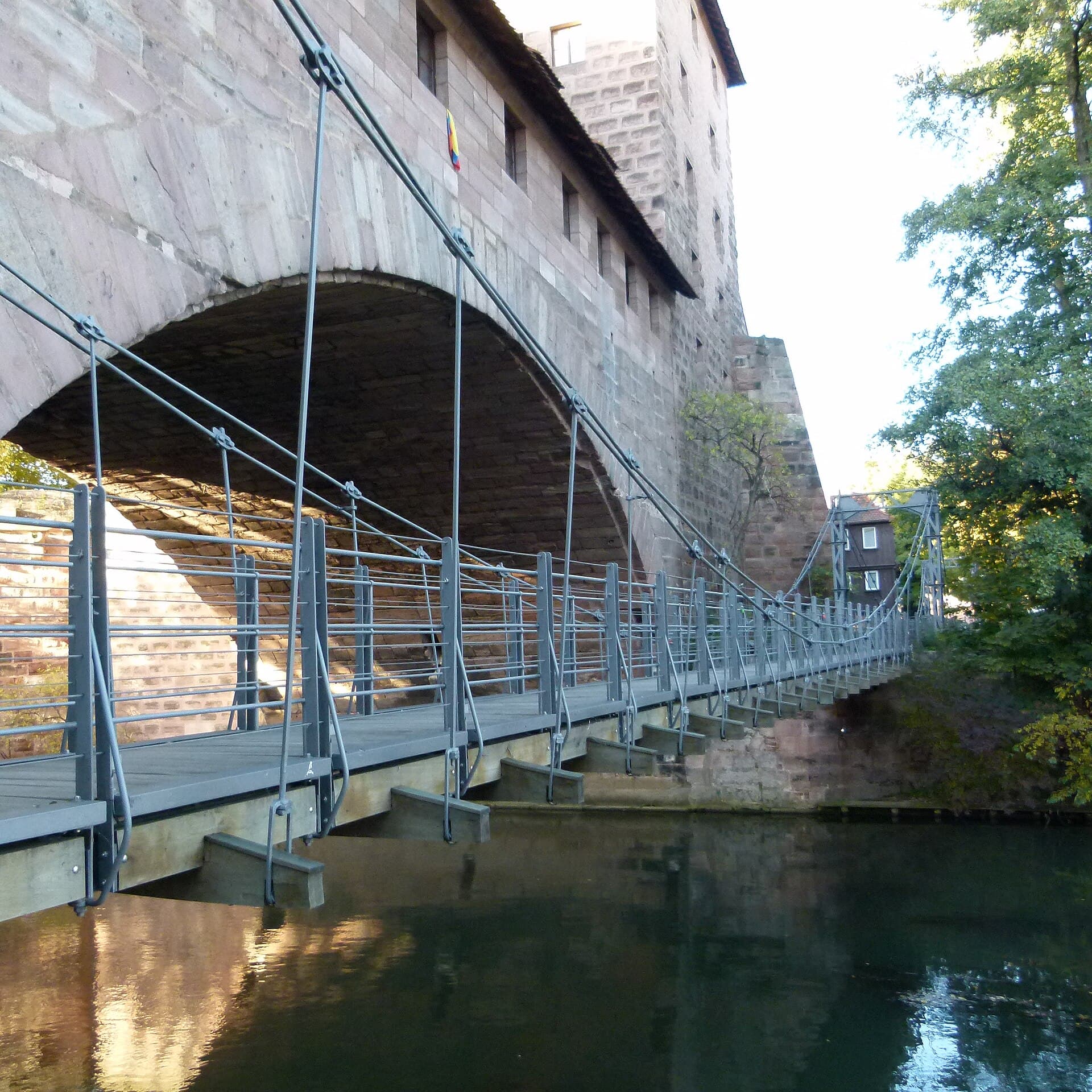 Kettensteg Chain BridgeA sixty-eight-metre footbridge crossing the river Pegnitz at the western end of 3 minutes walk4.6
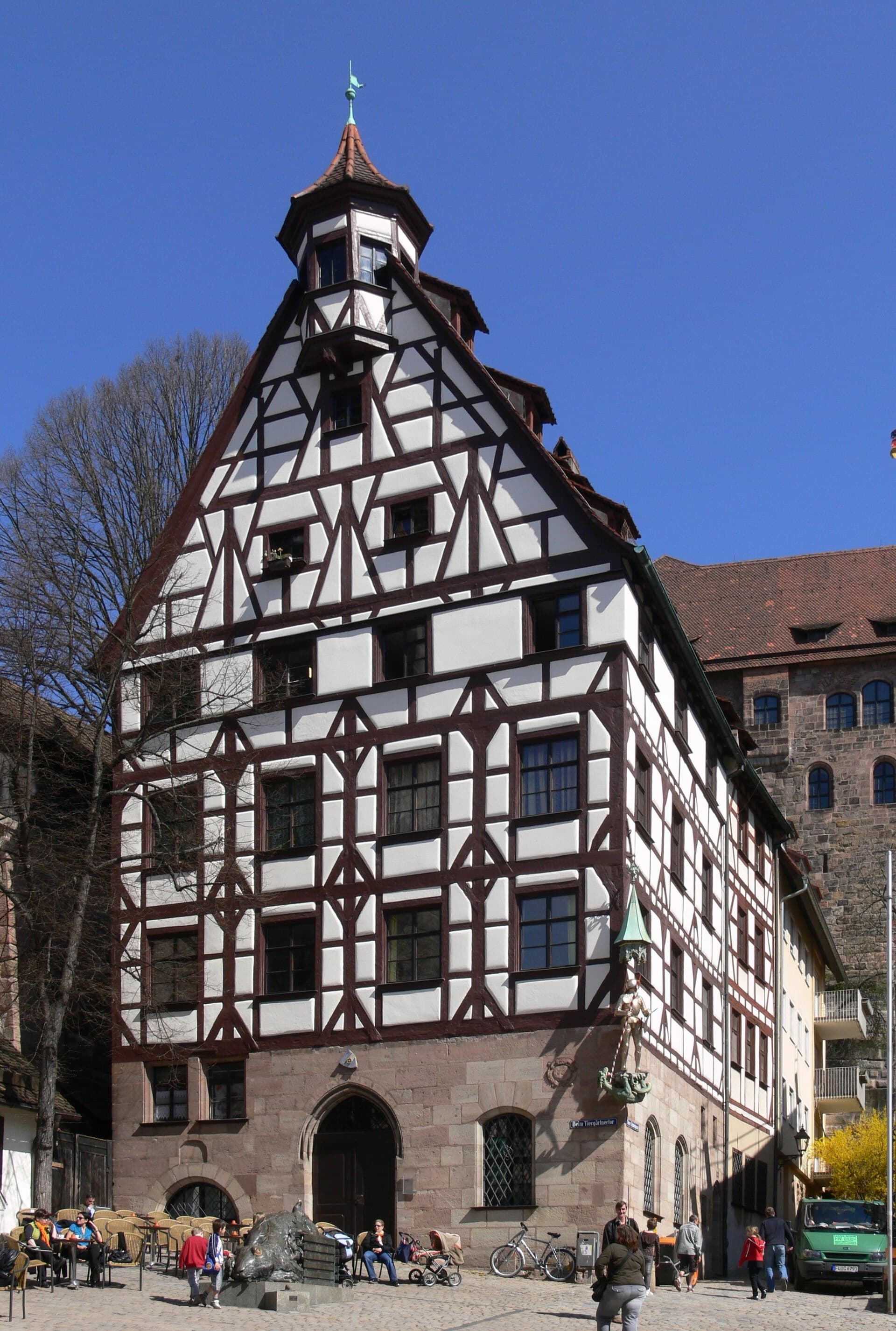 PilatushausA late Gothic house of fourteen eighty-nine on the corner of the square below th3 minutes walk4.9
Because brewing in heat produced spoiled or contaminated beer before industrial refrigeration, so Bavaria issued laws banning brewing between April and September. The solution was to brew in winter and store in cold cellars to last until autumn — which is also where the Bavarian beer garden tradition came from, since chestnut trees were planted over the cellars to shade them and became places to sit.