
An interpretation left open
Read as deportation and as ascent — the artist did not settle it.
Masur — Public domain · Jacek Halicki — CC BY-SA 4.0 · Jacek Halicki — CC BY-SA 4.0 · Travelarz — CC BY-SA 3.0 pl
An artwork in Wrocław: a real steam locomotive mounted vertically, pointing at the sky, on a plinth near the central station. The piece is by the artist Andrzej Jarodzki and was raised in 2010 on rails set upright, so the locomotive appears to be climbing. The engine is not a replica but a genuine machine of the industrial era, and its actual weight and size are what make the sight uncomfortable: this is an enormous object in a position it should not be in. The reading is deliberately open. It is sometimes understood as a reference to the deportation trains to the extermination camps — the train as an instrument of the twentieth century carries that shadow in Poland particularly. It is sometimes understood as ascent and deliverance. The artist left the interpretation unsettled. Wrocław is a city that likes this kind of intervention: it also has hundreds of small bronze dwarf figures scattered through its streets, which themselves began as a symbol of political protest in the 1980s. Practical points: always open and free, with a visit of minutes. It stands in open ground near the station, so you pass it if you arrive by train.
Read as deportation and as ascent — the artist did not settle it.
The train as a twentieth-century instrument carries a heavy meaning here.
Hundreds of bronze figures in the streets began as 1980s protest symbols.
Near the central station, Wrocław
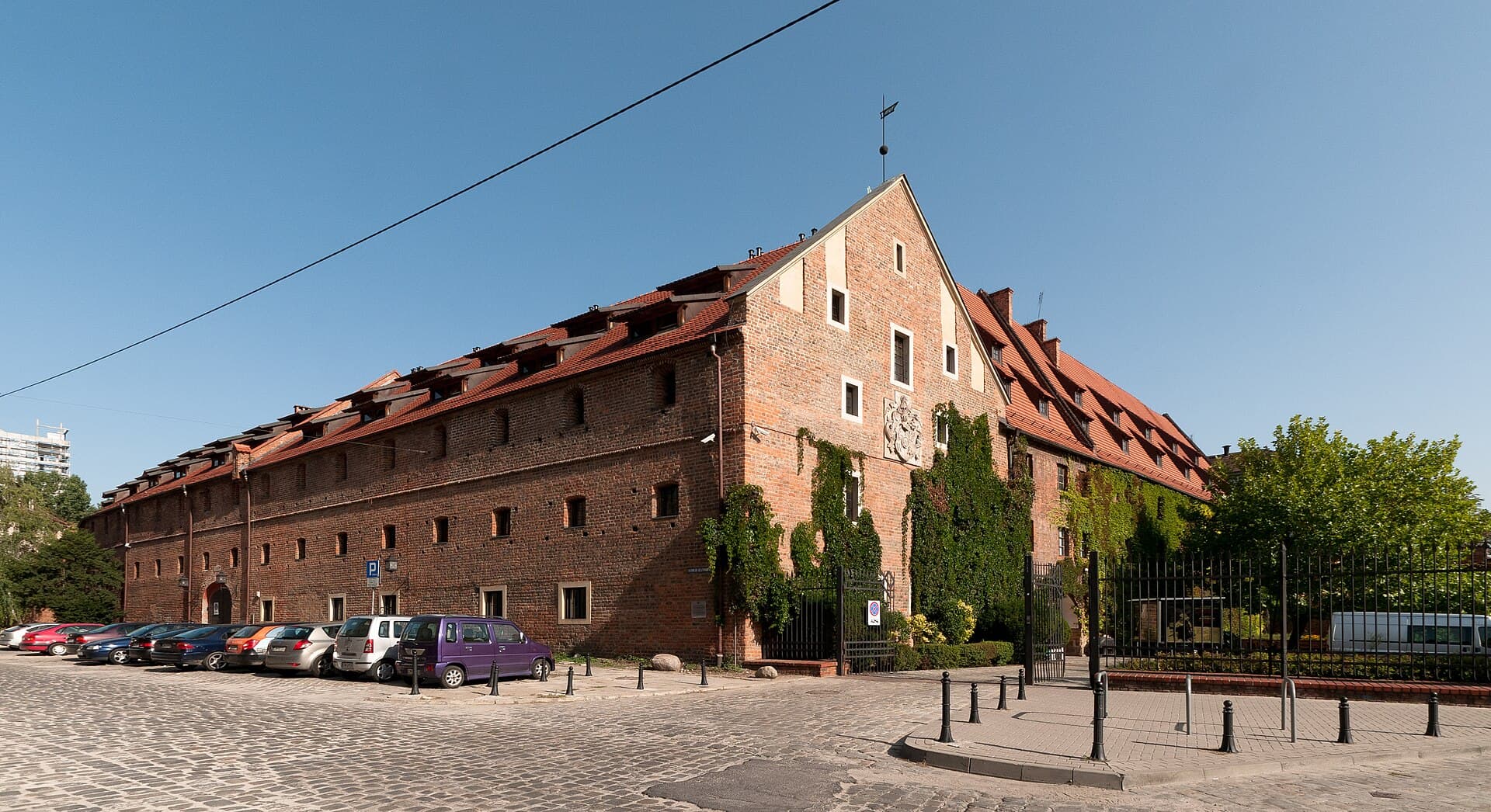 The City ArsenalThe largest surviving fragment of Wrocław's medieval fortifications: a fifteenth18 minutes walk4.5
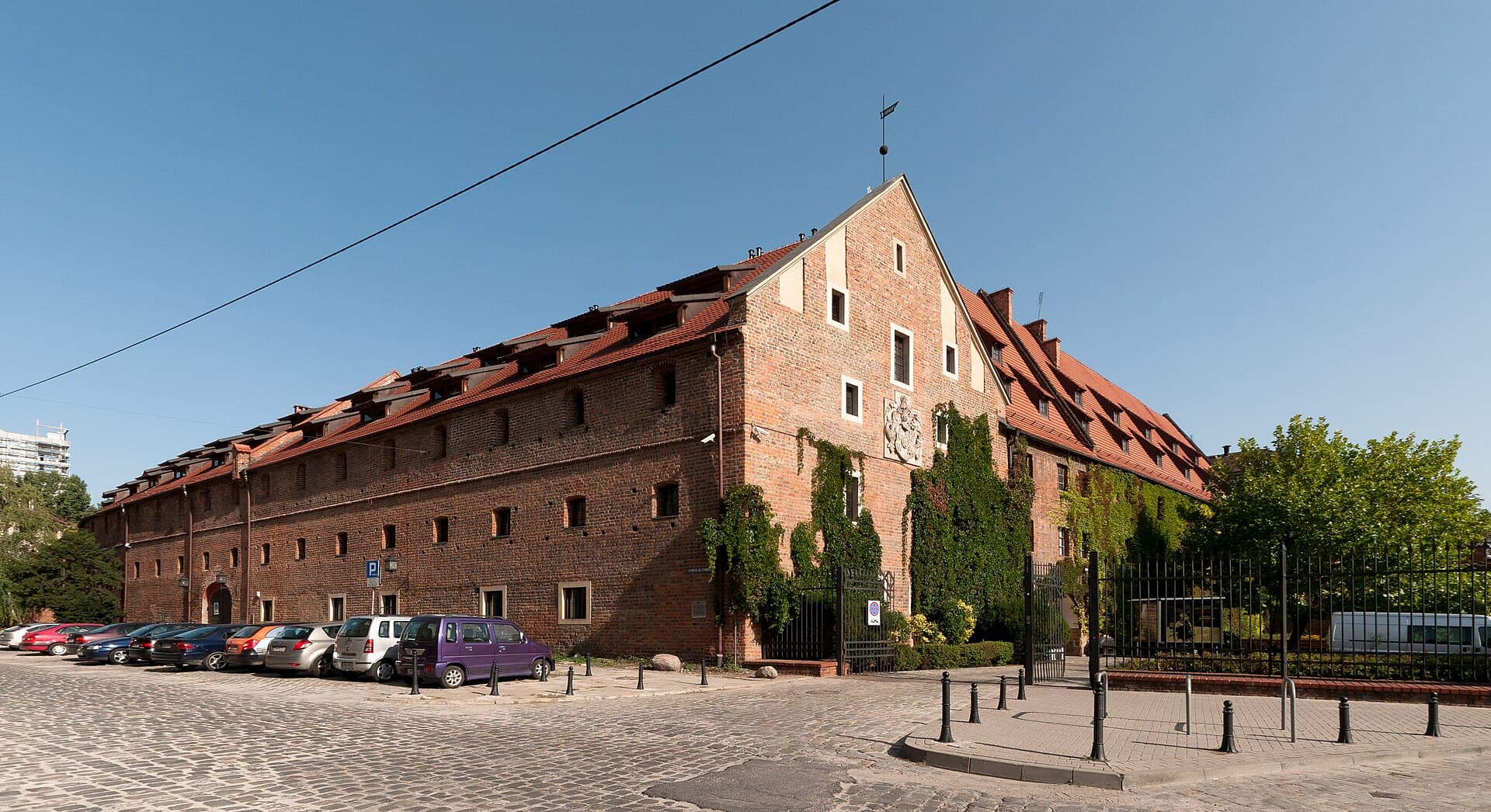 The Archaeological MuseumAn archaeological museum in Wrocław's fifteenth-century arsenal, a branch of the19 minutes walk4.5
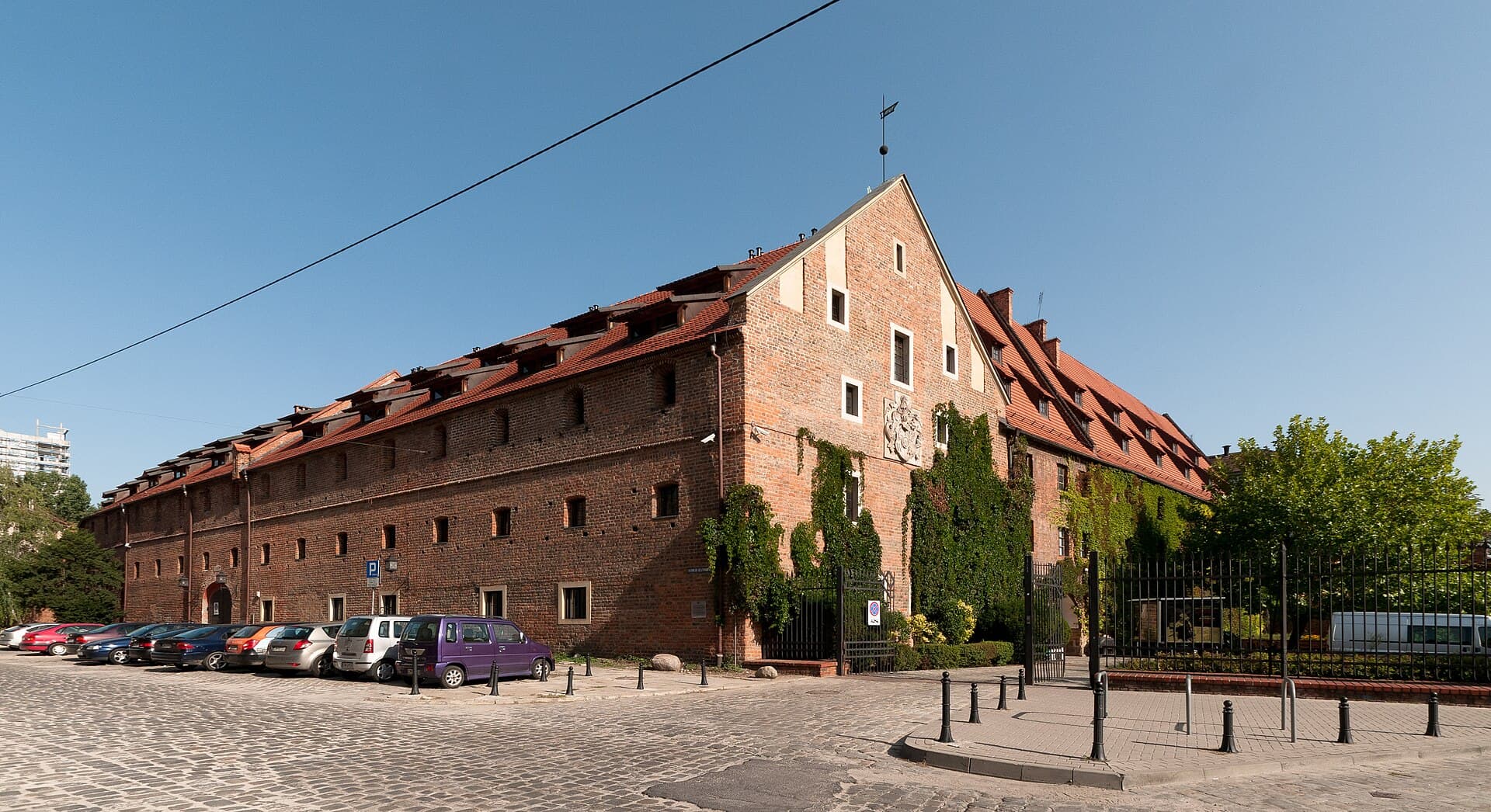 Museum of Military ArtsA museum of arms and armour inside Wrocław's arsenal, a medieval defensive build19 minutes walk4.6
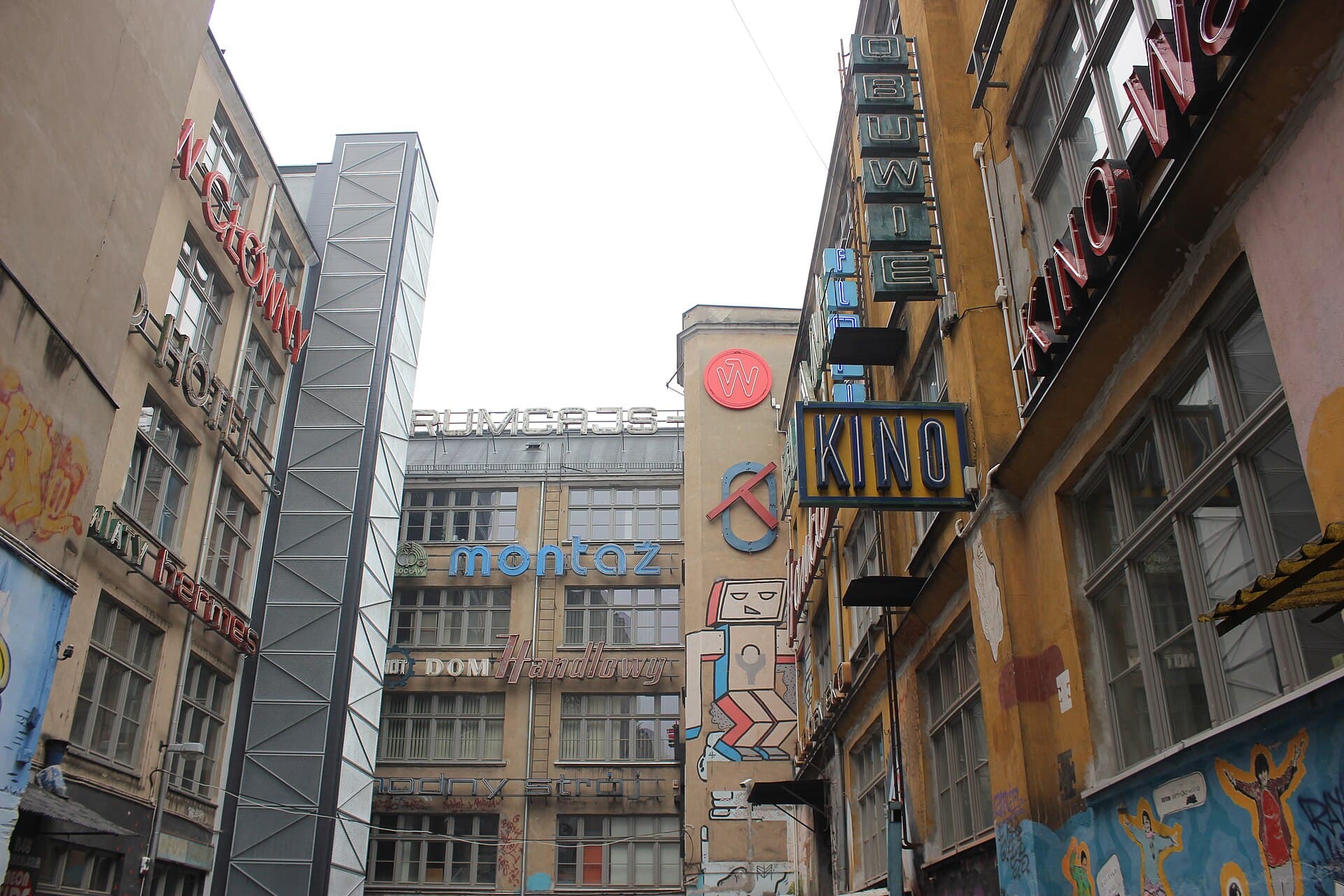 District of Four DenominationsA small area in central Wrocław where four places of worship of four faiths stan20 minutes walk4.7
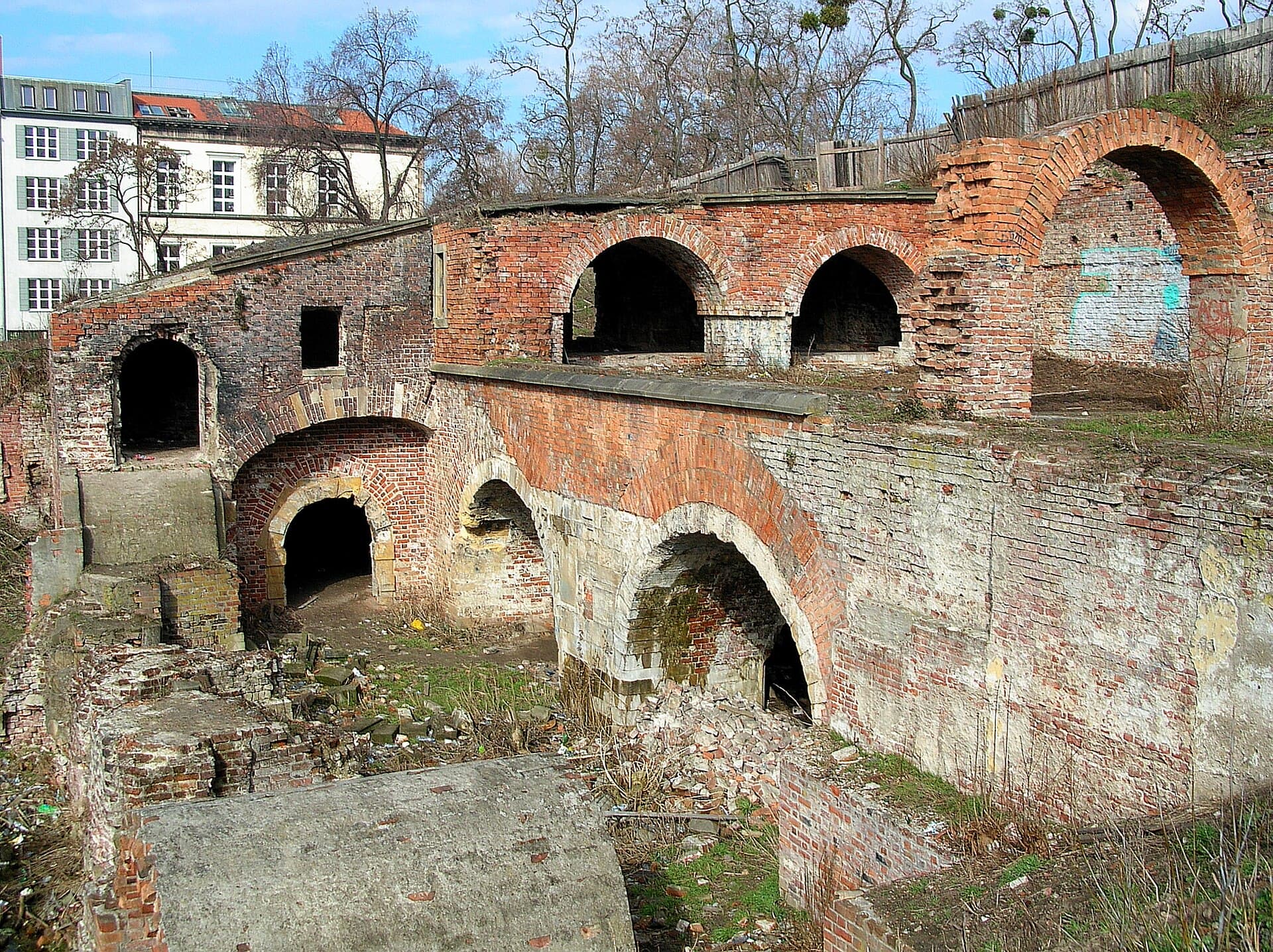 The Remains of the City WallsWhat remains of Wrocław's medieval walls: scattered stretches of brick embedded 22 minutes walk4.3
It began with Orange Alternative, a non-violent protest movement of the 1980s that used absurdity against the communist regime: when the authorities painted over opposition slogans on walls, activists drew a small dwarf on the blank patch. Arresting someone for drawing a dwarf makes a regime look ridiculous — which was the point. After 1989 the city began installing small bronze figures in tribute, and there are now more than eight hundred, an attraction in themselves.
Across the old town on pavements, by shop doors and on low walls. There are maps and dedicated trails for tracking them, and it is a good way to get children to walk an old town without complaint. Start at the market square and look down.