
Language preserved identity
Centuries as a linguistic minority inside larger empires.
Mark Iverson — CC BY-SA 2.0 · Fred Romero from Paris, France — CC BY 2.0 · Peter Naglič — Public domain · Boris Orel — Public domain
A museum of folk and material culture in the Metelkova complex, showing the everyday life of Slovenes across the centuries alongside a non-European collection gathered by Slovene travellers and missionaries. The permanent exhibition divides into two clear strands: one on the relationship with nature and work — farming, crafts, dress and dwelling — and one on how a collective identity is built out of customs, ritual and language. That second strand is more interesting than it sounds. Slovenia was not a state before 1991, and Slovenes spent centuries as a linguistic minority inside larger empires. Language and custom were what preserved the distinction, which makes an ethnographic museum here a political document as much as a display of objects. The non-European collection is striking too: pieces from Africa, Asia and the Americas brought back by Slovenes who travelled in the nineteenth and twentieth centuries, which the museum now shows with an open discussion of how they arrived. Practical points: entry is ticketed. The complex holds other museums and an alternative cultural quarter worth walking.
Centuries as a linguistic minority inside larger empires.
Pieces brought by Slovene travellers, shown with an open discussion of provenance.
Farming, crafts, dress and dwelling — no kings and no battles.
Metelkova complex, Ljubljana
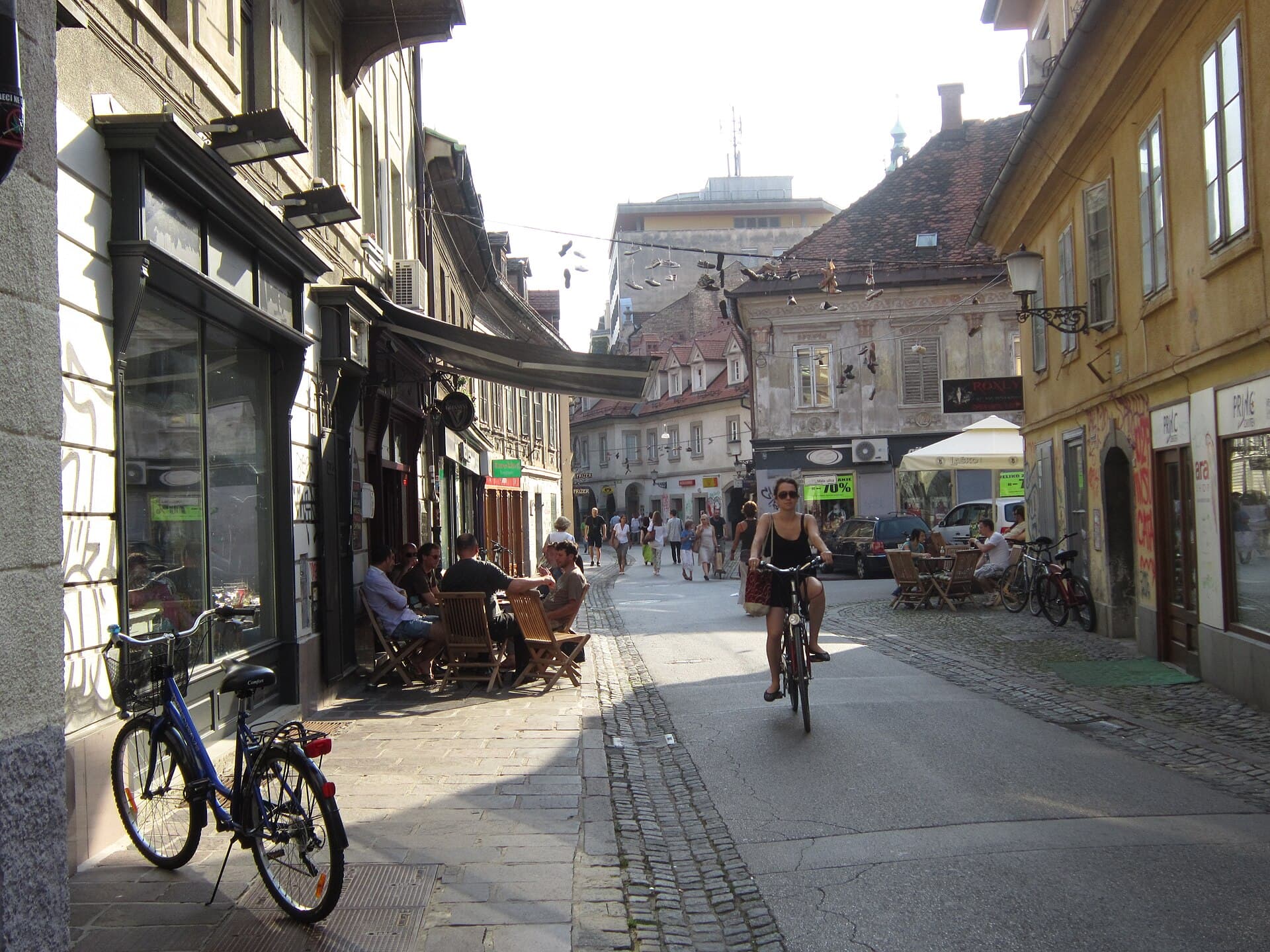 Trubarjeva cestaA long narrow street running north-east from the Triple Bridge, and the one Ljub5 minutes walk4.9
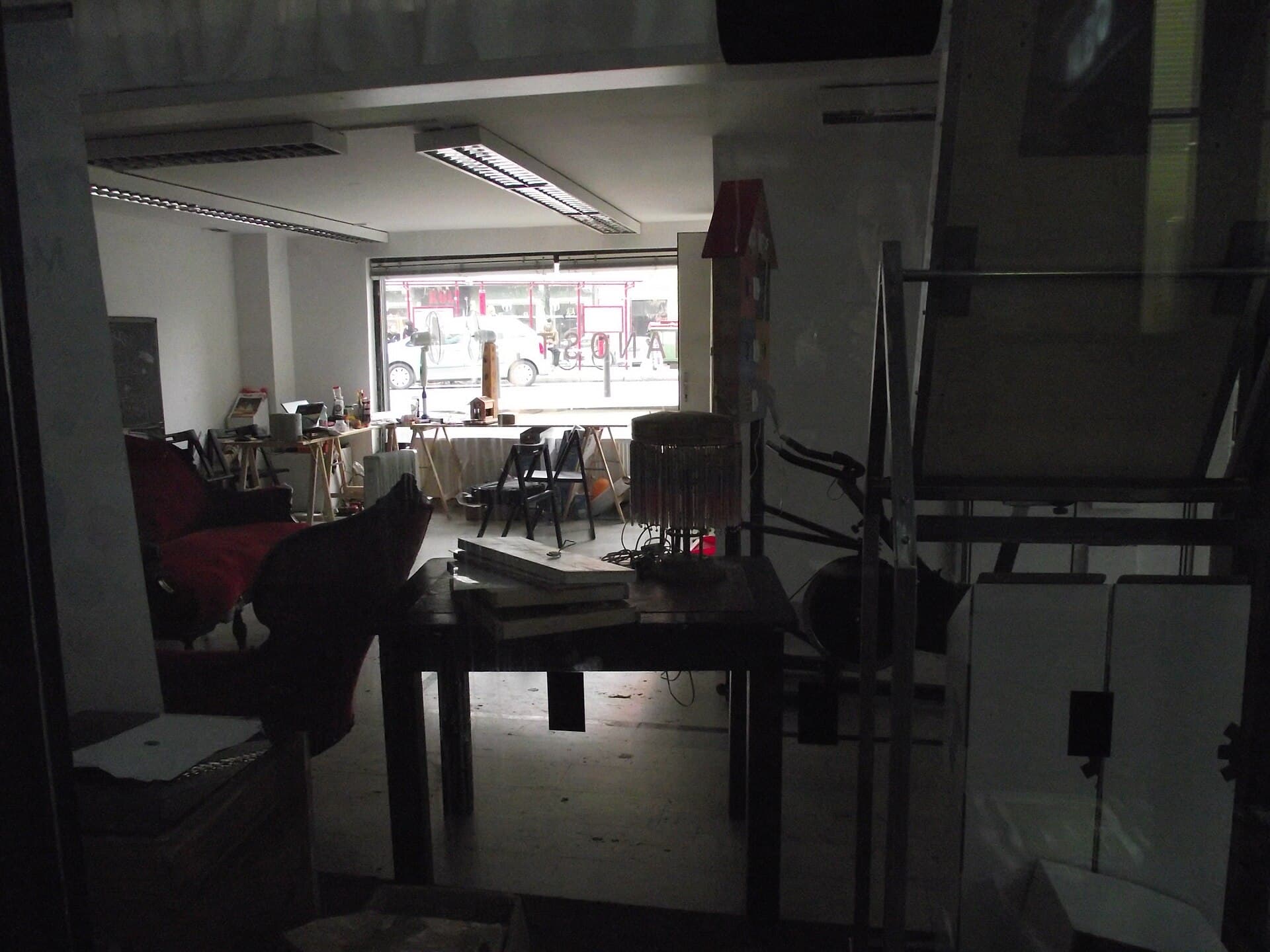 The House of ExperimentsAn interactive science centre in central Ljubljana built entirely on one princip6 minutes walk4.6
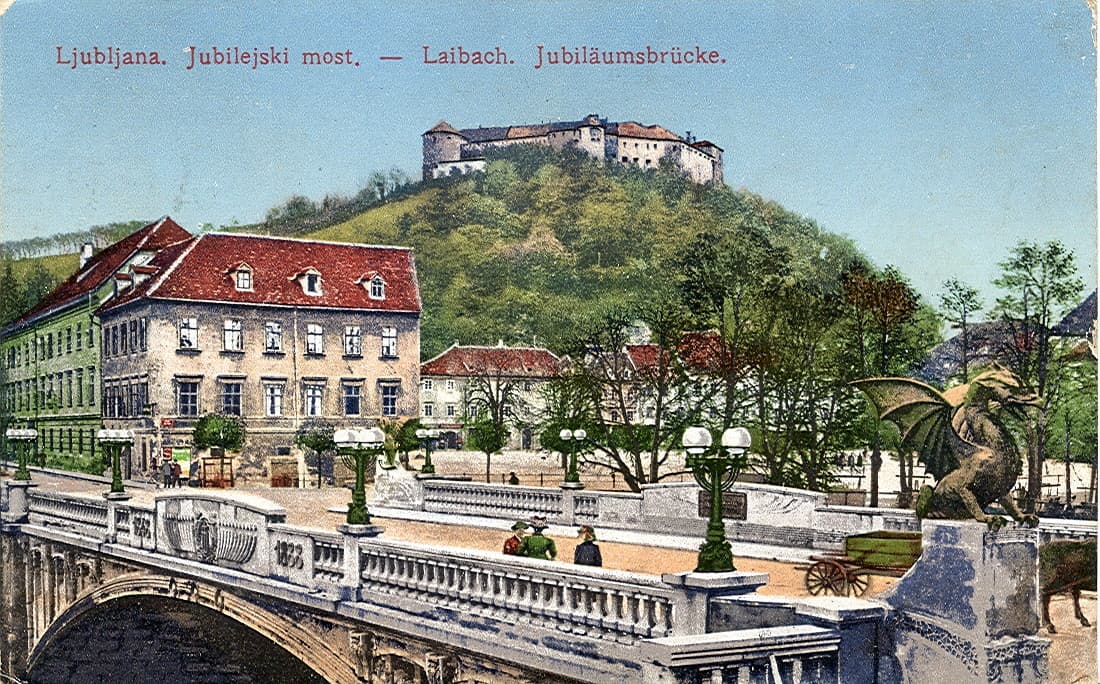 Dragon BridgeThe city's emblem on four legs: the Dragon Bridge (1901) was the city's first re7 minutes walk4.5
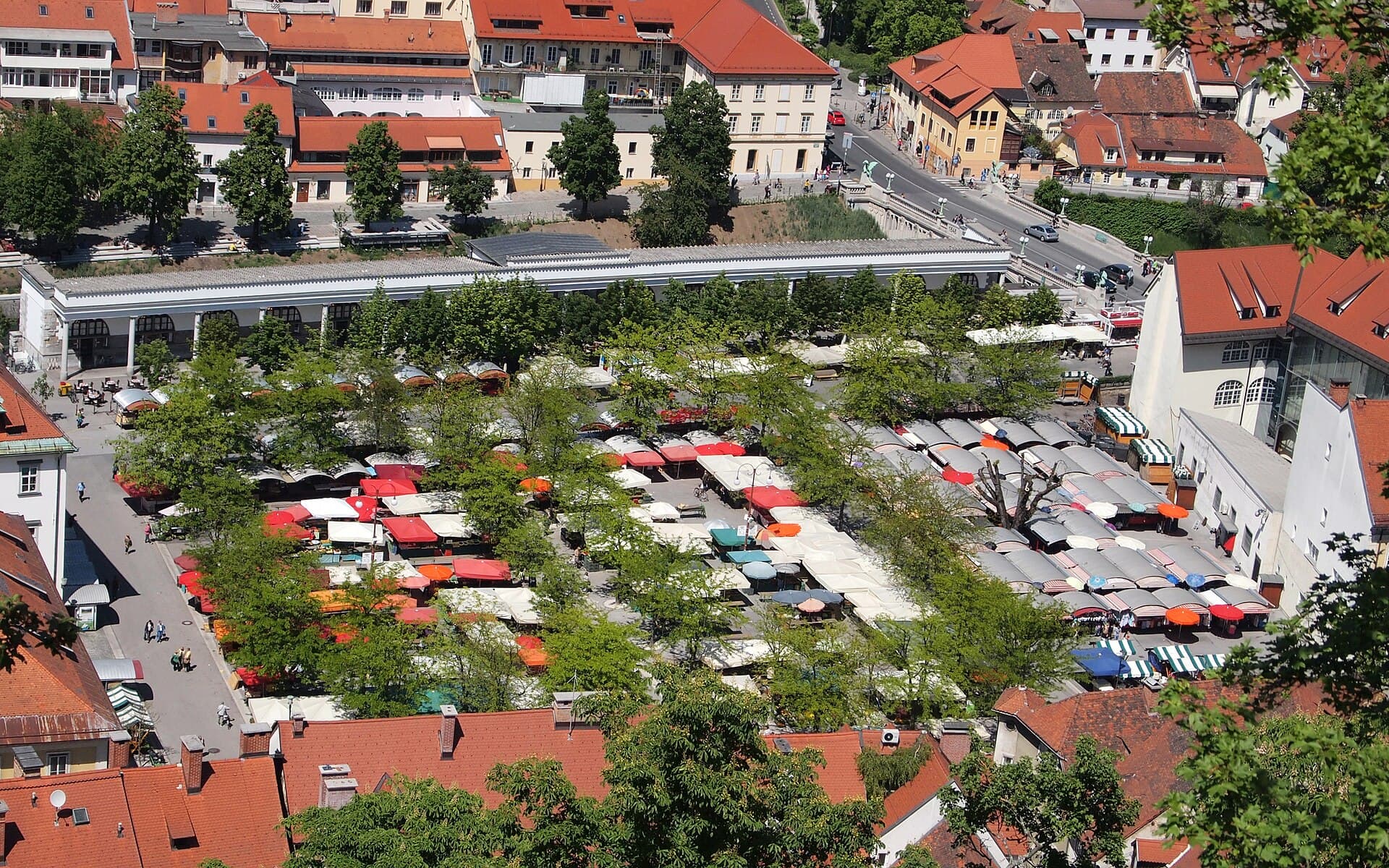 Central MarketA riverside market by Plečnik: the Central Market stretches between the Triple B9 minutes walk4.6
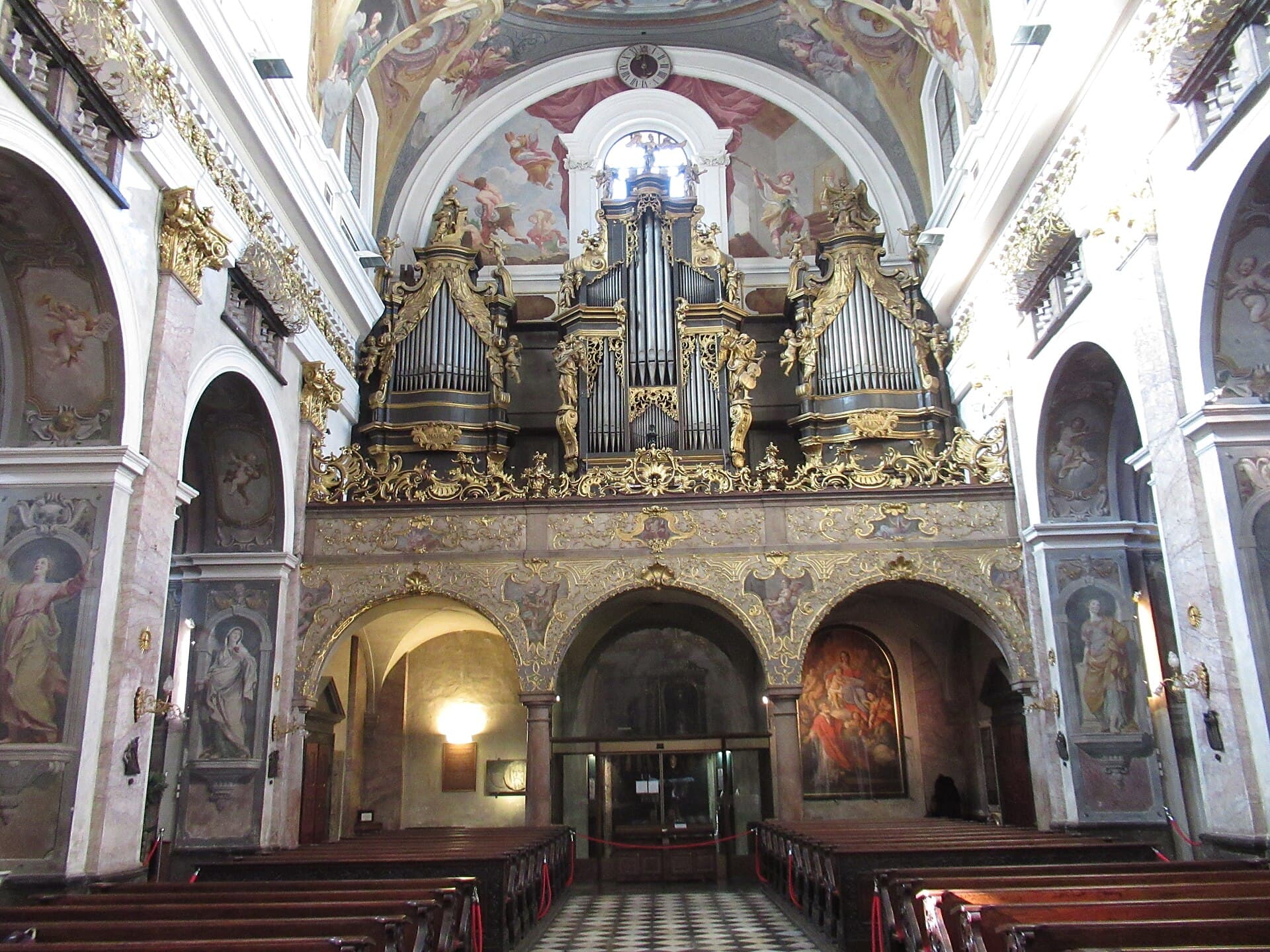 St Nicholas CathedralA green dome and twin towers above the market: Ljubljana Cathedral (1706) is Ita10 minutes walk4.6
A former Yugoslav army barracks in central Ljubljana. After independence, artists and activists occupied it in 1993 and prevented its demolition, turning it into an autonomous cultural quarter of murals, clubs and art spaces. On the opposite side of the complex, official national museums were established. The result is a strange adjacency of state institutions and alternative culture in one place.
Yes — the permanent exhibition leans heavily on tangible objects, work tools and clothing, with interactive sections. The museum also runs family programmes at weekends. Walking through Metelkova before or after adds a visual dimension that teenagers in particular respond to.