
Roman brick in the walls
Courses of reused red Roman brick and tile are still visible in the walls, most clearly in the chancel.
Oosoom — CC BY-SA 3.0 · Michael Garlick — CC BY-SA 2.0 · Michael Garlick — CC BY-SA 2.0 · Michael Garlick — CC BY-SA 2.0
Before a single stone of Canterbury Cathedral was laid, people were already praying in this small church on the hill east of the city, and they still are. That makes it the oldest church building in continuous use in the English-speaking world, and it was reason enough to include it in the Canterbury UNESCO World Heritage Site in 1988 alongside the cathedral and St Augustine's Abbey. The story starts around 580, when the Frankish Christian princess Bertha arrived as bride to the pagan king of Kent and a Roman-era building outside the walls was fitted out as her chapel. When the monk Augustine landed from Rome in 597, this was his base; the cathedral did not yet exist. The walls do the storytelling. Look for the courses of red Roman brick and tile laid between bands of flint, salvaged from buildings already centuries old when the church was raised; the oldest fabric is at the west end of the chancel, where a blocked doorway is taken for the entrance to Bertha's church, while the west tower is a much later Perpendicular Gothic addition. Inside stands a stone font that local tradition links to the baptism of King Ethelbert himself, though historians are more cautious than the guides. The churchyard holds the grave of Mary Tourtel, creator of Rupert Bear, and gives a lovely view back down to the cathedral towers. Be realistic. This is a small, plain village church whose value lies in its age and story, not its architecture; twenty to thirty minutes is plenty even for the keen. Entry is free because it is a working parish church that takes no money from the government or the Church of England, kept open by the donation box, and in season it is usually open daily from 11:00 to 15:00. There is a Sunday service at 09:00, during which only the churchyard is open to visitors, and the church occasionally closes for private events, so check the parish website before climbing the hill. It is about fifteen minutes on foot east of the cathedral along Longport, past the ruins of St Augustine's Abbey, so the sensible plan is one walk linking all three World Heritage sites. The street walk is easy, but the church itself sits up a steep slope reached by a flight of steps, with more steps inside and neither ramp nor lift, so it does not work for wheelchair users and a pushchair has to be carried. In summer the churchyard is quiet and almost empty compared with the crush at the cathedral; in winter remember that a 15:00 closing means the light is already going, so come early.
Courses of reused red Roman brick and tile are still visible in the walls, most clearly in the chancel.
A stone font that local tradition ties to King Ethelbert's baptism, though its carving is later than his day; still the best-known object in the tiny interior.
From among the headstones, including that of Rupert Bear creator Mary Tourtel, you look back down at the cathedral towers.
North Holmes Road, Canterbury CT1 1PW
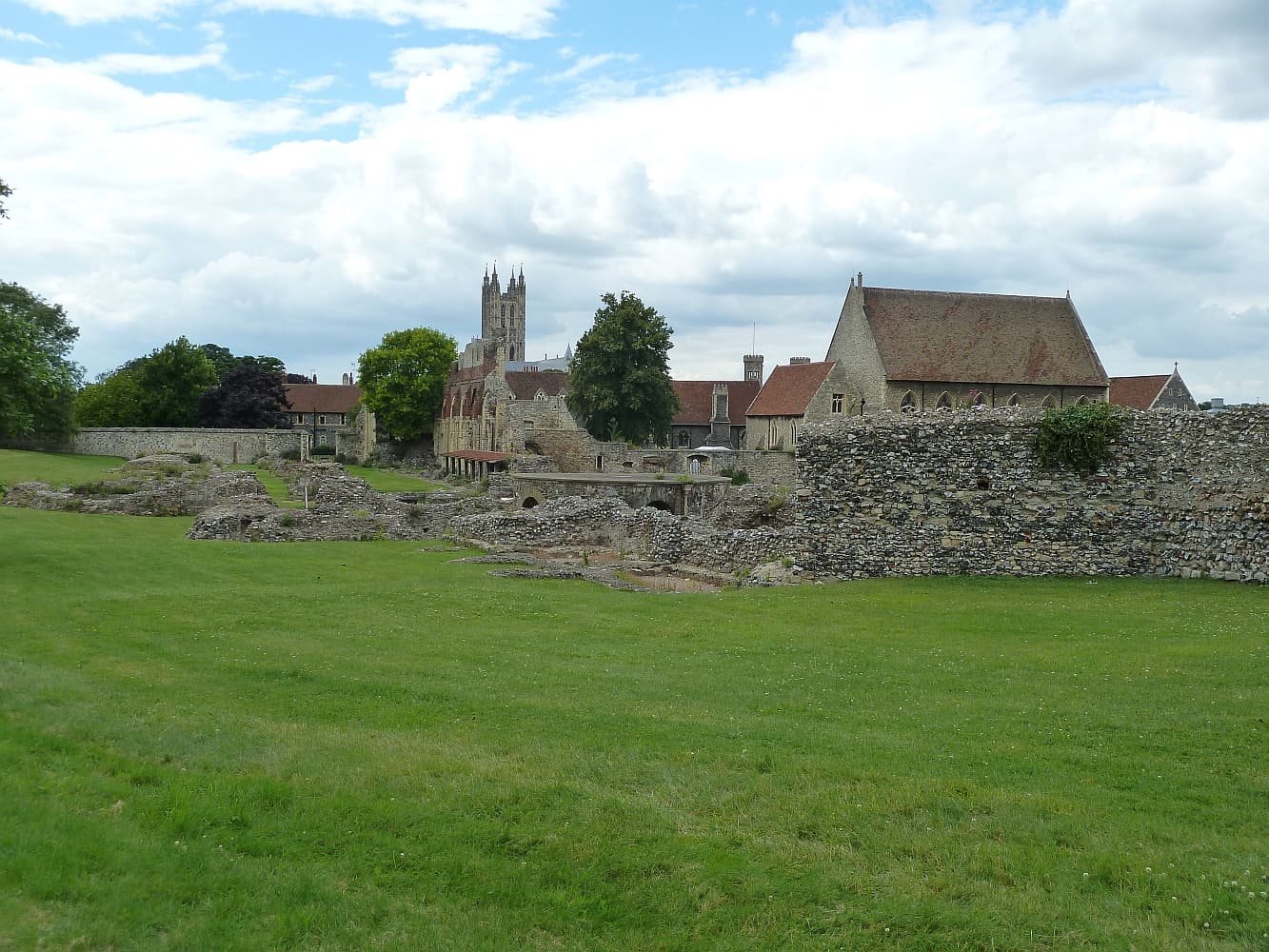 St Augustine's AbbeyThe first Christian king of Anglo-Saxon England was buried here, and so was the 5 minutes walk4.4
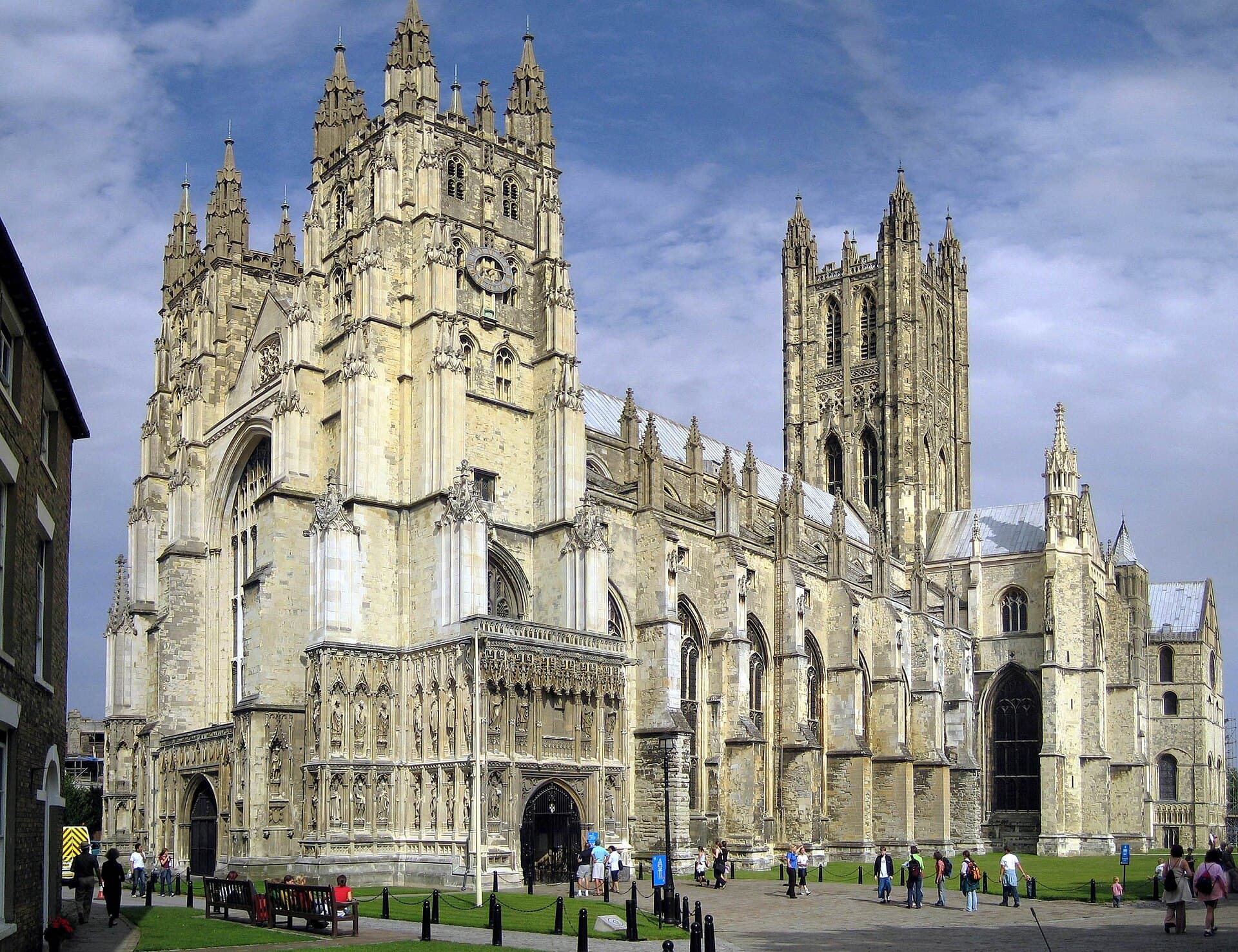 Canterbury CathedralOn a winter evening in 1170 four knights walked into this building and killed Ar10 minutes walk4.7
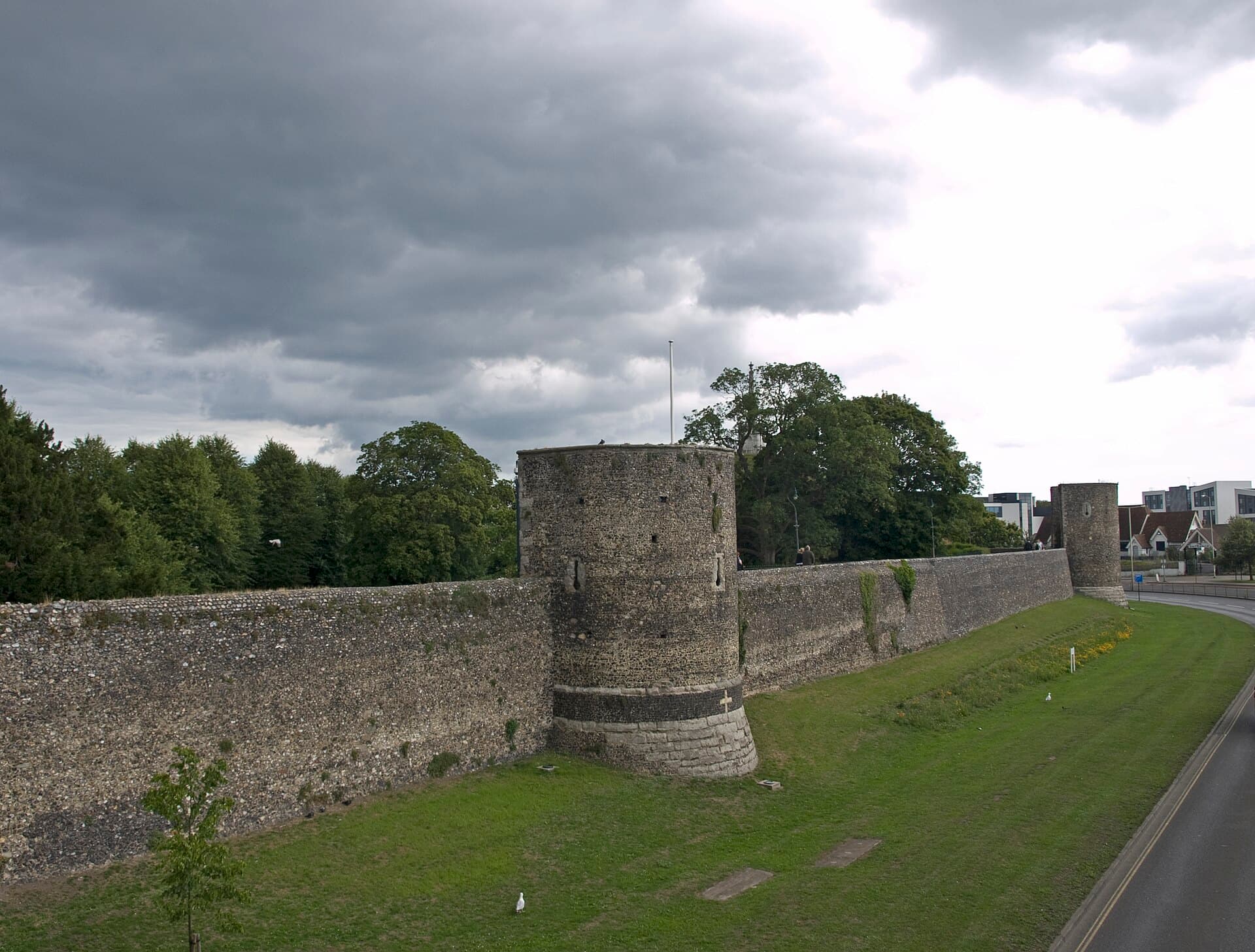 Canterbury City WallsStep out of Canterbury East station and the first thing you meet is not the cath11 minutes walk4.8
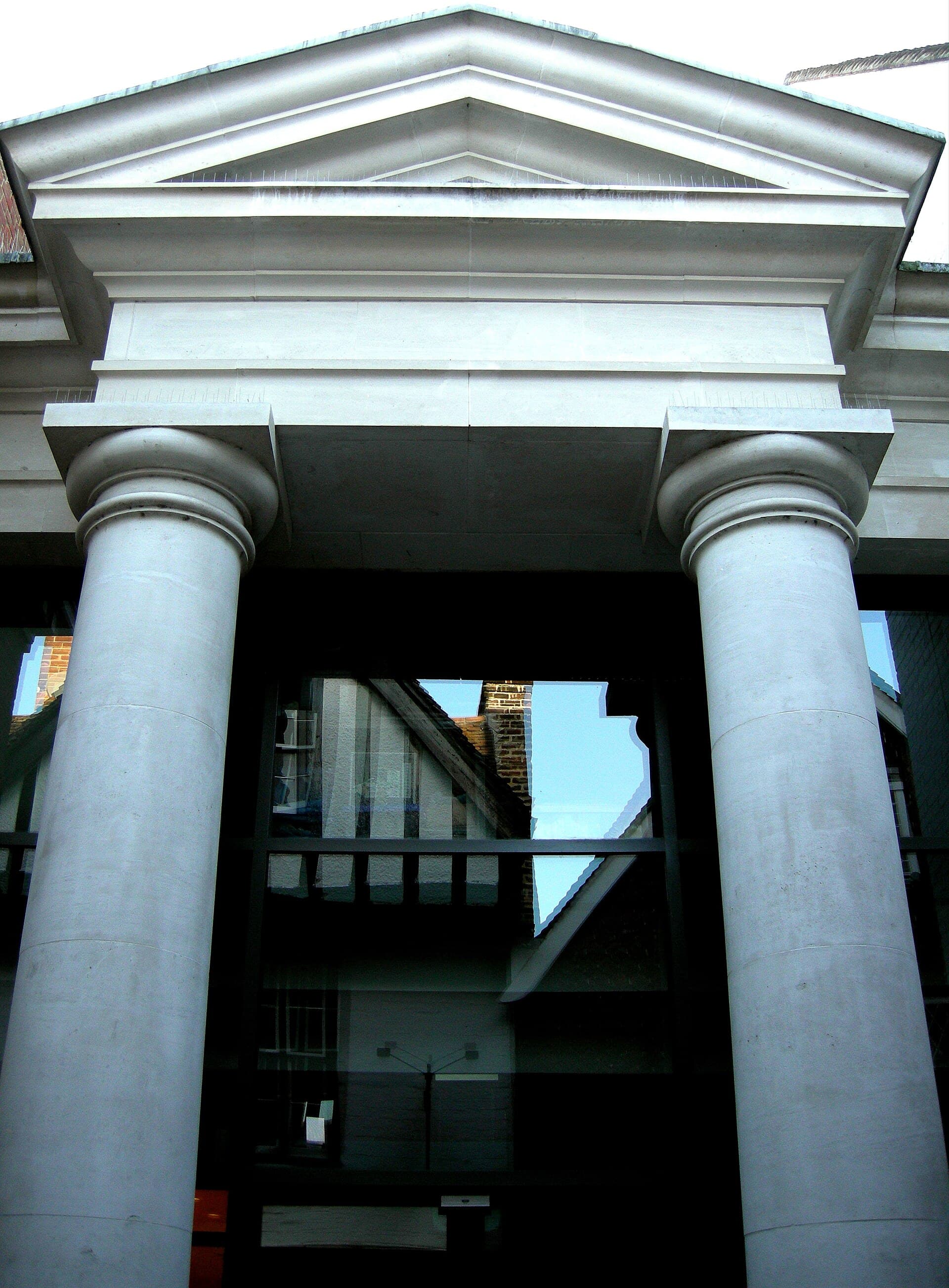 Canterbury Roman MuseumA few metres beneath the shoppers on Butchery Lane lies a Roman mosaic floor tha11 minutes walk4.4
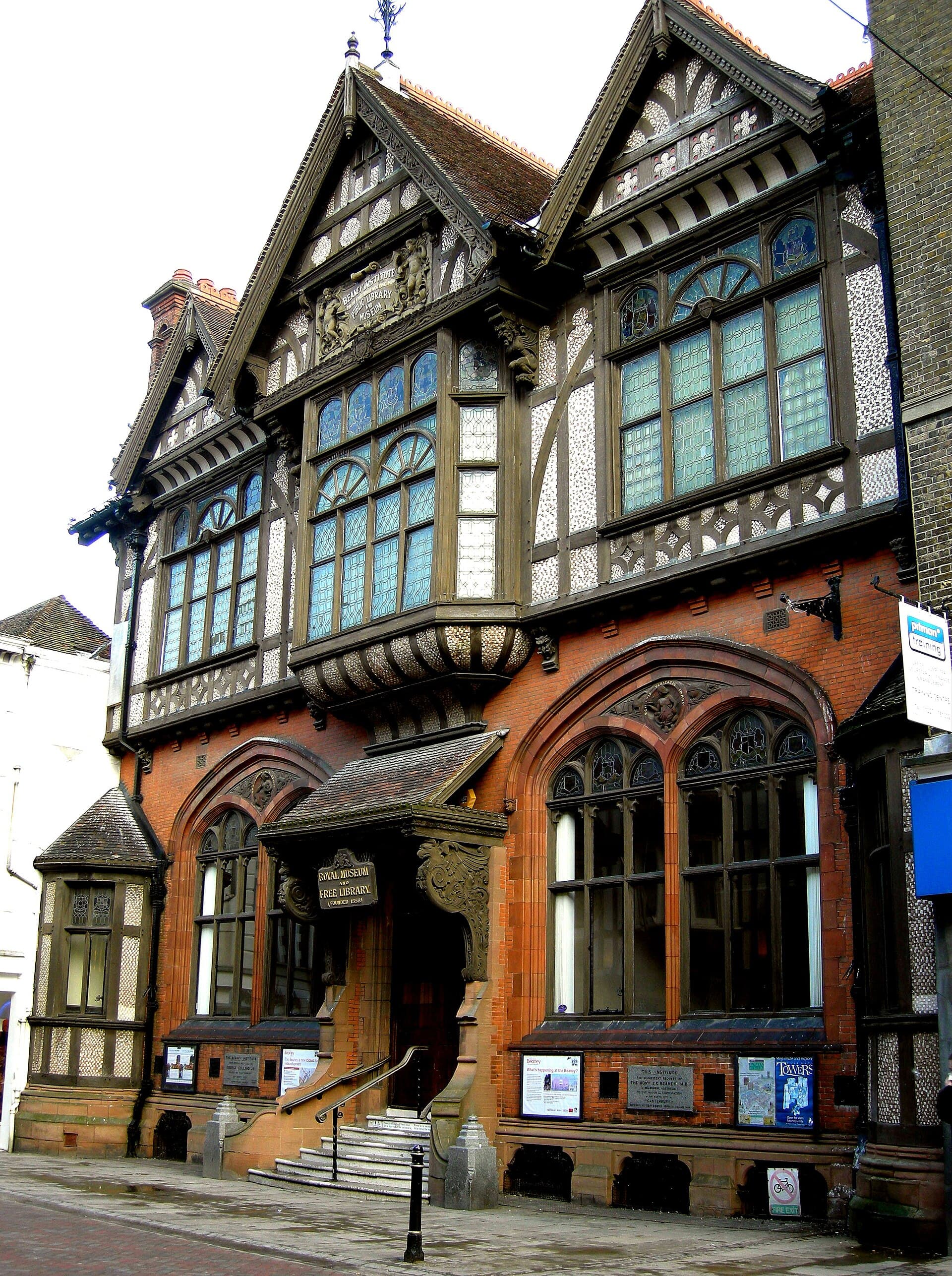 The Beaney House of Art & KnowledgeOne of the handsomest frontages on Canterbury's High Street was paid for by a co13 minutes walk4.5
With half a day, the cathedral comes first, no question. St Martin's earns its place only if you are already heading to St Augustine's Abbey: it sits on the same route, costs nothing and needs no more than half an hour. If you want impressive architecture you will leave disappointed; if the story matters to you, it is several centuries older than anything you see at the cathedral.
Only in a limited way. The churchyard is open and calm and they can wander it, but the interior is tiny and will exhaust their patience in minutes, and the steps up to the church mean a pushchair has to be carried. The tale of a princess praying here 1,400 years ago may hold them; the building itself will not.