
The onyx wall
Honey-glowing at sunset — housing history's costliest wall.
Thomas Ledl — CC BY 4.0 · Vít Švajcr, Dobré světlo.com — CC BY-SA 4.0 · Vít Švajcr, Dobré světlo.com — CC BY-SA 4.0 · Vít Švajcr, Dobré světlo.com — CC BY-SA 4.0
European modernism's most important house, UNESCO-documented: the 1930 villa Mies van der Rohe built for the industrialist Tugendhat family — the first home on a steel frame that freed its walls, birthing 'flowing space': a fifty-metre living hall without one bearing wall, divided only by a honey onyx wall that glows at sunset and a curved ebony screen. Its 1930 technical opulence beats today's houses: panoramic windows sinking into the floor at electric buttons turning salon to terrace, central air and humidification, the 'light curtain' room — all its original machinery visitable in the extended tour's basement. The family's chapter is the aching one: Jews who fled in 1938, the Gestapo confiscating — restoration returned it millimetre-true by 2012 down to Mies's furniture in place (the world-famous Brno and Tugendhat chairs were literally born for this house) — the visit a modernist pilgrimage complete in its details.
Honey-glowing at sunset — housing history's costliest wall.
Panoramas descending electrically in 1930 — salon becoming terrace.
The global furniture icon born for this named house.
Černopolní 45, 613 00 Brno
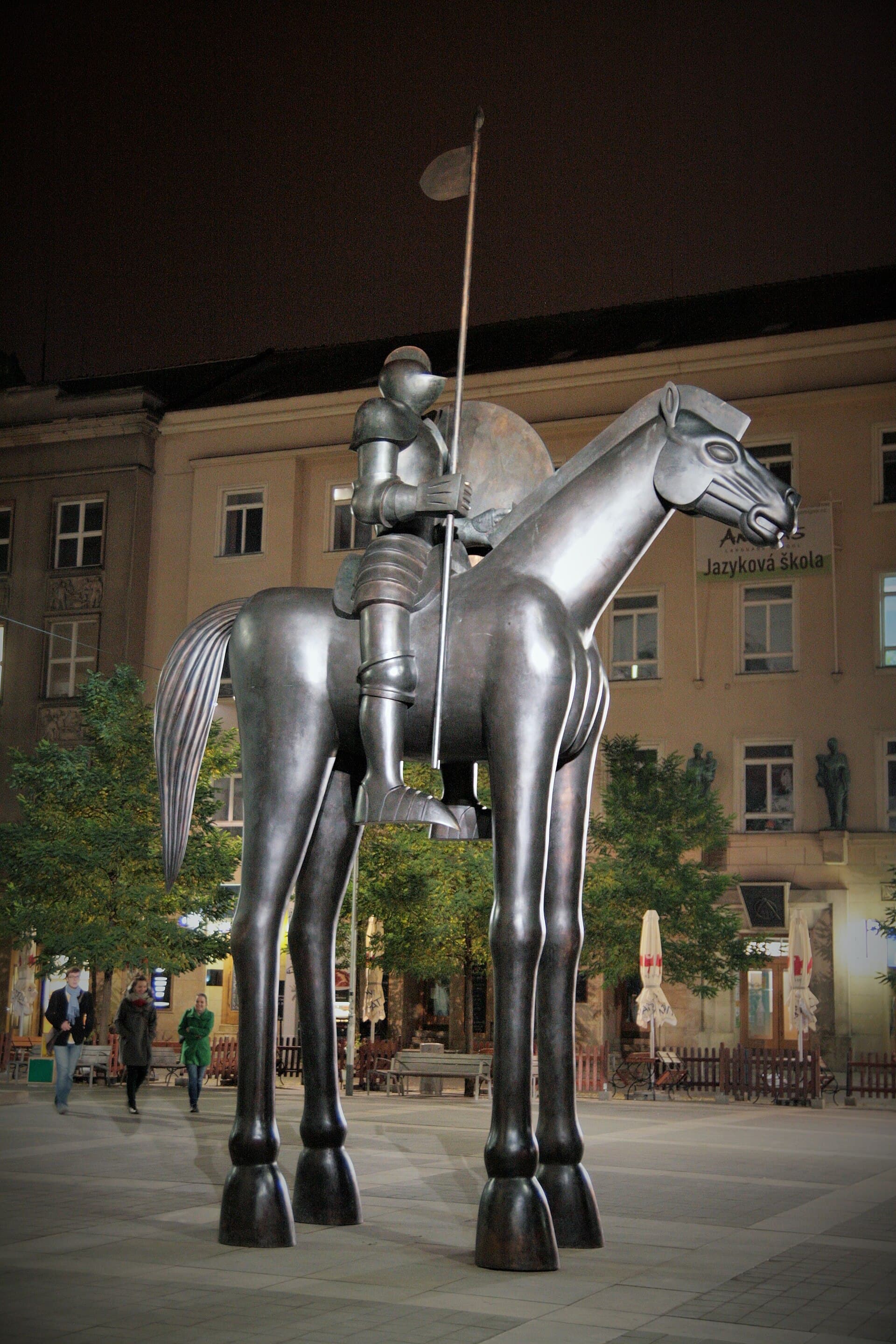 Courage — the Statue of Jobst of LuxembourgAn equestrian statue on Moravian Square in Brno, unveiled in 2015, depicting Job15 minutes walk4.6
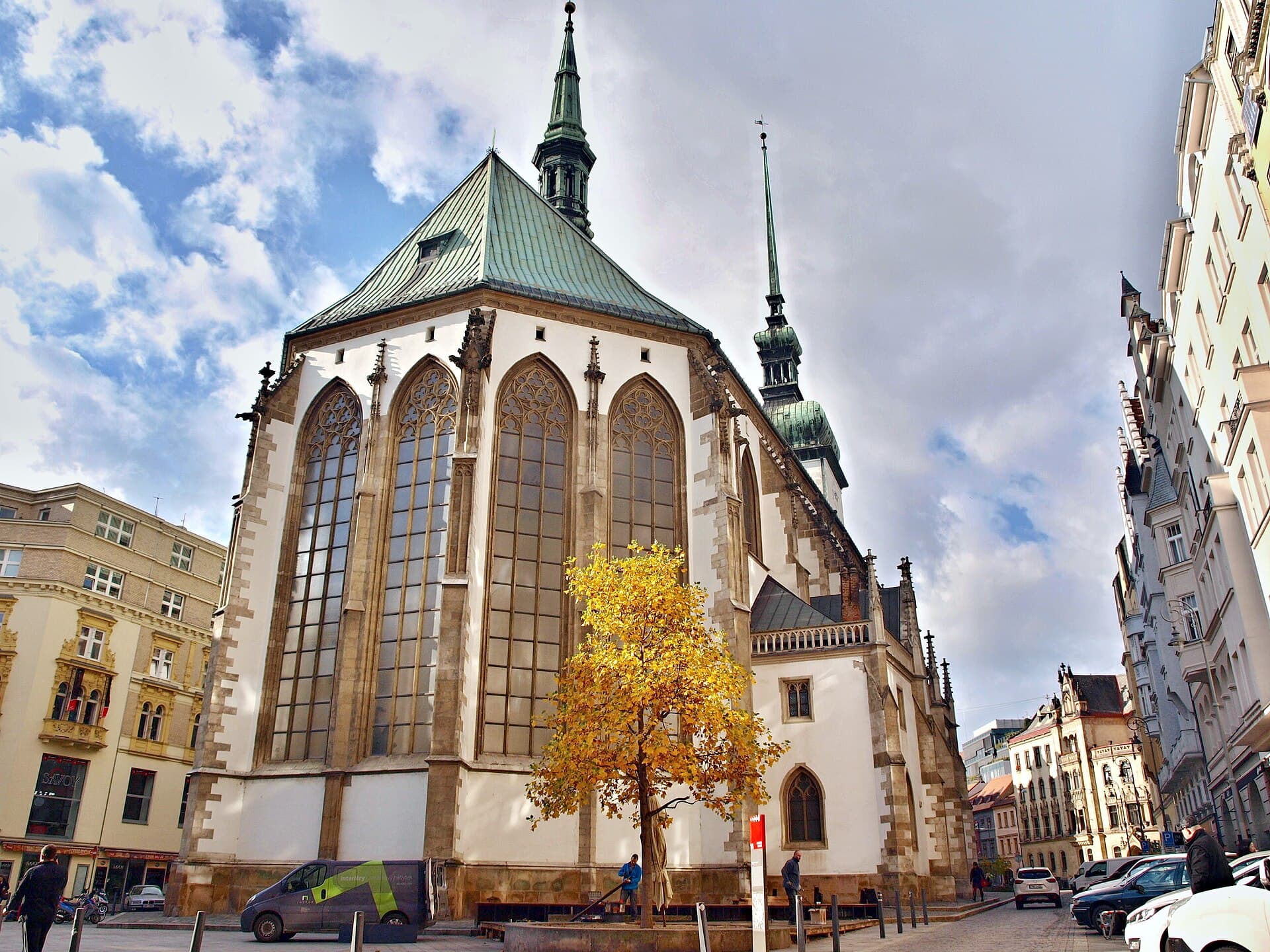 St James's SquareA square in the northern part of old central Brno around the Gothic church of St16 minutes walk4.8
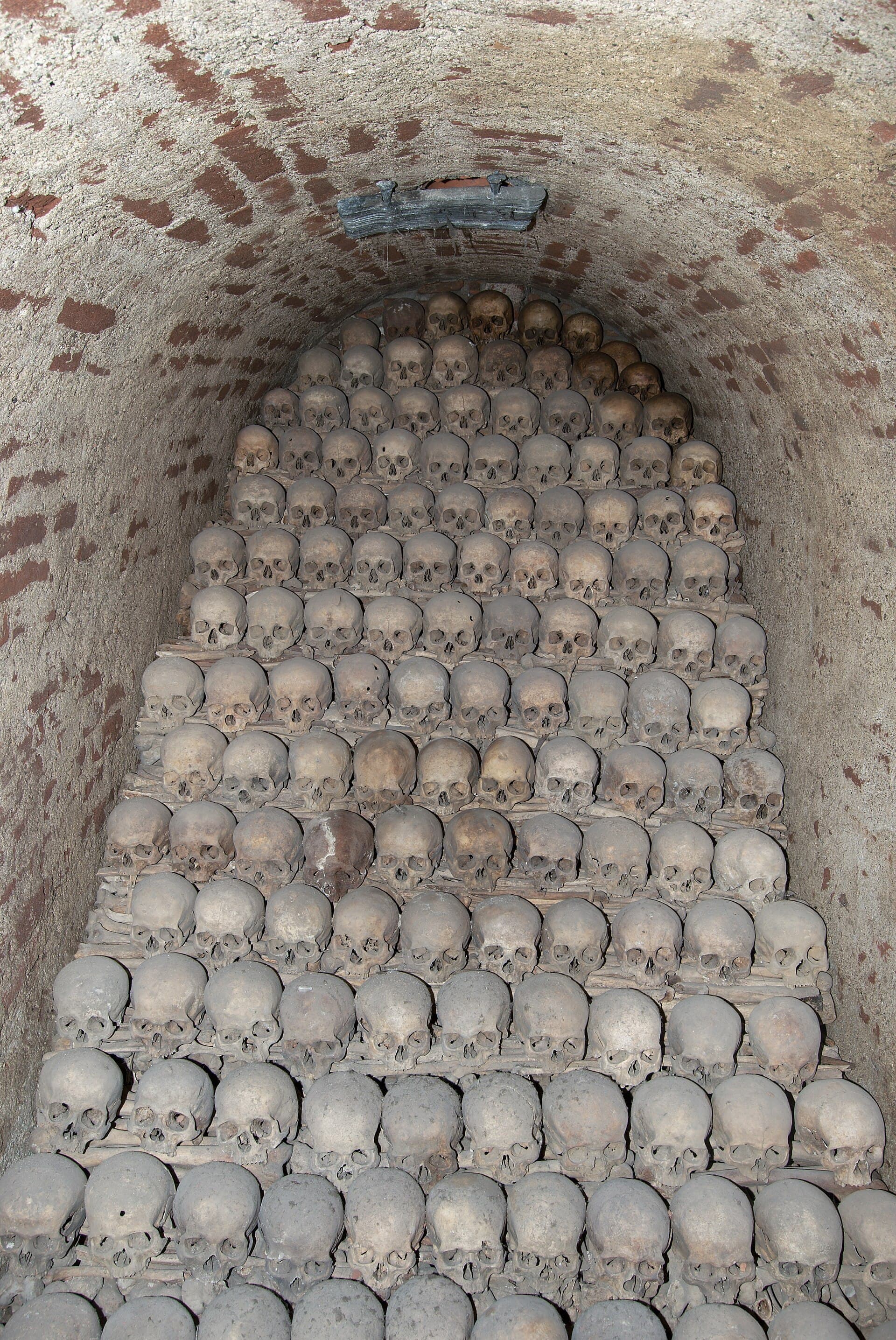 The Brno OssuaryDirectly beneath James Square sleep fifty thousand: Europe's second-largest ossu17 minutes walk4.4
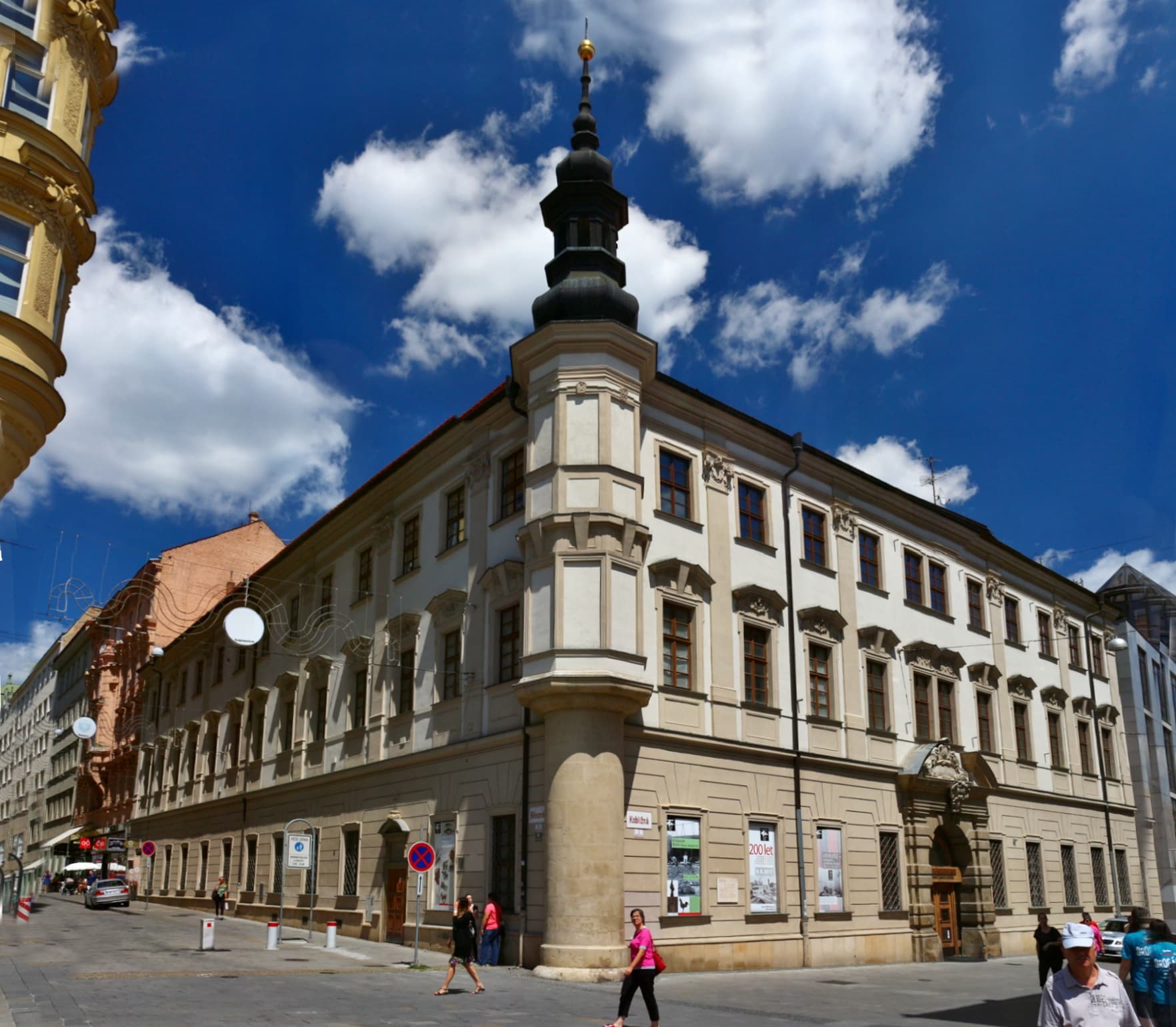 The Palace of the Noble LadiesA Baroque palace in central Brno, built in the seventeenth century to house the 18 minutes walk4.6
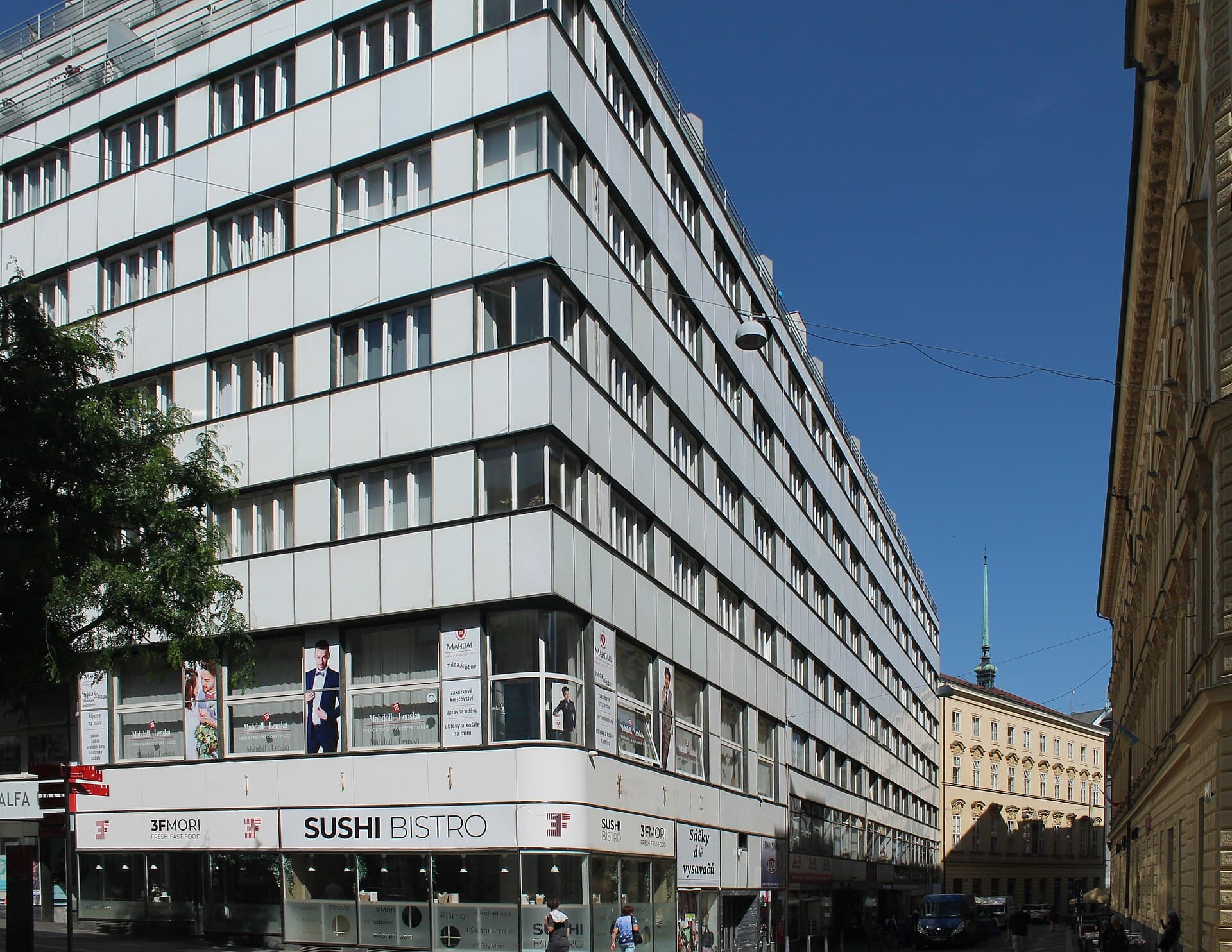 Alfa PalaceA functionalist building of the 1930s in central Brno, containing a covered shop18 minutes walk4.1
They survived via Switzerland to Venezuela — the house tumbling: Gestapo, flats, a children's orthopaedic clinic (children danced decades in Mies's salon) — daughter Grete returning in her nineties to witness restoration. And Czechoslovakia's 1992 partition talks ran in that very salon: the house truly witnessed its century whole.
The story alone carries the tour: thirties industrialist opulence, technology a century early, confiscation, survival, return — a whole European family drama in one house. And the guides are storytellers, not style lecturers — boredom unlikely even for the humouring companion.