
The Southern Railway
Vienna to Trieste through this land — the empire linked to its port.
Shabicht — CC BY-SA 4.0 · Julien Maury — Public domain · Julien Maury — Public domain · Julien Maury — Public domain
The Slovenian Railways museum in a former locomotive depot north of central Ljubljana, whose collection of steam locomotives is among the most important in south-eastern Europe. Railways are not a marginal subject in Slovenia's history. The Vienna–Trieste line, known as the Southern Railway, was cut through these lands in the mid nineteenth century to connect the imperial capital with its Adriatic port. The line's passage transformed small towns and made Ljubljana a junction, and its mountain section was an engineering achievement in its day. The displays are steam locomotives preserved in the depot building itself with its turntable, along with signalling equipment, tickets, uniforms and workshop tools. Many of the locomotives can be approached closely enough to see their mechanisms. Practical points: entry is relatively inexpensive. Hours are limited and it may close several days a week — check before going. Part of the display is in unheated buildings, so it is cold inside in winter.
Vienna to Trieste through this land — the empire linked to its port.
The building and its turntable are part of the story, not a container for it.
Many locomotives can be approached closely enough to see how they worked.
North of central Ljubljana
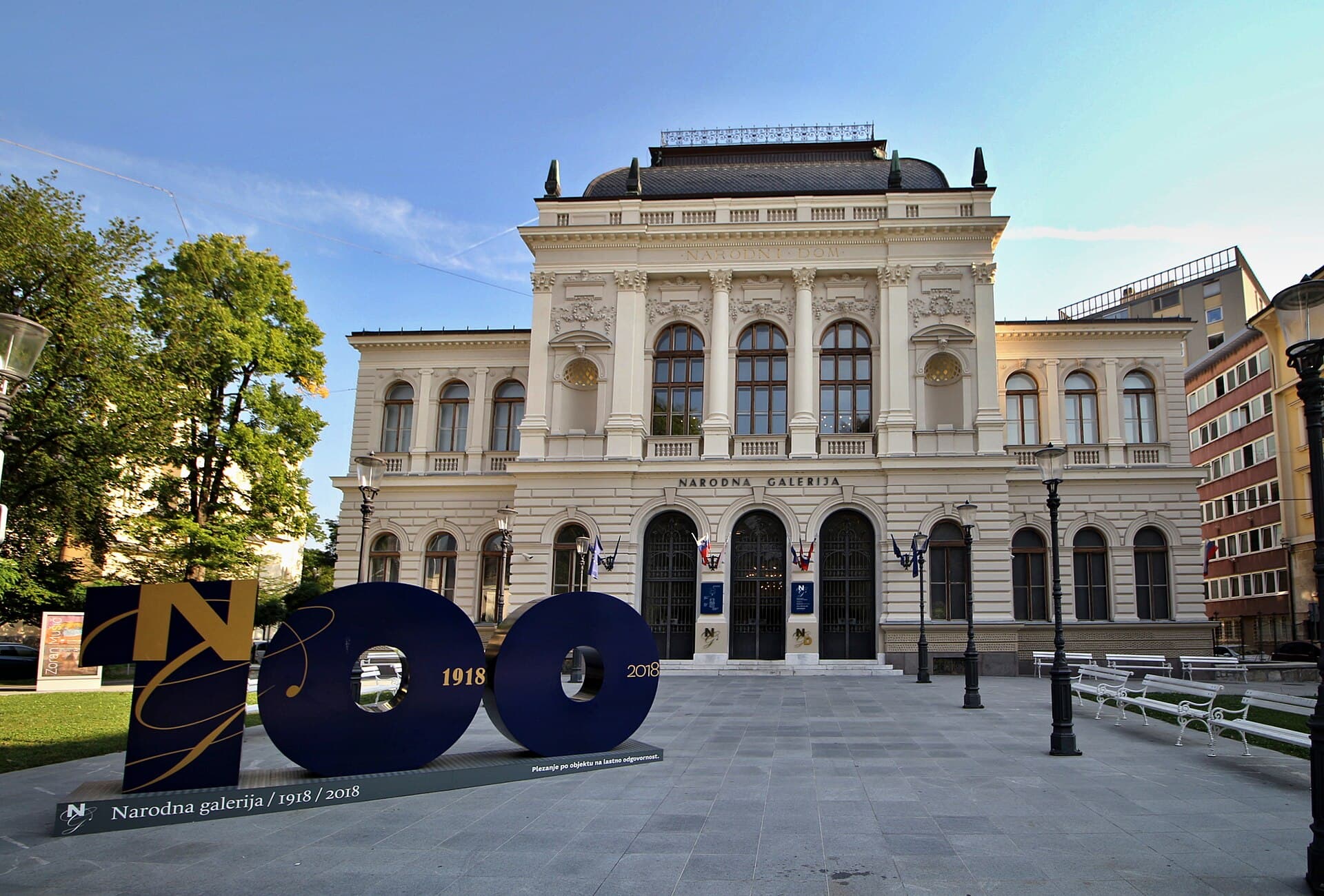 National Gallery of SloveniaSlovenia's art in palace and glass: the National Gallery at Tivoli Park's edge j12 minutes walk4.5
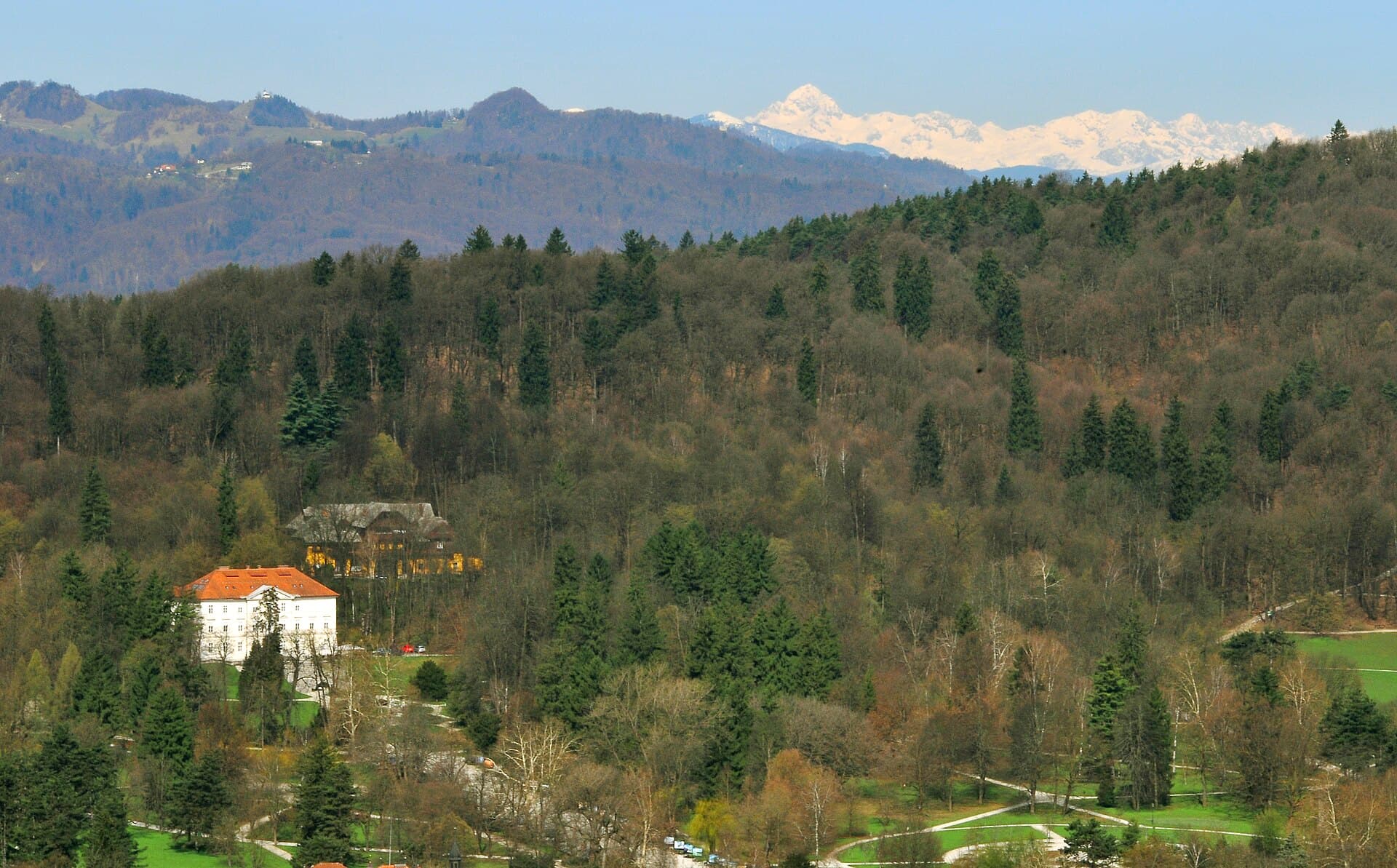 Tivoli ParkLjubljana's largest park and its best loved: Tivoli is five square kilometres of14 minutes walk4.8
 Museum of Modern ArtSlovenia's national museum of modern and contemporary art, showing Slovene art f14 minutes walk4.3
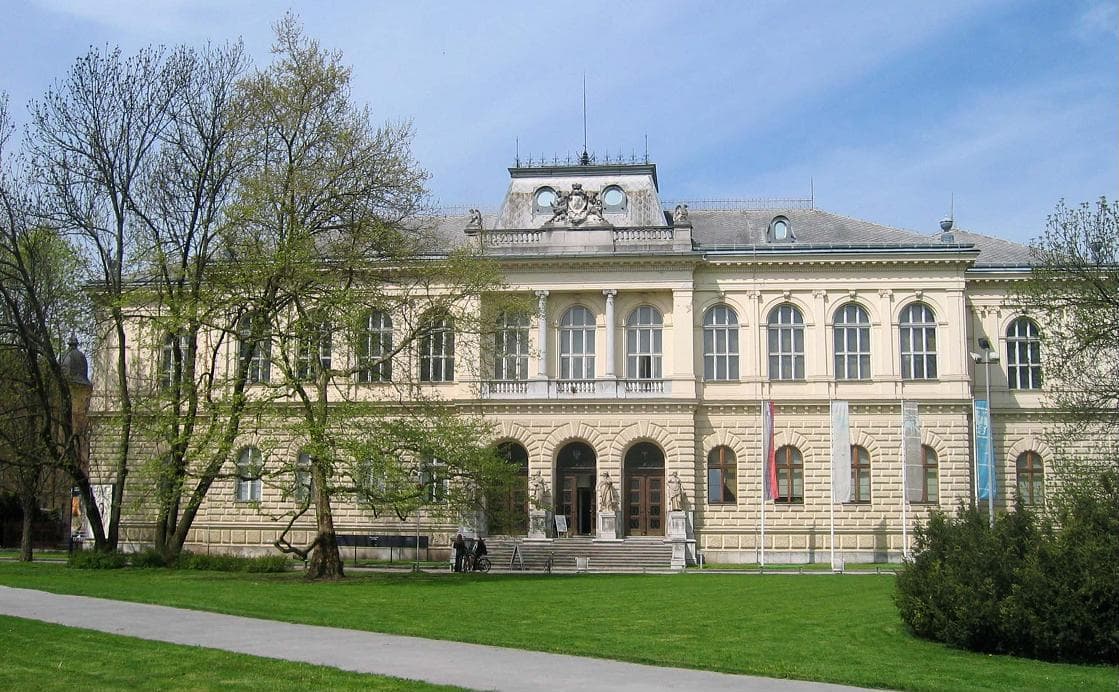 National Museum of SloveniaSlovenia's oldest cultural institution, founded in 1821, showing the history of 15 minutes walk4.6
 The House of ExperimentsAn interactive science centre in central Ljubljana built entirely on one princip16 minutes walk4.6
More than you would expect, if you read it as economic history: the Southern Railway is why modern Ljubljana grew and why Trieste prospered, and cutting it through the mountains was a vast imperial undertaking. Still, if machinery means nothing to you, an hour is enough.
Strongly. The locomotives are enormous and can be approached, the turntable draws curiosity, and the space is open so quiet is not required. It is among Ljubljana's better family options, particularly on a day unsuited to walking outdoors — bearing in mind the buildings are unheated in winter.